

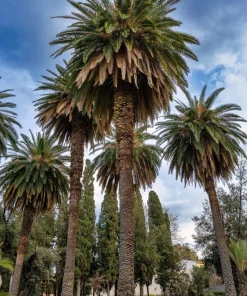
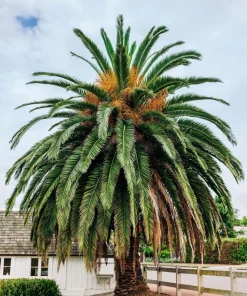
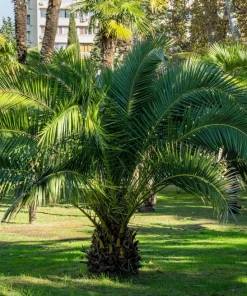
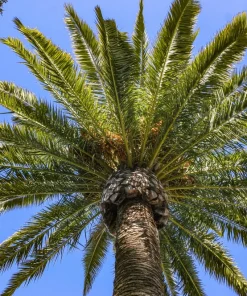
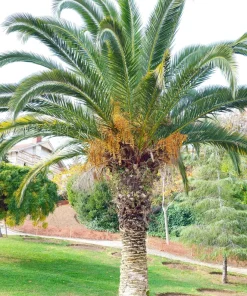
10 Canary Island Date Palm Seeds – Phoenix Canariensis Tree Seeds for Planting
Original price was: $36.99.$16.99Current price is: $16.99.
Cultivate stunning Canary Island Date Palm trees with this pack of 10 high-quality Phoenix Canariensis seeds. Known for their majestic appearance, these date palm tree seeds are ideal for creating a tropical landscape in USDA zones 9-11.
Estimated arrival
Sep 14
Sep 19 - Sep 21
Sep 24 - Sep 28
Shop With Confidence
30-Day Plant Health Guarantee
Arrives damaged? We’ll replace it free — see our return policy.
Responsive Support
Email us anytime, we reply within 1 business day.
Expert Packaging
Temperature-controlled shipping to protect your plants in transit.
Secure Checkout
Pay safely with Visa, Mastercard, PayPal.
Plant Specifications
-
USDA Hardiness Zone
9 - 11 ( & zone 8 with protection) -
Soil Type
Average - Dry, well-draining soil -
Sunlight Exposure
Full Sun -
Expected Planting Period
Outdoors after frost / Indoors weeks before last frost
Overview
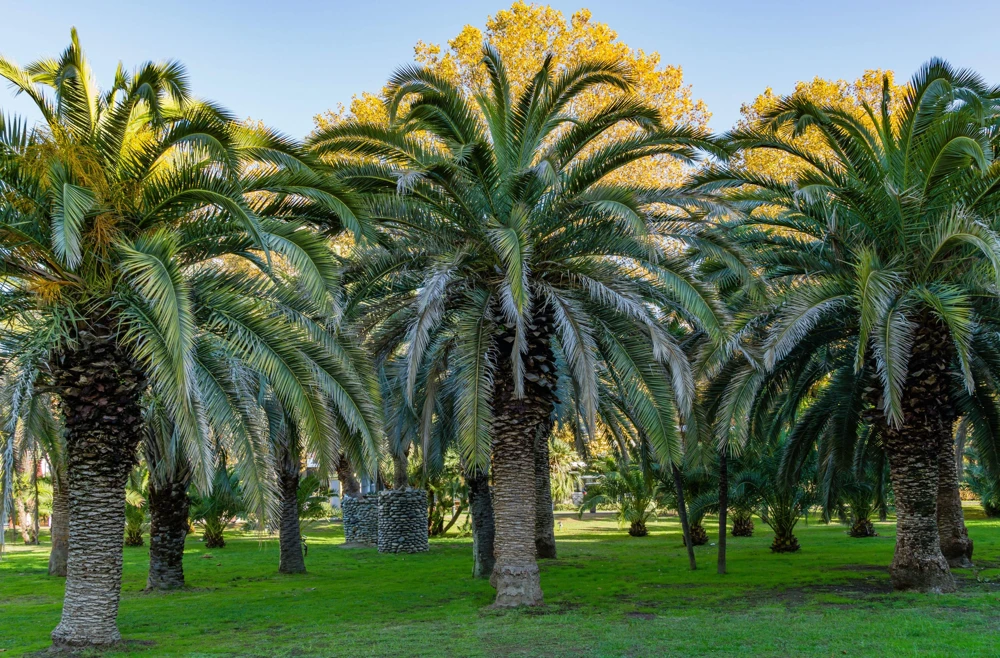
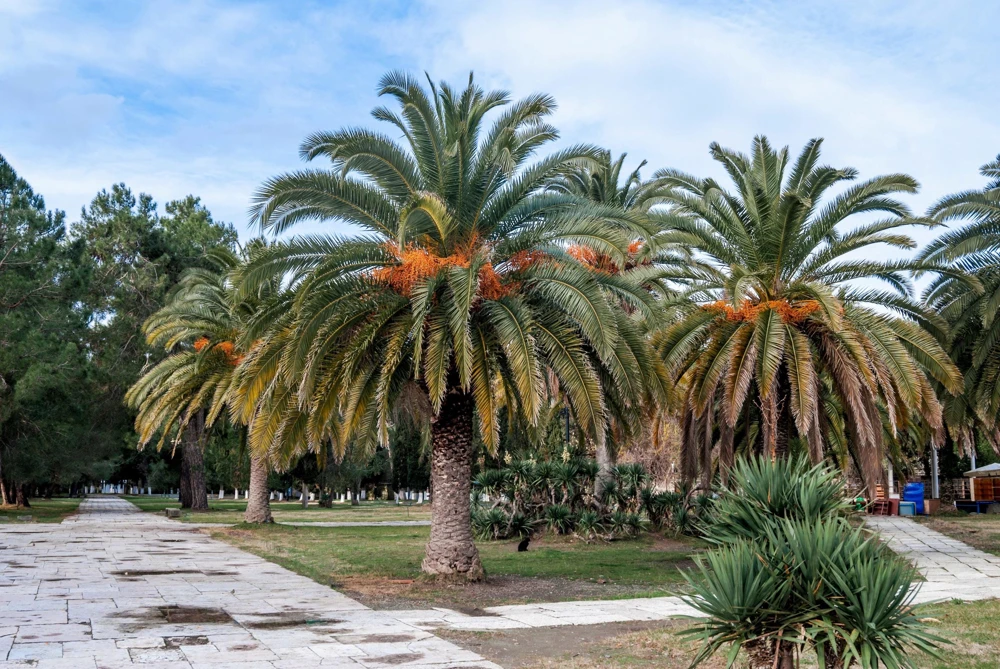
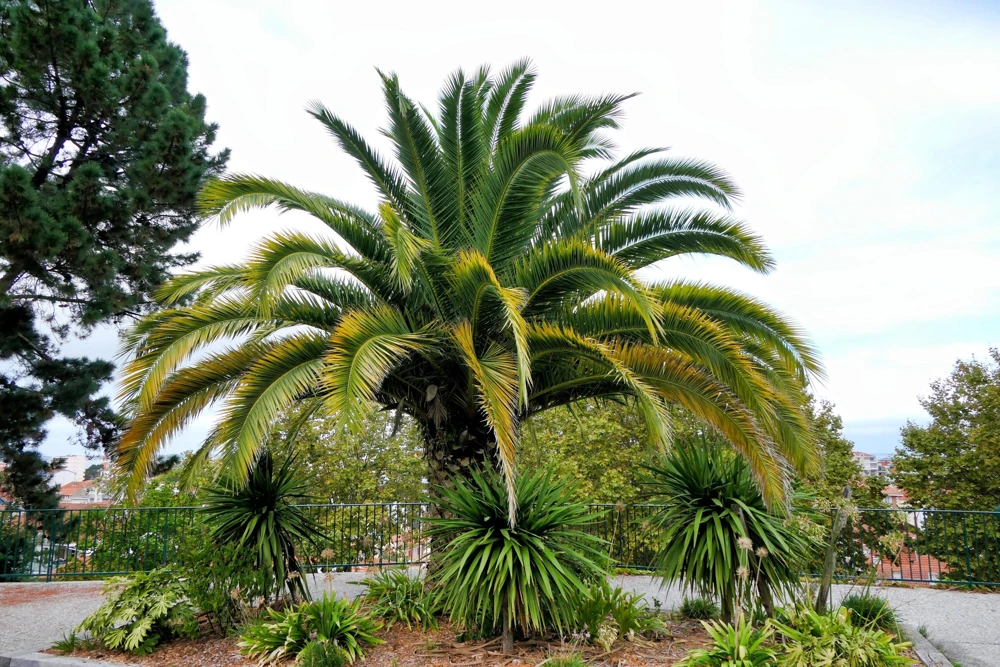
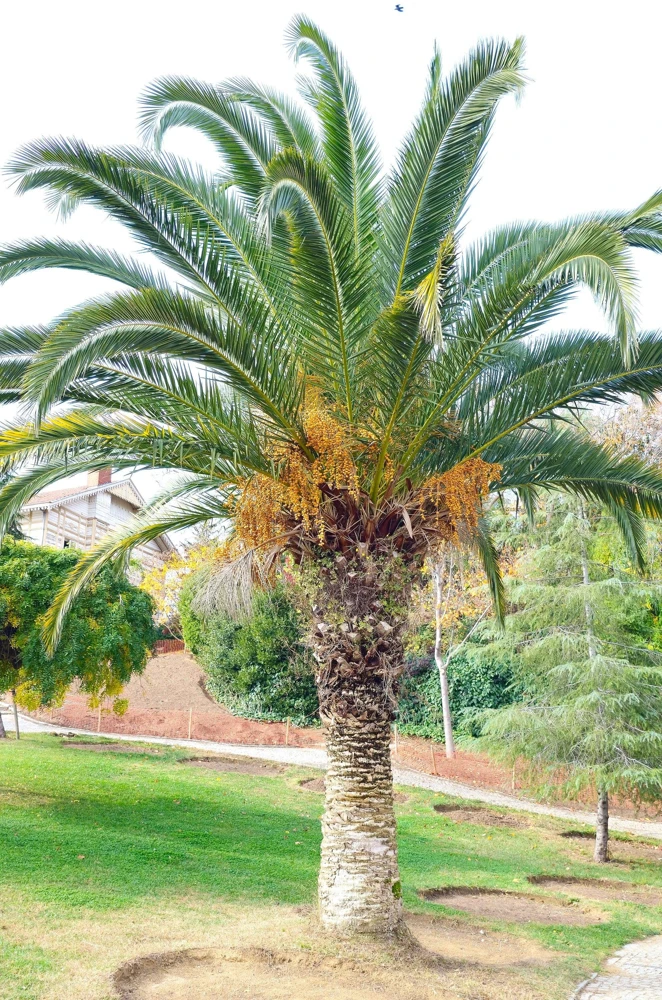
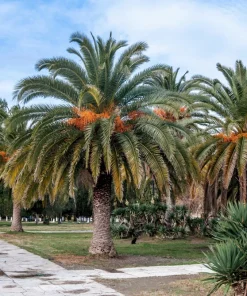
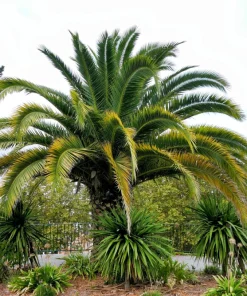
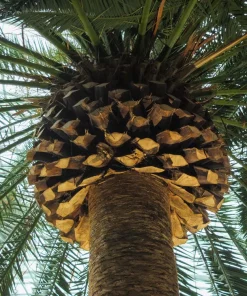
Embark on a rewarding horticultural journey with these premium canary island date palm seeds. Also known as the Pineapple Palm due to its distinctive crown, the Phoenix Canariensis is a truly majestic tree renowned for its grand scale and tropical aesthetic. Originating from the Canary Islands, this spectacular palm can transform any landscape into a luxurious, resort-like environment. Growing these magnificent trees from phoenix canariensis seeds offers a unique opportunity to cultivate a long-lived, impressive specimen that will become a focal point in your garden or property. These slow-growing giants eventually reach impressive heights, making them a significant investment in your outdoor space’s future beauty.
Each packet contains 10 viable date palm tree seeds, providing ample opportunity to establish these iconic palms. While patience is key with their slow growth rate, the eventual outcome is a breathtaking, towering palm tree often seen adorning upscale properties and public spaces in warm climates. Learning to grow date palm from seed is a fulfilling project for any gardening enthusiast looking to add a touch of the exotic to their environment. With their evergreen foliage and potential for yellow-orange fruit, these palms offer year-round visual appeal.
Key Benefits
Cultivating canary island date palm seeds offers a multitude of benefits, both aesthetic and environmental. These palms are more than just trees; they are living sculptures that enhance any setting.
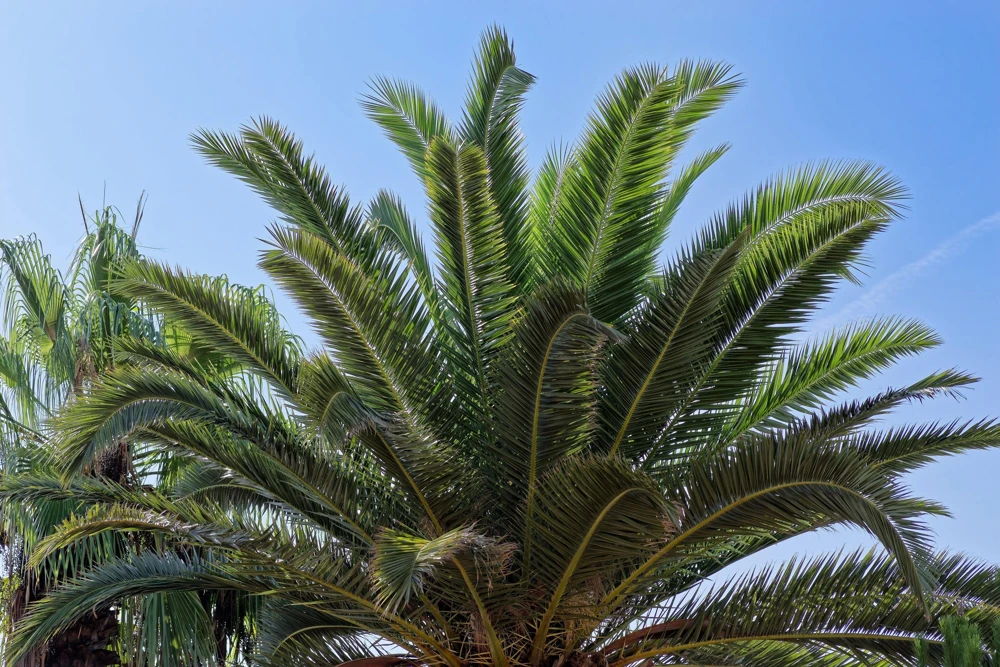
- Stunning Tropical Aesthetic: The Phoenix Canariensis is instantly recognizable for its thick, sturdy trunk and large, arching fronds, creating an unparalleled tropical ambiance. It brings an exotic, luxurious feel to gardens, patios, and large landscapes, making it a favorite for grand designs.
- Long-Lived & Drought Tolerant: Once established, these palms are incredibly long-lived and remarkably resilient, particularly in dry conditions. Their ability to thrive with average to dry soil preferences makes them a sustainable choice for many warm climates, minimizing water usage.
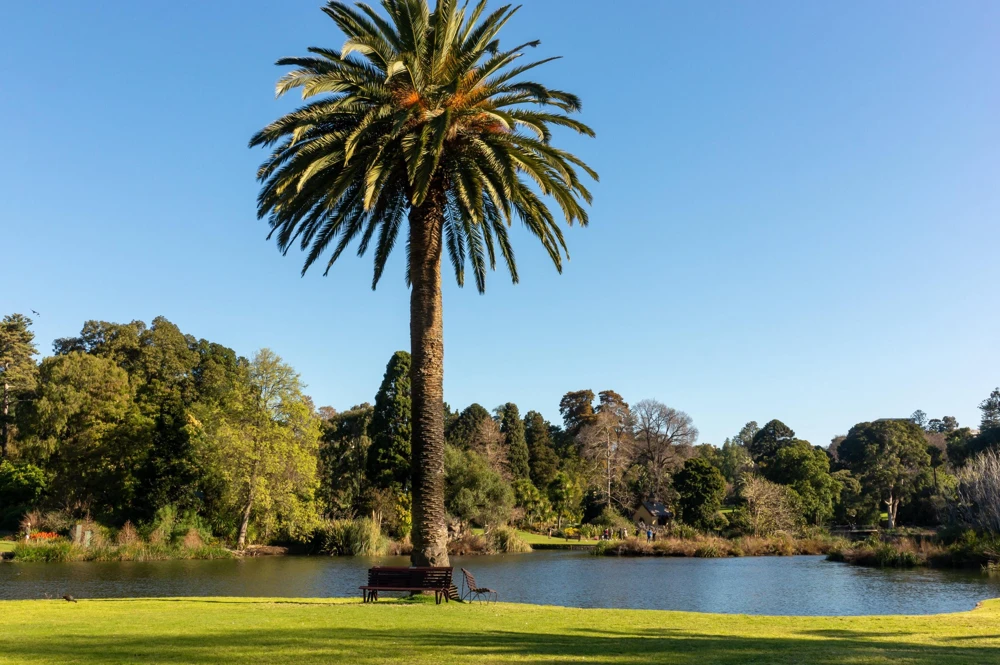
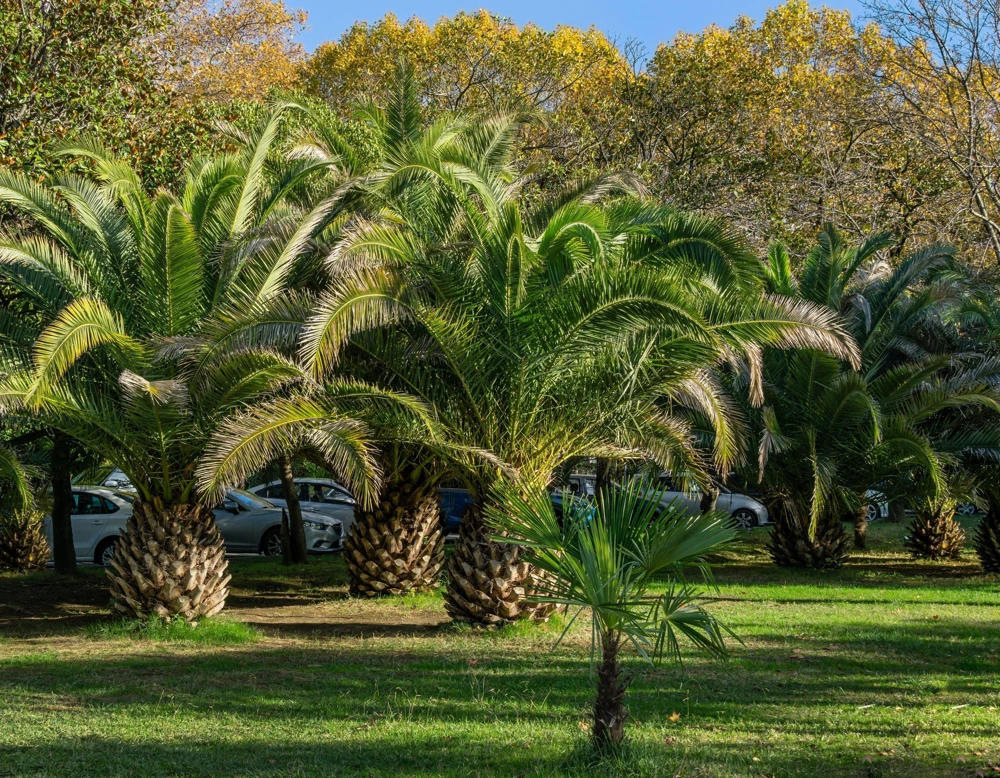
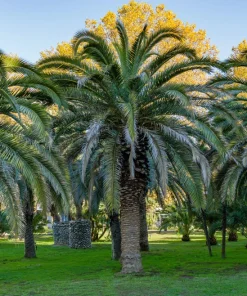
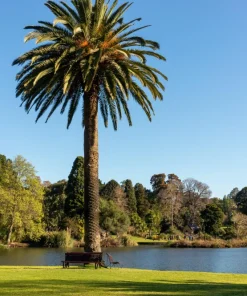
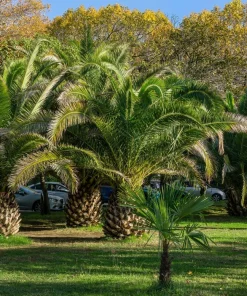
- Significant Landscape Impact: Mature Canary Island Date Palms are truly gigantic, commanding attention and significantly increasing the aesthetic value of any property. Their sheer size and elegant form make them a natural centerpiece, often seen in iconic landscapes.
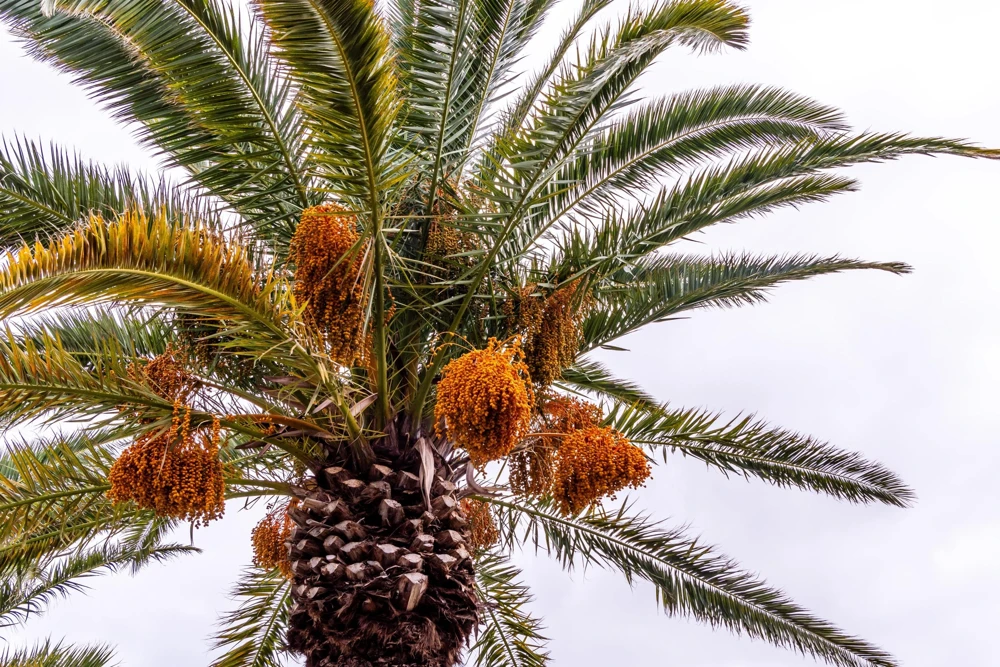
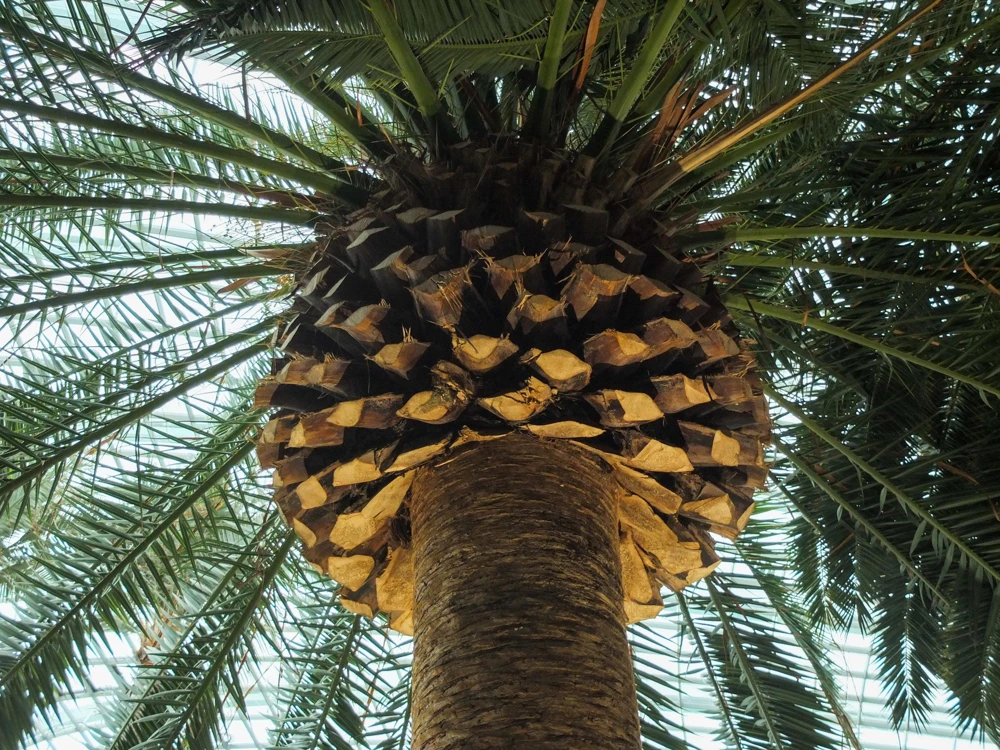
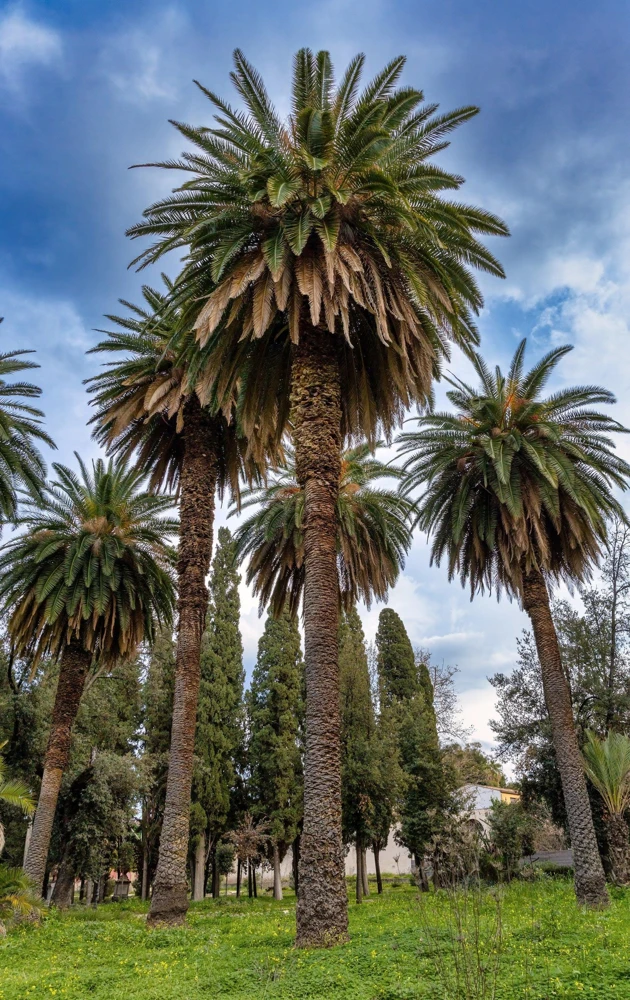
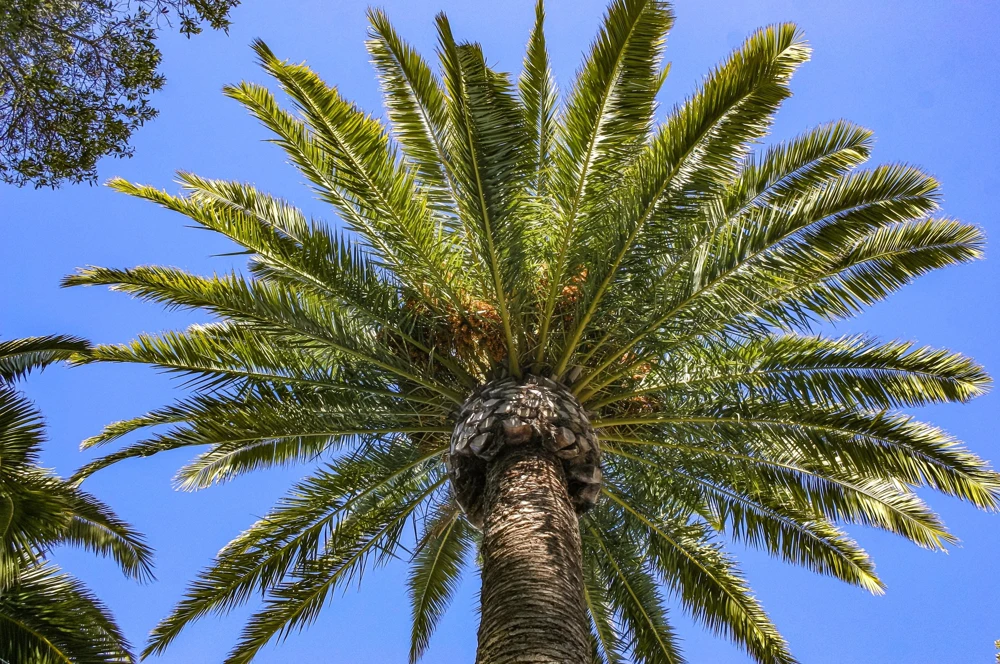
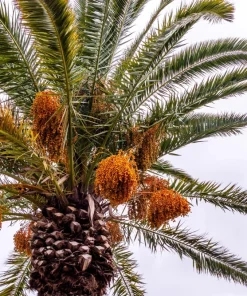
- Architectural Grandeur: The unique ‘pineapple’ pattern on the trunk, formed by old leaf bases, adds an interesting architectural element to the tree, especially as it ages. This distinct feature makes them stand out among other palm varieties.
- Adaptable to Sun: These palms thrive in full sun conditions, making them perfect for open, sunny locations where other plants might struggle. They love warmth and light, which contributes to their robust growth in appropriate climates.
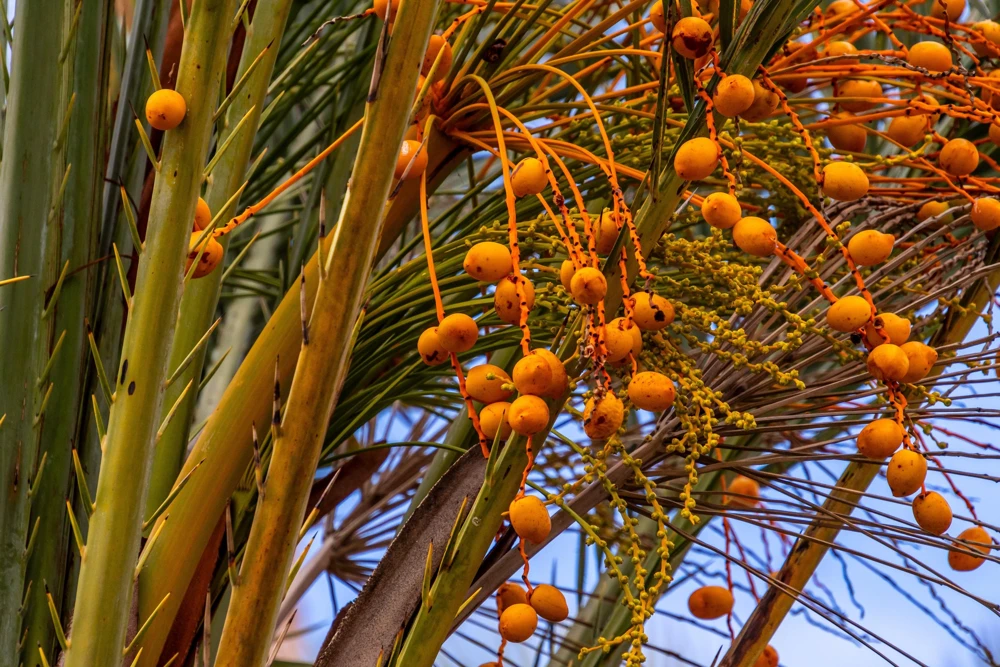
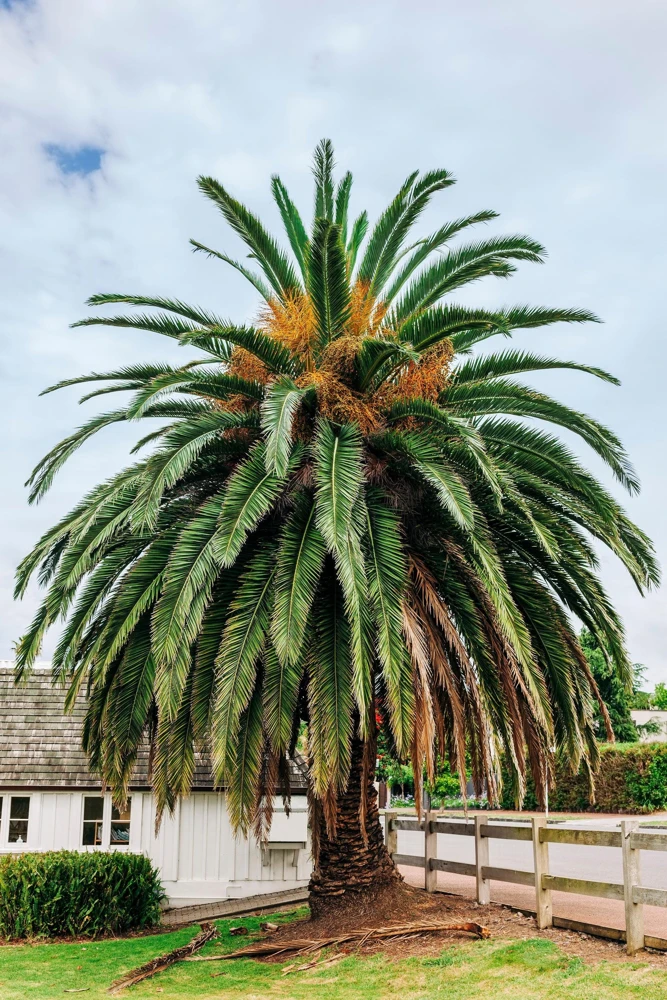
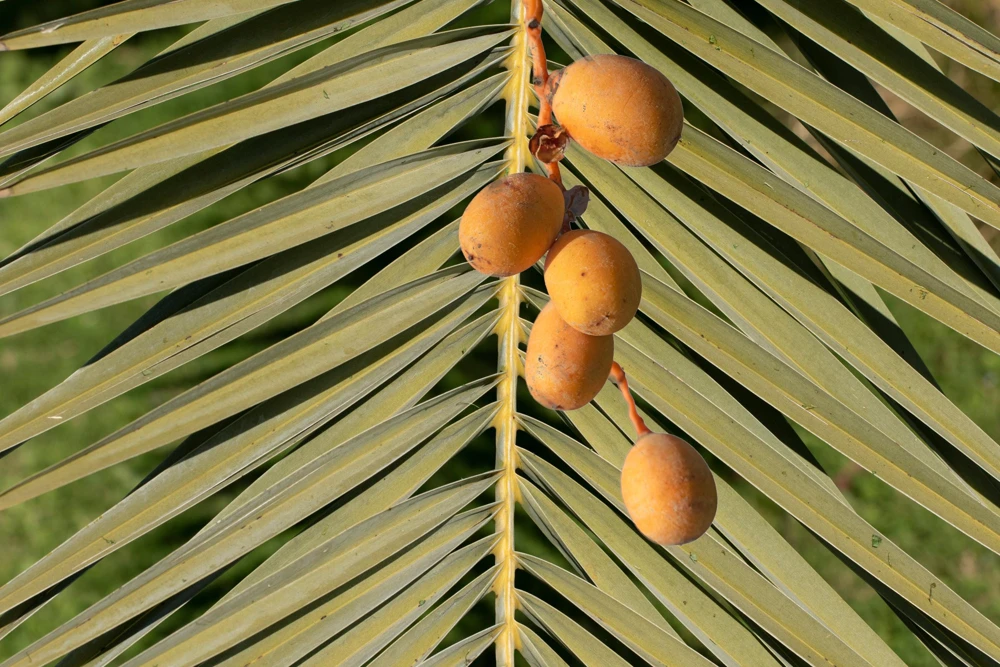
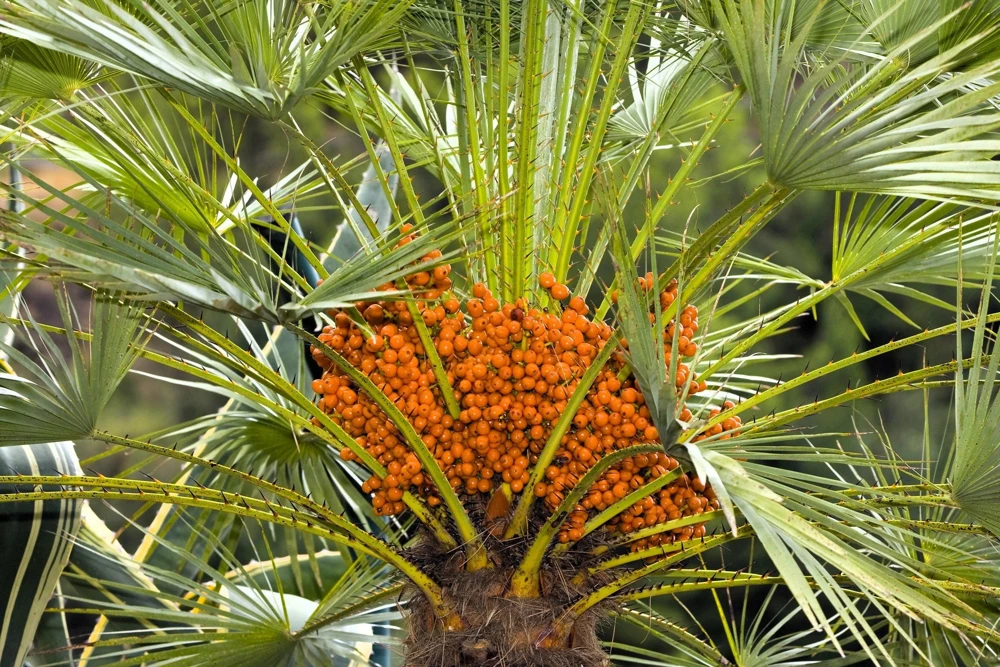
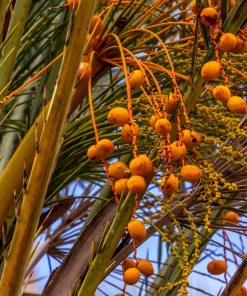
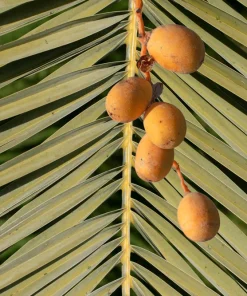
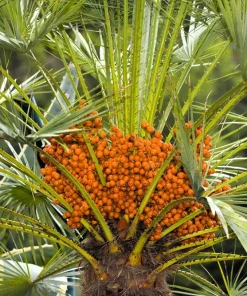
- Potential for Edible Fruit: While primarily grown for ornamental purposes, the Canary Island Date Palm produces small, edible, yellow-orange dates, adding an interesting bonus for those who successfully cultivate them to maturity.
- Enhances Property Value: Due to their majestic size and enduring beauty, established Phoenix Canariensis trees can significantly enhance the curb appeal and overall value of real estate, making them a wise long-term investment. Learning to grow date palm from seed is an investment in your property’s future.
Plant Care & Growing Tips
Successfully germinating and growing canary island date palm seeds requires patience and specific care, but the results are well worth the effort. For best germination, consider scarifying the hard outer shell of the phoenix canariensis seeds by lightly sanding or nicking them, then soaking them in warm water for 2-3 days, changing the water daily. Plant the seeds in a well-draining seed-starting mix, approximately 1 inch deep. Maintain consistent warmth, ideally between 85-95°F (29-35°C), using a heat mat if necessary. Germination can be slow and sporadic, ranging from a few weeks to several months.
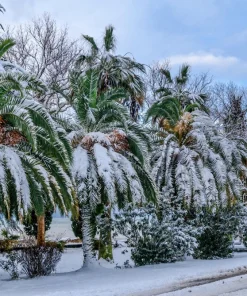
Once seedlings emerge, provide them with plenty of sunlight. While young palms can tolerate some partial shade, mature Canary Island Date Palms thrive in full sun. They are hardy in USDA Zones 9-11, and can survive in Zone 8 with sufficient winter protection. Plant them outdoors after the last frost if starting indoors, ensuring they have ample space, as mature trees can spread 30-40 feet. These trees prefer average to dry soil conditions once established, but young seedlings require consistent moisture. Water deeply when the top few inches of soil are dry, allowing it to dry out slightly between waterings to prevent root rot. Fertilize sparingly with a balanced palm fertilizer once the seedlings are a few months old, increasing frequency as the tree matures. Protecting young pineapple palm seeds and seedlings from extreme cold is crucial.
For established trees, minimal pruning is required, primarily to remove dead or damaged fronds. Avoid over-pruning green fronds, as this can stress the tree and reduce its vigor. While they are generally robust, keep an eye out for common palm pests like scale or spider mites, especially on younger plants. Proper air circulation and appropriate watering can help prevent many issues. Remember, to grow date palm from seed is a long-term commitment, but with proper care, these trees will provide decades of enjoyment and beauty. Understanding how to care for date palm tree seeds is the first step towards a magnificent landscape.
Size & Details
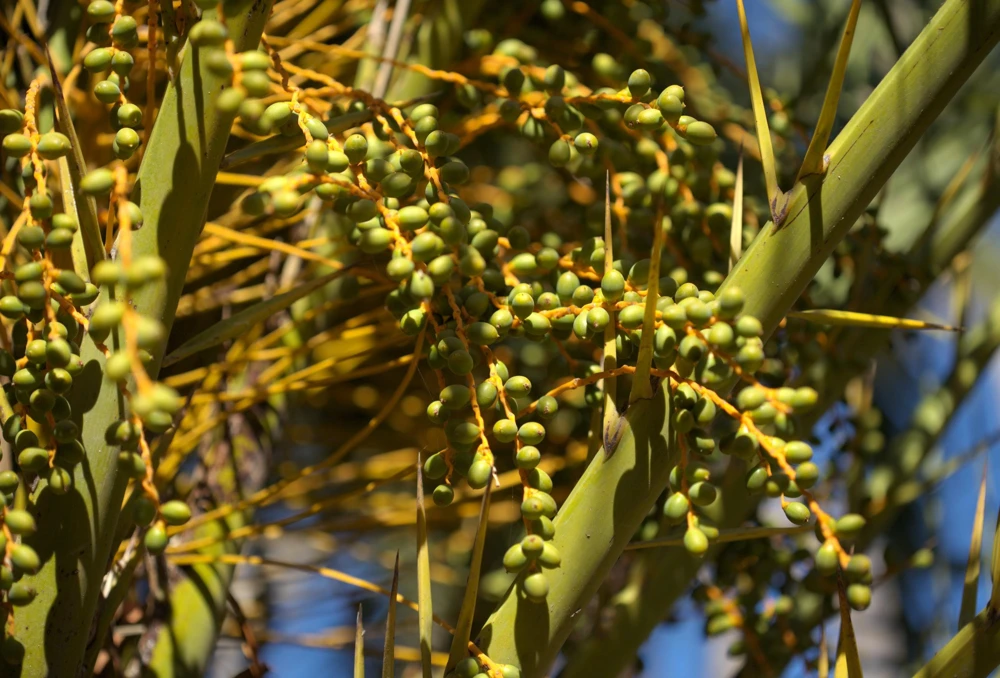
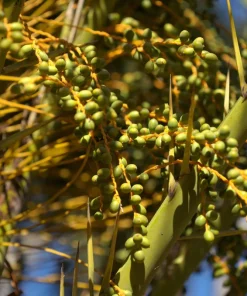
This offering includes 10 Canary Island Date Palm seeds (Phoenix Canariensis), ready for you to begin the process of growing these magnificent trees. While the seeds themselves are small, they hold the potential for truly gigantic palms. When mature, these impressive trees can reach heights of up to 40 feet, with a spread of 30-40 feet, making them a dominant feature in any large garden or landscape. The growth rate is generally slow, meaning it will take several years for the palm to develop into a substantial size, but its longevity ensures a lasting impact. The seeds are typically planted outdoors after the last frost, or indoors several weeks before for an earlier start. The fruit, if produced, is yellow-orange and typically appears in spring after the tree has reached maturity, adding another layer of interest to this already captivating plant.
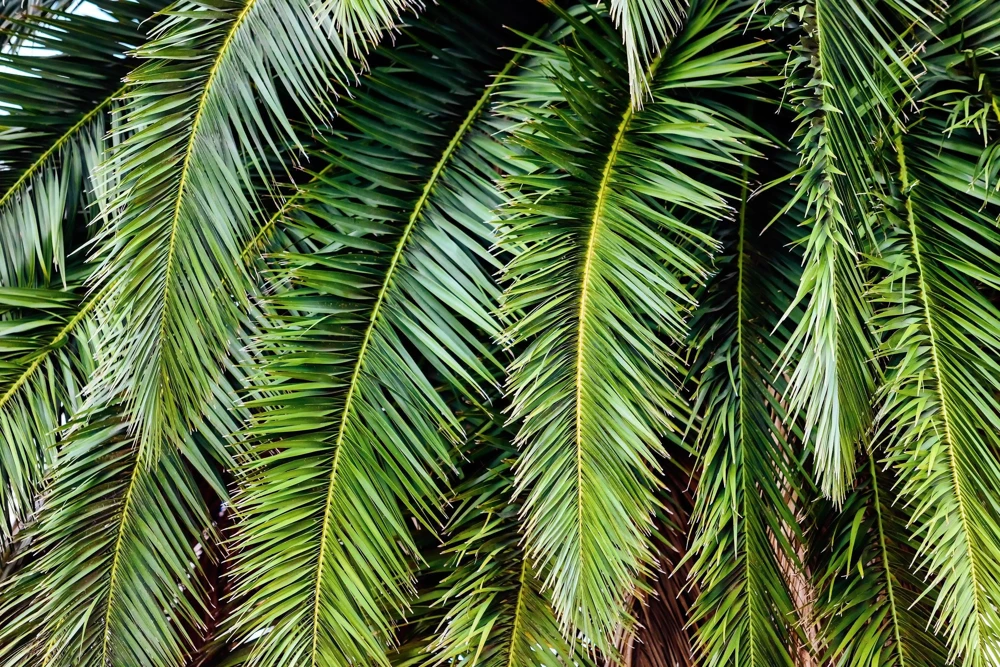
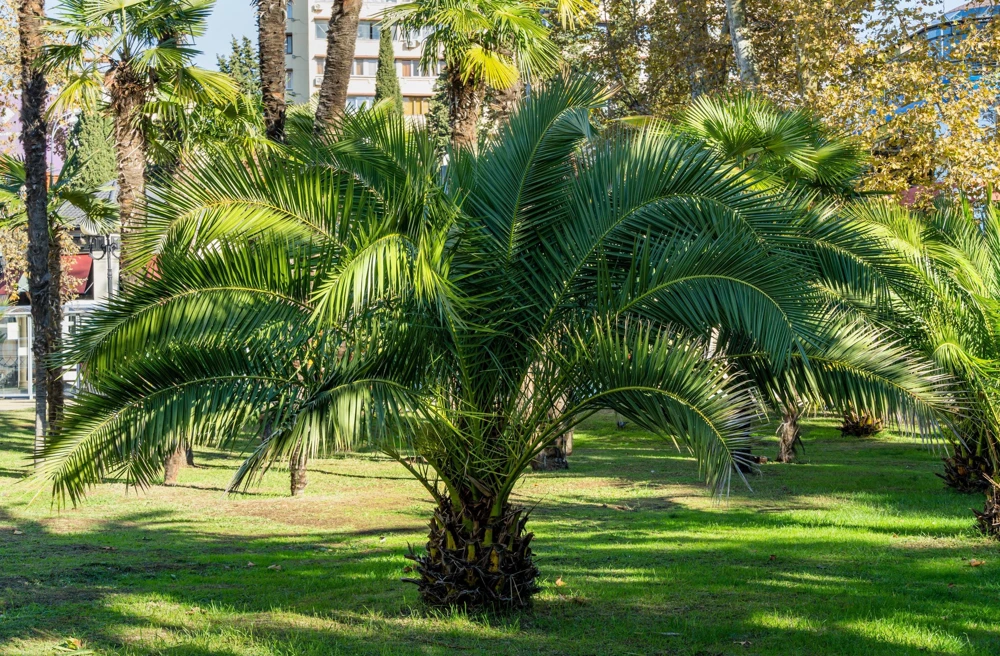
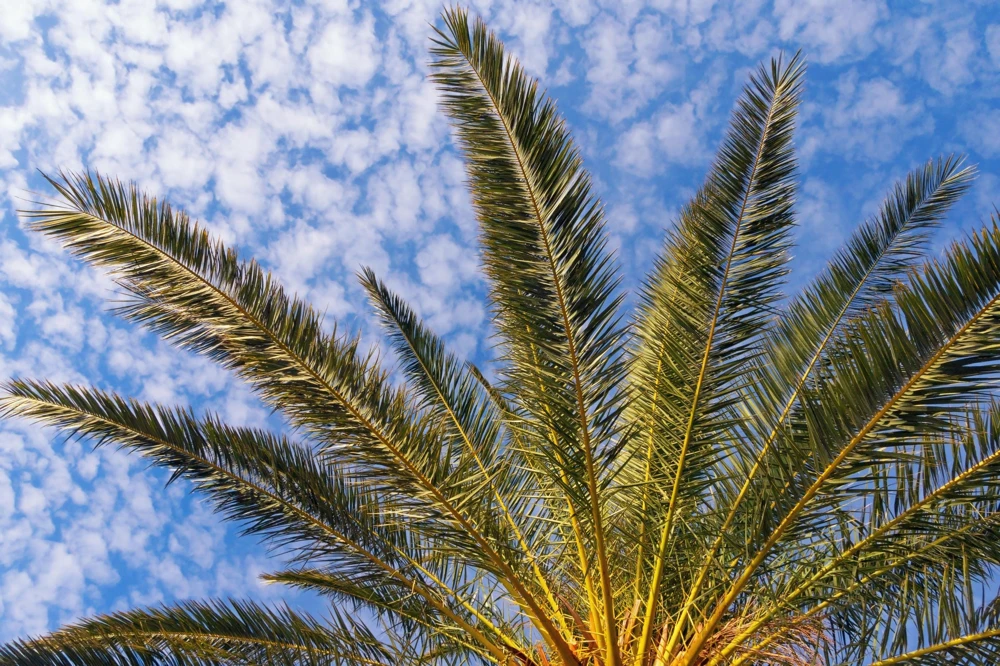
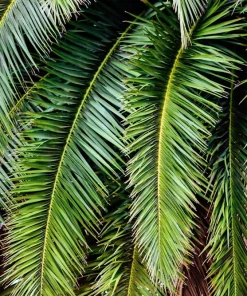
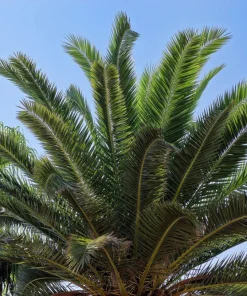
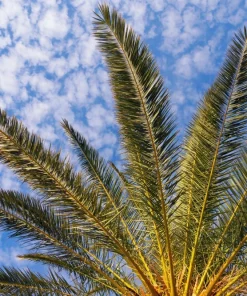
The Canary Island Date Palm is characterized by its robust, single trunk and large, pinnate fronds that can extend several feet. These date palm tree seeds will eventually produce trees that prefer full sun exposure and are well-suited for USDA hardiness zones 9-11, with protection recommended for zone 8 during colder periods. They are adaptable to average to dry soil conditions, favoring well-draining soil to prevent waterlogging. This ensures that the resulting Phoenix Canariensis trees are hardy and resilient once established. The quantity of 10 seeds provides a good opportunity to achieve successful germination and cultivation of multiple palms for your landscaping vision.
Frequently Asked Questions
- Q: How long does it take for canary island date palm seeds to germinate? A: Germination can be quite variable and slow, often taking anywhere from a few weeks to several months, sometimes even up to a year. Patience and consistent warmth are key for successful sprouting of these phoenix canariensis seeds.
- Q: How tall do Canary Island Date Palm trees get? A: Mature Canary Island Date Palm trees can reach impressive heights of up to 40 feet, with some specimens growing even taller under ideal conditions. They are known for their massive scale and majestic presence.
- Q: Is this an indoor or outdoor plant? A: While young seedlings can be started indoors, the Canary Island Date Palm is primarily an outdoor tree. It requires significant space and thrives in warm climates, ideally USDA Zones 9-11, making it unsuitable as a permanent indoor houseplant.
- Q: What are the light requirements for these date palm tree seeds? A: Once germinated and established, Canary Island Date Palms prefer full sun exposure. They need plenty of direct sunlight to grow vigorously and develop their characteristic robust form.
- Q: Is it difficult to grow date palm from seed? A: Growing date palm from seed requires patience and specific environmental conditions, particularly for germination. However, with proper care and attention to warmth and moisture, it is a rewarding project for gardeners.
- Q: When is the best time to plant pineapple palm seeds? A: If planting directly outdoors, it’s best to sow the seeds after all danger of frost has passed in late spring or early summer. For an earlier start, seeds can be germinated indoors several weeks before the last frost date.
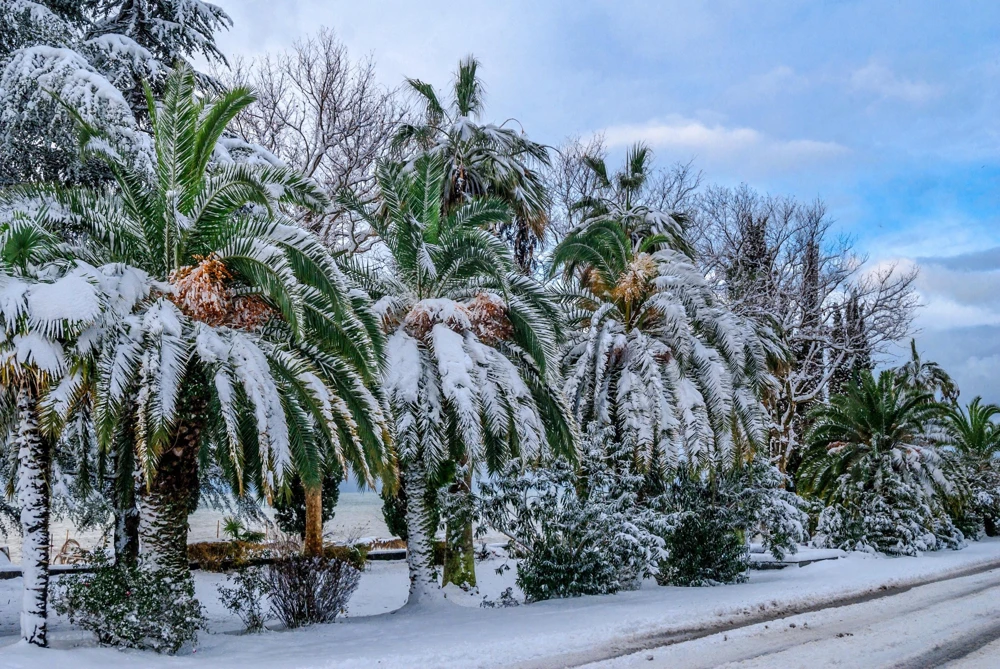
- Q: Will these palms survive winter in colder zones? A: Canary Island Date Palms are hardy in USDA Zones 9-11. In Zone 8, they may survive with significant winter protection, but they are not suitable for colder climates without extensive greenhouse cultivation or protection.
- Q: What kind of soil do these phoenix canariensis seeds prefer? A: These palms prefer well-draining soil. While adaptable to various soil types, good drainage is crucial to prevent root rot, especially for young seedlings. Average to dry soil conditions are favored once established.
- Q: How much water do mature Canary Island Date Palms need? A: Once established, mature Canary Island Date Palms are relatively drought-tolerant and prefer average to dry soil. Water deeply but infrequently, allowing the soil to dry out between waterings.
- Q: Can I expect fruit from these canary island date palm seeds? A: Yes, Canary Island Date Palms can produce small, yellow-orange dates when mature. However, they are primarily grown for their ornamental value rather than for fruit production, which may take many years to occur.
Be the first to review “10 Canary Island Date Palm Seeds – Phoenix Canariensis Tree Seeds for Planting”
People Also Viewed
Reviews
There are no reviews yet.