

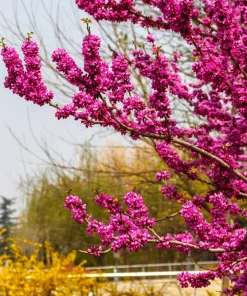
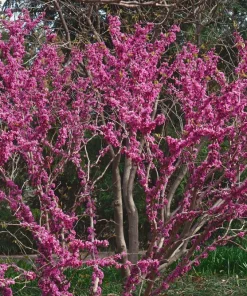
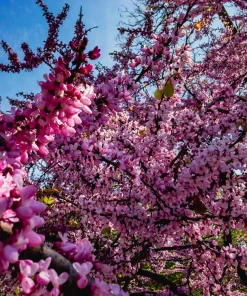
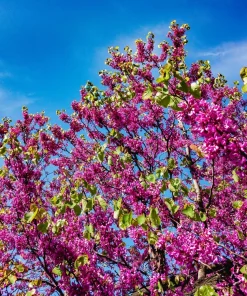
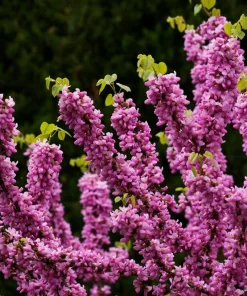
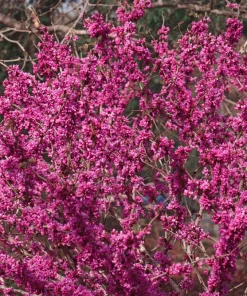
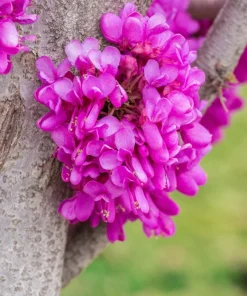
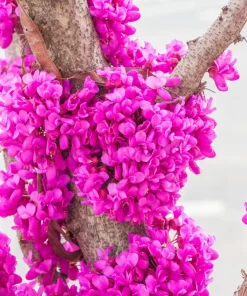
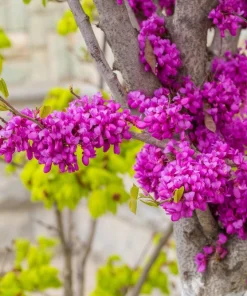
Chinese Redbud Seeds – 40 Count – Pink Purple Flowers – Shrub Small Tree
Original price was: $36.99.$16.99Current price is: $16.99.
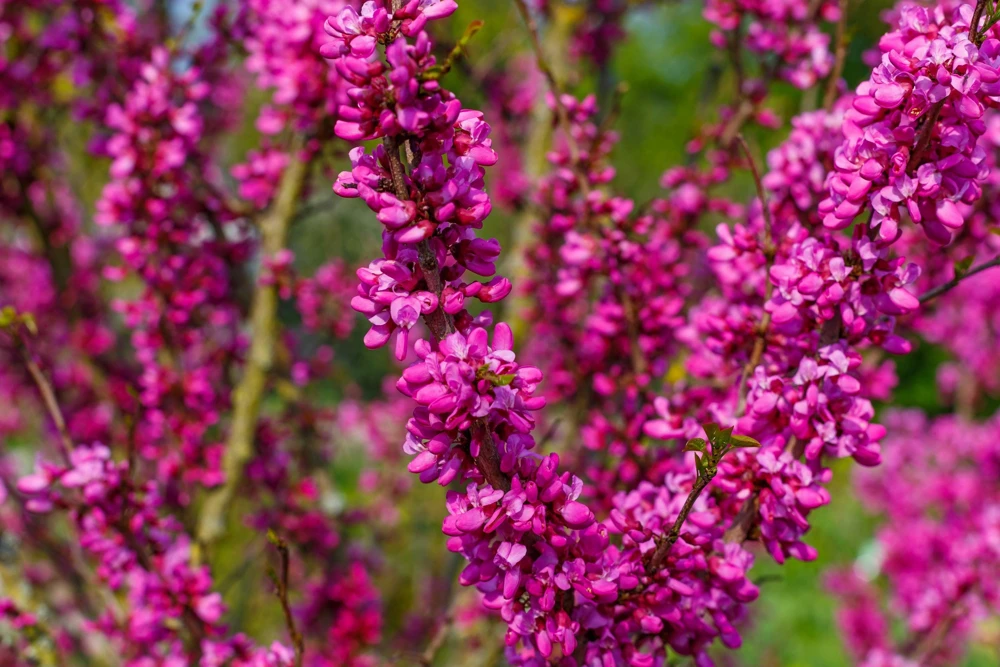
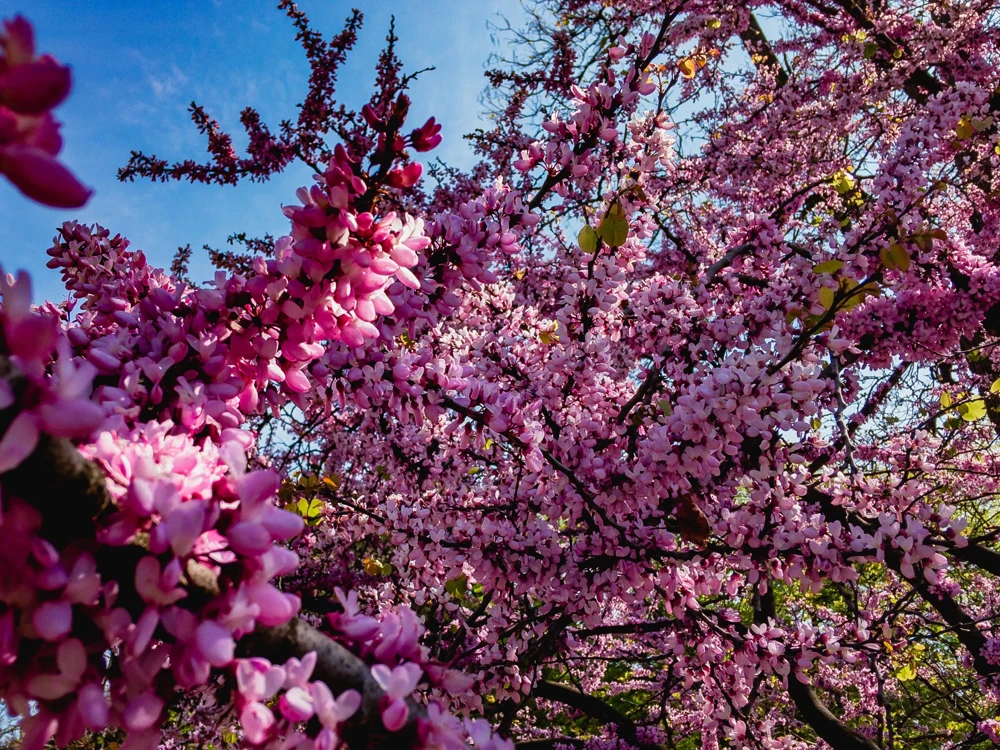
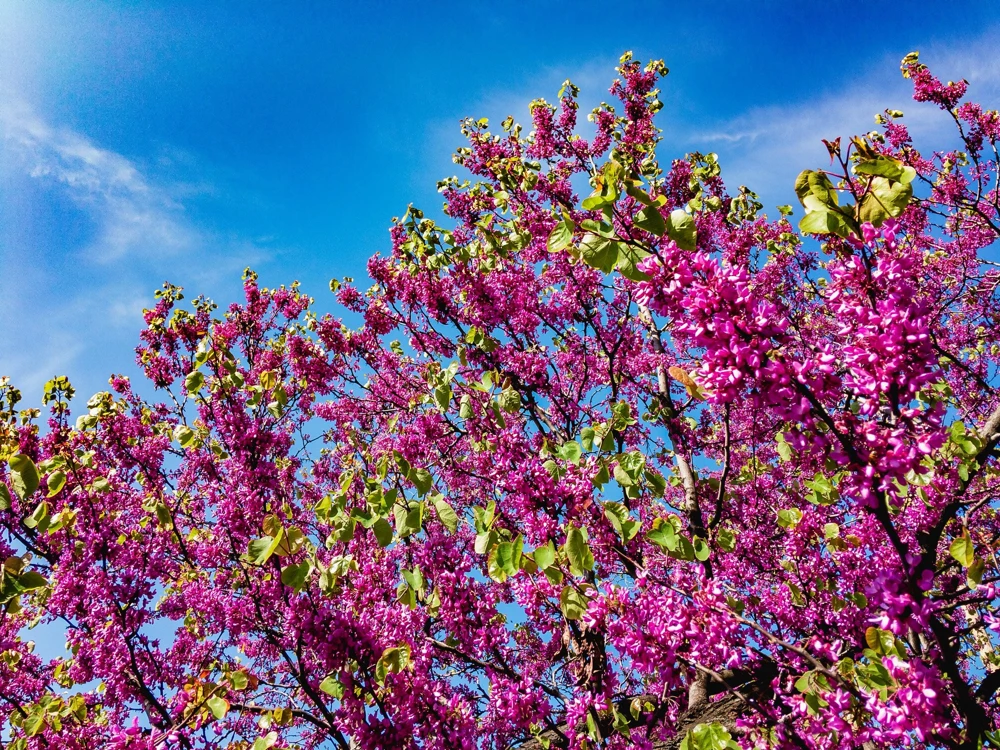
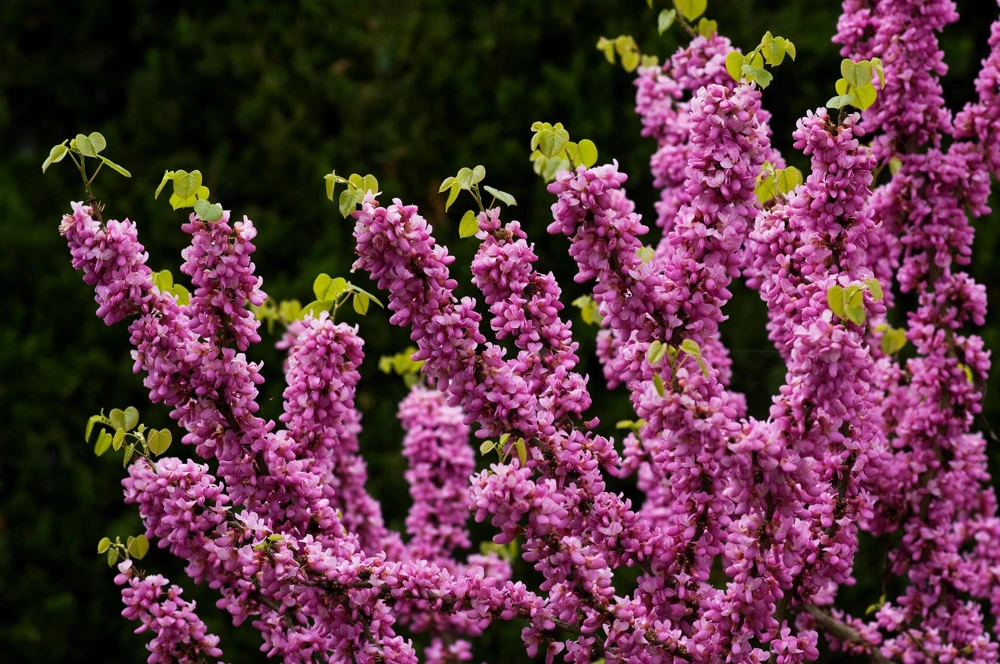
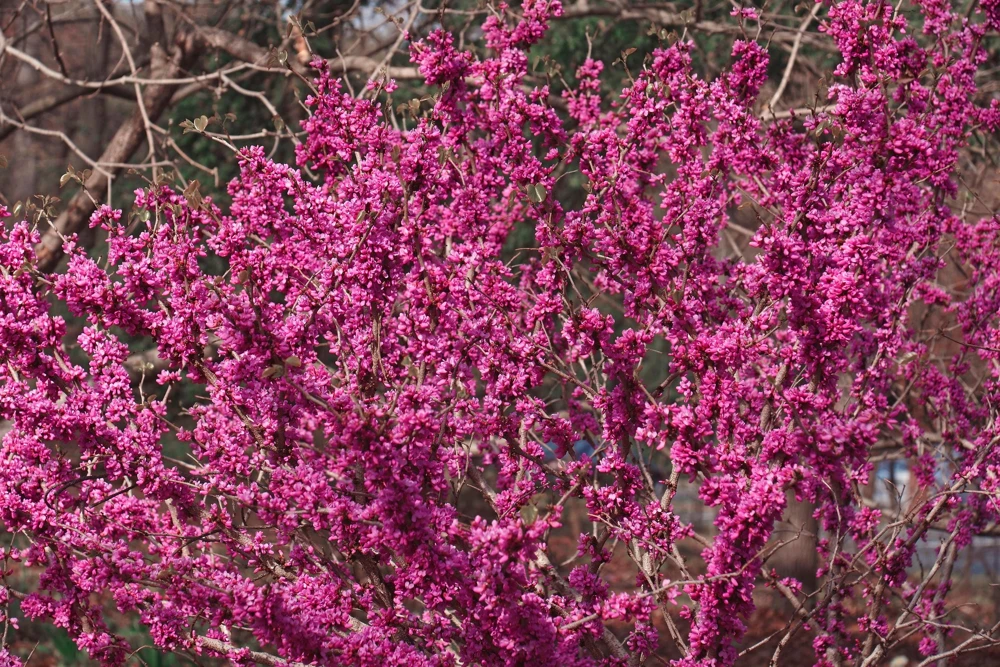
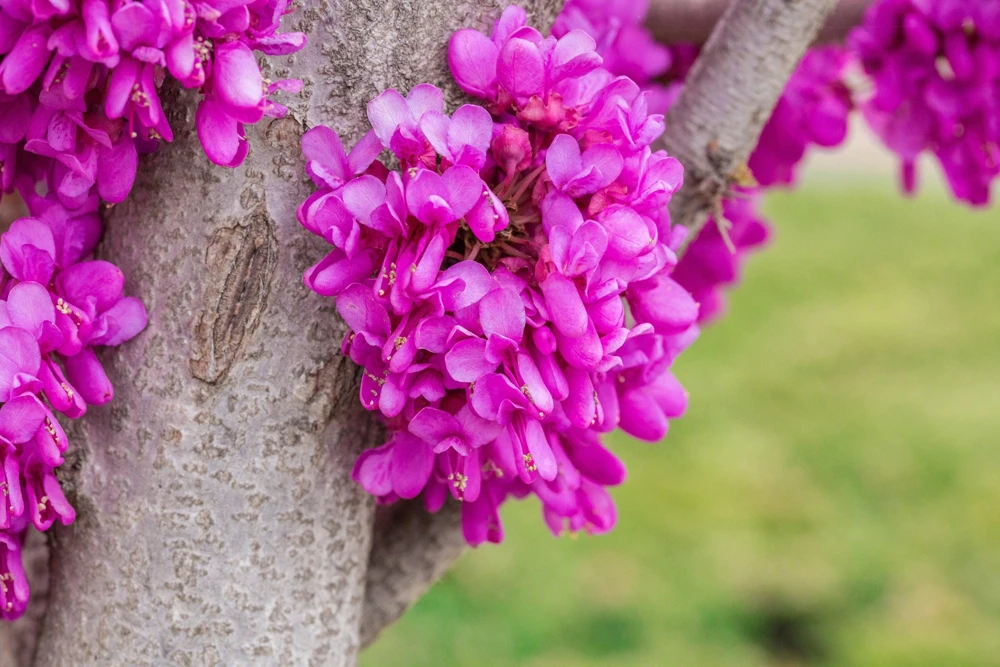
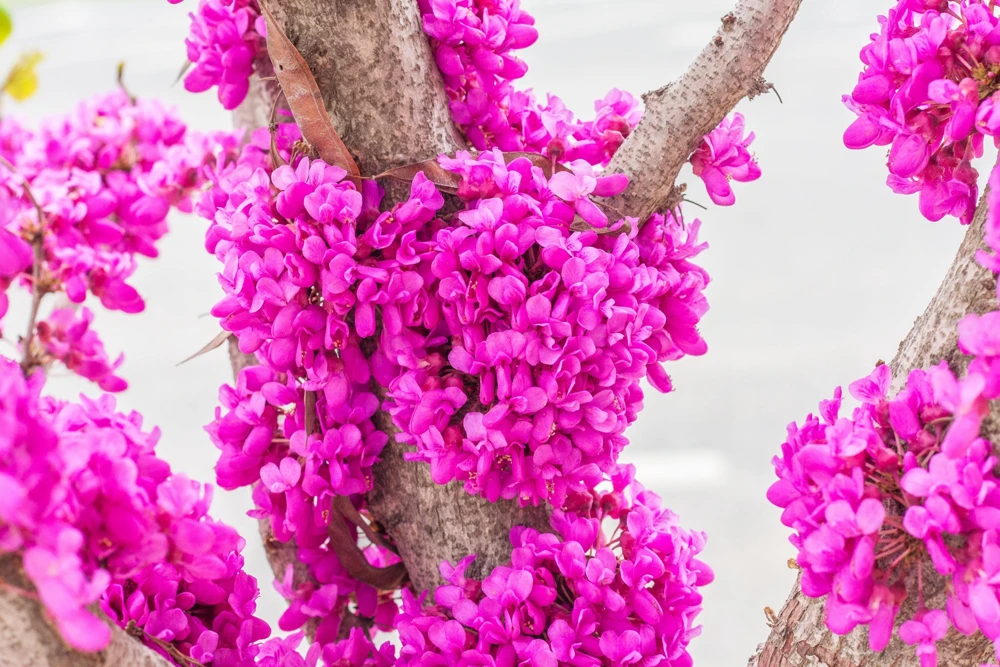
Cultivate stunning Chinese Redbud seeds (Cercis Chinensis) and watch your garden flourish with vibrant pink-purple blossoms. These Cercis Chinensis seeds produce a versatile shrub or small tree, perfect for adding ornamental beauty and seasonal color. Ideal for zones 6-10, these pink redbud tree seeds are a fantastic choice for both novice and experienced gardeners.
Estimated arrival
Sep 14
Sep 19 - Sep 21
Sep 24 - Sep 28
Shop With Confidence
30-Day Plant Health Guarantee
Arrives damaged? We’ll replace it free — see our return policy.
Responsive Support
Email us anytime, we reply within 1 business day.
Expert Packaging
Temperature-controlled shipping to protect your plants in transit.
Secure Checkout
Pay safely with Visa, Mastercard, PayPal.
Plant Specifications
-
USDA Hardiness Zone
6-10 -
Soil Type
Average, well-draining soil -
Sunlight Exposure
Full sun - Part shade -
Expected Planting Period
Outdoors after frost / Fall / Cold stratify / Indoors weeks before last frost
Overview
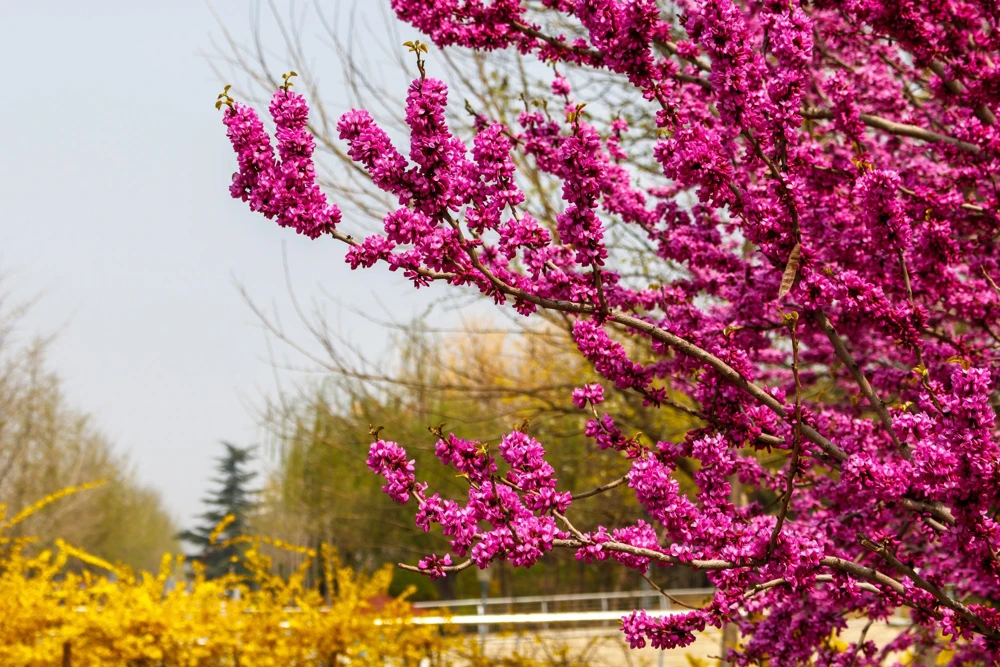
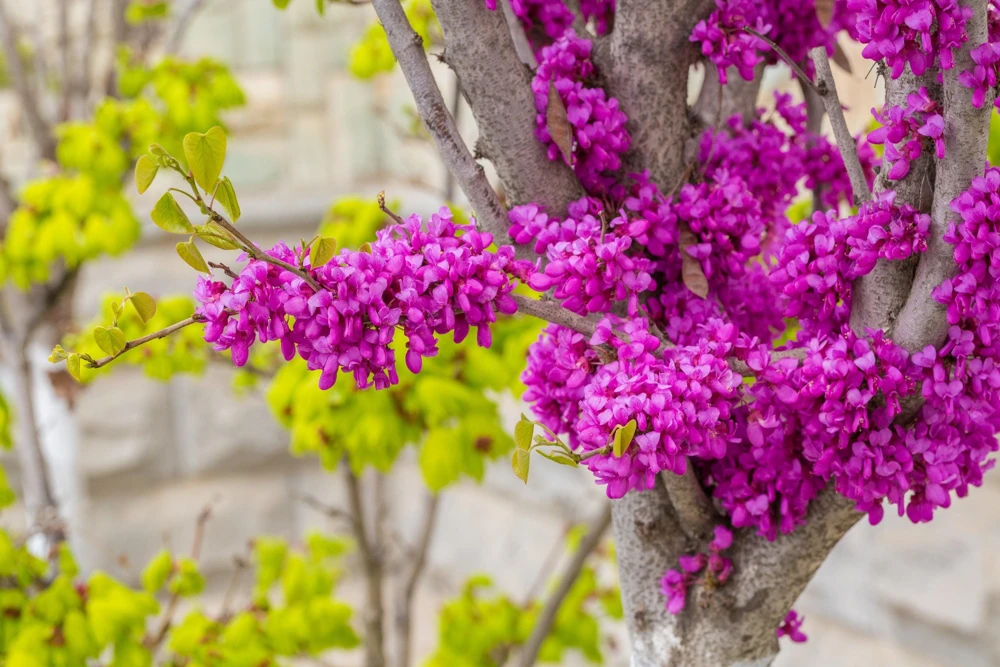
Embark on a rewarding gardening journey with our premium Chinese Redbud seeds. Each pack contains 40 high-quality seeds of the exquisite Cercis Chinensis, a species renowned for its breathtaking display of rosy purple flowers. The Chinese Redbud seeds offer an opportunity to grow a magnificent ornamental shrub or small tree that can become a focal point in any landscape. Known for its early spring bloom, often before its heart-shaped leaves fully emerge, this plant provides a spectacular burst of color when most other plants are still dormant. Whether you’re looking to create a vibrant spring garden or establish a beautiful specimen tree, these seeds are your starting point for cultivating a truly special plant.
The Cercis Chinensis, commonly known as the Chinese Redbud tree, is celebrated for its compact size, making it suitable for a variety of garden settings, from small urban spaces to larger garden designs. Its adaptability to different light conditions and soil types further enhances its appeal to gardeners of all skill levels. By choosing these Cercis Chinensis seeds, you are investing in a plant that will bring years of beauty and elegance to your outdoor environment.
Key Benefits
Growing a Chinese Redbud tree from seed offers numerous advantages, transforming your outdoor space into a spring paradise with minimal effort. These benefits make the Chinese Redbud seeds an excellent choice for any gardener:
-
Spectacular Spring Display: Witness an explosion of rosy pink-purple flowers in early spring, creating a stunning visual impact before most other plants even begin to leaf out. This early bloom provides crucial nectar for early pollinators.
-
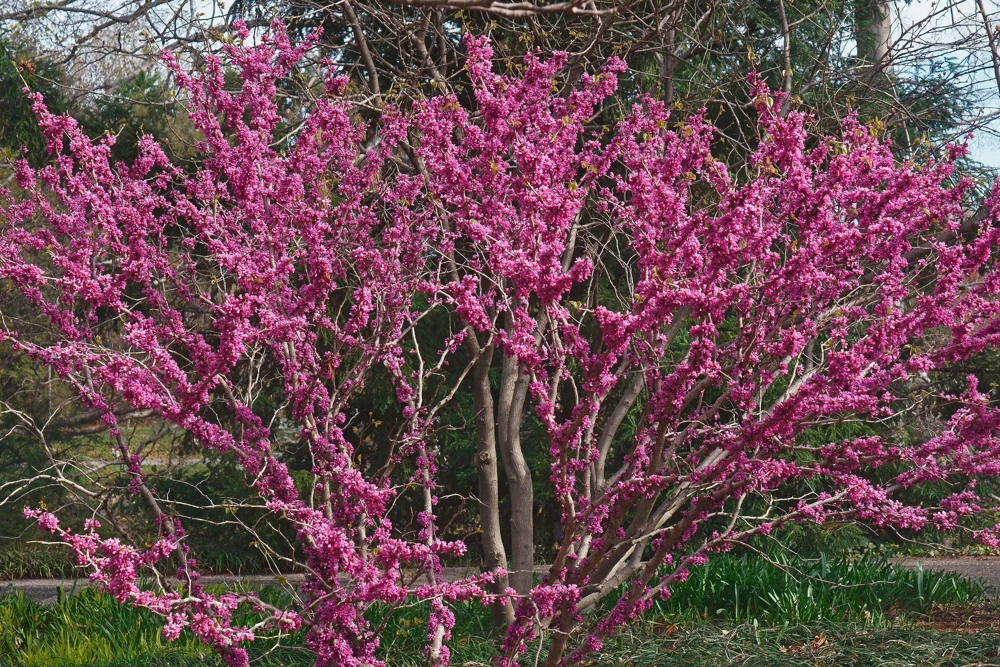
Versatile Landscape Use: The pink redbud tree can be grown as a multi-stemmed shrub or a small, elegant tree, fitting perfectly into various garden designs, including borders, foundation plantings, or as a standalone specimen.
-
Moderate Size for Many Gardens: With a typical height of 8-15 feet, and potentially up to 50 feet in ideal conditions, the purple flowering shrub is well-suited for gardens of all sizes, providing significant visual interest without overwhelming the space.
-
Hardy & Adaptable: These Chinese Redbud seeds thrive in USDA Hardiness Zones 6-10, demonstrating good resilience to various climates and requiring only average soil and water preferences once established.
-
Attractive Foliage: Beyond its flowers, the Chinese Redbud features attractive heart-shaped leaves that turn a lovely yellow in the fall, extending its season of interest.
-
Easy to Grow from Seed: With proper cold stratification, these redbud tree growing seeds are relatively straightforward to germinate, offering a cost-effective way to add multiple plants to your landscape.
-
Low Maintenance: Once established, the Chinese Redbud requires minimal care, making it an ideal choice for busy gardeners seeking high reward with low effort.
Plant Care & Growing Tips
Successfully growing a Chinese Redbud tree from seed requires attention to a few key details, ensuring your Cercis Chinensis seeds germinate and flourish into healthy plants. For optimal germination, these seeds benefit from a process called cold stratification. This mimics natural winter conditions and breaks seed dormancy. You can achieve this by placing the seeds in a moist medium (like sand or peat moss) in a sealed bag and refrigerating them for 60-90 days before planting. Alternatively, you can plant them outdoors in the fall, allowing nature to handle the stratification process over winter.
Once germinated, whether indoors or out, provide your young pink redbud tree seedlings with adequate light. They thrive in locations ranging from full sun to partial shade, meaning they need at least 4-6 hours of direct sunlight per day. Well-draining soil is crucial; while the plant tolerates average soil, it dislikes consistently wet feet. Amend heavy clay soils with organic matter to improve drainage. Water regularly during the first growing season to help establish a strong root system, then reduce frequency as the tree matures, as it becomes more drought-tolerant. Fertilization is generally not heavily required; a balanced, slow-release fertilizer in early spring can support vigorous growth but is often unnecessary in fertile soils. Protect young plants from extreme winter conditions in the lower end of their hardiness range (zones 6-7) with mulch around the base.
Regarding pest and disease management for your purple flowering shrub, Chinese Redbuds are generally robust. However, keep an eye out for common issues like canker or verticillium wilt, which are often associated with stress from poor drainage or improper pruning. Prune your redbud tree growing specimen in late spring after flowering to shape it and remove any dead or diseased branches, promoting healthy growth and a strong structure.
Size & Details
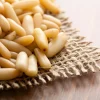
This package contains 40 Chinese Redbud seeds, botanically known as Cercis Chinensis. These seeds are ready for planting to grow into a beautiful ornamental tree or shrub. The mature plant typically reaches a height of 8 to 15 feet, with some specimens potentially growing up to 50 feet under ideal conditions and ample space. The spread is generally similar to its height, creating a rounded to vase-shaped canopy. When planting, allow for a spacing of 10 to 12 feet between individual plants to ensure adequate room for growth and air circulation. These plants are suitable for USDA Hardiness Zones 6 through 10, indicating their resilience in a wide range of climates across the United States.
The Chinese Redbud tree blooms profusely in March to April, showcasing its vibrant rosy purple flowers. It prefers a light environment ranging from full sun to part shade, which means it requires at least 4-6 hours of direct sunlight daily for best flowering. The seeds will arrive ready for cold stratification and planting, providing a cost-effective method to introduce this stunning plant into your landscape. Expect a moderate growth rate, with noticeable development within the first few years after germination, leading to flowering within 3-5 years.
Frequently Asked Questions
-
Q: How big does this plant get? A: The Chinese Redbud tree typically grows to a height of 8 to 15 feet, with a similar spread. Under optimal conditions, it can reach up to 50 feet, making it a versatile choice for various garden sizes.
-
Q: Is this an indoor or outdoor plant? A: The Chinese Redbud tree is primarily an outdoor plant, thriving in garden settings where it can receive adequate sunlight and space to grow. It is not generally suited for long-term indoor cultivation.
-
Q: How much sunlight does it need? A: This plant prefers full sun to partial shade, meaning it requires at least 4-6 hours of direct sunlight daily. More sun generally leads to more prolific flowering of the pink redbud tree.
-
Q: Is this plant easy to care for? A: Yes, once established, the purple flowering shrub is considered relatively low-maintenance. It tolerates average soil and water conditions and is quite hardy within its recommended zones.
-
Q: What condition will the seeds arrive in? A: The Chinese Redbud seeds will arrive as dormant seeds, ready for you to begin the cold stratification process before planting. They are carefully packaged to ensure viability.
-
Q: When is the best time to plant these seeds? A: The best time to plant Cercis Chinensis seeds is in the fall directly outdoors for natural cold stratification, or indoors after a period of artificial cold stratification (60-90 days in a refrigerator) a few weeks before your last frost date.
-
Q: How long until the redbud blooms? A: After planting, a redbud tree growing from seed typically takes 3 to 5 years to reach maturity and begin flowering. The first blooms are a truly rewarding sight.
-
Q: Will it survive winter in my zone? A: The Chinese Redbud is hardy in USDA Zones 6 through 10. If you are within these zones, it should survive winter without special protection once established, especially if you’re engaging in redbud tree growing in a suitable climate.
-
Q: What type of soil does it prefer? A: It prefers average, well-draining soil. While adaptable, it’s essential to avoid heavy, waterlogged soils to prevent root issues. Amending with organic matter can improve drainage.
-
Q: Are these seeds suitable for creating a purple flowering shrub hedge? A: Yes, due to its versatile growth habit, the purple flowering shrub can be pruned and managed to form an attractive hedge or screen, particularly when planted with adequate spacing.
Be the first to review “Chinese Redbud Seeds – 40 Count – Pink Purple Flowers – Shrub Small Tree”
People Also Viewed

Reviews
There are no reviews yet.