
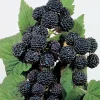
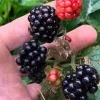
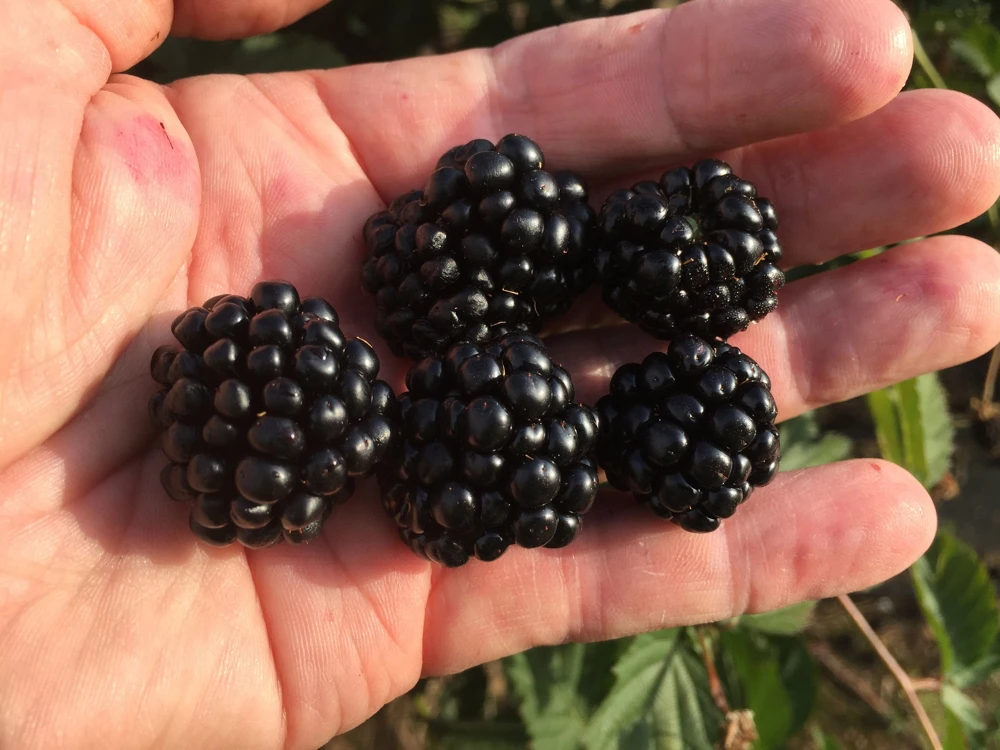
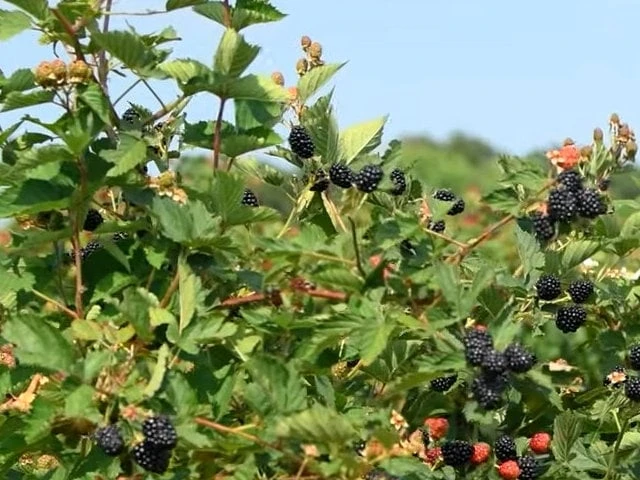
Ponca Thornless Blackberry Live Plant – Rooted Starter – Zones 5-9
Original price was: $58.99.$43.99Current price is: $43.99.
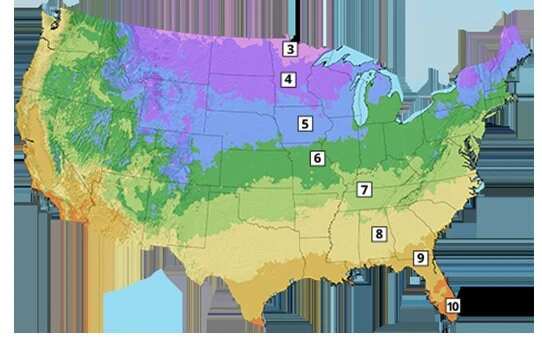
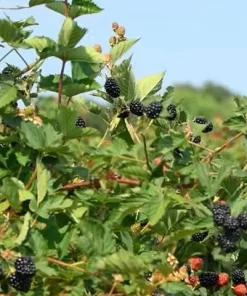
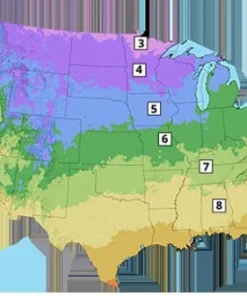
Cultivate your own sweet berries with this ponca thornless blackberry plant. A live, rooted starter plant, it’s known for its high yield, early ripening, and self-pollinating nature. Ideal for gardens in USDA zones 5-9, this variety produces delicious fruit for eating, cooking, and freezing.
Estimated arrival
Sep 17
Sep 22 - Sep 24
Sep 27 - Oct 01
Shop With Confidence
30-Day Plant Health Guarantee
Arrives damaged? We’ll replace it free — see our return policy.
Responsive Support
Email us anytime, we reply within 1 business day.
Expert Packaging
Temperature-controlled shipping to protect your plants in transit.
Secure Checkout
Pay safely with Visa, Mastercard, PayPal.
Plant Specifications
-
USDA Hardiness Zone
5-9 -
Soil Type
Well-draining, slightly acidic loam -
Sunlight Exposure
Full sun -
Expected Planting Period
Early spring
Overview
Introducing the ponca thornless blackberry plant, a highly sought-after variety known for its exceptional sweetness, flavor, and ease of cultivation. This live, rooted starter plant offers a fantastic opportunity for home gardeners to grow their own abundant supply of delicious blackberries. The Ponca variety, scientifically known as Rubus, is celebrated for its thornless canes, making harvesting a joy rather than a chore. It is an upright-growing bush that can reach 6-8 feet tall, providing a significant yield of fruit. Ideal for a wide range of climates, this plant thrives in USDA zones 5-9, making it a versatile choice for many gardeners across the US.
The ponca thornless blackberry plant is a self-pollinating variety, meaning you only need one plant to produce fruit, though planting multiple can increase yields. Its universal appeal extends to various uses, from fresh eating to cooking, making juice, freezing, and canning. Gardeners appreciate its early ripening season and the unique ability to produce a secondary bud crop, ensuring a prolonged harvest even if primary blooms are affected by frost. Its medium-sized berries maintain firmness and sweetness, even in rainy conditions, promising a consistently high-quality yield.
Key Benefits
The ponca thornless blackberry plant offers numerous advantages for both novice and experienced gardeners, delivering a rewarding growing experience and a bountiful harvest. Here are some of the key benefits:
- Thornless Canes for Easy Harvesting: Unlike many blackberry varieties, the Ponca is completely thornless, which significantly simplifies the harvesting process and makes gardening more enjoyable. This feature is a major advantage for families with children or anyone who prefers a hassle-free gardening experience.
- Exceptional Sweetness and Flavor: Renowned as one of the sweetest and most flavorful blackberry varieties available, the Ponca berry is perfect for fresh eating, desserts, jams, and more. Its rich, delicious taste is consistently praised by growers.
- High Yielding and Long Fruiting Season: This variety is incredibly productive, offering a very high yield of berries. It also boasts a long fruiting season, extended by its ability to produce a secondary bud crop, ensuring you have fresh berries for an extended period. This makes growing ponca blackberry a truly rewarding endeavor.
- Self-Pollinating and Adaptable: The Ponca is a self-pollinating plant, eliminating the need for multiple plants to ensure fruit production. It’s also adaptable to various soil types and conditions, thriving across a broad range of USDA zones (5-9), making it accessible to many gardeners.
- Resilient and Reliable Production: The plant produces a good crop of secondary buds, which provides a safeguard against early frosts affecting the primary blooms. This resilience ensures a consistent harvest, even in less predictable weather conditions, making it a reliable choice for a high-yielding blackberry.
- Versatile Culinary Uses: Beyond fresh eating, Ponca blackberries are excellent for cooking, baking, making juices, freezing, and canning. Their firm texture and consistent sweetness make them ideal for preserving the summer’s bounty.
- Upright Growth Habit: The upright growth of the bush (6-8 feet tall) makes it easier to manage and prune, contributing to a neater garden space and more efficient use of vertical area.
Plant Care & Growing Tips
Caring for your ponca thornless blackberry plant is straightforward, and with proper attention, you’ll enjoy abundant harvests. These plants prefer a location with full sun, meaning at least 6-8 hours of direct sunlight per day for optimal fruit production. While they can tolerate some partial shade, full sun will result in sweeter and more numerous berries. When selecting a site, ensure good air circulation to prevent fungal diseases. The ideal soil type is well-draining, slightly acidic (pH 6.0-6.5) loam, rich in organic matter. If your soil is heavy clay, amend it with compost or other organic materials to improve drainage and fertility.
Consistent watering is crucial, especially during dry spells and when the plant is fruiting. Aim for about 1 inch of water per week, either from rain or irrigation. The soil should be kept consistently moist but not waterlogged. Overwatering can lead to root rot. Fertilize in early spring with a balanced slow-release fertilizer or one formulated for berries. Avoid excessive nitrogen, which can promote lush foliage at the expense of fruit production. Pruning is essential for health and yield; Ponca blackberries fruit on second-year canes (floricanes). After harvest, prune back the canes that have fruited to the ground. In late winter or early spring, thin out weaker canes and remove any dead or diseased wood. This practice encourages new growth and maximizes fruit production for your rubus ponca live plant.
The ponca thornless blackberry plant is hardy in USDA zones 5-9. In colder zones, consider applying a layer of mulch around the base of the plant in late fall to provide insulation and protect the roots from extreme cold. This mulch will also help retain soil moisture and suppress weeds throughout the growing season. While generally robust, keep an eye out for common blackberry pests like Japanese beetles or diseases such as anthracnose. Good cultural practices, including proper spacing, air circulation, and sanitation, are your best defense. This detailed care will ensure your thornless blackberry care routine is effective and leads to a thriving plant.
Size & Details
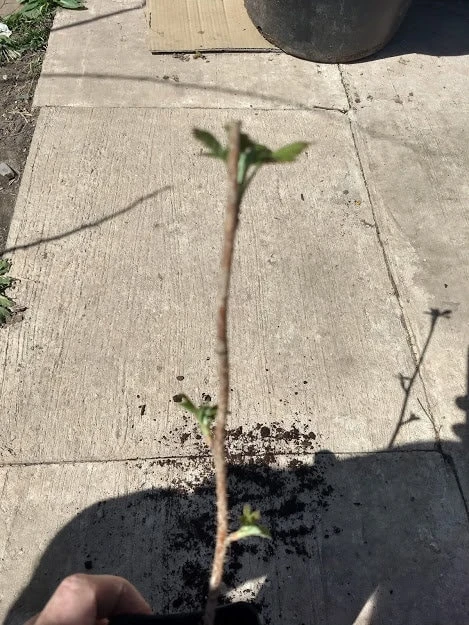
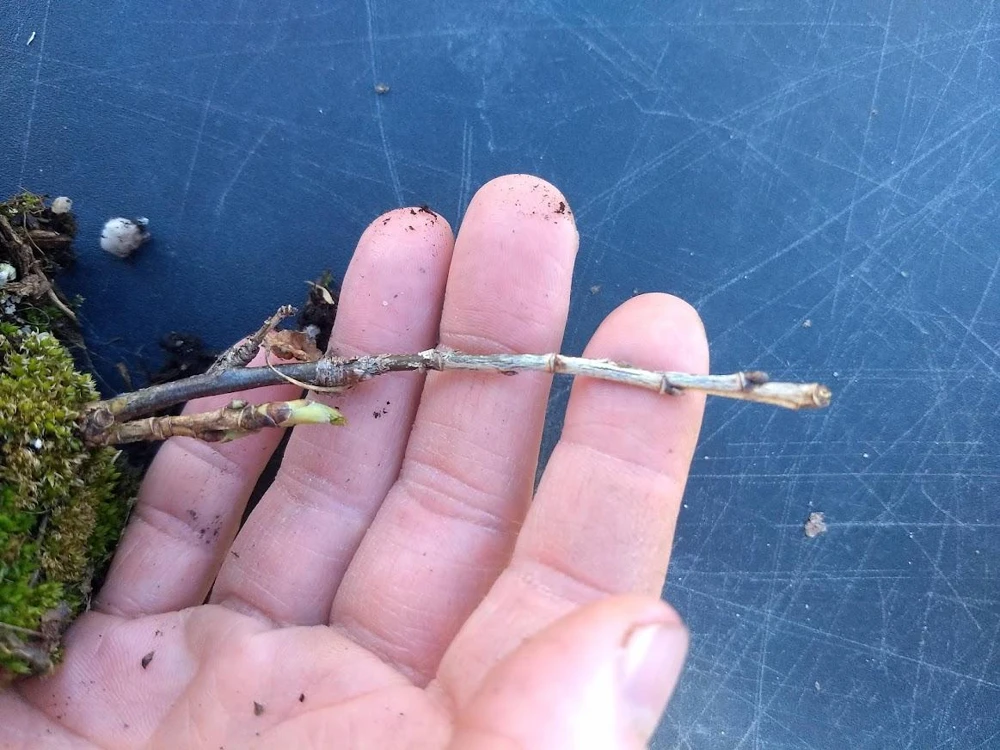
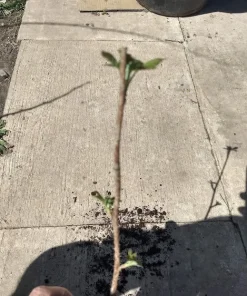
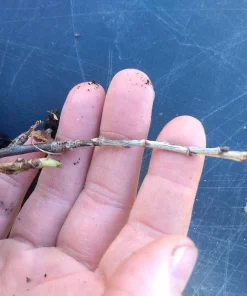
You will receive one live, rooted starter plant of the ponca thornless blackberry plant. These plants are carefully cultivated to ensure a strong root system, ready for transplanting into your garden. While the initial size may vary, these plants grow rapidly once established. The mature bush will typically reach a height of 6-8 feet, with an upright growth habit, making it suitable for various garden layouts. Ponca blackberries are known for their early ripening season, with berries typically starting to appear earlier than many other varieties. They also have the unique advantage of producing a secondary bud crop, which ensures a prolonged fruiting period, often extending 14-20 days after the initial harvest. This characteristic makes it an incredibly productive and reliable choice for a high-yielding blackberry.
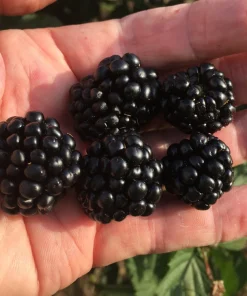
The berries produced by the Ponca variety are medium-sized, comparable to the Ouachita variety, and are praised for their excellent firmness and sweetness. They maintain their quality even during rainy conditions, which is a significant benefit for gardeners. The plant is shipped carefully to protect its integrity, often taken out of its growing pot to minimize shipping stress. With proper care, you can expect your plant to begin fruiting next year, providing you with a delicious and abundant harvest for many seasons to come. This starter plant offers a robust foundation for establishing a productive blackberry patch in your home garden.
Frequently Asked Questions
- Q: How big does this ponca thornless blackberry plant get? A: A mature Ponca blackberry bush will typically reach a height of 6-8 feet. It has an upright growth habit, making it relatively easy to manage in your garden space.
- Q: Is this an indoor or outdoor plant? A: The ponca thornless blackberry plant is an outdoor plant, best suited for garden cultivation. It requires full sun exposure to produce the best fruit and thrives in USDA zones 5-9.
- Q: How much sunlight does it need? A: For optimal growth and fruit production, this plant needs at least 6-8 hours of direct sunlight per day. Choose a sunny location in your garden.
- Q: Is this plant easy to care for? Is it good for beginners? A: Yes, the ponca thornless blackberry plant is generally considered easy to care for, especially due to its thornless canes and self-pollinating nature. It’s a great choice for beginners looking to grow their own berries.
- Q: What condition will it arrive in? A: You will receive one live, rooted starter plant. It is carefully packaged to ensure its protection during transit, often removed from its pot for shipping to reduce stress.
- Q: How long until it blooms and fruits? A: With proper care, your ponca thornless blackberry plant should begin to fruit the year after planting. It’s known for its early ripening season and long fruiting period.
- Q: When is the best time to plant? A: The best time to plant your ponca thornless blackberry plant is typically in early spring after the last frost, allowing it ample time to establish before the growing season.
- Q: Will it survive winter in my zone? A: This plant is hardy in USDA zones 5-9. If you are in zone 5 or a colder part of zone 6, consider providing winter protection with mulch to safeguard the roots from severe cold.
- Q: Is this blackberry variety self-pollinating? A: Yes, the Ponca blackberry is a self-pollinating variety, meaning you only need one plant to produce fruit. However, planting more than one can often lead to even higher yields.
- Q: Can I use the berries for freezing and canning? A: Absolutely! Ponca blackberries are excellent for fresh eating, and their firmness and sweetness make them ideal for various preservation methods, including freezing, canning, and making jams or juices. It’s a truly high-yielding blackberry.
Be the first to review “Ponca Thornless Blackberry Live Plant – Rooted Starter – Zones 5-9”
People Also Viewed
Vegetable Seeds
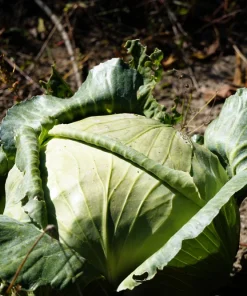
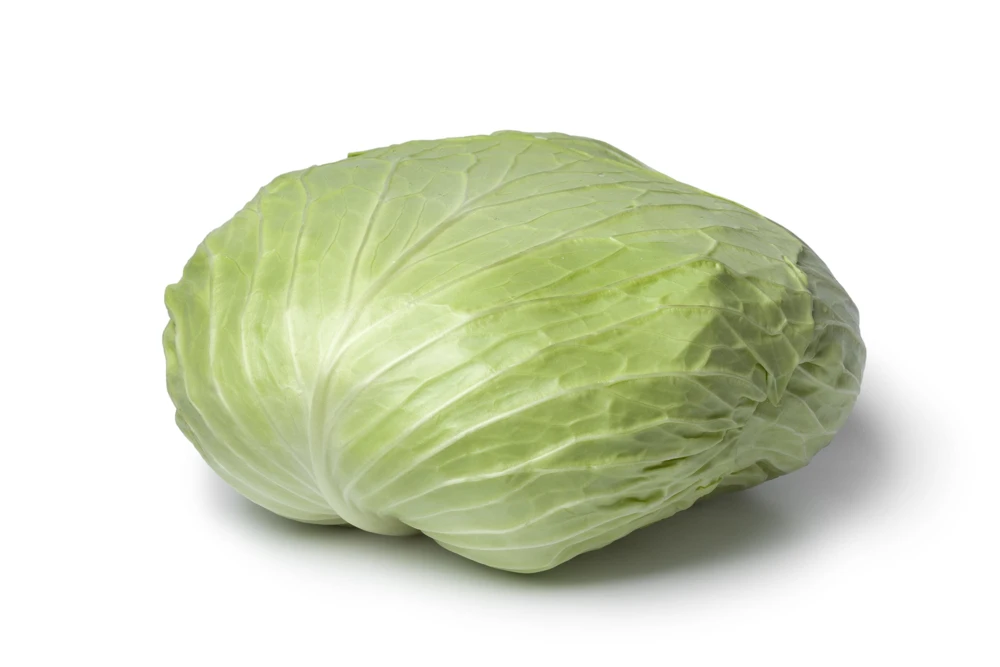
500 Flat Dutch Late Cabbage Vegetable Seeds – Brassica Oleracea
Flower Seeds
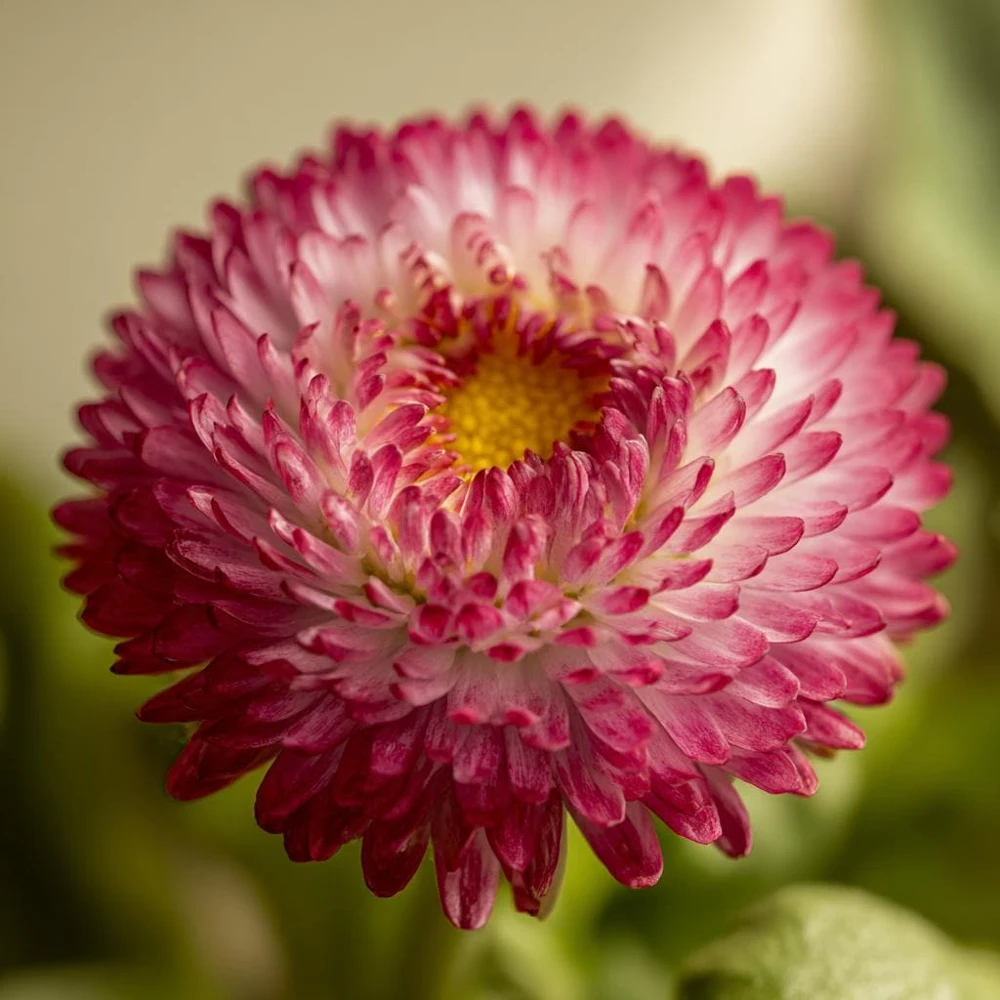
Habanera Mixed Bellis Daisy Seeds – 10 Count, Double Pompon Blooms, Mixed Colors, Outdoor
Reviews
There are no reviews yet.