
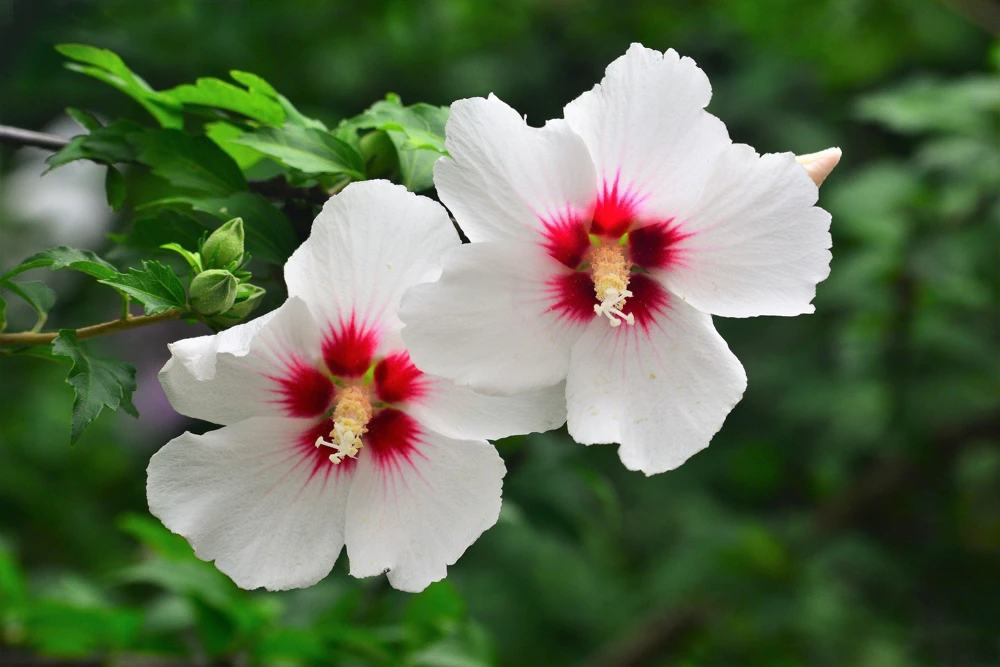
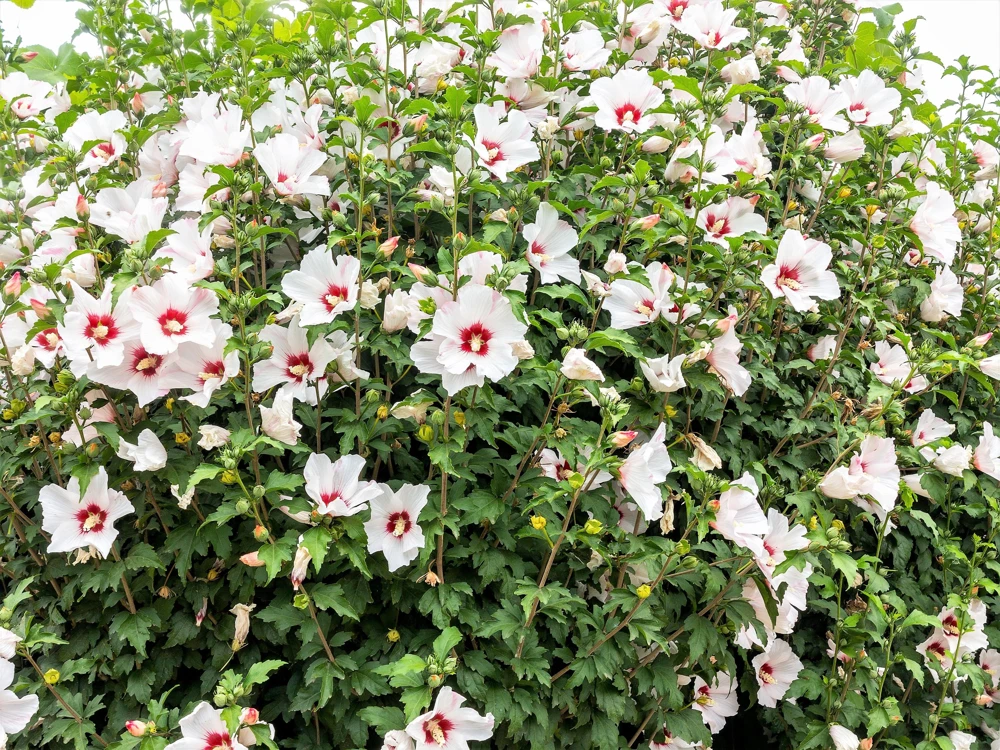
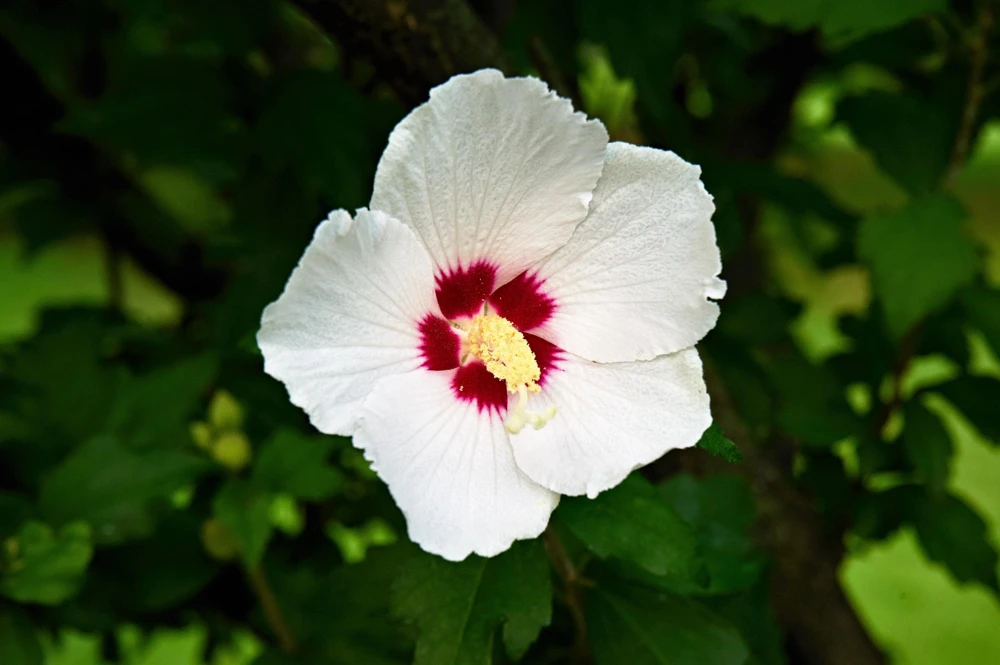
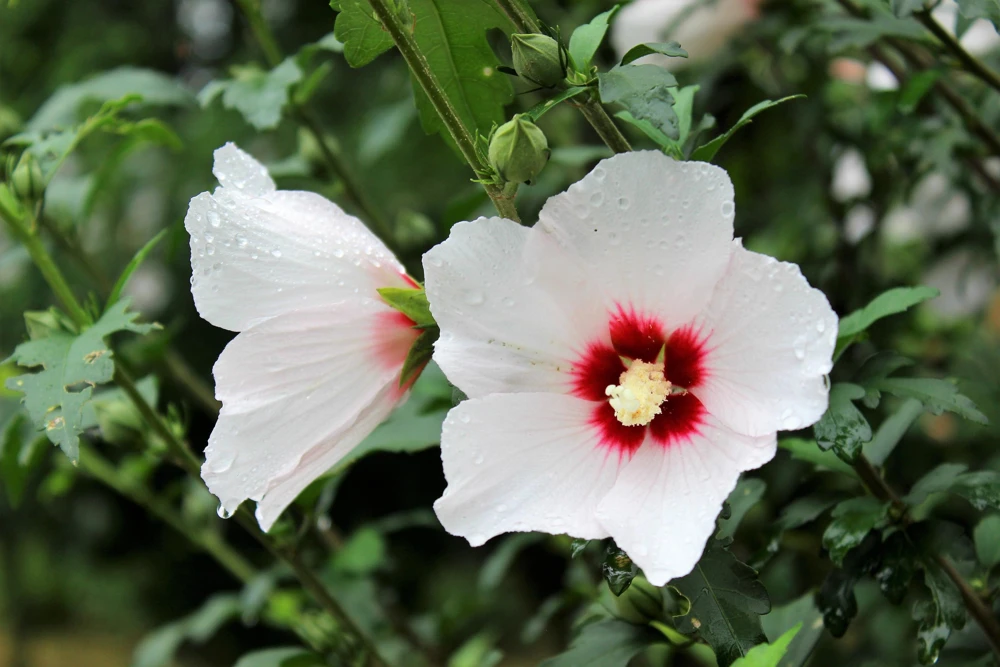
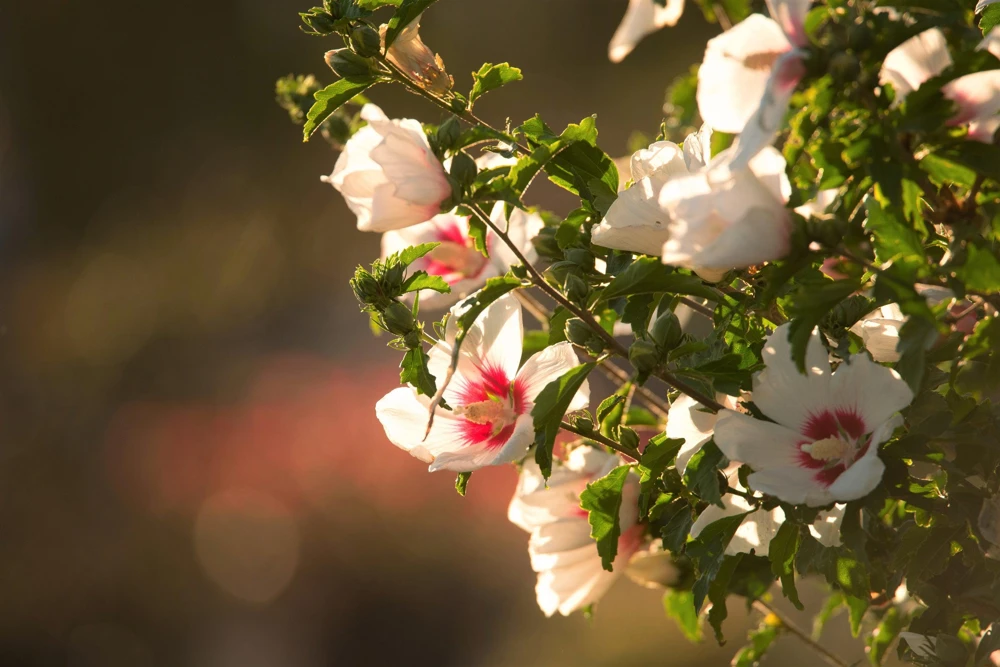
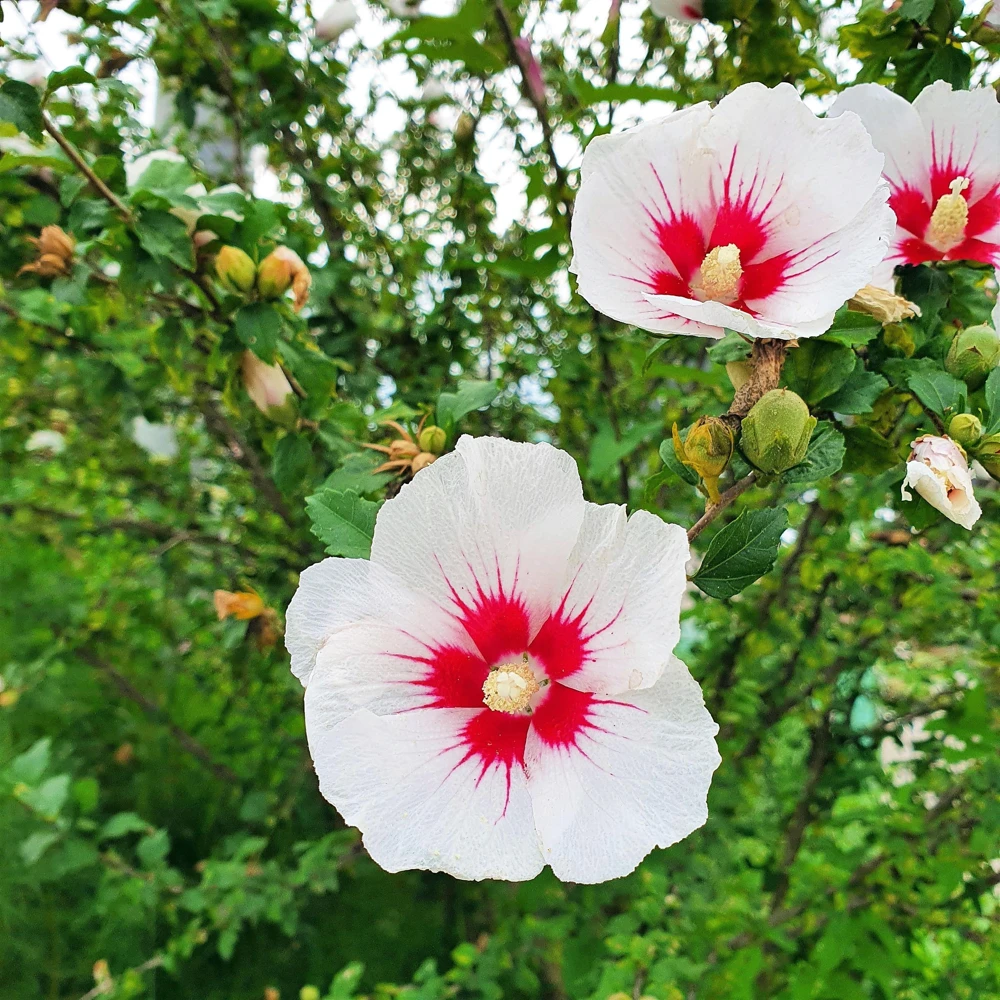
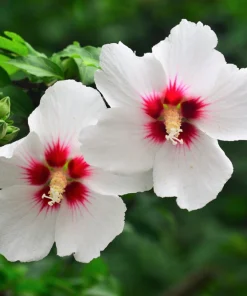
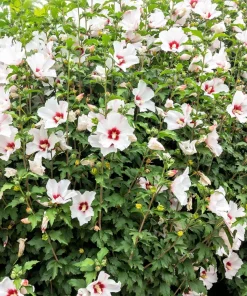
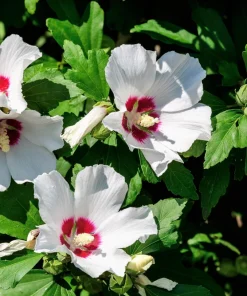
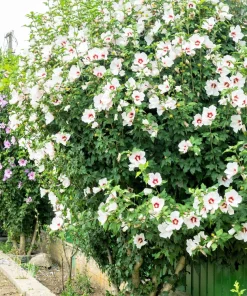
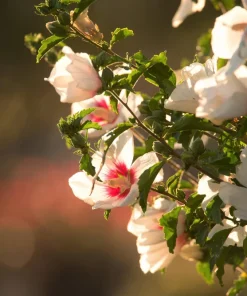
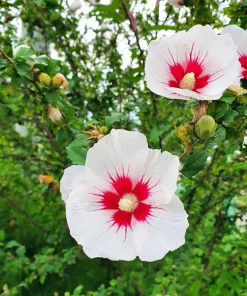
Rose of Sharon Hibiscus Seeds – White & Hot Pink, 25 Seeds
Original price was: $36.99.$16.99Current price is: $16.99.
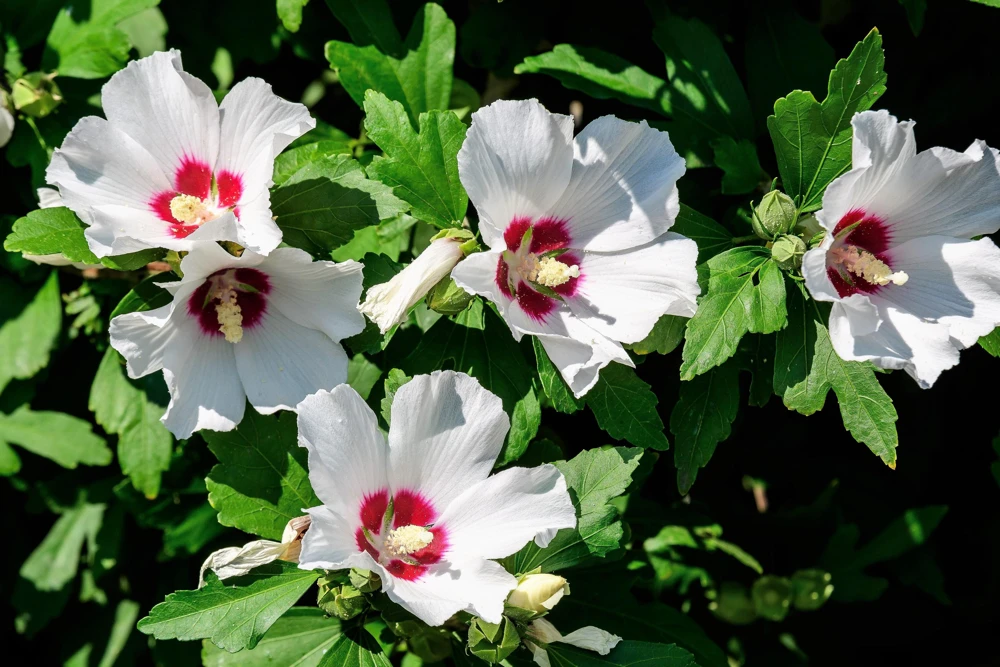
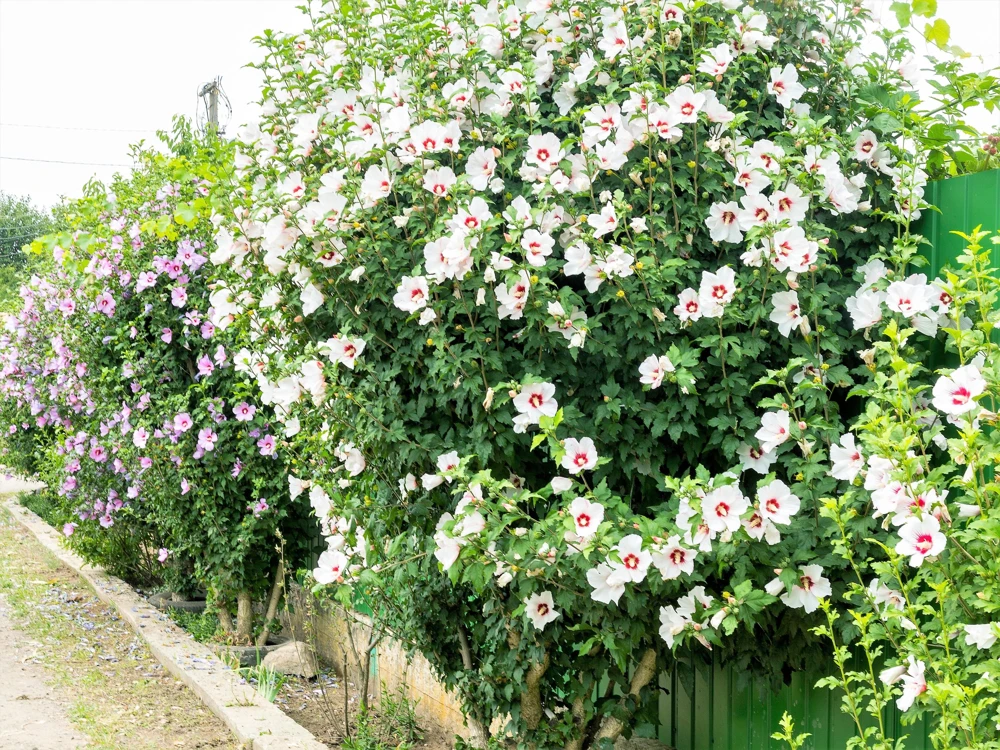
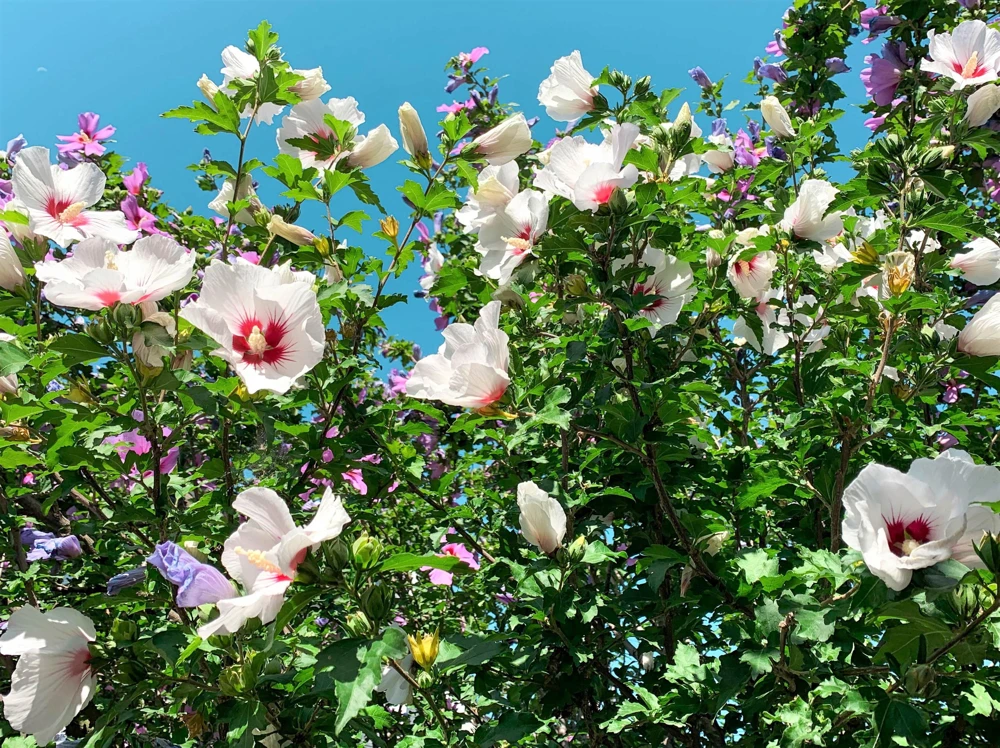
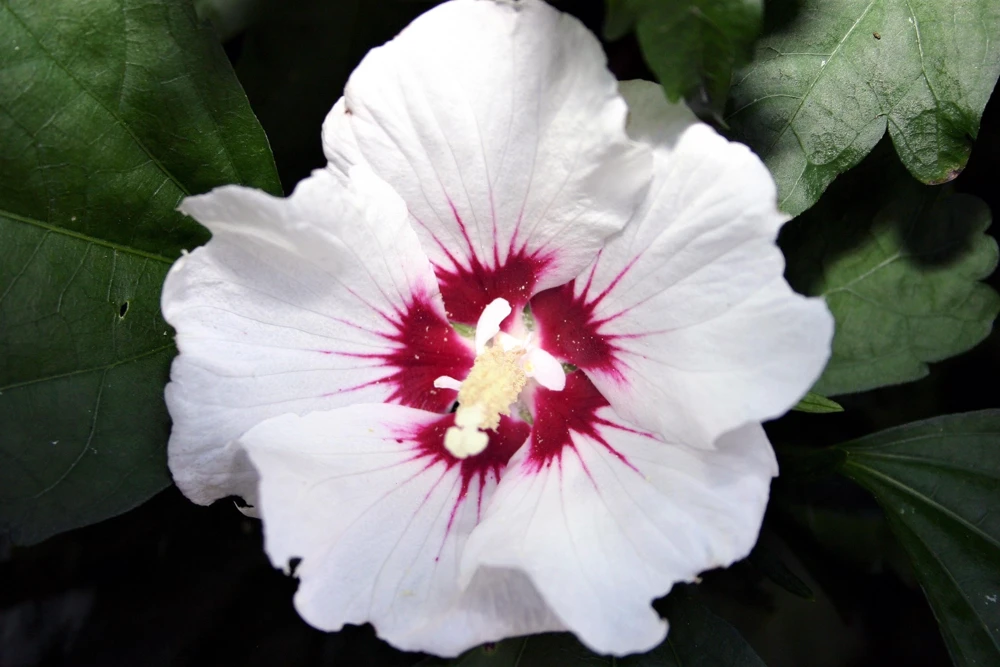
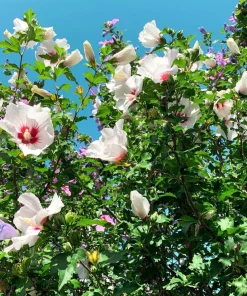
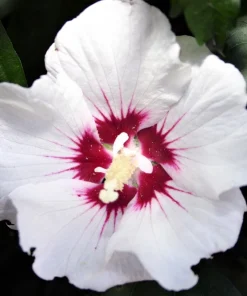
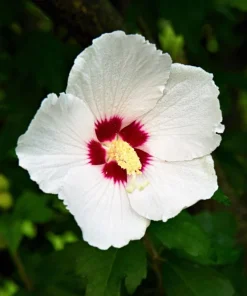
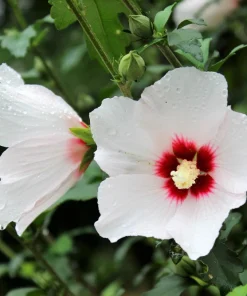
Cultivate stunning Rose of Sharon seeds (Hibiscus syriacus) with this pack of 25 seeds. Enjoy vibrant white and hot pink flowers that attract pollinators throughout summer and fall. These versatile shrubs are perfect for creating hedges or as eye-catching specimen plants in USDA Zones 5-9.
Estimated arrival
Sep 14
Sep 19 - Sep 21
Sep 24 - Sep 28
Shop With Confidence
30-Day Plant Health Guarantee
Arrives damaged? We’ll replace it free — see our return policy.
Responsive Support
Email us anytime, we reply within 1 business day.
Expert Packaging
Temperature-controlled shipping to protect your plants in transit.
Secure Checkout
Pay safely with Visa, Mastercard, PayPal.
Plant Specifications
-
USDA Hardiness Zone
5 - 9 -
Soil Type
Average, well-draining soil (including clay) -
Sunlight Exposure
Full sun - Part shade -
Expected Planting Period
Outdoors after frost / Indoors weeks before last frost
Overview
Embark on a delightful gardening journey with these premium Rose of Sharon seeds. Known scientifically as Hibiscus syriacus, these seeds promise to grow into magnificent flowering shrubs or small trees, adding a touch of elegance and vibrant color to any landscape. The Rose of Sharon is cherished for its large, showy blooms that appear in abundance from summer through fall, offering a long season of visual interest. This particular variety features a captivating combination of white and hot pink flowers, creating a striking display that is sure to draw attention. Whether you’re looking to establish a beautiful privacy hedge, create a stunning focal point, or simply enhance your garden’s aesthetic, these seeds provide an excellent opportunity to cultivate a hardy and rewarding plant.
Also commonly referred to as Althea or Aaron’s Beard, the Hibiscus syriacus seeds are an ideal choice for gardeners seeking a plant that thrives with minimal fuss while offering maximum impact. They are renowned for their resilience and adaptability, making them suitable for a wide range of growing conditions and gardening skill levels. Plant these seeds and watch as they transform into lush, flower-laden shrubs that become a haven for local pollinators, including bees, butterflies, and hummingbirds. The fast growth rate and long bloom period make the Rose of Sharon a favorite among landscape designers and home gardeners alike.
Key Benefits
Beyond their undeniable beauty, Rose of Sharon seeds offer a multitude of benefits for your garden and local ecosystem. These robust plants are an excellent investment for both novice and experienced gardeners.
- Stunning Floral Display: Enjoy a prolonged season of exquisite white and hot pink flowers that bring a tropical feel to temperate climates. Each bloom is a work of art, enhancing your garden’s curb appeal.
- Attracts Pollinators: The vibrant flowers are a magnet for beneficial insects and birds, including bees, butterflies, and hummingbirds, contributing to a healthier garden ecosystem.
- Versatile Landscaping Use: These shrubs can be grown as standalone specimen plants, shaped into an impressive living fence or hedge, or incorporated into mixed borders, offering flexible design options.
- Drought Tolerant: Once established, Rose of Sharon plants are remarkably tolerant of dry conditions, making them a wise choice for water-wise gardening.
- Adaptable to Various Soils: They thrive in a wide range of soil types, including clay, demonstrating their hardiness and ease of care. This makes Rose of Sharon seeds suitable for many garden environments.
- Low Maintenance: Known for their resilience, these plants require minimal ongoing care once established, allowing you to enjoy their beauty without constant effort.
- Fast Growing: Experience relatively quick growth, allowing you to see significant development and blooms sooner than many other flowering shrubs.
Plant Care & Growing Tips
Cultivating vibrant Rose of Sharon seeds into flourishing shrubs is a rewarding experience with the right care. These plants are known for their hardiness and adaptability, but a few key practices will ensure optimal growth and abundant blooms. For successful germination, you can sow seeds outdoors after the last frost or start them indoors several weeks before the last frost date. Provide them with a location that receives full sun to partial shade; while they can tolerate some shade, full sun will encourage the most prolific flowering. Ensure the soil is well-draining, although Rose of Sharon is quite tolerant of average soil conditions, including clay.
Watering requirements are moderate; keep the soil consistently moist but not waterlogged, especially during dry spells. Once established, these shrubs exhibit good drought tolerance. They are cold-hardy in USDA Zones 5-9 and will readily reseed themselves, potentially spreading in favorable conditions. Pruning is best done in late winter or early spring while the plant is dormant. Rose of Sharon tolerates heavy pruning well, allowing you to shape it as desired, whether as a tree form or a dense shrub. Fertilize annually in spring with a balanced slow-release fertilizer to support vigorous growth and blooming. Watch out for common pests like aphids, which can usually be managed with insecticidal soap or a strong spray of water. These white pink hibiscus seeds will grow into robust plants with proper care.
Size & Details
This offering includes 25 Rose of Sharon seeds (Hibiscus syriacus) ready for planting. When mature, these versatile plants typically reach a height of 5 to 10 feet with a spread of 36 to 48 inches, making them suitable for various landscape applications. They are considered a bush, shrub, or small tree depending on how they are pruned and maintained. The seeds will develop into plants that bloom profusely from summer through fall, showcasing their distinctive white and hot pink flowers. Their fast growth rate means you won’t have to wait long to enjoy their beauty. These seeds are provided in a packet, ready for direct sowing or starting indoors. The plant’s hardiness in USDA Zones 5-9 ensures it can withstand a range of climates, and its ability to reseed itself contributes to its long-term presence in your garden.
Frequently Asked Questions
- Q: How big does a Rose of Sharon plant get? A: A Rose of Sharon plant typically grows to a height of 5 to 10 feet and can spread 3 to 4 feet wide. Its final size depends on growing conditions and pruning.
- Q: Is this an indoor or outdoor plant? A: The Rose of Sharon is primarily an outdoor plant, thriving in garden settings. It is hardy in USDA Zones 5-9 and prefers full sun to partial shade.
- Q: How much sunlight does it need? A: For optimal flowering, Rose of Sharon prefers full sun, meaning at least 6 hours of direct sunlight per day. It can tolerate partial shade, but blooming may be less prolific.
- Q: Is this plant easy to care for? A: Yes, the Rose of Sharon is considered an easy-to-care-for plant. It’s drought-tolerant once established and adaptable to various soil types, making it suitable for beginners.
- Q: What condition will the Rose of Sharon seeds arrive in? A: The seeds will arrive in a sealed packet, ensuring their viability and protection during transit. They are ready for immediate planting upon arrival.
- Q: How long until it blooms after planting Hibiscus syriacus seeds? A: While germination can occur relatively quickly, it generally takes about 2-3 years for a Rose of Sharon grown from seed to produce its first significant blooms.
- Q: When is the best time to plant these seeds? A: You can plant the seeds outdoors after the last frost in spring, or start them indoors 6-8 weeks before the last expected frost date for an earlier start.
- Q: Will it survive winter in my zone? A: The Rose of Sharon is hardy in USDA Zones 5 through 9. If you are within these zones, your plant should survive winter outdoors with proper care.
- Q: What are the main uses for Althea seeds in landscaping? A: These seeds are excellent for growing plants that can be used as specimen shrubs, flowering hedges, privacy screens, or as part of a mixed border to add height and color.
- Q: Do these plants attract hummingbirds? A: Yes, the large, vibrant flowers of the Rose of Sharon are very attractive to hummingbirds, as well as bees and butterflies, making them a great addition to a pollinator garden.
Be the first to review “Rose of Sharon Hibiscus Seeds – White & Hot Pink, 25 Seeds”
People Also Viewed
Herbs
Organic Yellow Turmeric Live Plant – 2 Rhizomes, Curcumin Longa, 4-6 inch Tall, Indoor/Outdoor


Reviews
There are no reviews yet.