
Pineapple Guava Tree Live Plant, Tropical Fruit, 4-6 Inch Tall
Original price was: $34.99.$19.99Current price is: $19.99.
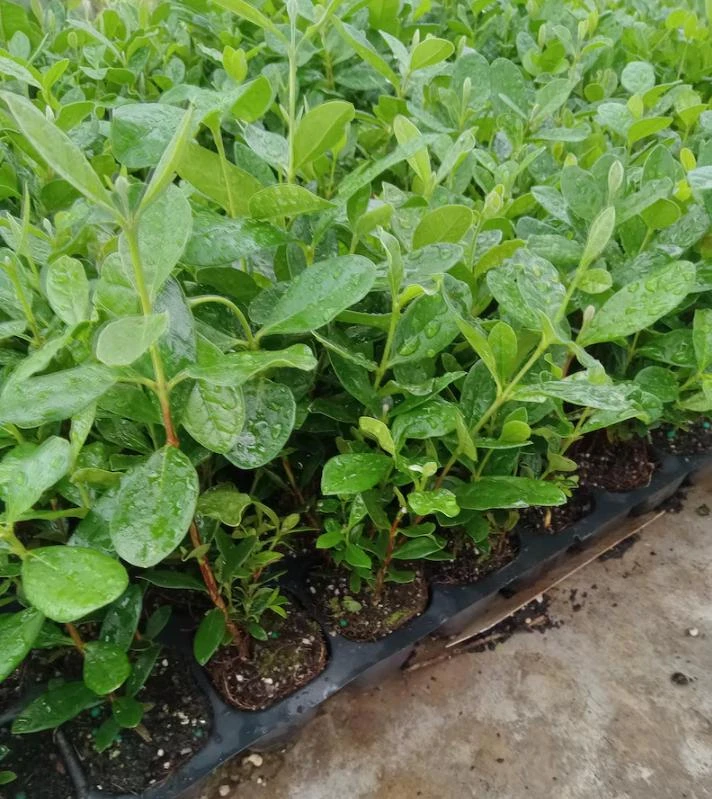
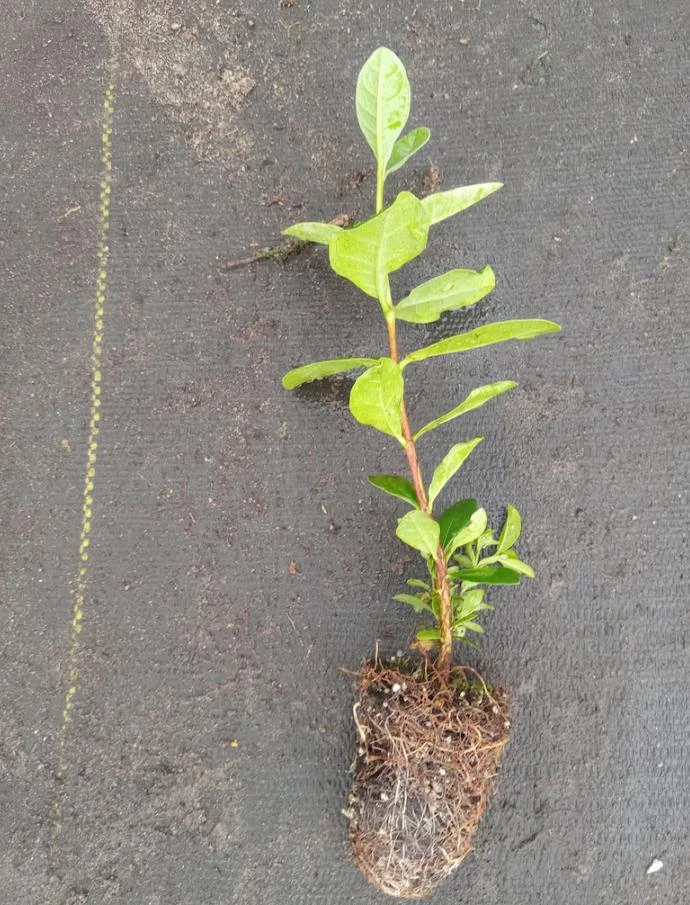
Bring the exotic taste of the tropics to your home with this pineapple guava tree live plant. Standing 4 to 6 inches tall, this young tropical guava fruit tree is ready for planting indoors or outdoors, offering beautiful flowers and delicious fruit with pineapple, guava, mint, and strawberry notes.
Estimated arrival
Oct 14
Oct 19 - Oct 21
Oct 24 - Oct 28
Shop With Confidence
30-Day Plant Health Guarantee
Arrives damaged? We’ll replace it free — see our return policy.
Responsive Support
Email us anytime, we reply within 1 business day.
Expert Packaging
Temperature-controlled shipping to protect your plants in transit.
Secure Checkout
Pay safely with Visa, Mastercard, PayPal.
Plant Specifications
-
USDA Hardiness Zone
USDA Zones 8 to 11 -
Soil Type
Well-drained soil (sandy, loamy, or clay) -
Sunlight Exposure
Full sun to partial shade -
Expected Planting Period
Spring to summer
Overview
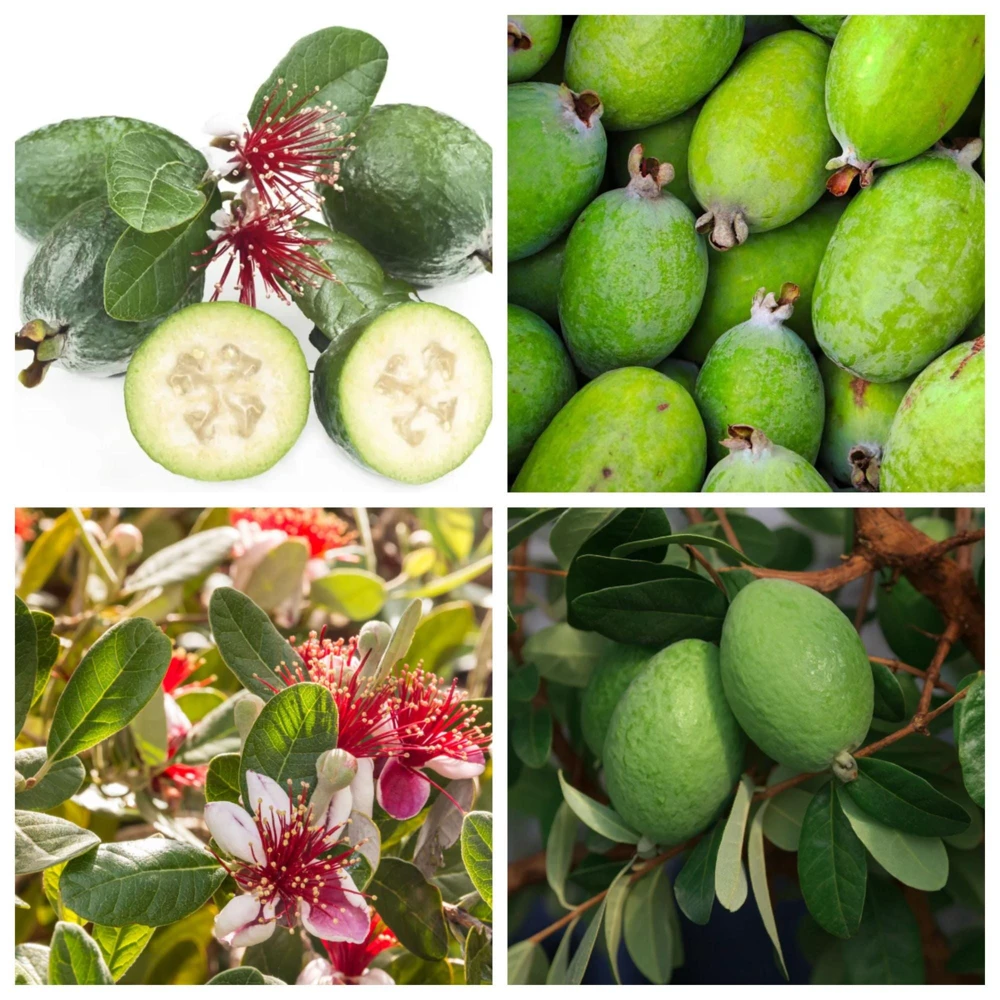
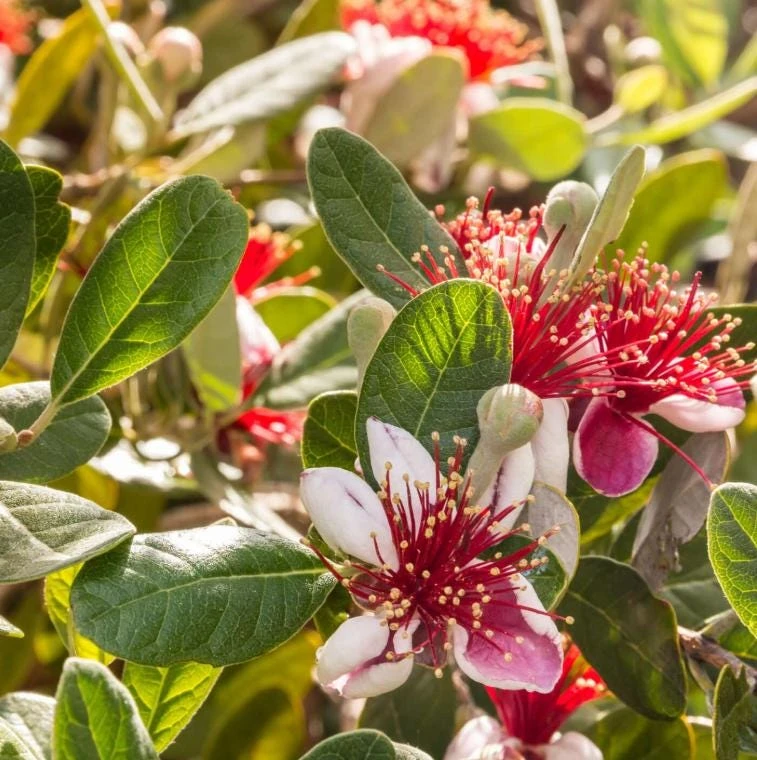
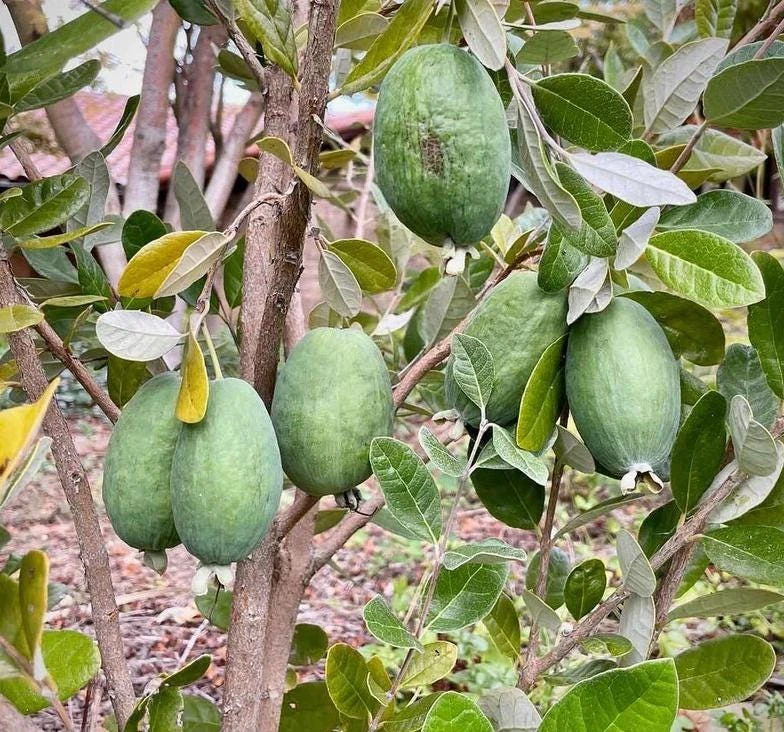
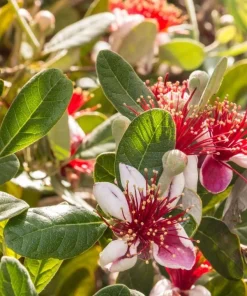
Experience the joy of growing your own exotic fruit with this exquisite pineapple guava tree live plant. Also known as Feijoa sellowiana, this versatile evergreen shrub or small tree is a fantastic addition to any garden or patio, bringing both ornamental beauty and a bounty of unique, flavorful fruit. This live plant arrives ready to thrive, offering the promise of fresh, aromatic guavas right from your own home. The tropical guava fruit tree is celebrated for its attractive gray-green foliage with silvery undersides, creating a stunning visual appeal year-round. Beyond its leaves, the plant produces striking flowers with fleshy white and pink petals and prominent red stamens, which are not only beautiful but also edible and delightfully sweet.
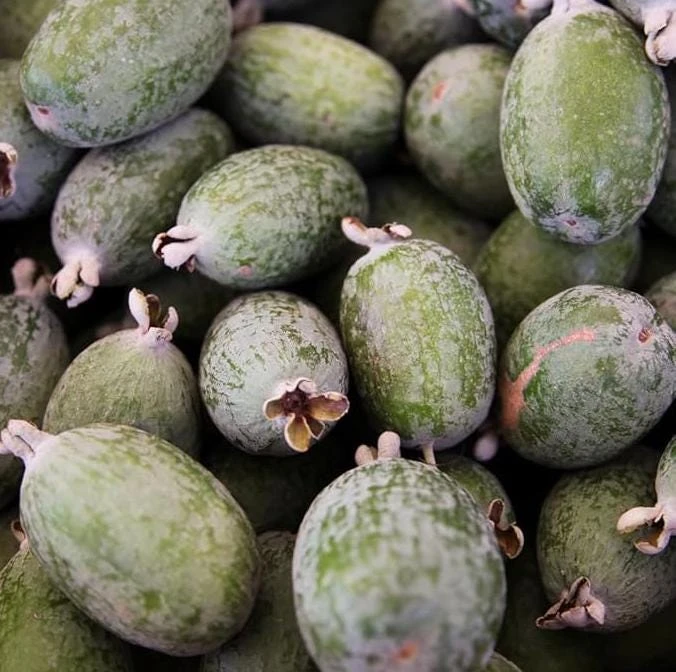
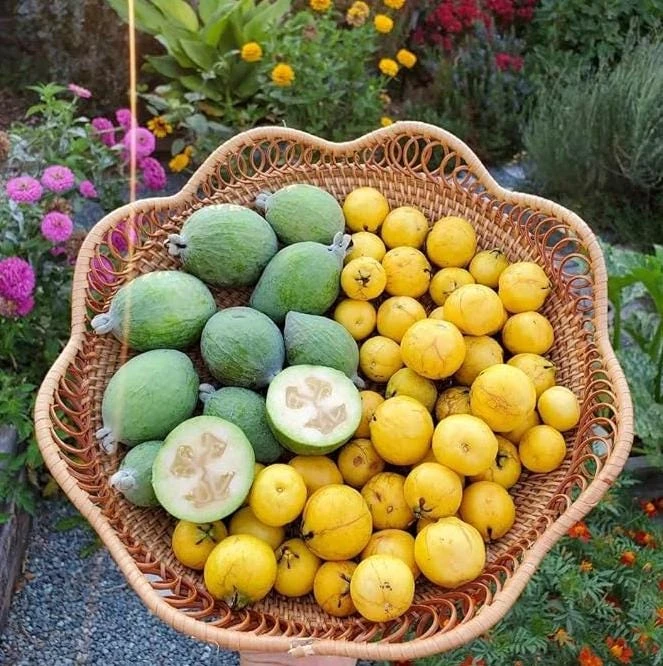
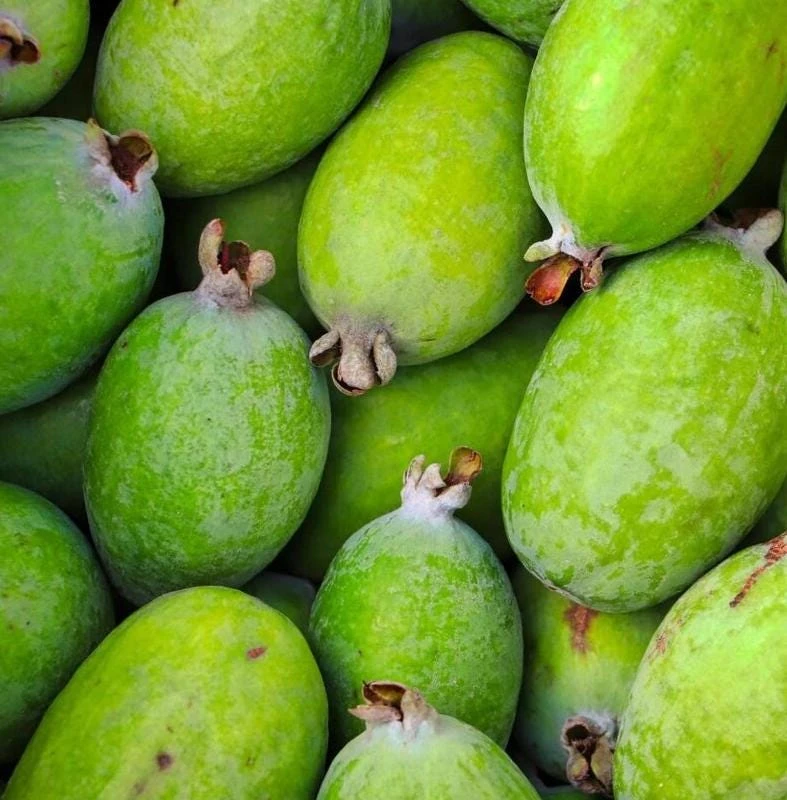
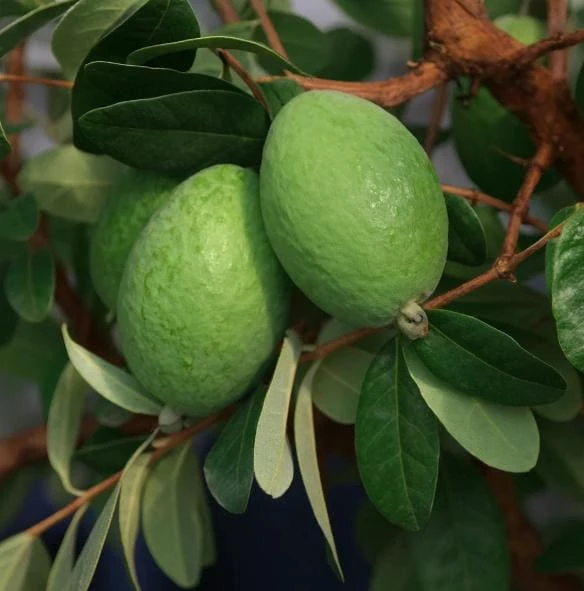
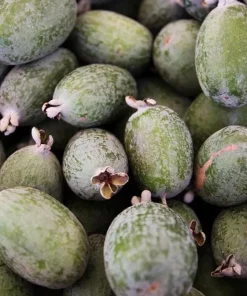
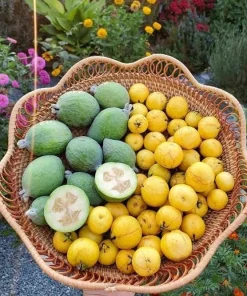
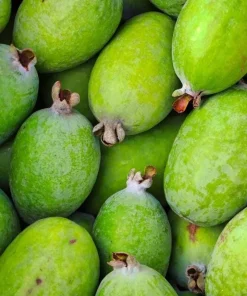
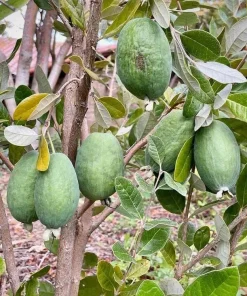
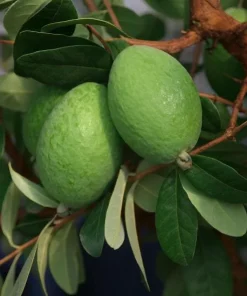
As autumn approaches, your pineapple guava tree live plant will bear oval or egg-shaped green fruits, renowned for their sweet, aromatic flesh. The flavor profile is a complex and delightful blend, reminiscent of pineapple, guava, mint, and strawberry. Whether you’re an experienced gardener or just starting, this plant offers a rewarding growing experience, culminating in a harvest of delicious, healthful fruit. It’s an excellent choice for those looking to add a unique, low-maintenance fruiting plant to their collection.
Key Benefits
Cultivating a pineapple guava tree live plant offers numerous advantages, from its aesthetic appeal to its delectable fruit. This resilient plant is a smart choice for gardeners seeking both beauty and bounty.
- Delicious Edible Fruit: Enjoy a unique fruit that combines flavors of pineapple, guava, mint, and strawberry. The fruit is perfect for fresh eating, desserts, jams, or refreshing beverages. This makes the edible guava plant a true culinary delight.
- Ornamental Edible Flowers: The beautiful white and pink flowers with red stamens are not just attractive; they are also sweet and edible, adding a gourmet touch to salads or desserts.
- Year-Round Beauty: As an evergreen, the pineapple guava tree live plant maintains its attractive gray-green foliage throughout the year, providing continuous visual interest in your garden or home.
- Adaptable Growth: This tree thrives in a variety of conditions, making it suitable for both indoor and outdoor cultivation in appropriate climates. It’s a versatile tropical guava fruit tree.
- Low Maintenance: Once established, pineapple guava is relatively easy to care for, requiring moderate water and well-drained soil, perfect for busy gardeners.
- Hardy and Resilient: Tolerant of various soil types and temperatures, this plant is a robust choice for many growing environments.
- Health Benefits: Guava fruit is known to be rich in vitamins and antioxidants, contributing to a healthy diet.
Plant Care & Growing Tips
Caring for your pineapple guava tree live plant is straightforward, ensuring a healthy plant and a bountiful harvest. For optimal growth, provide full sun to partial shade. Outdoors, choose a spot that receives at least 6 hours of direct sunlight daily. Indoors, place it near a bright, south-facing window or under grow lights. While it can tolerate some shade, more sun generally leads to better fruit production. The ideal temperature range for this plant is between 60°F and 85°F. It is hardy in USDA Zones 8 to 11, meaning it can withstand winter temperatures in these regions. In colder zones, it should be grown in a container and brought indoors before the first frost.
When it comes to watering, the tropical guava fruit tree prefers consistently moist, but not waterlogged, soil. Allow the top inch or two of soil to dry out between waterings. Avoid overwatering, as this can lead to root rot. Well-drained soil is crucial; it tolerates sandy, loamy, or even clay soils, but good drainage is key. A balanced, slow-release fertilizer can be applied in spring and mid-summer to support healthy growth and fruit development. Pruning can be done to maintain shape and size, and to encourage branching. While the plant may lose some leaves in winter, this is a natural process and not a cause for concern. Following these guidelines will help ensure your guava tree care is effective.
Size & Details
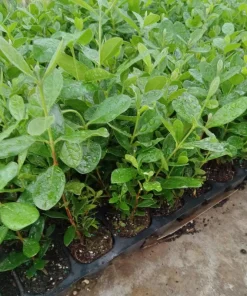
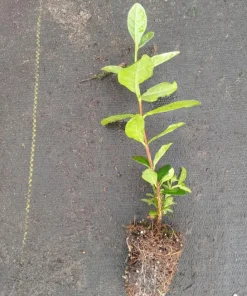
This pineapple guava tree live plant arrives as a young specimen, typically standing 4 to 6 inches tall, making it an ideal size for establishing in its new home. It is shipped as a live plant, ready for immediate planting in your garden or a larger pot. Pineapple guava is a slow-growing evergreen shrub or small tree, eventually reaching heights of 10 to 15 feet and similar widths if left unpruned, though it can be maintained at a smaller size with regular pruning. It will begin producing its ornamental, edible flowers in spring to summer, with fruit developing in autumn. The fruit itself is oval or egg-shaped.
Frequently Asked Questions
- Q: How big does this pineapple guava tree live plant get? A: This young plant arrives 4 to 6 inches tall. With proper care, a mature pineapple guava tree can reach heights of 10 to 15 feet and similar widths, though it can be kept smaller through regular pruning.
- Q: Is this an indoor or outdoor plant? A: This tropical guava fruit tree can be grown both indoors and outdoors. It is hardy in USDA Zones 8 to 11 for outdoor planting. In colder climates, it should be grown in a container and moved indoors during winter.
- Q: How much sunlight does it need? A: The pineapple guava prefers full sun to partial shade. For best fruit production, aim for at least 6 hours of direct sunlight per day.
- Q: Is this plant easy to care for? A: Yes, the feijoa sellowiana is considered relatively easy to care for once established. It requires well-drained soil and moderate watering, making it suitable for gardeners of various experience levels.
- Q: What condition will it arrive in? A: Your pineapple guava tree live plant will arrive as a healthy, young plant, carefully packaged to ensure its safe transit and ready for planting upon arrival.
- Q: How long until it blooms and fruits? A: Pineapple guava typically begins blooming in spring to summer, with fruit developing in autumn. The time to first fruiting can vary, but young plants may start producing within a few years.
- Q: What’s the minimum temperature it can tolerate? A: This plant is hardy in USDA Zones 8 to 11, meaning it can tolerate winter temperatures down to about 10-15°F (-12°C to -9°C) once established. In colder zones, protection or indoor growing is necessary.
- Q: Can I eat the flowers and fruit? A: Yes, both the flowers and the fruit of the edible guava plant are safe and delicious to eat. The flowers have a sweet taste, and the fruit offers a unique blend of tropical flavors.
- Q: How often should I water my guava tree care? A: Water regularly to keep the soil consistently moist, but not waterlogged. Allow the top inch or two of soil to dry out between waterings to prevent root rot.
- Q: What kind of soil does it prefer? A: The pineapple guava tree prefers well-drained soil. It can tolerate various soil types, including sandy, loamy, or even clay soils, as long as drainage is good.
Be the first to review “Pineapple Guava Tree Live Plant, Tropical Fruit, 4-6 Inch Tall”
People Also Viewed
Reviews
There are no reviews yet.