

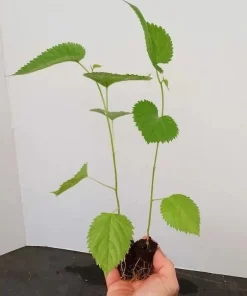
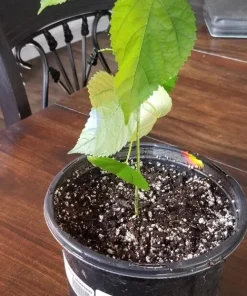
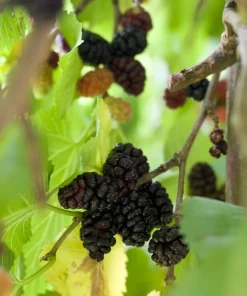
Illinois Everbearing Mulberry Tree Live Plant – Sweet Fruit – USDA Zones 4-10
Original price was: $62.80.$37.80Current price is: $37.80.
Cultivate your own harvest with an Illinois Everbearing Mulberry Tree. This highly productive sweet mulberry plant offers a prolonged fruiting season, yielding delicious 1-1/2 inch fruit from late June to early fall. Known for its exceptional cold hardiness and disease resistance, it’s an ideal choice for a wide range of climates (USDA Zones 4-10).
Estimated arrival
Oct 25
Oct 30 - Nov 01
Nov 04 - Nov 08
Shop With Confidence
30-Day Plant Health Guarantee
Arrives damaged? We’ll replace it free — see our return policy.
Responsive Support
Email us anytime, we reply within 1 business day.
Expert Packaging
Temperature-controlled shipping to protect your plants in transit.
Secure Checkout
Pay safely with Visa, Mastercard, PayPal.
Plant Specifications
-
USDA Hardiness Zone
4-10 -
Soil Type
Well-drained soil -
Sunlight Exposure
Full sun to 1/2 day sun -
Expected Planting Period
Spring to early fall
Overview
Experience the joy of growing your own fruit with the remarkable Illinois Everbearing Mulberry Tree. This live plant specimen, scientifically known as Morus alba x rubra, is a highly prized variety among fruit enthusiasts and home gardeners alike. Renowned for its extended fruiting season and delectable, 1-1/2 inch long berries, the Illinois Everbearing Mulberry Tree promises a bountiful harvest from late June through early fall. Unlike many other fruit trees, this particular mulberry is exceptionally adaptable and boasts impressive cold hardiness, thriving in USDA Zones 4-10. It’s an excellent addition to any landscape, providing both ornamental beauty and a continuous supply of sweet, juicy fruit that resembles blackberries.
Originating as a hybrid between the white and red mulberry species, the Illinois Everbearing Mulberry Tree combines the best characteristics of both parents. It’s a self-fertile plant, meaning you only need one tree for fruit production, making it perfect for smaller gardens or those new to fruit tree cultivation. Whether you’re looking to enjoy fresh mulberries straight from the branch, use them in pies and jams, or attract local wildlife, this resilient and productive tree is an outstanding choice. Its moderate growth rate and mature size make it manageable in various garden settings, offering a long-lived source of delicious fruit for generations.
Key Benefits
The Illinois Everbearing Mulberry Tree offers a wealth of advantages for the discerning gardener. It’s not just a fruit producer; it’s a resilient and rewarding addition to your outdoor space.
- Extended Fruiting Season: Enjoy a prolonged harvest of sweet, dark fruit from late June until early fall, providing a continuous supply for fresh eating, baking, and preserving.
- Exceptional Cold Hardiness: This variety is remarkably hardy, tolerating temperatures down to minus 25° F (USDA Zones 4-10), making it suitable for a broad range of climates where other mulberries might struggle.
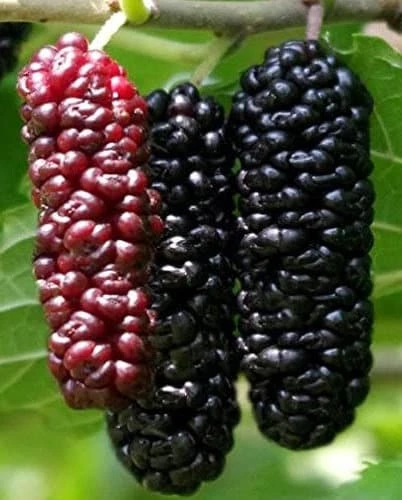
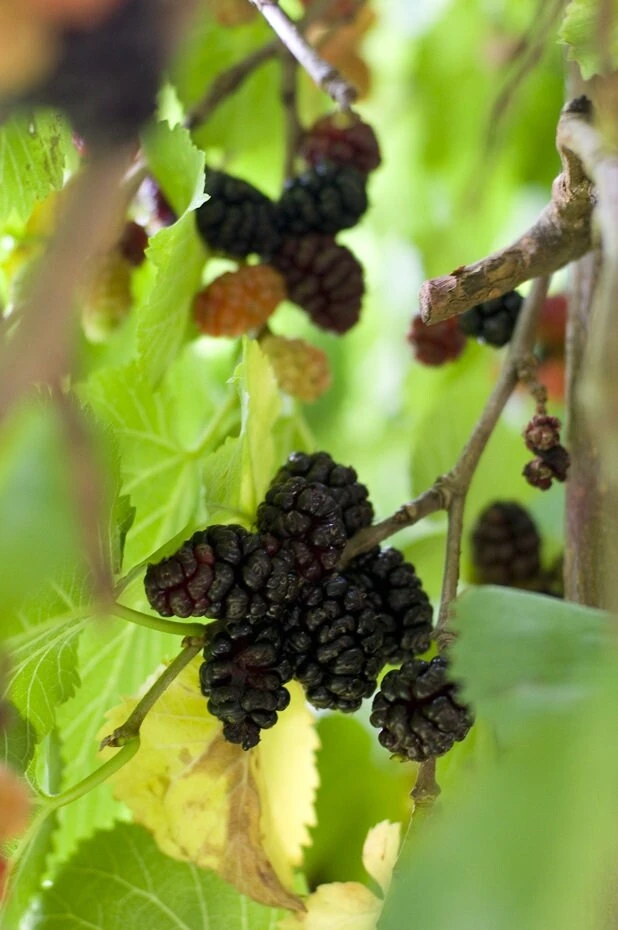
- Delicious, Abundant Fruit: Produces 1-1/2 inch long, blackberry-like drupes that are incredibly sweet and flavorful, perfect for fresh consumption, jams, jellies, and desserts. Grow your own sweet mulberry plant for unparalleled taste.
- Self-Fertile: No need for a second tree for pollination, simplifying the planting process and ensuring fruit production even with a single specimen.
- Disease and Pest Resistant: Mulberries are generally robust plants, and the Illinois Everbearing variety is particularly noted for its resistance to common pests and diseases, requiring minimal intervention.
- Ornamental Appeal: Beyond its fruit, this tree offers attractive foliage and a graceful form, enhancing the aesthetic value of your garden or landscape.
- Low Maintenance: Once established, the Illinois Everbearing Mulberry Tree requires relatively little care, making it an excellent choice for both experienced and novice gardeners.
Plant Care & Growing Tips
Caring for your Illinois Everbearing Mulberry Tree is straightforward, ensuring years of delicious harvests. These resilient trees thrive with proper site selection and consistent care during their establishment period. Mulberries prefer a location that receives at least 1/2 day to full sun exposure, which is crucial for optimal fruit production and overall tree health. Well-drained soil is paramount; while adaptable to various soil types, they do not tolerate waterlogged conditions. If your soil is heavy clay, consider amending it with organic matter to improve drainage. This variety is self-fertile, so you won’t need a pollinator, simplifying your planting plan.
Watering is key, especially during the first few years after planting. Provide regular, deep watering to encourage a strong root system. Once established, the Illinois Everbearing Mulberry Tree becomes more drought-tolerant, but consistent moisture during dry spells will maximize fruit yield and quality. Fertilize in early spring with a balanced, slow-release fertilizer designed for fruit trees. Pruning should focus on maintaining tree shape, removing dead or crossing branches, and managing size for ease of harvest. The tree is remarkably hardy, thriving in USDA Zones 4-10, making it a reliable choice for many regions. Generally, mulberries are not bothered by pests or diseases, contributing to their low-maintenance appeal. Following these guidelines will ensure your mulberry tree care is effective.
Size & Details
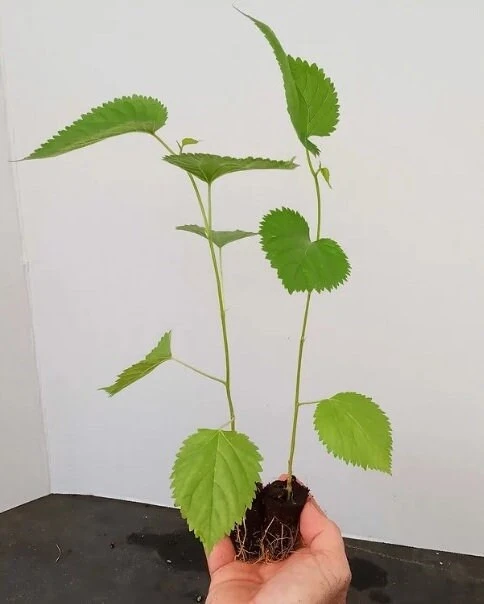
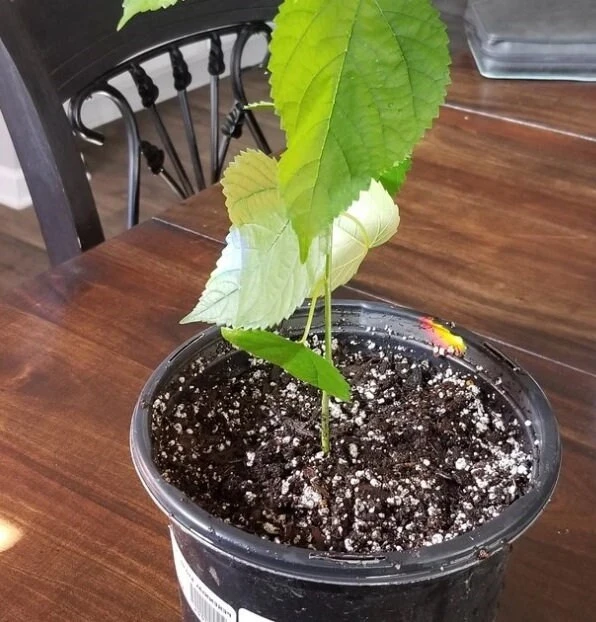
You will receive a healthy starter Illinois Everbearing Mulberry Tree, ready for planting and establishment in your garden. This variety typically begins bearing fruit within 2-3 years after planting, rewarding your patience with sweet berries. At maturity, this vigorous tree can reach a height of 15-20 feet, with some specimens occasionally exceeding 25 feet, depending on growing conditions and pruning practices. The tree’s bark is gray-brown with distinctive long, scaly ridges, adding texture to its appearance. The fruit matures from July to September, providing a sustained harvest period. Expected yields range from 15-25 lbs. per mature tree, offering a substantial amount of fruit for various culinary uses. This Morus alba x rubra hybrid is a robust grower and will establish well in a suitable environment.
Frequently Asked Questions
- Q: How big does this plant get? A: The Illinois Everbearing Mulberry Tree typically reaches a mature height of 15-20 feet, though it can occasionally grow taller. Its spread can be similar, making it a medium to large shade and fruit tree.
- Q: Is this an indoor or outdoor plant? A: This is an outdoor plant, specifically a deciduous fruit tree. It requires ample space and sunlight to thrive and produce fruit in a garden or orchard setting.
- Q: How much sunlight does it need? A: For optimal growth and fruit production, the Illinois Everbearing Mulberry Tree requires at least half a day to full sun exposure. Aim for 6-8 hours of direct sunlight daily.
- Q: Is this plant easy to care for? A: Yes, this cold hardy mulberry is considered relatively easy to care for. It’s known for its resilience to pests and diseases and is quite adaptable once established, making it a good choice for various levels of gardening experience.
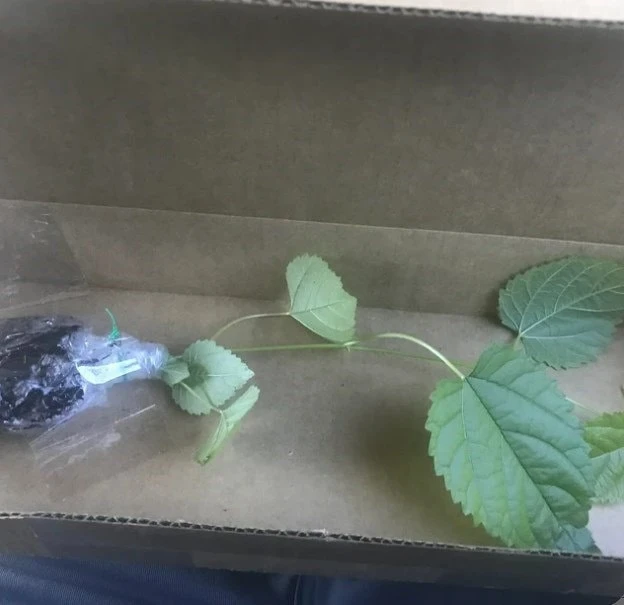
- Q: What condition will it arrive in? A: You will receive a healthy starter plant, carefully packaged to ensure its safe arrival. It will be ready for immediate planting upon receipt.
- Q: How long until it blooms? A: The tree typically blooms in the spring, and fruit begins to set shortly after. You can expect your tree to start bearing fruit 2-3 years after planting.
- Q: When is the best time to plant? A: The best time to plant an Illinois Everbearing Mulberry Tree is in the spring after the last frost, or in the early fall before the ground freezes, allowing roots to establish before extreme temperatures.
- Q: Will it survive winter in my zone? A: This variety is exceptionally cold-hardy, thriving in USDA Zones 4-10. It can withstand temperatures as low as minus 25° F, making it suitable for many northern climates.
- Q: Can I use the fruit for cooking? A: Absolutely! The sweet mulberry plant produces delicious fruit perfect for fresh eating, jams, jellies, pies, sauces, and other culinary creations. The fruit ripens over a long season, providing a continuous supply.
- Q: What kind of soil does it prefer? A: Mulberries prefer well-drained soil. While adaptable, they perform best in loamy soils. Avoid planting in areas where water tends to collect.
Be the first to review “Illinois Everbearing Mulberry Tree Live Plant – Sweet Fruit – USDA Zones 4-10”
People Also Viewed


Reviews
There are no reviews yet.