
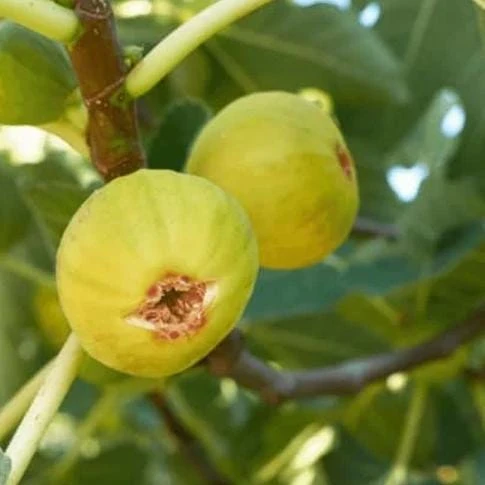
Marseille Fig Tree – Ficus carica ‘Marseilles’ Live Plant in 4 Inch Pot – Outdoor Fruit Tree
Original price was: $51.99.$34.99Current price is: $34.99.
Cultivate your own sweet fruit with the Marseille Fig Tree live plant, also known as Ficus carica ‘Marseilles’. This productive variety is ideal for home gardeners, offering delicious figs and thriving in full sun exposures. Shipped in a 4 inch pot, ready for planting.
Estimated arrival
Oct 25
Oct 30 - Nov 01
Nov 04 - Nov 08
Shop With Confidence
30-Day Plant Health Guarantee
Arrives damaged? We’ll replace it free — see our return policy.
Responsive Support
Email us anytime, we reply within 1 business day.
Expert Packaging
Temperature-controlled shipping to protect your plants in transit.
Secure Checkout
Pay safely with Visa, Mastercard, PayPal.
Plant Specifications
-
USDA Hardiness Zone
6-9 -
Soil Type
Well-draining soil -
Sunlight Exposure
Full Sun -
Expected Planting Period
Spring to early summer
Overview
Bring the taste of fresh, sweet figs to your garden with the Marseille Fig Tree live plant. This beloved variety, scientifically known as Ficus carica ‘Marseilles’, is renowned for its abundant harvests of medium-sized, pale green to yellow figs with a rich, amber-colored pulp. Originating from Western Asia, fig trees have been cultivated for centuries for their delectable fruit and ornamental appeal. This particular fig tree is a vigorous grower, making it an excellent choice for both novice and experienced gardeners looking to add a productive fruit tree to their landscape. It arrives as a healthy, established Marseille Fig Tree live plant in a 4 inch pot, ready to be nurtured into a flourishing specimen that will provide years of delicious fruit.
The Marseille Fig Tree live plant is a deciduous tree, meaning it will shed its leaves in the fall and enter a period of dormancy, typically from November through April, before bursting forth with new growth in spring. This natural cycle is essential for its health and fruit production. Known for its resilience and adaptability, the Ficus carica ‘Marseilles’ can be grown in a variety of settings, from in-ground planting in suitable climates to container gardening in colder regions where it can be brought indoors during winter. Its attractive foliage and unique fruit make it a focal point in any garden.
Key Benefits
The Marseille Fig Tree live plant offers numerous advantages, making it a highly desirable addition to any home garden:
-
Delicious Fruit Production: Enjoy a bounty of sweet, flavorful figs directly from your own garden. The ‘Marseilles’ variety is celebrated for its excellent taste and consistent yields, providing fresh fruit for eating, baking, or preserving.
-
Ornamental Appeal: With its large, lobed leaves and unique fruit development, the Marseille Fig Tree live plant adds a distinctive Mediterranean flair to your landscape. It serves as an attractive specimen plant, enhancing the aesthetic of patios, gardens, or edible landscapes.
-
Adaptable Growth: This fig tree is versatile, thriving both when planted in the ground in warmer zones and when grown in containers in colder climates. Its adaptability allows gardeners in various regions to successfully cultivate this rewarding fruit tree.
-
Relatively Low Maintenance: Once established, the Marseille Fig Tree live plant requires minimal care. It is fairly drought-tolerant and generally resistant to many common pests and diseases, simplifying ongoing maintenance for busy gardeners.
-
Health Benefits: Figs are known for being rich in fiber, vitamins, and minerals, offering a healthy and delicious snack. Growing your own ensures a fresh, organic source of this nutritious fruit.
-
Long Lifespan: With proper fig tree care, these trees can live for many decades, becoming a long-term source of fruit and beauty in your garden, a true investment for the future.
Plant Care & Growing Tips
Proper fig tree care is crucial for a healthy, productive Marseille Fig Tree live plant. This variety thrives in USDA Hardiness Zones 6-9, indicating its tolerance to a range of temperatures. For optimal growth and fruit production, plant your fig tree in a location that receives full sun, meaning at least 6-8 hours of direct sunlight per day. Adequate sunlight is essential for fruit development and ripening. If growing in a container in colder zones, ensure it can be moved to a protected area, such as a garage or unheated shed, during the dormant period to prevent frost damage.
When it comes to soil, the Marseille Fig Tree live plant prefers well-draining soil with a slightly acidic to neutral pH. Amend heavy clay soils with organic matter to improve drainage, or sandy soils to enhance water retention. Water regularly, especially during dry spells and when the fruit is developing, to keep the soil consistently moist but not waterlogged. Established trees are more drought-tolerant. Fertilize in early spring with a balanced, slow-release fertilizer designed for fruit trees. Pruning should be done in late winter or early spring while the tree is dormant to remove dead or crossing branches, and to shape the tree for better light penetration and air circulation, which helps manage disease.
Monitoring for common pests and diseases is part of good fig tree care. While generally robust, fig trees can occasionally encounter issues like fig rust or spider mites. Address any problems promptly with appropriate organic or chemical treatments as needed. For those in colder climates, preparing your dwarf fig tree or container-grown plant for winter involves ensuring it’s in a protected location. Wrapping the trunk and branches can also offer additional protection against severe cold, helping to ensure the plant survives dormancy and thrives again in spring.
Size & Details
The Marseille Fig Tree live plant, Ficus carica ‘Marseilles’, typically grows to a mature height of 8-12 feet with a similar spread when planted in the ground, making it a medium-sized fruit tree. Its growth habit can be managed through pruning, especially if you prefer a more compact form or are cultivating a dwarf fig tree for container growing. This plant is shipped as a healthy, actively growing specimen in a 4 inch pot, providing a robust start for your garden. The roots are well-established, allowing for a smooth transition to its new home.
This deciduous variety enters dormancy from November through April, losing its leaves and conserving energy for the next growing season. Fruit production typically begins within 2-3 years of planting, with harvests usually occurring in late summer to early fall, depending on your specific climate and growing conditions. The fruit itself is medium-sized, with a sweet, rich flavor. This edible fig plant is an excellent choice for a home orchard or as a standalone specimen in a sunny spot.
Frequently Asked Questions
-
Q: How big does this plant get? A: The Marseille Fig Tree live plant can reach a mature height of 8-12 feet and a similar spread when planted in the ground. Its size can be managed with regular pruning, especially if you’re aiming for a more compact dwarf fig tree or growing it in a container.
-
Q: What size pot does it come in? A: This Marseille Fig Tree live plant is shipped in a 4 inch nursery pot, providing a healthy root system for successful transplanting into your garden or a larger container.
-
Q: Is this an indoor or outdoor plant? A: The Marseille Fig Tree live plant is primarily an outdoor plant, suitable for USDA Zones 6-9. In colder zones, it can be grown in a container and moved indoors during winter dormancy, making it a versatile edible fig plant.
-
Q: How much sunlight does it need? A: For optimal growth and fruit production, the Marseille Fig Tree live plant requires full sun exposure, meaning at least 6-8 hours of direct sunlight per day.
-
Q: Is this plant easy to care for? A: Yes, with basic fig tree care, the Marseille Fig Tree is relatively easy to care for. It’s quite resilient once established, requiring consistent watering, good drainage, and full sun.
-
Q: What condition will it arrive in? A: Your Marseille Fig Tree live plant will arrive as a healthy, actively growing plant in its 4 inch pot, carefully packaged to ensure its safe journey to your home.
-
Q: Can I use figs from this plant in cooking? A: Absolutely! The figs from this edible fig plant are delicious and perfect for fresh eating, baking, making jams, or drying. They are known for their sweet, rich flavor.
-
Q: How long until it produces fruit? A: Typically, your Marseille Fig Tree live plant will start producing fruit within 2-3 years after planting, with harvests occurring in late summer to early fall.
-
Q: What’s the minimum temperature this fig tree can withstand? A: The Ficus carica ‘Marseilles’ is hardy in USDA Zones 6-9. In Zone 6, it may require some winter protection, especially when young, to protect against severe freezes. During dormancy, it can tolerate temperatures down to about 0°F (-18°C) if well-established.
-
Q: Do I need more than one fig tree for fruit production? A: The Marseille Fig Tree live plant is self-fertile, meaning it does not require a second tree for pollination to produce fruit. You can get a bountiful harvest from a single plant.
Be the first to review “Marseille Fig Tree – Ficus carica ‘Marseilles’ Live Plant in 4 Inch Pot – Outdoor Fruit Tree”
People Also Viewed

Flower Plants
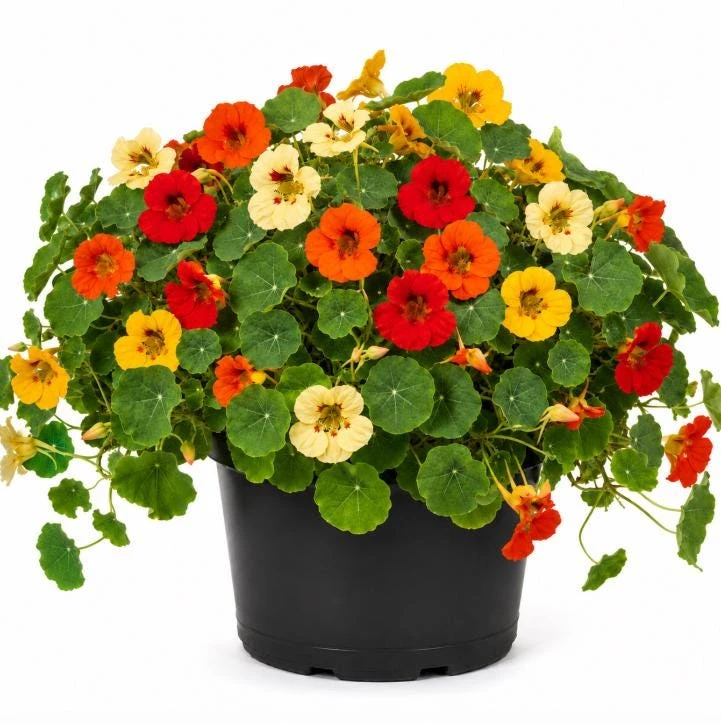
Whirly Bird Nasturtium Live Plants – 2 Pack Seedlings, 3-5 Inches Tall, Colorful Flowers

Reviews
There are no reviews yet.