
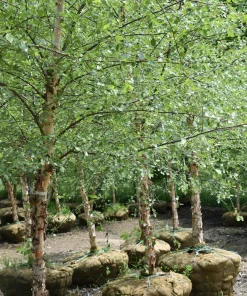
3 River Birch Tree Betula nigra Live Plant – Quart Pot – 6-12″ Tall
Original price was: $101.99.$76.99Current price is: $76.99.
Bring natural beauty to your yard with a river birch live plant. This fast-growing, native shade tree (Betula nigra) features distinctive exfoliating bark and is tolerant of heat, making it an excellent choice for landscaping. Ships as 3 bare root starter plants, 6-12 inches tall, ready for planting.
Estimated arrival
Sep 29
Oct 04 - Oct 06
Oct 09 - Oct 13
Shop With Confidence
30-Day Plant Health Guarantee
Arrives damaged? We’ll replace it free — see our return policy.
Responsive Support
Email us anytime, we reply within 1 business day.
Expert Packaging
Temperature-controlled shipping to protect your plants in transit.
Secure Checkout
Pay safely with Visa, Mastercard, PayPal.
Plant Specifications
-
USDA Hardiness Zone
USDA Zones 4-9 -
Soil Type
Moist, acidic, well-draining soil -
Sunlight Exposure
Full sun to partial shade -
Expected Planting Period
Early spring or fall
Overview
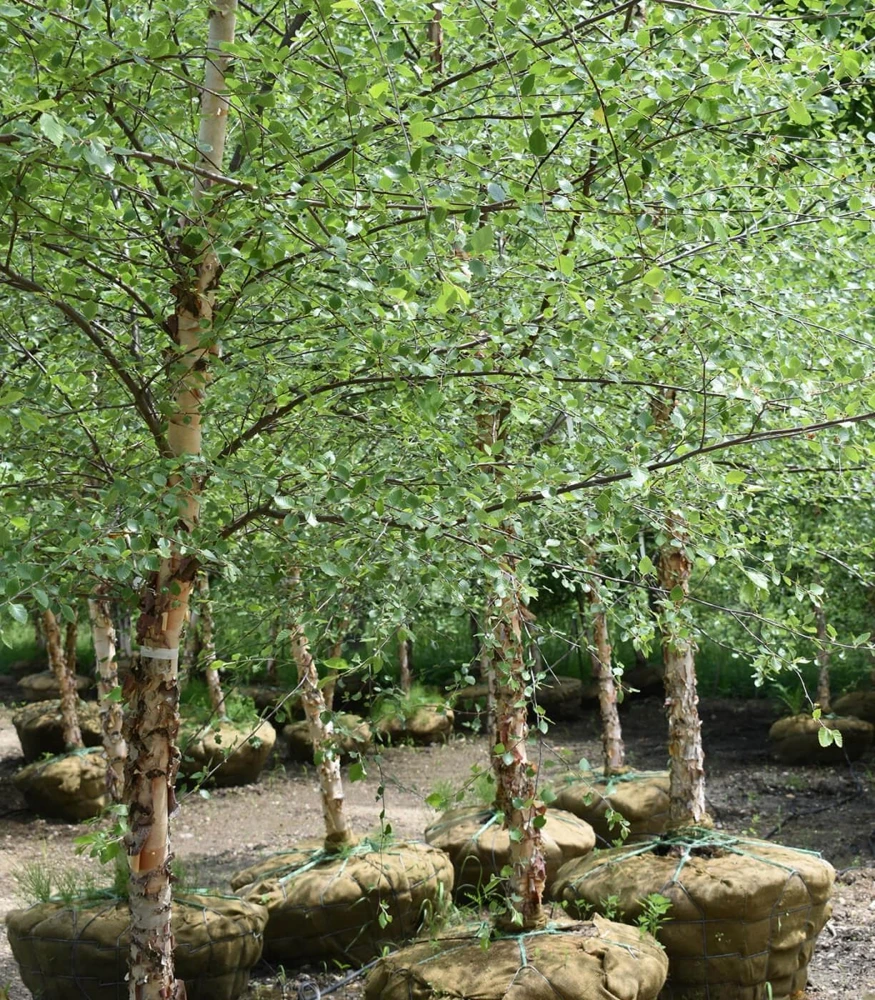
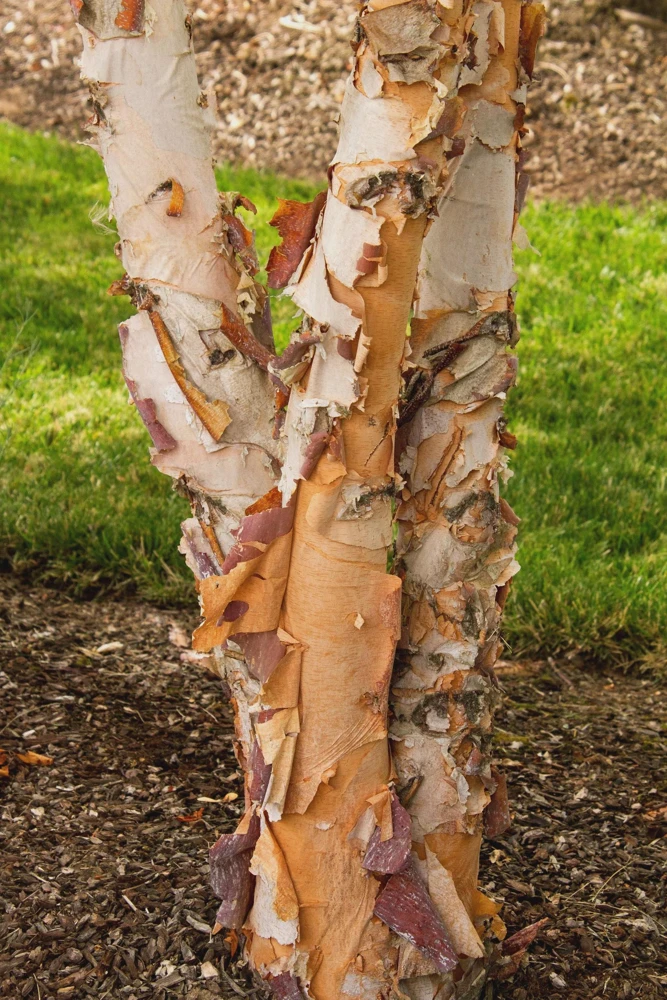
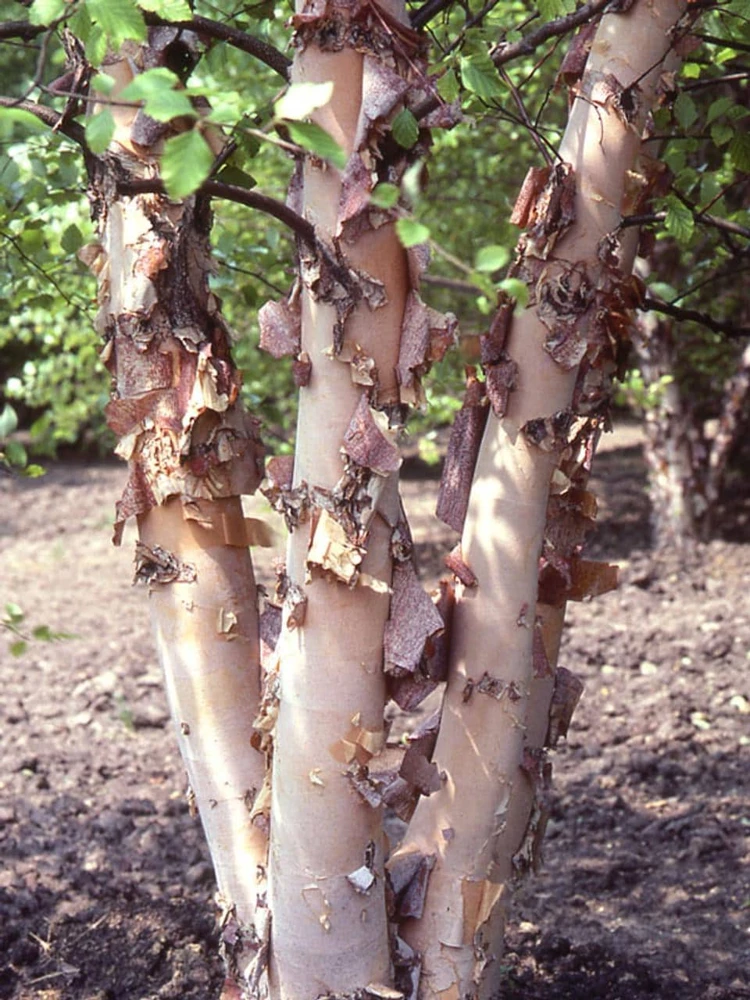
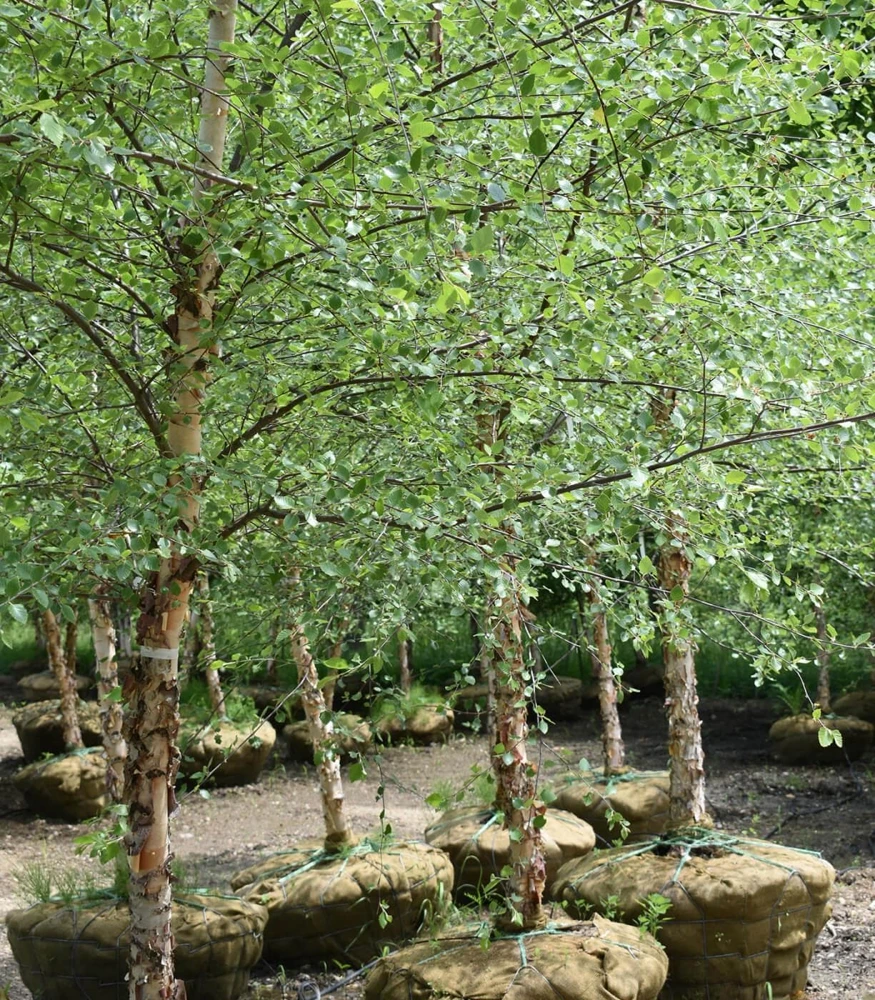
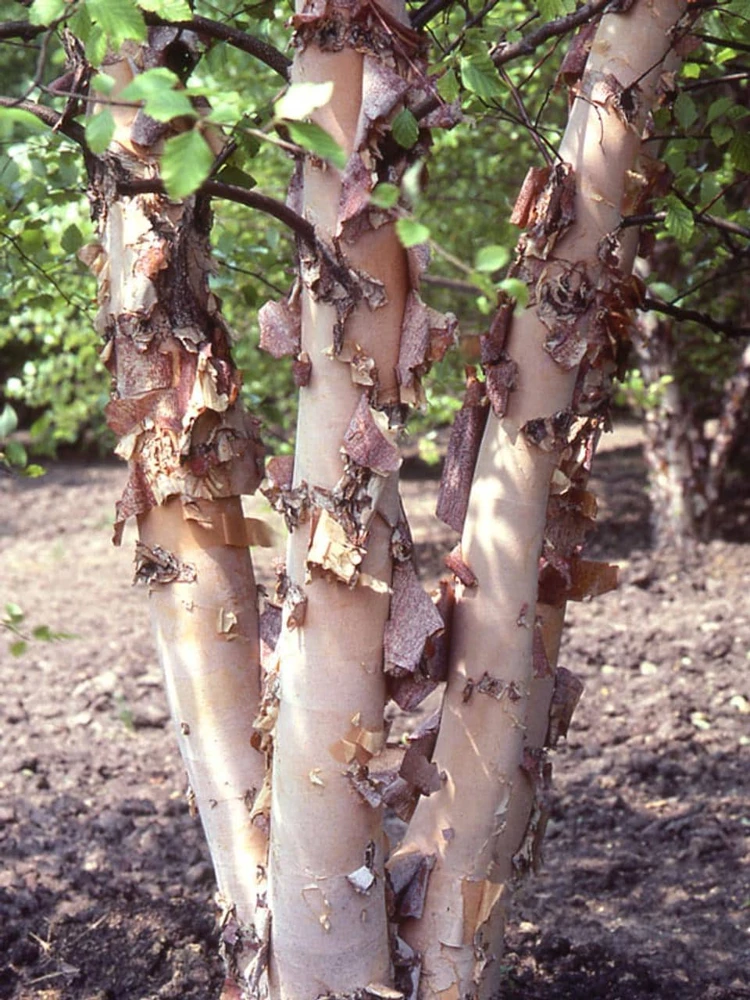
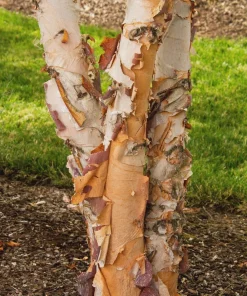
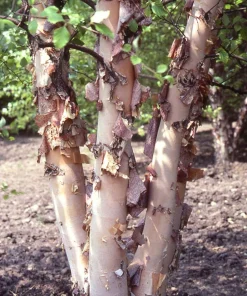
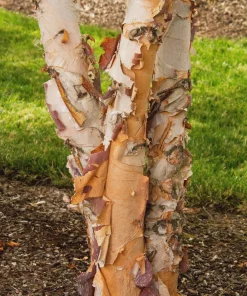
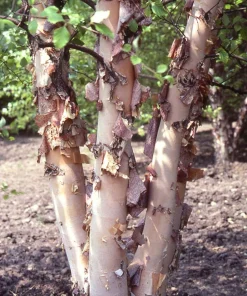
Introduce a touch of natural elegance to your landscape with the river birch live plant (Betula nigra). This remarkable native deciduous shade tree is celebrated for its rapid growth and distinctive exfoliating bark, which peels away to reveal captivating shades of salmon, cinnamon, and tan, offering visual interest throughout the year. As a Betula nigra tree, it is a robust and resilient choice, widely favored in landscaping due to its impressive heat tolerance and natural resistance to the bronze birch borer, a common pest that can afflict other birch varieties. These bare root starter plants are an economical and effective way to establish this beautiful species in your garden, promising to grow into a stately specimen that provides ample shade and aesthetic appeal.
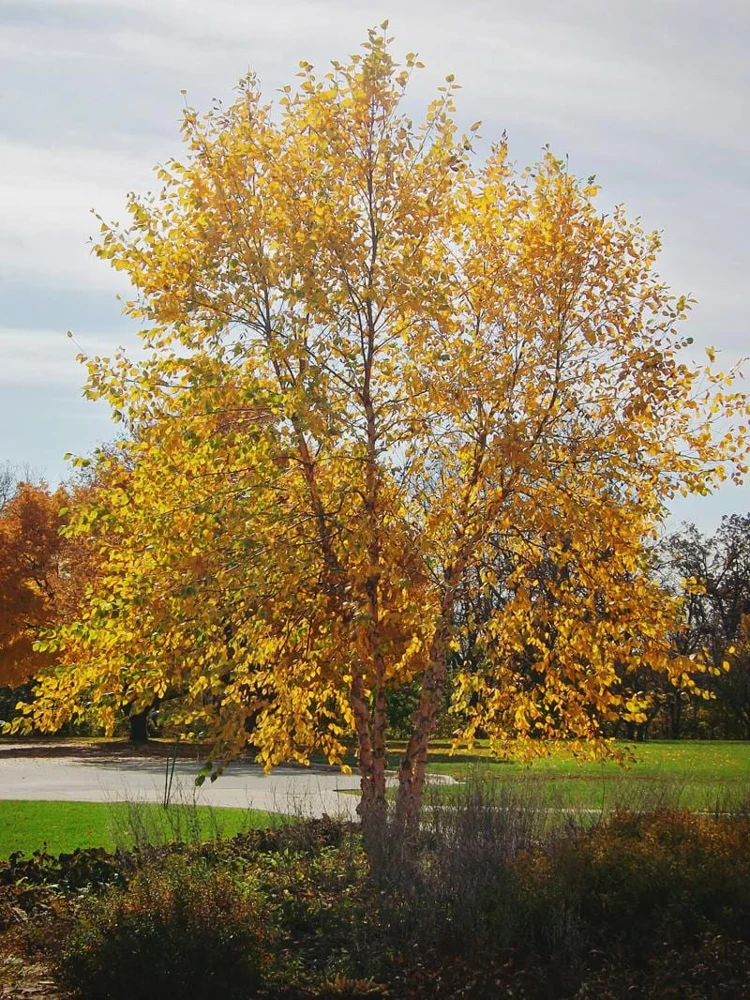
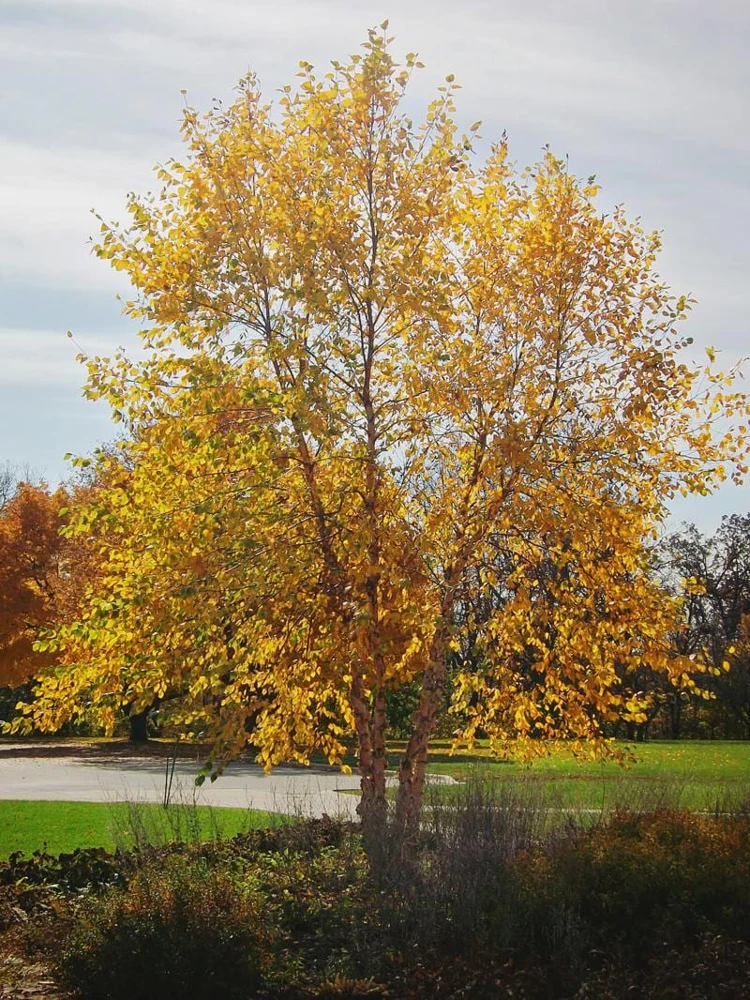
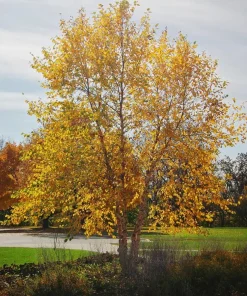
The river birch is a versatile tree that adapts well to various soil conditions, preferring moist, acidic soils but tolerating drier conditions once established. Its ability to thrive in diverse environments makes it a popular choice for stream banks, low-lying areas, or as a focal point in a garden. Known for its graceful, spreading canopy, the river birch live plant creates a welcoming atmosphere and a natural habitat for local wildlife. With proper care, these young trees will quickly develop into mature specimens, enhancing the beauty and ecological value of your property for years to come.
Key Benefits
The river birch live plant offers a multitude of benefits, making it an outstanding addition to almost any landscape. Its unique characteristics contribute both to aesthetic appeal and environmental health:
- Distinctive Year-Round Interest: The most striking feature of the river birch is its exfoliating bark, which peels back to expose layers of creamy white, pink, and brown. This ever-changing display provides visual appeal in all seasons, especially during winter when other trees are dormant.
- Rapid Growth Rate: As a fast growing shade tree, the river birch quickly establishes itself, providing significant shade and structure to your garden in a relatively short period. This makes it ideal for new landscapes or for filling in existing spaces.
- Heat and Pest Resistance: Unlike many other birch species, Betula nigra is highly tolerant of heat and humidity, and notably resistant to the bronze birch borer, a common and destructive pest. This resilience ensures a healthier, longer-lived tree with less maintenance.
- Adaptable to Various Soils: While it prefers moist, acidic soils, the river birch live plant is remarkably adaptable and can tolerate a range of soil types, including clay. This flexibility makes it suitable for a wider array of planting sites.
- Erosion Control: Its robust root system makes the river birch an excellent choice for planting near water bodies or on slopes where erosion is a concern, helping to stabilize the soil and prevent runoff.
- Wildlife Habitat: The tree provides shelter and food for various birds and small animals, enhancing the biodiversity of your garden space.
- Low Maintenance: Once established, the river birch tree care requirements are relatively minimal, making it a great choice for both experienced gardeners and those new to tree planting.
Plant Care & Growing Tips
Proper river birch tree care begins with understanding its preferred growing conditions. The river birch live plant thrives in full sun to partial shade, meaning it should receive at least 4-6 hours of direct sunlight per day. While it can tolerate some shade, more sun generally leads to a denser canopy and more vibrant bark coloration. It is best suited for USDA Hardiness Zones 4-9, demonstrating excellent cold hardiness. During planting, ensure the site has adequate space, as this tree can grow quite large.
When it comes to watering, the river birch prefers consistently moist soil, especially during its establishment period. Water deeply and regularly, particularly during dry spells or periods of high heat. However, avoid waterlogging, as good drainage is still important. The ideal soil for a Betula nigra tree is acidic, well-draining, and rich in organic matter. If your soil is heavy clay, amending it with compost or other organic materials can significantly improve drainage and nutrient availability. Fertilization is typically not required for established trees in healthy soil, but young trees can benefit from a balanced, slow-release fertilizer in early spring to encourage vigorous growth. Monitor for common issues; while resistant to bronze birch borer, watch for aphid infestations and treat as needed with horticultural oil or insecticidal soap.
Pruning should primarily focus on removing dead, damaged, or crossing branches to maintain the tree’s health and aesthetic form. The best time to prune is in late summer or early fall, after the leaves have fully expanded but before the tree goes dormant. Avoid pruning in late winter or early spring, as river birches are prone to bleeding sap during this period. With these straightforward care guidelines, your fast growing shade tree will flourish and become a magnificent feature in your landscape.
Size & Details
This offering includes 3 river birch live plant bare root starter plants, each measuring approximately 6-12 inches in height. These young trees are ready for immediate planting upon arrival, allowing them to establish quickly in your garden. As bare root specimens, they are dormant and ship without soil, making for efficient and safe transport. Once planted, the river birch exhibits a vigorous growth rate, quickly developing into a substantial shade tree. Expect these trees to mature into a height of 40-70 feet with a spread of 40-60 feet, forming a broad, rounded canopy. The exfoliating bark, which is a hallmark of the Betula nigra tree, will become more pronounced as the tree ages, providing increasing visual interest.
These starter plants are an excellent foundation for creating a naturalized area or a prominent specimen tree. While initial growth will focus on root establishment, you can anticipate noticeable height and canopy development within the first few years. With proper river birch tree care, these plants will thrive and provide many years of enjoyment, contributing significantly to your landscape’s beauty and ecological function.
Frequently Asked Questions
- Q: How big do these river birch trees get? A: A mature river birch live plant typically reaches a height of 40-70 feet and a spread of 40-60 feet, forming a beautiful, broad canopy. These starter plants are 6-12 inches tall when shipped bare root.
- Q: Is this an indoor or outdoor plant? A: The river birch is an outdoor tree, well-suited for landscaping in temperate climates. It requires ample space to grow and is not suitable for indoor cultivation.
- Q: How much sunlight does the river birch need? A: This tree prefers full sun to partial shade, ideally receiving at least 4-6 hours of direct sunlight daily for optimal growth and bark coloration.
- Q: Is this plant easy to care for? A: Yes, the Betula nigra tree is considered relatively easy to care for once established. Its heat tolerance and resistance to common pests make it a low-maintenance choice for many gardeners.
- Q: What condition will the bare root plants arrive in? A: The river birch live plant will arrive dormant and bare root, meaning without soil, carefully packaged to ensure their health during transit. They should be planted as soon as possible after arrival.
- Q: When is the best time to plant a river birch? A: The best time to plant bare root river birch trees is in early spring or fall when the tree is dormant, allowing it to establish its root system before the stress of summer heat or winter cold.
- Q: Will this fast growing shade tree survive winter in my zone? A: The river birch is hardy in USDA Zones 4-9, meaning it can withstand a wide range of winter temperatures in most parts of the United States.
- Q: What kind of soil does a river birch prefer? A: River birches thrive in moist, acidic, well-draining soil, but they are adaptable and can tolerate a variety of soil conditions, including clay, as long as it doesn’t remain waterlogged.
- Q: Does the river birch have special watering needs? A: Yes, especially when young, the river birch live plant prefers consistently moist soil. Deep and regular watering is crucial, particularly during dry periods, to ensure proper establishment.
- Q: What makes the river birch unique? A: Its most unique feature is its distinctive exfoliating bark, which peels off in papery strips to reveal layers of beautiful salmon, cinnamon, and tan colors, providing year-round visual interest. This characteristic also contributes to its common name, exfoliating bark tree.
Be the first to review “3 River Birch Tree Betula nigra Live Plant – Quart Pot – 6-12″ Tall”
People Also Viewed
Reviews
There are no reviews yet.