
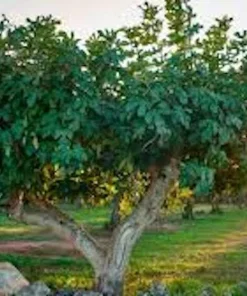
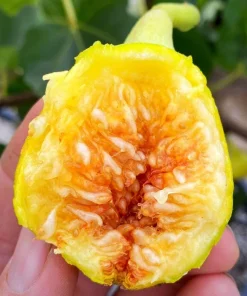
5 Yellow Long Neck Fig Tree Starter Plugs – Ficus carica – Live Bare Root Plants
Original price was: $113.99.$88.99Current price is: $88.99.
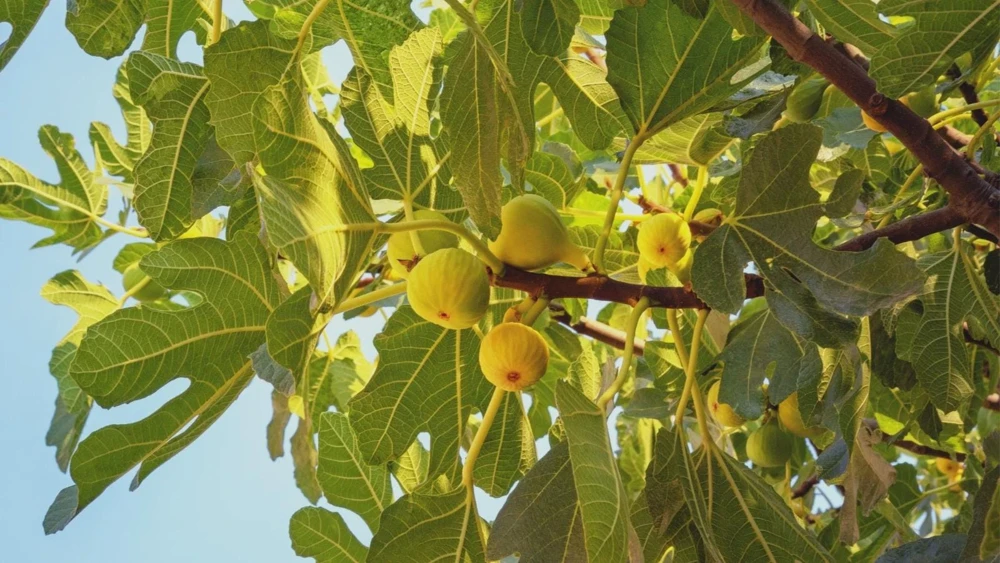
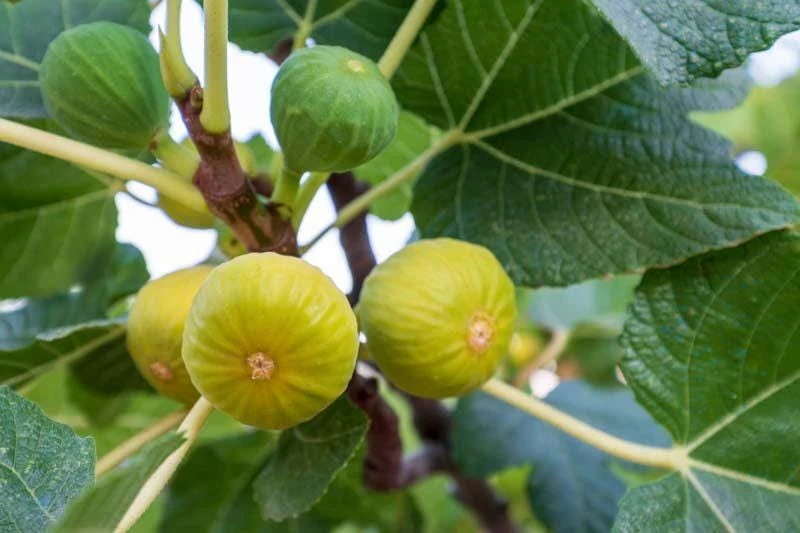
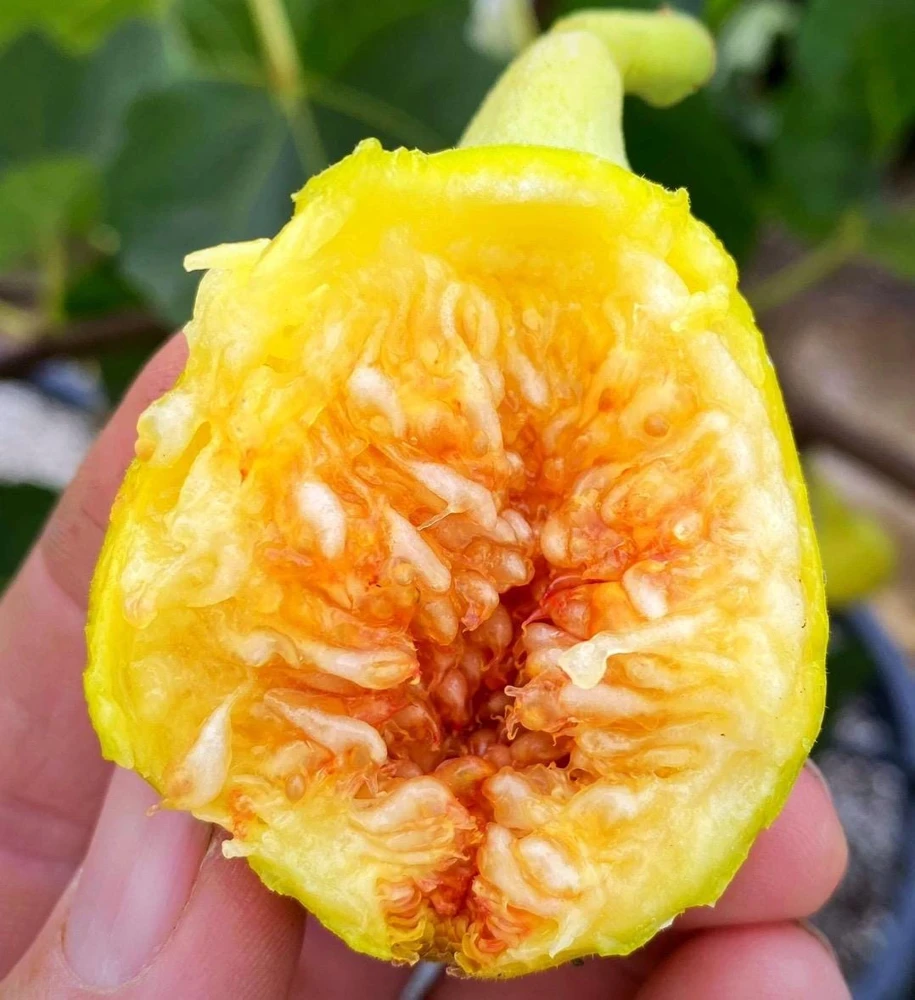
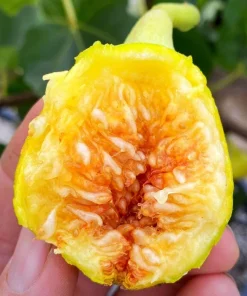
Cultivate your own gourmet figs with this 5 Yellow Long Neck fig tree starter plugs set. Known for their vigorous growth and delicious, golden-yellow fruits, these Ficus carica Yellow Long Neck plants are perfect for home orchards. Enjoy the sweet, honey-flavored amber flesh of these unique figs.
Estimated arrival
Sep 29
Oct 04 - Oct 06
Oct 09 - Oct 13
Shop With Confidence
30-Day Plant Health Guarantee
Arrives damaged? We’ll replace it free — see our return policy.
Responsive Support
Email us anytime, we reply within 1 business day.
Expert Packaging
Temperature-controlled shipping to protect your plants in transit.
Secure Checkout
Pay safely with Visa, Mastercard, PayPal.
Plant Specifications
-
USDA Hardiness Zone
USDA zones 7-10 -
Soil Type
Well-draining soil, slightly alkaline to neutral pH -
Sunlight Exposure
Full sun (6-8+ hours daily) -
Expected Planting Period
Spring to early summer
Overview
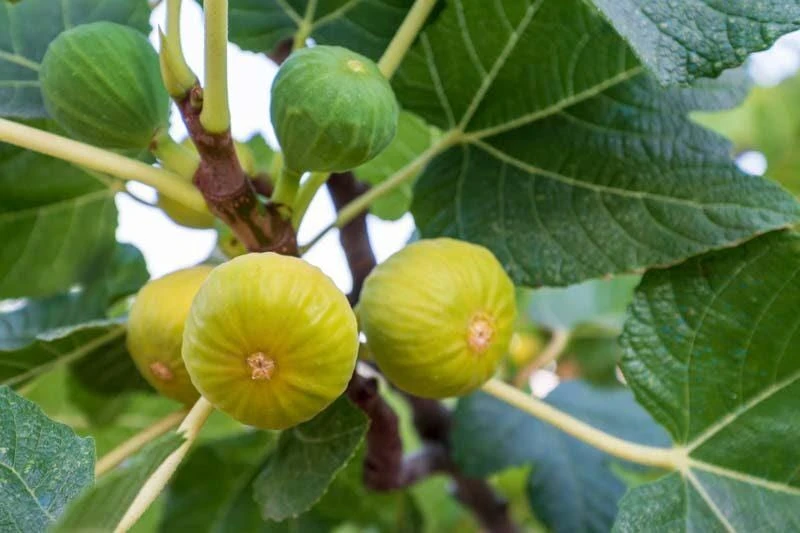
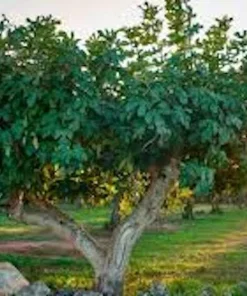
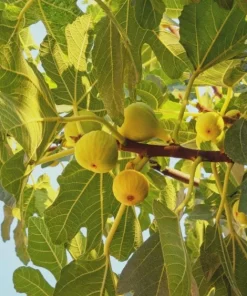
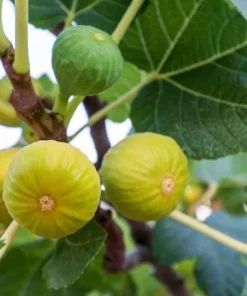
Embark on a rewarding gardening journey with these 5 Yellow Long Neck fig tree starter plugs. The Yellow Long Neck fig tree, scientifically known as Ficus carica ‘Yellow Long Neck’, is a highly sought-after variety celebrated for its distinctive and delicious fruit. These starter plugs offer a convenient way to establish your own fig orchard, whether you’re a seasoned gardener or just beginning. Each plug is a young, vigorous plant ready to be nurtured into a productive fruit-bearing tree. This particular fig variety is renowned for its robust growth and its ability to produce abundant harvests of large, sweet, golden-yellow figs with a characteristic elongated neck. Discover the joy of growing your own fresh figs, perfect for eating fresh, preserving, or baking.
The Yellow Long Neck fig tree is a self-pollinating variety, meaning you only need one tree to get a bountiful harvest. Its striking appearance, both in foliage and fruit, makes it an attractive addition to any garden or patio. These fig tree starter plugs provide a strong foundation for healthy growth, ensuring a successful planting experience. With proper care, these young plants will quickly develop into mature trees, offering years of delicious fruit.
Key Benefits
The Yellow Long Neck fig tree offers a multitude of benefits that make it an excellent choice for any gardener. From its delectable fruit to its ease of care, you’ll find much to appreciate about this unique variety:
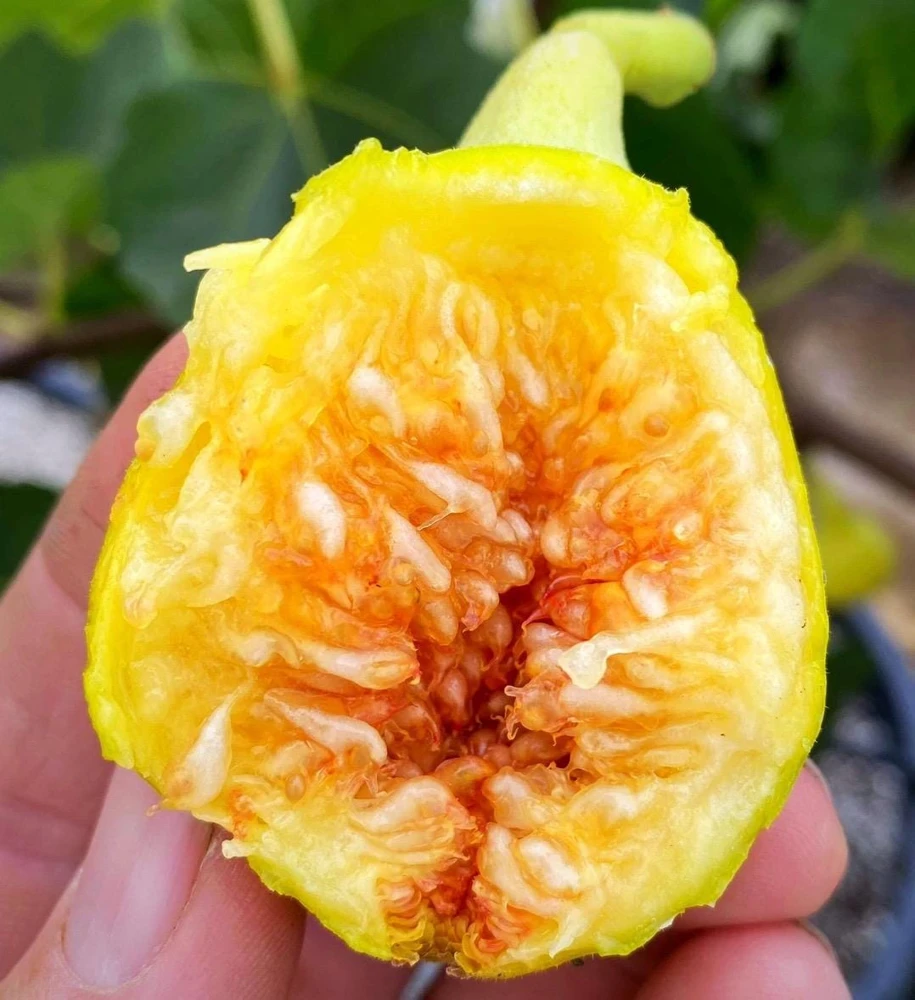
- Exceptional Fruit Quality: Produce large, sweet, golden-yellow figs with a distinctive elongated neck and rich, honey-flavored amber flesh. These figs are perfect for fresh eating, jams, preserves, or baking.
- Vigorous Growth & Productivity: This variety is known for its strong, healthy growth habit, leading to a prolific yield of delicious fruit once established. You’ll enjoy abundant harvests year after year.
- Self-Pollinating: The Ficus carica Yellow Long Neck is a self-fertile variety, eliminating the need for multiple trees for pollination. A single plant can produce a full crop, simplifying your gardening efforts.
- Adaptable & Resilient: Fig trees are generally hardy and can adapt to various growing conditions, making them a forgiving choice for many climates. They can be grown in the ground or in large containers.
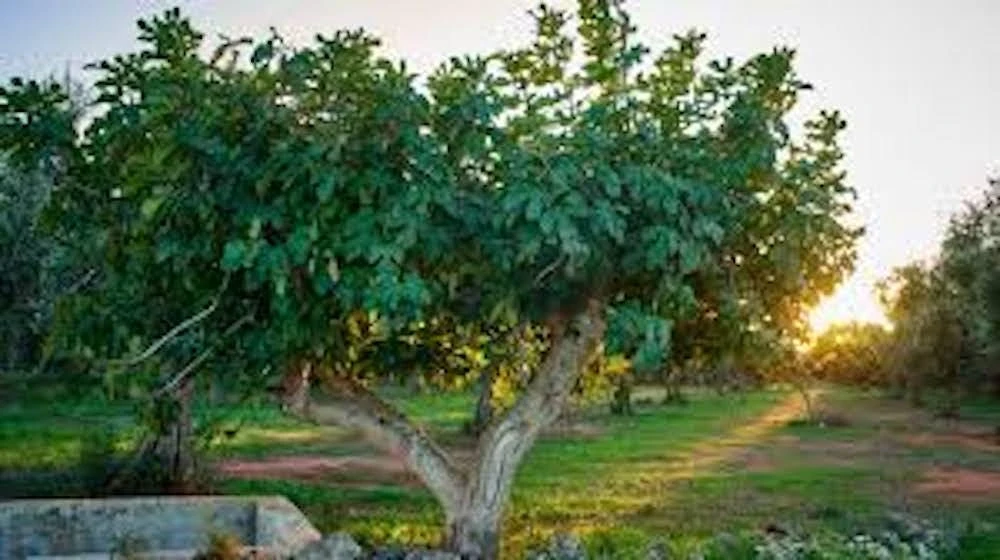
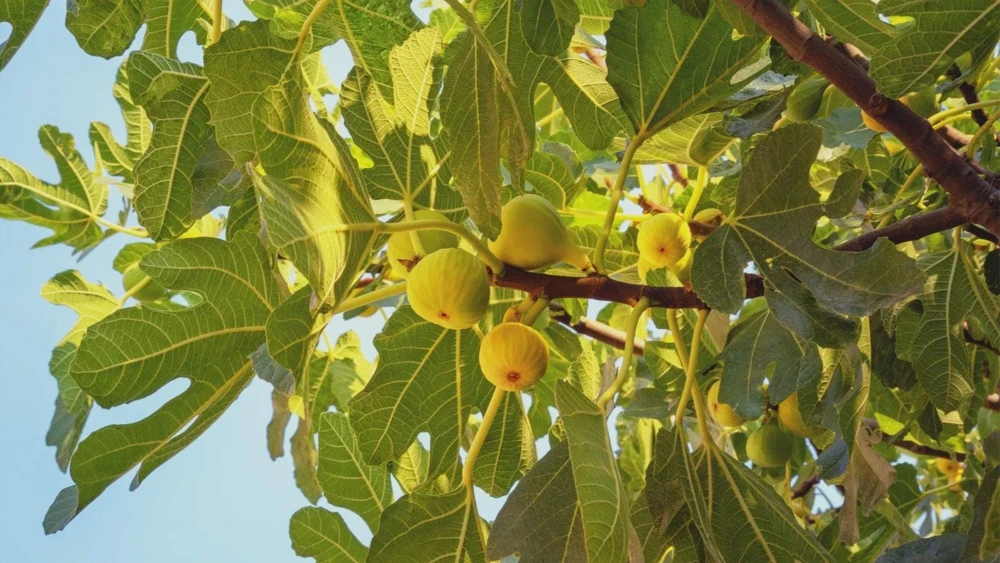
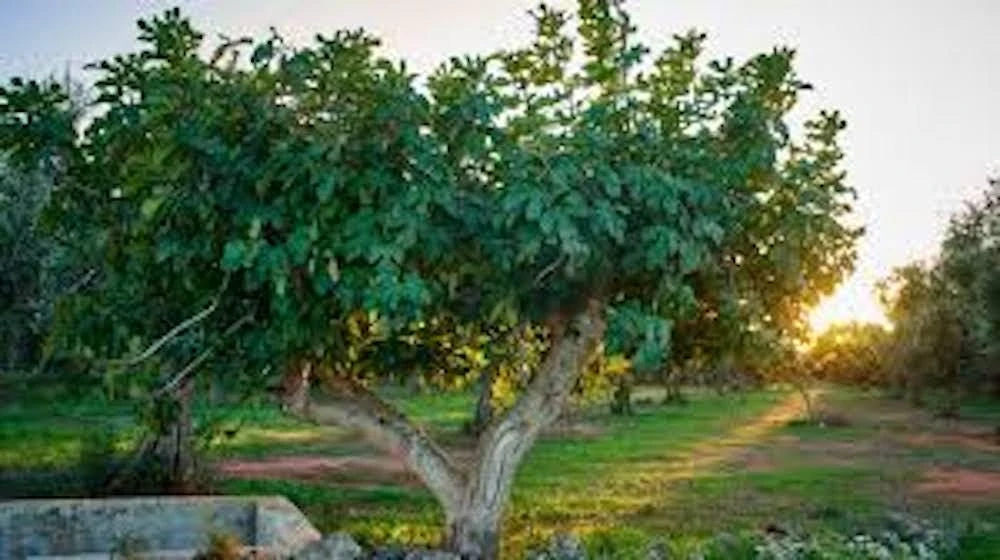
- Ornamental Appeal: Beyond its fruit, the fig tree itself is an attractive plant with large, lobed leaves, adding a touch of Mediterranean charm to your landscape or patio.
- Fresh, Homegrown Produce: Enjoy the unparalleled taste and freshness of figs picked directly from your own tree, free from pesticides and transportation damage.
- Easy to Grow from Starter Plugs: These fig tree starter plugs provide a head start, making it easier for even novice gardeners to successfully grow fig trees and enjoy their sweet bounty.
Plant Care & Growing Tips
To ensure your Yellow Long Neck fig tree thrives and produces abundant fruit, proper care is essential. Fig trees generally prefer full sun, meaning at least 6-8 hours of direct sunlight per day. Choose a location in your garden that receives ample sun exposure, or if growing in a container, place it in a sunny spot. While figs can tolerate some shade, consistent full sun will result in sweeter and more numerous fruits. They are relatively drought-tolerant once established but appreciate consistent moisture during fruiting periods. Water deeply when the top inch or two of soil feels dry, allowing the soil to dry out slightly between waterings to prevent root rot. Reduce watering significantly in winter or during dormancy.
Fig trees prefer well-draining soil with a slightly alkaline to neutral pH (6.0-7.0). A good quality potting mix enriched with compost is ideal for container-grown plants. For in-ground planting, amend heavy clay soils with organic matter to improve drainage. The Ficus carica Yellow Long Neck is known to be hardy in USDA zones 7-10, though protection may be needed in colder parts of zone 7 during severe winters. Fertilize your Yellow Long Neck fig tree in early spring with a balanced slow-release fertilizer, and again in mid-summer if needed, especially for container-grown plants. Avoid over-fertilizing, which can lead to excessive foliage growth at the expense of fruit production. Pruning should be done in late winter or early spring while the tree is dormant to shape the tree, remove dead or crossing branches, and encourage new growth and fruit production. Keep an eye out for common fig pests like fig rust or fig mosaic virus, though this variety is generally robust.
Size & Details
This offering includes 5 Yellow Long Neck fig tree starter plugs. Each starter plug is a young, actively growing plant, typically measuring a few inches in height, ready for transplanting into a larger pot or directly into your garden bed. These plants are shipped bare root, meaning they will arrive without soil or a pot, allowing for easier and safer transport. Upon arrival, they should be planted promptly to ensure optimal establishment. The Yellow Long Neck fig tree is a vigorous grower and can reach a mature height of 10-20 feet with a similar spread when grown in the ground, though it can be kept smaller through pruning or by growing in a large container. Expect fruit production to begin within 2-3 years of planting, with increasing yields as the tree matures. This particular variety is known for its relatively fast growth rate, allowing you to enjoy your own sweet fig fruit sooner.
Frequently Asked Questions
- Q: How big does this plant get? A: When planted in the ground, the Yellow Long Neck fig tree can grow to be 10-20 feet tall and wide. Its size can be managed through regular pruning, and it can also be grown successfully in large containers to keep it more compact.
- Q: What size pot does it come in? A: These are fig tree starter plugs and are shipped bare root, meaning they do not come in a pot. You will need to provide a suitable container (at least 1-gallon to start) or prepare a garden bed for planting upon arrival.
- Q: Is this an indoor or outdoor plant? A: The Yellow Long Neck fig tree is primarily an outdoor plant, hardy in USDA zones 7-10. In colder climates, it can be grown in containers and brought indoors during winter, or given winter protection if planted in the ground.
- Q: How much sunlight does it need? A: This fig tree thrives in full sun, requiring at least 6-8 hours of direct sunlight daily for optimal growth and fruit production. More sun generally leads to sweeter, more abundant figs.
- Q: Is this plant easy to care for? Is it good for beginners? A: Yes, the Yellow Long Neck fig tree is considered relatively easy to care for, especially for a fruit-bearing tree. Its resilience and self-pollinating nature make it a good choice for beginner gardeners looking to grow fig trees.
- Q: What condition will it arrive in? Is it shipped in soil? A: The 5 Yellow Long Neck fig tree starter plugs are shipped bare root, which means they will arrive without soil. This method helps reduce shipping shock and ensures the plants are ready for immediate planting in your chosen medium.
- Q: How long until it blooms and produces fruit? A: You can typically expect your Yellow Long Neck fig tree to begin producing fruit within 2-3 years after planting. Fruit production will increase significantly as the tree matures.
- Q: What’s the best time to plant these starter plugs? A: The best time to plant these fig tree starter plugs is typically in spring after the last frost, or in early fall in warmer climates, allowing them to establish before extreme temperatures.
- Q: Can I get a good harvest of sweet fig fruit from just one tree? A: Yes, the Ficus carica Yellow Long Neck is a self-pollinating variety, so a single tree is capable of producing a good harvest of delicious sweet fig fruit without the need for a second tree.
- Q: Will it survive winter in my zone? A: The Yellow Long Neck fig tree is hardy in USDA zones 7-10. In zone 7, winter protection may be necessary for young trees or during particularly harsh winters. In zones 8-10, it generally overwinters without issue.
Be the first to review “5 Yellow Long Neck Fig Tree Starter Plugs – Ficus carica – Live Bare Root Plants”
People Also Viewed
Trees
Owari Satsuma Mandarin Tree – Live Grafted Plant, 1 Gallon, 2 ft Tall – Cold Hardy Citrus Fruit

Reviews
There are no reviews yet.