
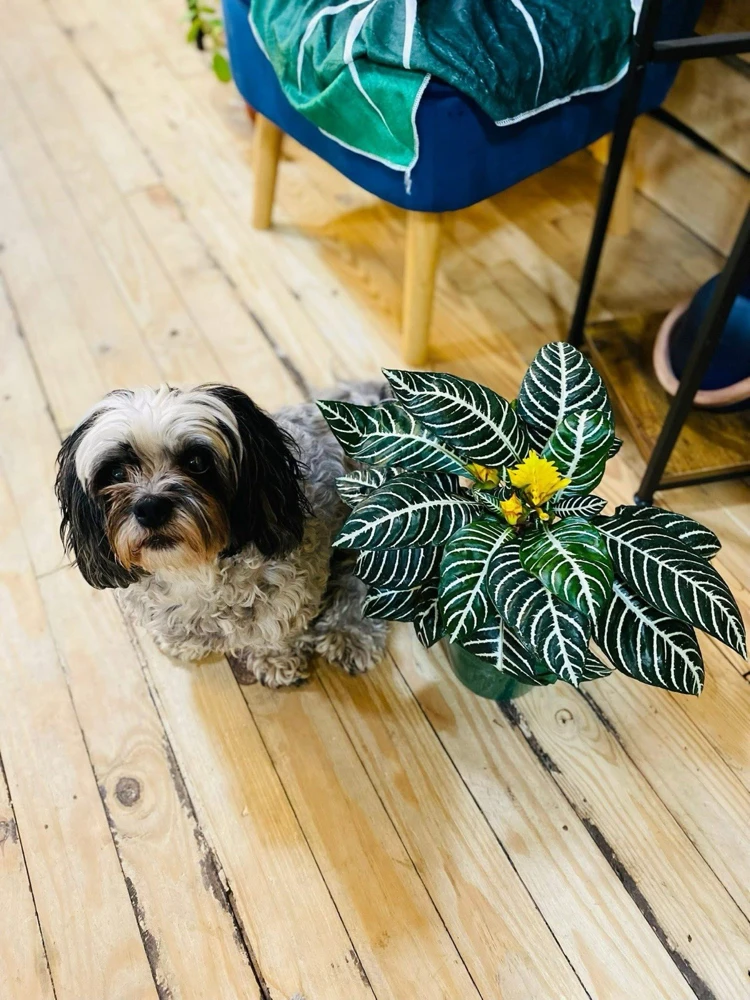
Zebra Plant Live Houseplant – Aphelandra squarrosa – Indoor Decorative Foliage
Original price was: $81.99.$61.99Current price is: $61.99.
Bring exotic beauty into your home with a stunning zebra plant live plant. This vibrant houseplant features striking dark green leaves with prominent white or yellow veins, creating a unique striped pattern. Ideal for indoor spaces, it adds a touch of tropical elegance.
Estimated arrival
Oct 27
Nov 01 - Nov 03
Nov 06 - Nov 10
Shop With Confidence
30-Day Plant Health Guarantee
Arrives damaged? We’ll replace it free — see our return policy.
Responsive Support
Email us anytime, we reply within 1 business day.
Expert Packaging
Temperature-controlled shipping to protect your plants in transit.
Secure Checkout
Pay safely with Visa, Mastercard, PayPal.
Plant Specifications
-
USDA Hardiness Zone
USDA zones 9-11 (as an outdoor plant in tropical regions, otherwise indoor) -
Soil Type
Rich, well-draining potting mix -
Sunlight Exposure
Bright, indirect light -
Expected Planting Period
Year-round indoors
Overview
Introduce a touch of the tropics to your home with the captivating zebra plant live plant. Known scientifically as Aphelandra squarrosa, this stunning houseplant is celebrated for its dramatic foliage, featuring deep green leaves boldly striped with contrasting white or yellow veins. Originating from the Atlantic Forest of Brazil, the zebra plant live plant brings an exotic and vibrant aesthetic to any indoor setting. It’s a fantastic choice for plant enthusiasts looking for a distinctive and eye-catching addition to their collection, offering both visual appeal and a lush, green presence. Whether placed on a desk, shelf, or as a centerpiece, its unique appearance is sure to draw admiration and spark conversation.
The zebra plant live plant is not just about its leaves; it also produces beautiful, cone-shaped bracts of yellow or orange flowers, adding another layer of interest to its display. While its foliage is the star, the occasional bloom is a delightful bonus. This plant thrives in warm, humid environments, mimicking its native habitat, making it a perfect fit for many indoor home conditions. Its relatively compact size also makes it versatile for various spaces, from small apartments to larger living areas, providing a consistent source of natural beauty.
Key Benefits
The zebra plant live plant offers numerous benefits beyond its undeniable beauty, making it a cherished addition to any indoor garden:
- Exotic Visual Appeal: The most striking feature is its bold, striped foliage. The vibrant contrast between the dark green leaves and bright veins makes it an instant focal point, adding a unique and tropical flair to any room. This visual richness enhances home decor.
- Air Purification: Like many houseplants, the zebra plant live plant contributes to a healthier indoor environment by helping to filter airborne toxins and improve air quality, creating a fresher living space.
- Compact Size: Its manageable size makes it suitable for various indoor settings, including tabletops, shelves, and desks, without overwhelming the space. It’s an ideal plant for smaller homes or offices.
- Unique Blooms: While primarily grown for its foliage, the plant occasionally produces bright yellow or orange flower spikes, adding an extra dimension of beauty and interest to its display.
- Conversation Starter: Its distinctive appearance makes it a fascinating plant that often draws attention and admiration, serving as an excellent conversation piece among guests.
- Natural Decor Element: The lush green and white patterns provide a natural, organic element that complements diverse interior design styles, from modern minimalist to bohemian.
Plant Care & Growing Tips
Caring for an aphelandra squarrosa care can be rewarding with the right approach. This plant thrives in consistent conditions that mimic its tropical origin. It prefers bright, indirect light; direct sunlight can scorch its delicate leaves, causing them to fade or develop brown spots. An east-facing window is often ideal, or a few feet away from a south or west-facing window with sheer curtains. Ensure even light exposure by rotating the plant regularly to prevent it from leaning towards the light source.
Watering is crucial for the indoor zebra plant. Keep the soil consistently moist but never waterlogged. Allow the top inch of soil to dry out slightly between waterings, especially during the growing season (spring and summer). Reduce watering in winter. Overwatering can lead to root rot, while underwatering causes leaves to droop and potentially drop. Humidity is also vital; this plant loves high humidity. Consider placing it near a humidifier, grouping it with other plants, or using a pebble tray filled with water to increase ambient moisture around the plant. Misting the leaves regularly can also help, but ensure good air circulation to prevent fungal issues.
For soil, a rich, well-draining potting mix is best. A mix formulated for houseplants or tropical plants, often containing peat moss, perlite, and pine bark, will provide the necessary drainage and moisture retention. Fertilize every 2-4 weeks during the growing season with a balanced liquid fertilizer diluted to half strength. Reduce or stop fertilizing during the dormant winter months. Maintain temperatures between 65-75°F (18-24°C) and avoid sudden temperature fluctuations or cold drafts. The zebra plant live plant is sensitive to cold, so keep it away from open windows in winter. Repotting is generally needed every 1-2 years, or when the plant becomes root-bound, preferably in spring. Look out for common pests like spider mites and mealybugs; address them promptly with insecticidal soap or neem oil.
Size & Details
Our zebra plant live plant is typically shipped as a well-rooted specimen, ready to thrive in its new home. It generally arrives in a nursery pot, ensuring its roots are protected during transit. While specific dimensions can vary, these plants usually stand approximately 6-12 inches tall upon arrival, with a spread proportionate to their height. Mature plants can reach up to 1-2 feet in height indoors with proper care, developing a lush, bushy form. The growth rate is moderate, allowing you to enjoy its development over time. The striking foliage, characterized by its prominent white or yellow veins, is present year-round, providing continuous visual interest. Expect to see the characteristic striped leaves and, with optimal conditions, the occasional vibrant flower spike, adding a splash of color to your indoor oasis.
Frequently Asked Questions
- Q: How big does this plant get? A: The indoor zebra plant typically grows to about 1-2 feet (30-60 cm) tall and wide indoors when mature, making it a compact yet impactful houseplant. Its ultimate size can depend on growing conditions and care.
- Q: Is this an indoor or outdoor plant? A: The zebra plant live plant is primarily grown as an indoor houseplant in most climates due to its sensitivity to cold. It thrives in warm, humid indoor environments, similar to its tropical native habitat.
- Q: How much sunlight does it need? A: This plant prefers bright, indirect light. Direct sunlight can scorch its leaves, while too little light can cause the vibrant stripes to fade and inhibit flowering. An east-facing window or a spot a few feet from a south/west window is ideal.
- Q: Is this plant easy to care for? A: While not the most difficult, the aphelandra squarrosa care requires attention to humidity and consistent watering. It’s considered moderately challenging, suitable for those willing to provide specific environmental conditions.
- Q: What condition will it arrive in? A: Your zebra plant live plant will arrive as a healthy, well-established plant in a nursery pot, carefully packaged to ensure its safety during transit. It will be ready to be placed in your chosen decorative planter.
- Q: Is it shipped in soil? A: Yes, all our live plants, including the zebra plant live plant, are shipped securely in their original nursery pots with appropriate soil to minimize stress and ensure a smooth transition to your home.
- Q: Can I use this plant in a terrarium? A: Due to its love for high humidity, the exotic houseplants like the zebra plant can thrive in a large, open terrarium or a cloche, provided there’s enough space for growth and good air circulation to prevent fungal issues.
- Q: What’s the minimum temperature it can tolerate? A: The striped foliage plant is sensitive to cold. It prefers temperatures between 65-75°F (18-24°C) and should not be exposed to temperatures below 60°F (15°C) to prevent damage or stress.
Be the first to review “Zebra Plant Live Houseplant – Aphelandra squarrosa – Indoor Decorative Foliage”
People Also Viewed
Flower Bulbs
Reviews
There are no reviews yet.