
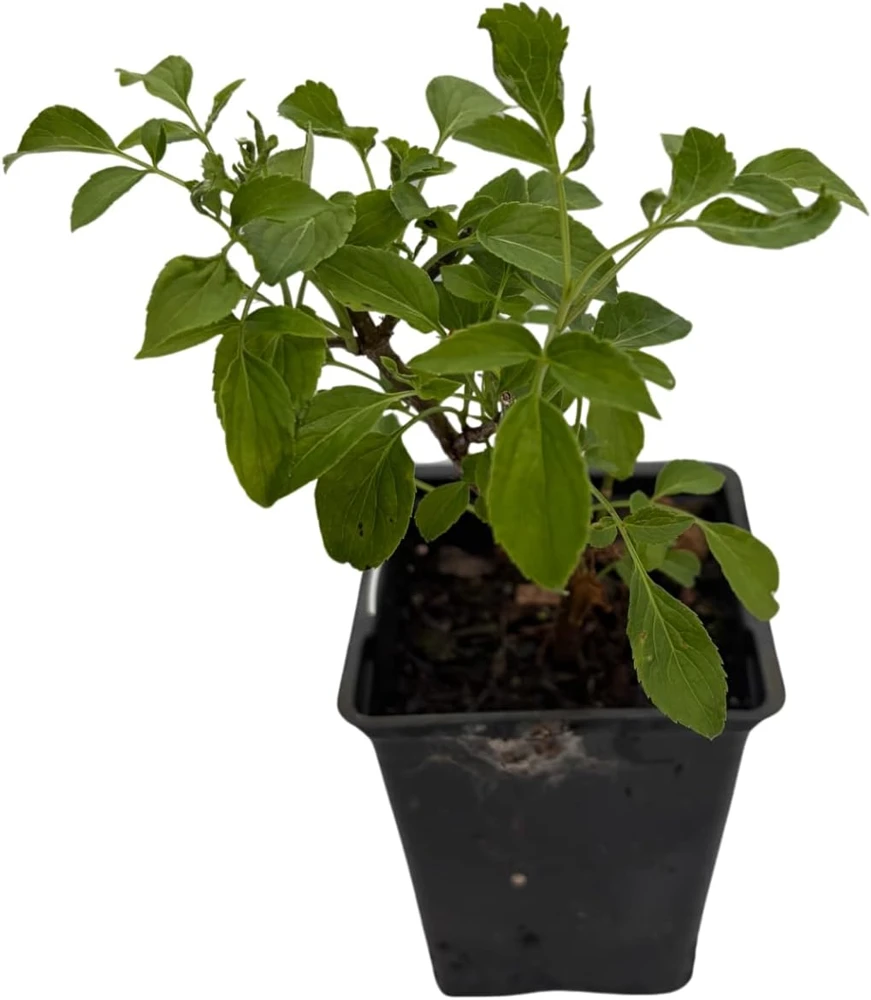
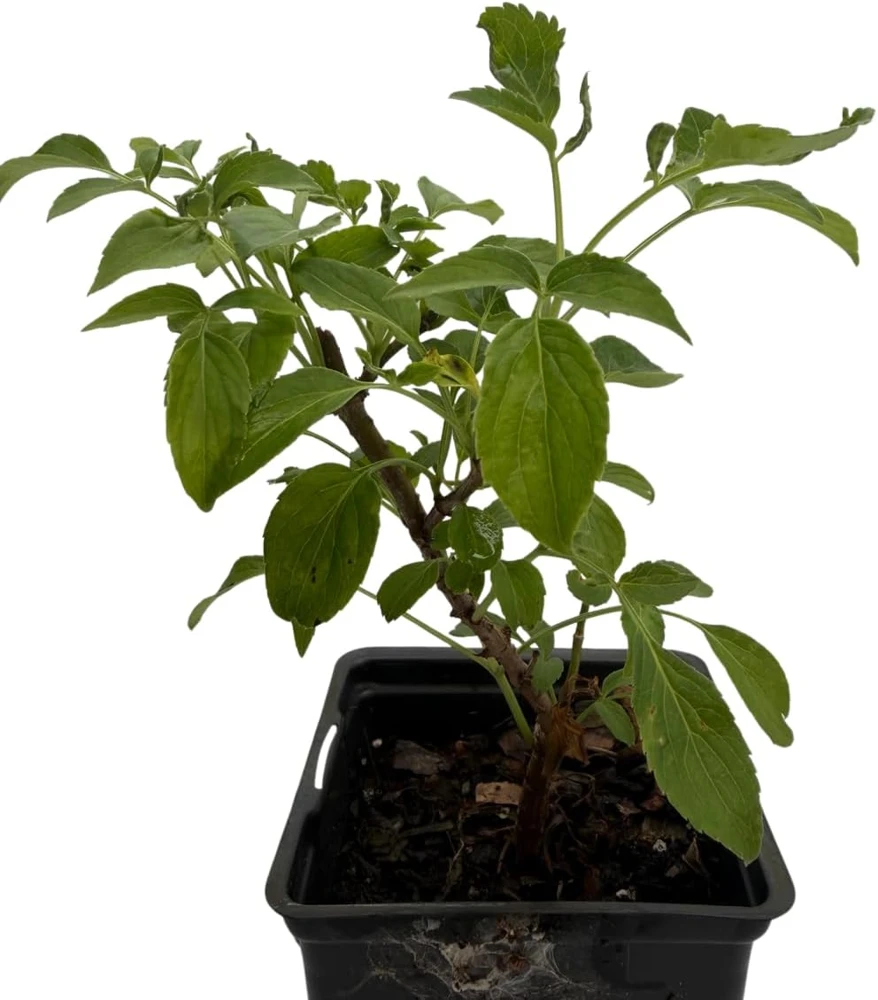
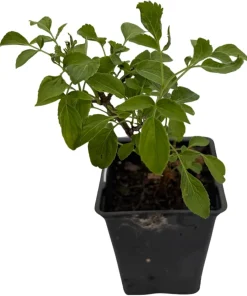
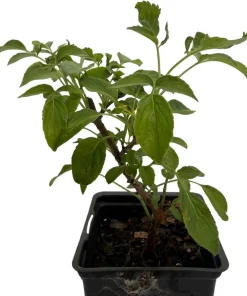
Wild Elderberry Shrub Live Plant – Sambucus Canadensis – 3.25″ Pot
Original price was: $57.99.$47.99Current price is: $47.99.
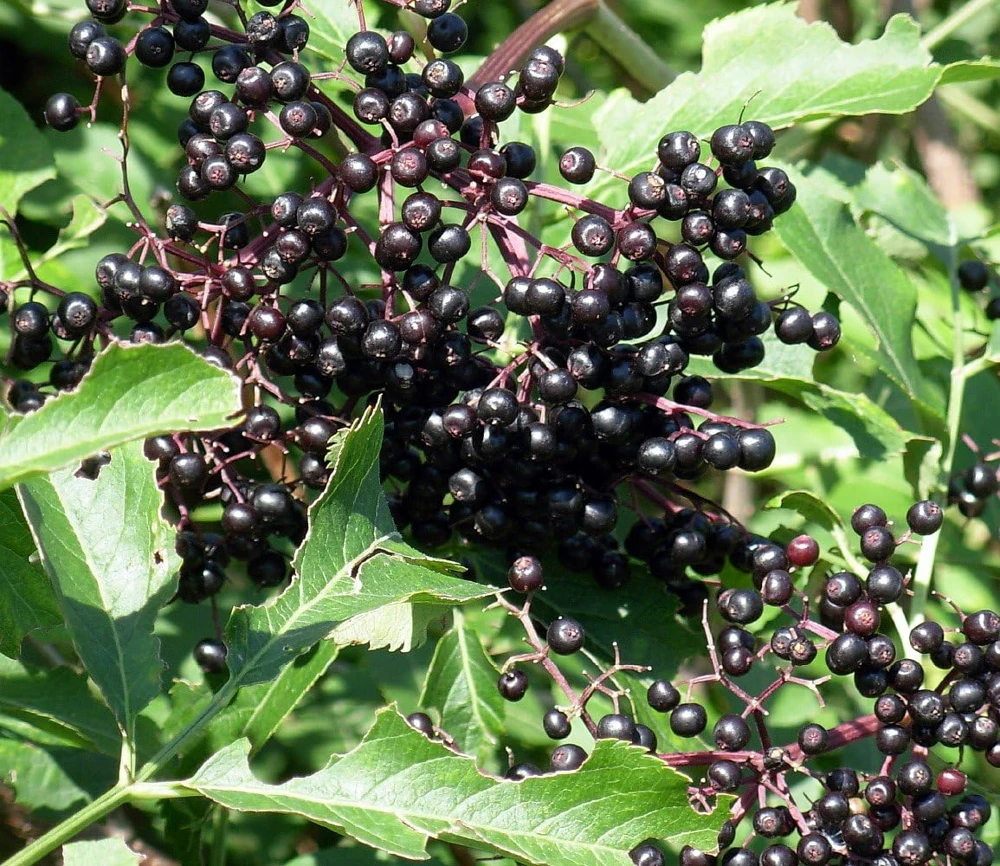
Cultivate your own wild elderberry shrub, a versatile and attractive plant. This Sambucus Canadensis plant comes in a 3.25″ pot, ready to thrive in your garden. Enjoy fragrant white blooms in spring followed by abundant, dark purple, edible elderberry berries perfect for culinary use. It’s also a great wildlife attractant and cold-tolerant.
Estimated arrival
Sep 29
Oct 04 - Oct 06
Oct 09 - Oct 13
Shop With Confidence
30-Day Plant Health Guarantee
Arrives damaged? We’ll replace it free — see our return policy.
Responsive Support
Email us anytime, we reply within 1 business day.
Expert Packaging
Temperature-controlled shipping to protect your plants in transit.
Secure Checkout
Pay safely with Visa, Mastercard, PayPal.
Plant Specifications
-
USDA Hardiness Zone
3-9 -
Soil Type
Moist, well-draining soil -
Sunlight Exposure
Full sun to partial shade -
Expected Planting Period
Spring to early summer
Overview
Introduce a touch of natural beauty and culinary delight to your landscape with the wild elderberry shrub. This offering is for a live wild elderberry shrub (Sambucus canadensis), provided in a convenient 3.25-inch nursery pot, ready for planting. Known for its vigorous growth and adaptability, the Sambucus Canadensis plant is a fantastic addition to any garden, especially for those interested in native plants and edible landscaping. In spring, this deciduous shrub bursts forth with striking clusters of creamy white flowers, which not only add ornamental value but also attract pollinators. As summer progresses, these flowers give way to a bounty of soft, dark purple berries, highly prized for their unique flavor and versatility in the kitchen. Whether you’re looking to make delicious jams, jellies, pies, or wines, these edible elderberry berries are a true garden treasure. Beyond its aesthetic and culinary benefits, the native elderberry plant also serves as an excellent wildlife attractant, providing food and shelter for birds and other small creatures, making your garden a lively ecosystem.
The wild elderberry shrub is incredibly resilient and cold-tolerant, thriving across a wide range of climates. It’s a low-maintenance choice for gardeners seeking both beauty and productivity. Its robust nature and ability to adapt to various soil conditions make it suitable for a variety of garden styles, from formal beds to more naturalized, wilder landscapes. This particular plant is a young specimen, offering you the joy of watching it grow and mature into a magnificent shrub that will provide years of enjoyment and a steady supply of delicious fruit.
Key Benefits
The wild elderberry shrub offers a multitude of benefits, making it an indispensable plant for both ornamental and practical purposes in your garden. From its vibrant seasonal display to its productive yield, here’s why this shrub is an excellent choice:
- Ornamental Appeal: In late spring to early summer, the Sambucus Canadensis plant produces large, flat-topped clusters of fragrant white flowers. These showy blooms create a stunning visual impact and add elegance to your garden design, attracting beneficial insects and pollinators.
- Edible Fruit Production: Following the beautiful flowers, the shrub yields an abundant harvest of dark purple berries. These edible elderberry berries are rich in antioxidants and vitamins, perfect for making a wide array of culinary delights such as jams, jellies, syrups, pies, and even wines and cordials.
- Wildlife Attraction: The flowers provide nectar for bees and butterflies, while the berries are a vital food source for numerous bird species. Planting a wild elderberry shrub can significantly enhance biodiversity in your backyard, creating a vibrant habitat for local wildlife.
- Cold Hardiness: This robust shrub is incredibly resilient, thriving in USDA Hardiness Zones 3-9. Its cold tolerance ensures it can withstand harsh winter conditions, making it a reliable perennial for many regions across the United States.
- Low Maintenance: Once established, the native elderberry plant requires minimal care. It is relatively drought-tolerant and pest-resistant, making it an ideal choice for busy gardeners or those new to growing fruiting shrubs.
- Erosion Control: Due to its extensive root system, the wild elderberry shrub is an excellent plant for stabilizing soil on slopes or along streambanks, helping to prevent erosion and maintain landscape integrity.
- Fast Growth Rate: Elderberry shrubs are known for their relatively fast growth, meaning you won’t have to wait long to enjoy their beautiful blooms and bountiful harvests. They quickly establish themselves and begin producing within a few years.
Plant Care & Growing Tips
To ensure your wild elderberry shrub thrives and produces an abundance of edible elderberry berries, proper care is essential. This resilient plant is relatively easy to care for, making it suitable for gardeners of all experience levels. When choosing a location, select a spot that receives full sun to partial shade; while it can tolerate some shade, full sun (at least 6 hours of direct sunlight daily) will result in the best flowering and fruit production. The Sambucus Canadensis plant is adaptable to a variety of soil types but prefers moist, well-draining soil with a pH between 5.5 and 6.5. Amending heavy clay soils with organic matter like compost can improve drainage and aeration, which is crucial for root health.
Watering is particularly important during the plant’s establishment period and during dry spells. Keep the soil consistently moist but not waterlogged. Once established, elderberries are fairly drought-tolerant but will benefit from supplemental watering during prolonged dry periods, especially when berries are developing. Fertilize your wild elderberry shrub in early spring with a balanced slow-release fertilizer or a layer of compost around the base of the plant. Pruning is best done in late winter or early spring while the plant is dormant. Remove any dead, damaged, or crossing branches, and thin out older, less productive canes to encourage new growth and better fruit production. This practice also helps maintain a desirable size and shape for your elderberry plant care routine. Watch out for common pests like aphids or spider mites, which can usually be managed with organic insecticidal soaps. Diseases are generally not a major issue for this hardy native elderberry plant.
Size & Details
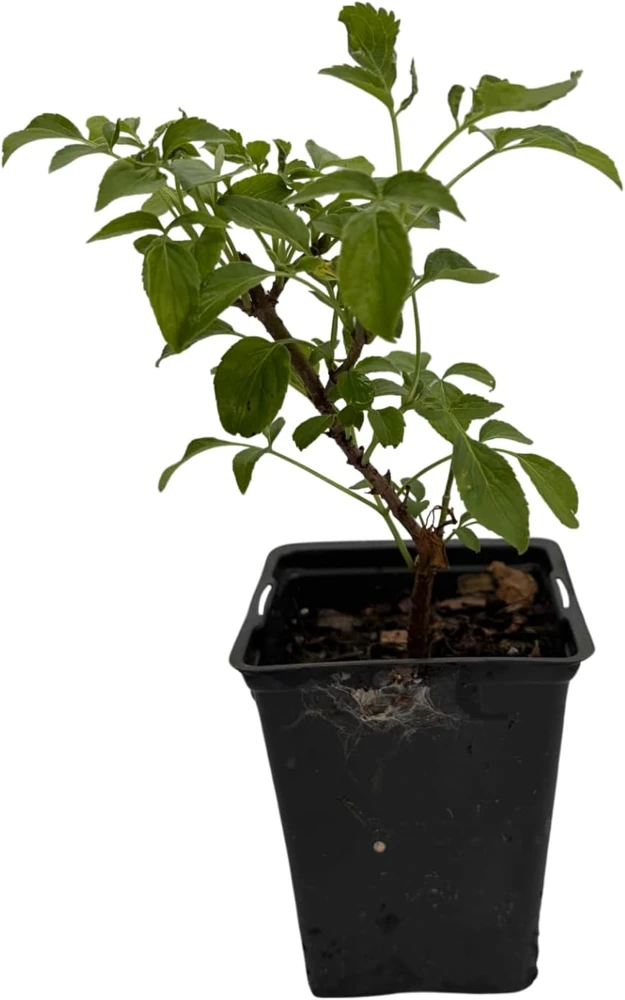
This offering is for one wild elderberry shrub, provided as a live plant in a 3.25-inch nursery pot. At this stage, the plant is young and ready to establish itself in your garden, providing you with the satisfaction of watching it grow. The Sambucus Canadensis plant is known for its vigorous growth habit, typically reaching a mature size of 8-10 feet tall and equally wide. Its growth rate is considered moderate to fast, meaning you can expect it to fill out and begin producing within a few seasons under optimal conditions. The plant ships in its nursery pot with soil, ensuring minimal transplant shock and a healthy start in its new environment. The 3.25-inch pot size is ideal for a young shrub, providing enough root space for initial growth before it’s ready for a larger container or direct ground planting.
These shrubs are cold-tolerant and hardy in USDA Zones 3-9, making them suitable for a vast array of climates across the United States. You can expect beautiful white blooms in mid-summer, followed by the development of dark purple berries later in the summer. The mature height of 8-10 feet makes it an excellent choice for a hedge, a specimen plant, or as part of a wildlife-friendly landscape. With proper elderberry plant care, this shrub will become a long-lasting and productive feature in your garden.
Frequently Asked Questions
- Q: How big does this wild elderberry shrub get? A: This wild elderberry shrub typically reaches a mature size of 8-10 feet tall and 8-10 feet wide. Its vigorous growth can quickly establish a substantial presence in your garden, providing ample space for its beautiful blooms and bountiful berries.
- Q: What size pot does the plant come in? A: The Sambucus Canadensis plant is shipped in a 3.25-inch nursery pot. This size is perfect for a young, healthy plant, providing a good root system for transplanting into your garden or a larger container.
- Q: Is this an indoor or outdoor plant? A: The wild elderberry shrub is an outdoor plant. It thrives in garden settings, requiring ample space to grow and mature. It is not suitable for long-term indoor cultivation.
- Q: How much sunlight does the native elderberry plant need? A: This shrub prefers full sun to partial shade. For the best fruit production and overall health, aim for at least 6 hours of direct sunlight per day.
- Q: Is this plant easy to care for? A: Yes, the wild elderberry shrub is known for being relatively low-maintenance and easy to care for once established. It’s an excellent choice for both beginner and experienced gardeners, especially if you follow basic elderberry plant care guidelines.
- Q: What condition will it arrive in? A: Your wild elderberry shrub will arrive as a healthy, live plant in its 3.25-inch nursery pot, carefully packaged to ensure its safety during transit. It will be ready for immediate planting upon arrival.
- Q: Can I use the berries from this wild elderberry shrub? A: Yes, the berries from the Sambucus Canadensis plant are indeed edible. They are perfect for making jams, jellies, wines, and other culinary creations. However, they should generally be cooked before consumption.
- Q: How long until it blooms and produces edible elderberry berries? A: A young wild elderberry shrub typically begins to bloom and produce berries within 1-3 years after planting, depending on growing conditions and care. You can expect blooms in mid-summer, followed by berries later in the season.
- Q: Will it survive winter in my zone? A: This native elderberry plant is cold-tolerant and hardy in USDA Zones 3-9, meaning it can withstand cold winter temperatures in a wide range of regions.
- Q: What’s the mature height of the Sambucus Canadensis plant? A: The Sambucus Canadensis plant can reach a mature height of 8-10 feet, forming a substantial and attractive shrub that provides excellent visual interest and wildlife benefits.
Be the first to review “Wild Elderberry Shrub Live Plant – Sambucus Canadensis – 3.25″ Pot”
People Also Viewed
Grasses
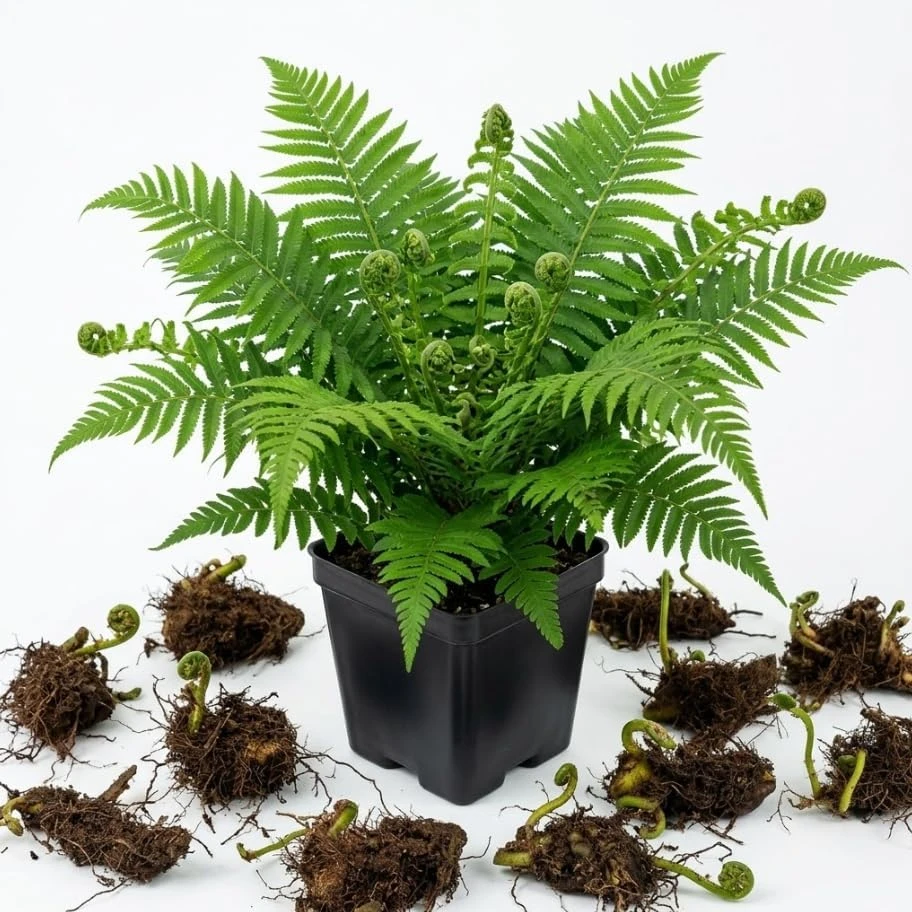
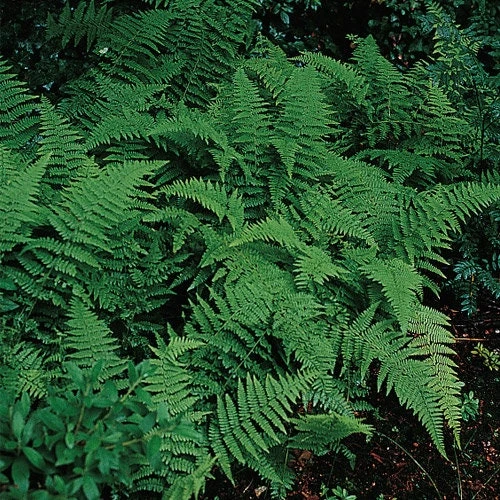
5 Hay Scented Fern Clumps – Dennstaedtia punctilobula – Live Plant – 1.5-2 ft Tall – Hardy Zones 3-8
Reviews
There are no reviews yet.