

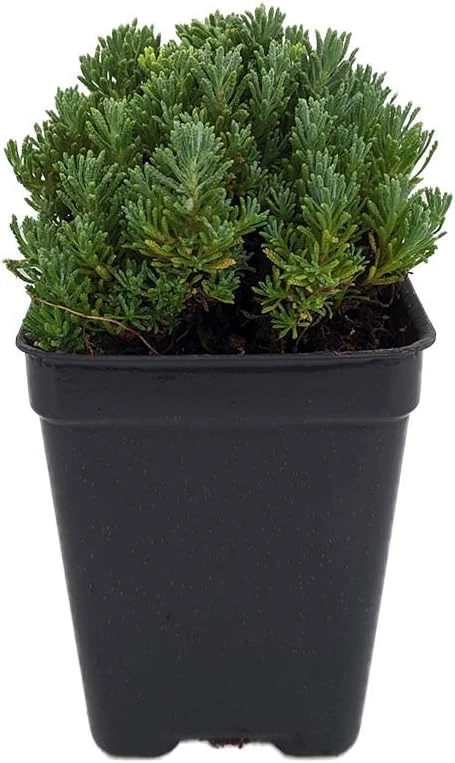
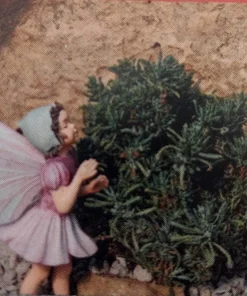
Little Ness Santolina Live Plant – Dwarf Shrub – Yellow Flowers – 2.5″ Pot – Outdoor
Original price was: $39.99.$29.99Current price is: $29.99.
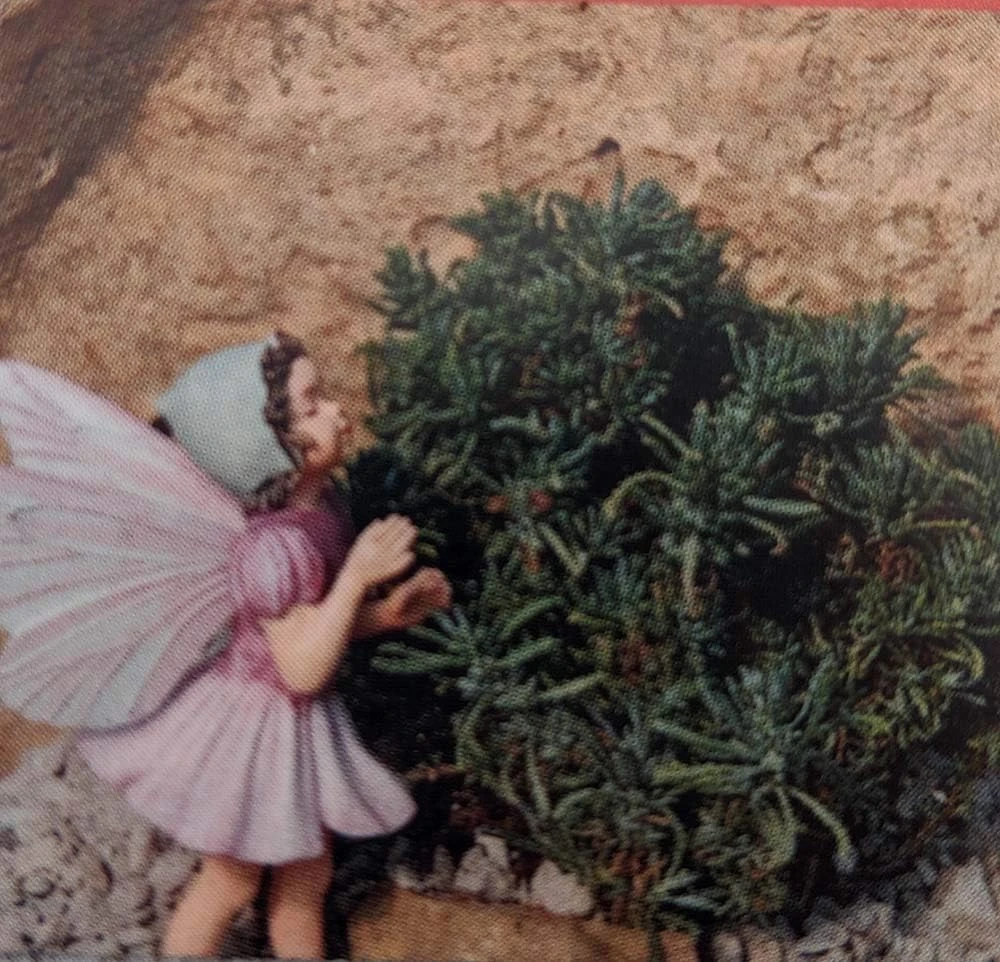
Enhance your outdoor space with a charming little ness santolina live plant. This dwarf shrub, thriving in zones 6-9, is ideal for fairy and rock gardens, offering fragrant foliage and bright yellow flowers. It’s known for deterring critters, making it a functional and beautiful addition to your landscape.
Estimated arrival
Sep 29
Oct 04 - Oct 06
Oct 09 - Oct 13
Shop With Confidence
30-Day Plant Health Guarantee
Arrives damaged? We’ll replace it free — see our return policy.
Responsive Support
Email us anytime, we reply within 1 business day.
Expert Packaging
Temperature-controlled shipping to protect your plants in transit.
Secure Checkout
Pay safely with Visa, Mastercard, PayPal.
Plant Specifications
-
USDA Hardiness Zone
6-9 -
Soil Type
Well-draining, sandy or gravelly soil -
Sunlight Exposure
Part to Full Sun -
Expected Planting Period
Spring to early fall
Overview
Introduce a touch of whimsical charm and practical garden benefits with the little ness santolina live plant. This delightful dwarf shrub, also known as Cotton Lavender, is perfectly suited for adding texture and fragrance to your outdoor spaces. Originating from the Mediterranean, Santolina chamaecyparissus ‘Little Ness’ is a compact variety prized for its finely textured, silvery-green foliage and bright yellow, button-like flowers that bloom profusely in summer. Unlike its larger relatives, which are often used as moth repellents, this particular dwarf cultivar is reputed to help deter unwanted critters from the garden, making it a valuable addition beyond its aesthetic appeal. Whether you’re designing a intricate fairy garden, creating a drought-tolerant rock garden, or simply seeking a low-maintenance, fragrant shrub, the little ness santolina live plant is an excellent choice for gardeners looking for both beauty and utility in a small package.
Key Benefits
The little ness santolina live plant offers a multitude of benefits, making it a standout choice for various garden applications. Its unique characteristics contribute to a vibrant and resilient landscape.
- Fragrant Foliage: Enjoy the pleasant, aromatic scent released by the silvery-green leaves, adding an extra sensory dimension to your garden. This fragrance is also believed to deter certain garden pests.
- Critter Deterrent: This dwarf santolina is particularly noted for its ability to help keep four-legged critters away from your precious plants, offering a natural and attractive solution.
- Drought Tolerant: Once established, the little ness santolina live plant is highly tolerant of dry conditions, making it an excellent choice for xeriscaping or gardens in arid climates.
- Compact Growth Habit: With a mature size of approximately 4 inches tall and 4 inches wide, this plant is perfect for small spaces, container gardening, or as a charming groundcover. It’s an ideal dwarf santolina plant for tight spots.
- Vibrant Yellow Blooms: Brighten your garden with cheerful yellow, button-like flowers that emerge in mid-summer, providing a beautiful contrast against the silvery foliage. These flowers attract beneficial pollinators.
- Low Maintenance: This hardy shrub requires minimal care, thriving in sunny locations with well-draining soil, making it suitable for both experienced and novice gardeners.
- Versatile Landscaping: Excellent for use in rock gardens, fairy gardens, borders, pathways, or as an accent plant, adding year-round interest with its evergreen foliage. If you’re looking for santolina for rock gardens, this is an ideal specimen.
Plant Care & Growing Tips
Caring for your little ness santolina live plant is straightforward, ensuring a healthy and thriving addition to your garden. This resilient shrub prefers specific conditions to reach its full potential. For optimal growth, plant your santolina in an area that receives at least 6 hours of direct sunlight daily; it thrives in ‘Part to Full Sun’ conditions. Good air circulation is also beneficial to prevent fungal issues. When it comes to watering, this plant is drought-tolerant once established. Water regularly after planting to help it settle in, but once mature, allow the soil to dry out completely between waterings. Overwatering can lead to root rot, so err on the side of underwatering.
The ideal soil for a dwarf santolina plant is well-draining and sandy or gravelly. It tolerates poor soil conditions but will not perform well in heavy, waterlogged clay. Amending heavy soils with sand or grit can improve drainage significantly. This plant is hardy in USDA Zones 6-9, meaning it can withstand winter temperatures down to -10°F to 0°F. In colder zones, it can be grown in containers and brought indoors during winter or treated as an annual. Fertilization is generally not necessary; santolina prefers lean soil. If growth appears stunted, a light application of a balanced, slow-release fertilizer in spring can be applied. Pruning is essential for maintaining its compact shape and promoting dense foliage. Lightly shear the plant after flowering to remove spent blooms and encourage a bushier habit. Avoid heavy pruning into old wood, as it may not regrow.
Size & Details
The little ness santolina live plant is a compact and charming addition to any garden, typically reaching a mature size of approximately 4 inches in height and 4 inches in width. This makes it an ideal choice for small spaces, container gardening, or as an intricate component of a fairy or rock garden. Each plant is shipped as a live specimen in a 2.5-inch nursery pot, providing a well-rooted starter plant ready for transplanting. While young, the plant will establish its root system and begin to fill out, reaching its full mature size within one to two growing seasons under optimal conditions. It boasts a moderate growth rate, ensuring it establishes quickly without becoming unruly. Expect vibrant yellow flowers to emerge in mid-summer to early fall, adding a splash of color to its silvery-green foliage. This particular fragrant santolina shrub is perfect for creating defined edges or adding textural contrast.
Frequently Asked Questions
- Q: How big does this plant get? A: The little ness santolina live plant is a dwarf variety, typically growing to a compact size of about 4 inches tall and 4 inches wide at maturity. It’s perfect for small-scale landscaping.
- Q: What size pot does it come in? A: Each live plant is carefully shipped in a 2.5-inch nursery pot, providing a healthy root system ready for transplanting into your garden or a larger container.
- Q: Is this an indoor or outdoor plant? A: This Santolina is primarily an outdoor plant, ideally suited for garden beds, rockeries, and containers in full sun. It can be overwintered indoors in colder climates if grown in a pot.
- Q: How much sunlight does it need? A: The dwarf santolina plant thrives in ‘Part to Full Sun’, meaning it requires at least 6 hours of direct sunlight per day for the best growth and flowering.
- Q: Is this plant easy to care for? A: Yes, Santolina ‘Little Ness’ is considered a low-maintenance plant. It’s drought-tolerant once established and generally pest-resistant, making it a good choice for beginners.
- Q: What condition will it arrive in? A: Your little ness santolina live plant will arrive as a healthy, rooted plant in its nursery pot, carefully packaged to ensure its safe journey to your home.
- Q: Can I use this plant to deter pests? A: Yes, this specific dwarf santolina is known for its ability to help deter four-legged critters from the garden, adding a practical benefit to its beauty. Many gardeners seek out fragrant santolina shrub varieties for this reason.
- Q: When is the best time to plant? A: The best time to plant your Santolina is in spring after the last frost, or in early fall before the ground freezes, allowing it time to establish before extreme weather.
- Q: Will it survive winter in my zone? A: This plant is hardy in USDA Zones 6-9. If you are in these zones, it should survive winter outdoors. In colder zones, it’s best to grow it in a container and bring it indoors or provide winter protection.
- Q: What are the flowers like on this plant? A: The yellow santolina flowers are small, bright yellow, and button-like, appearing in abundance during mid-summer to early fall, providing a cheerful contrast to the silvery foliage.
Be the first to review “Little Ness Santolina Live Plant – Dwarf Shrub – Yellow Flowers – 2.5″ Pot – Outdoor”
People Also Viewed
Flowers
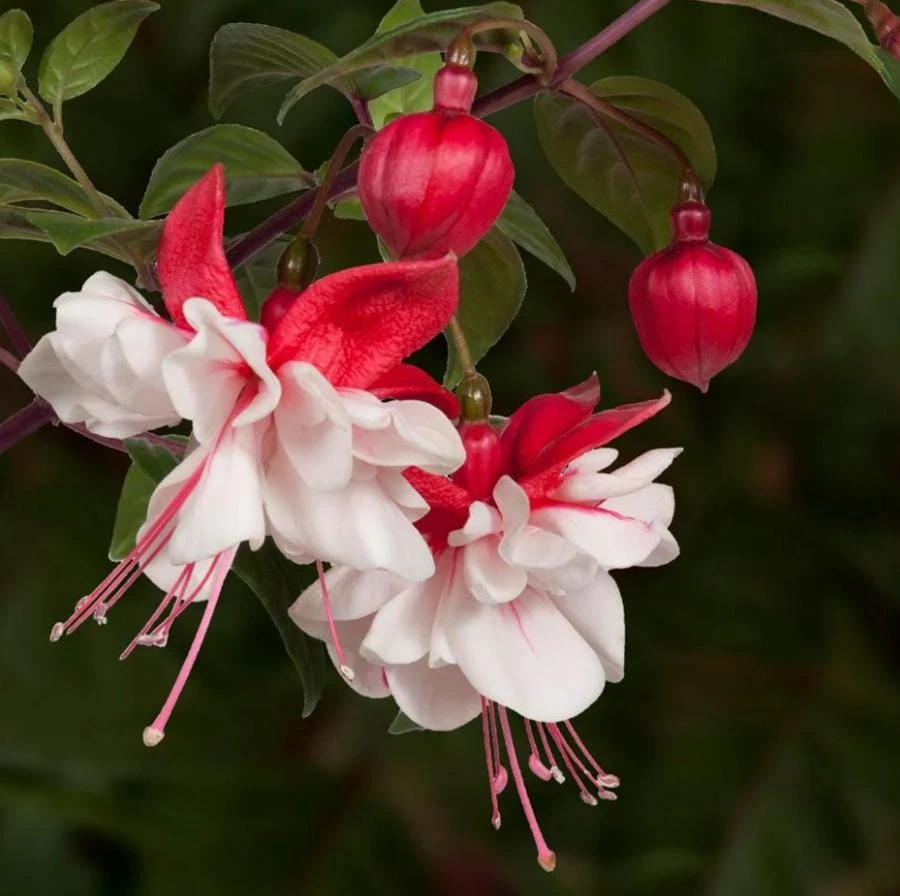
Swingtime Fuchsia Live Plant – 5″ Pot – Red & White Blooms – Attracts Hummingbirds – Outdoor Shrub
Reviews
There are no reviews yet.