
Atemoya Red Geffner Live Plant – 3 to 4 Feet Tall – Ships in 3 Gallon Pot – Tropical Fruit Tree
$177.76
Cultivate your own exotic fruit with this healthy atemoya red geffner live plant, standing 3 to 4 feet tall and shipped in a 3-gallon pot. This tropical fruit tree is known for its sweet and creamy fruit, perfect for warm climates and edible landscapes.
Estimated arrival
Sep 14
Sep 19 - Sep 21
Sep 24 - Sep 28
Shop With Confidence
30-Day Plant Health Guarantee
Arrives damaged? We’ll replace it free — see our return policy.
Responsive Support
Email us anytime, we reply within 1 business day.
Expert Packaging
Temperature-controlled shipping to protect your plants in transit.
Secure Checkout
Pay safely with Visa, Mastercard, PayPal.
Plant Specifications
-
USDA Hardiness Zone
USDA Zones 9-11 (outdoors); container plant for colder zones -
Soil Type
Well-draining, rich in organic matter, slightly acidic to neutral pH -
Sunlight Exposure
Full sun (6-8 hours direct sunlight daily) -
Expected Planting Period
Spring to early summer (after last frost)
Overview
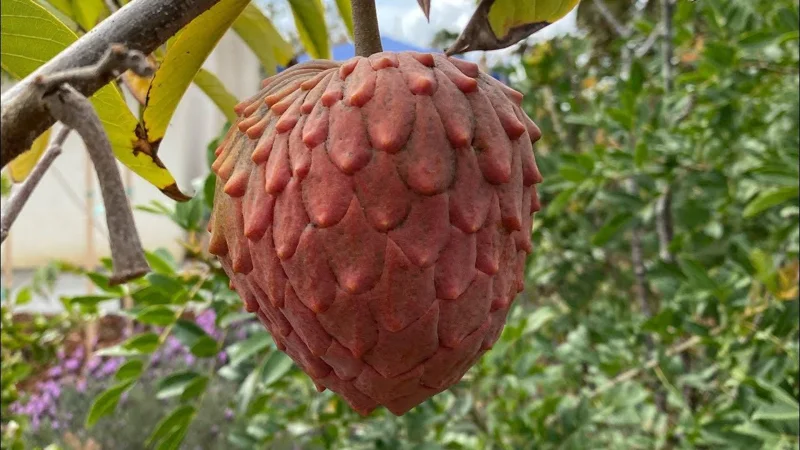
Experience the joy of growing your own exotic fruit with the atemoya red geffner live plant. This particular variety, known for its delicious and creamy fruit, is a hybrid of the cherimoya and sugar apple, offering a unique flavor profile that is both sweet and subtly tart. Our healthy atemoya red geffner live plant arrives at your doorstep thriving, typically measuring 3 to 4 feet tall and ready for planting in its 3-gallon nursery pot. The Red Geffner Atemoya is highly prized for its large, heart-shaped fruit with a reddish blush when ripe, making it a visually appealing addition to any garden or patio. This tropical fruit tree is a fantastic choice for gardeners in warmer climates or those with suitable indoor growing conditions, eager to harvest their own gourmet fruit.
The Atemoya, often referred to as a ‘custard apple’, produces fruit with a creamy, melt-in-your-mouth texture and a delightful aroma. The atemoya fruit tree is not only productive but also adds a lush, tropical aesthetic to your outdoor space or a large conservatory. With proper care, this plant will reward you with abundant, delectable fruits. Growing an atemoya red geffner live plant allows you to enjoy fresh, organic fruit right from your backyard, providing a unique culinary experience that store-bought fruits often can’t match. This vigorous grower is an excellent investment for any edible landscaping project.
Key Benefits
Bringing a atemoya red geffner live plant into your home or garden offers numerous advantages, from its delightful fruit to its ornamental appeal. Here are some of the key benefits:
- Exotic Fruit Production: Enjoy harvesting your very own delicious and creamy atemoya fruit. The Red Geffner variety is particularly noted for its sweet, rich flavor and appealing reddish hue when ripe, providing a gourmet treat unlike any other.
- Nutrient-Rich Harvest: Atemoya fruits are packed with vitamins, minerals, and antioxidants, contributing to a healthy diet. Growing your own ensures a fresh, organic source of these beneficial nutrients, supporting your well-being.
- Tropical Aesthetic Appeal: The lush, large leaves and unique fruit of the atemoya red geffner live plant add a stunning tropical element to your landscape. It creates an exotic focal point in gardens, patios, or even large indoor spaces.
- Unique Culinary Experience: The sweet and creamy texture of atemoya makes it perfect for eating fresh, adding to smoothies, desserts, or even making ice cream. It offers a versatile ingredient for adventurous cooks and food enthusiasts.
- Relatively Low Maintenance: Once established, the atemoya fruit tree is surprisingly resilient and requires moderate care, making it suitable for both experienced gardeners and those new to growing tropical fruits.
- Pollinator Attraction: The flowers of the atemoya tree can attract beneficial pollinators to your garden, contributing to the overall health and biodiversity of your outdoor space.
- Sustainable Living: Cultivating your own fruit reduces reliance on commercial produce, promoting a more sustainable and self-sufficient lifestyle. You control the growing conditions, ensuring a chemical-free harvest.
Plant Care & Growing Tips
Caring for your atemoya red geffner live plant involves understanding its tropical origins and providing an environment that mimics its natural habitat. This means particular attention to sunlight, watering, soil, and temperature. For optimal growth and fruit production, place your atemoya in a location that receives full sun, meaning at least 6-8 hours of direct sunlight per day. In very hot climates, some afternoon shade can be beneficial to prevent leaf scorch. If growing indoors, a south-facing window or supplemental grow lights are essential to ensure adequate light exposure for your atemoya red geffner live plant.
Watering is crucial, especially during the growing season. The soil should be kept consistently moist but never waterlogged. Allow the top inch or two of soil to dry out slightly between waterings, then water deeply. Reduce watering during cooler months or when the plant is dormant. Good drainage is paramount; use a well-draining potting mix if container planting, or ensure your garden soil is not compacted. A slightly acidic to neutral soil pH (6.0-7.0) is ideal. Fertilize your growing atemoya tree every 2-3 months during the growing season with a balanced, slow-release fertilizer formulated for fruit trees. Reduce fertilization in fall and winter.
The Atemoya thrives in warm temperatures, ideally between 65°F and 85°F (18°C-29°C). It is sensitive to frost and should be protected from temperatures below 30°F (-1°C). In USDA zones 9-11, it can be grown outdoors year-round. In cooler zones, it’s best to grow the tropical fruit plant in a container that can be moved indoors during winter. Pruning should be done to maintain shape, remove dead or diseased branches, and encourage fruit production. Pests like mealybugs or aphids can occasionally be an issue; inspect your plant regularly and treat with organic insecticidal soap if necessary. Ensure good air circulation to prevent fungal diseases.
Size & Details
This atemoya red geffner live plant is typically shipped at a height of 3 to 4 feet, measured from the base of the pot to the top of the plant. It comes securely planted in a 3-gallon nursery pot, providing a well-established root system ready for transplanting. The Red Geffner Atemoya is a moderately fast-growing tree, and with proper care, it can reach mature heights of 15-20 feet in ideal outdoor conditions, though it can be maintained smaller with regular pruning, especially when grown in containers. Expect the plant to start fruiting within 2-4 years of planting, with fruit typically maturing in late summer to fall. The fruit itself is large, often weighing between 1 to 2 pounds, and has a distinctive reddish-green skin when ripe. This atemoya fruit tree is a long-term investment that will provide many years of delicious harvests.
Frequently Asked Questions
- Q: How big does this atemoya plant get? A: This atemoya red geffner live plant ships at 3 to 4 feet tall. When mature, it can reach 15-20 feet in height if planted in the ground, but can be kept smaller with pruning for container growing.
- Q: Is this an indoor or outdoor plant? A: The Red Geffner Atemoya is primarily an outdoor plant suitable for USDA Zones 9-11. In colder climates, it can be grown as a container plant and brought indoors during winter to protect it from frost.
- Q: How much sunlight does it need? A: This tropical fruit plant thrives in full sun, requiring at least 6-8 hours of direct sunlight per day for optimal growth and fruit production.
- Q: Is this plant easy to care for? A: While it is a tropical plant, the atemoya red geffner live plant is considered moderately easy to care for once established. Consistent watering, adequate sunlight, and protection from frost are key.
- Q: What condition will it arrive in? A: Your atemoya red geffner live plant will arrive well-packaged, healthy, and actively growing in its 3-gallon nursery pot, ready for acclimation and planting.
- Q: What’s the best time to plant an atemoya tree? A: The best time to plant is in spring or early summer, after the last chance of frost has passed, allowing the plant ample time to establish itself before cooler weather.
- Q: How long until it blooms and fruits? A: Typically, a growing atemoya tree will begin to bloom and set fruit within 2-4 years of planting, depending on growing conditions and care.
- Q: What type of soil does it prefer? A: Atemoya trees prefer well-draining soil that is rich in organic matter. A slightly acidic to neutral pH (6.0-7.0) is ideal for healthy growth.
- Q: Will it survive winter in my zone? A: If you are in USDA Zones 9-11, your atemoya fruit tree can survive winter outdoors. In colder zones, it must be protected from frost, either by bringing it indoors or providing significant winter protection.
- Q: Can I grow this plant in a pot indefinitely? A: Yes, the atemoya red geffner live plant can be successfully grown in a large container indefinitely, provided it receives adequate light, water, and nutrients, and is pruned to manage its size.
Be the first to review “Atemoya Red Geffner Live Plant – 3 to 4 Feet Tall – Ships in 3 Gallon Pot – Tropical Fruit Tree”
People Also Viewed
Reviews
There are no reviews yet.