
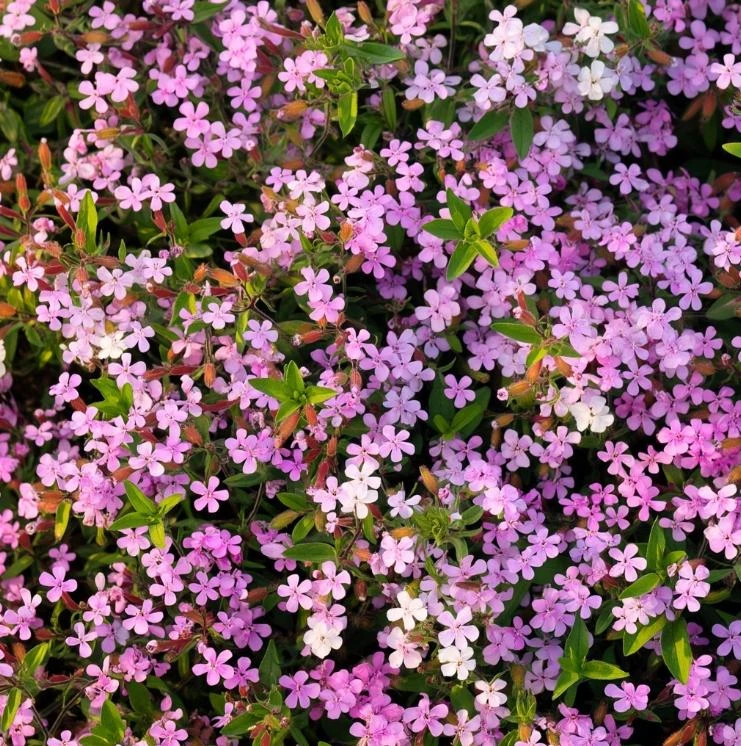
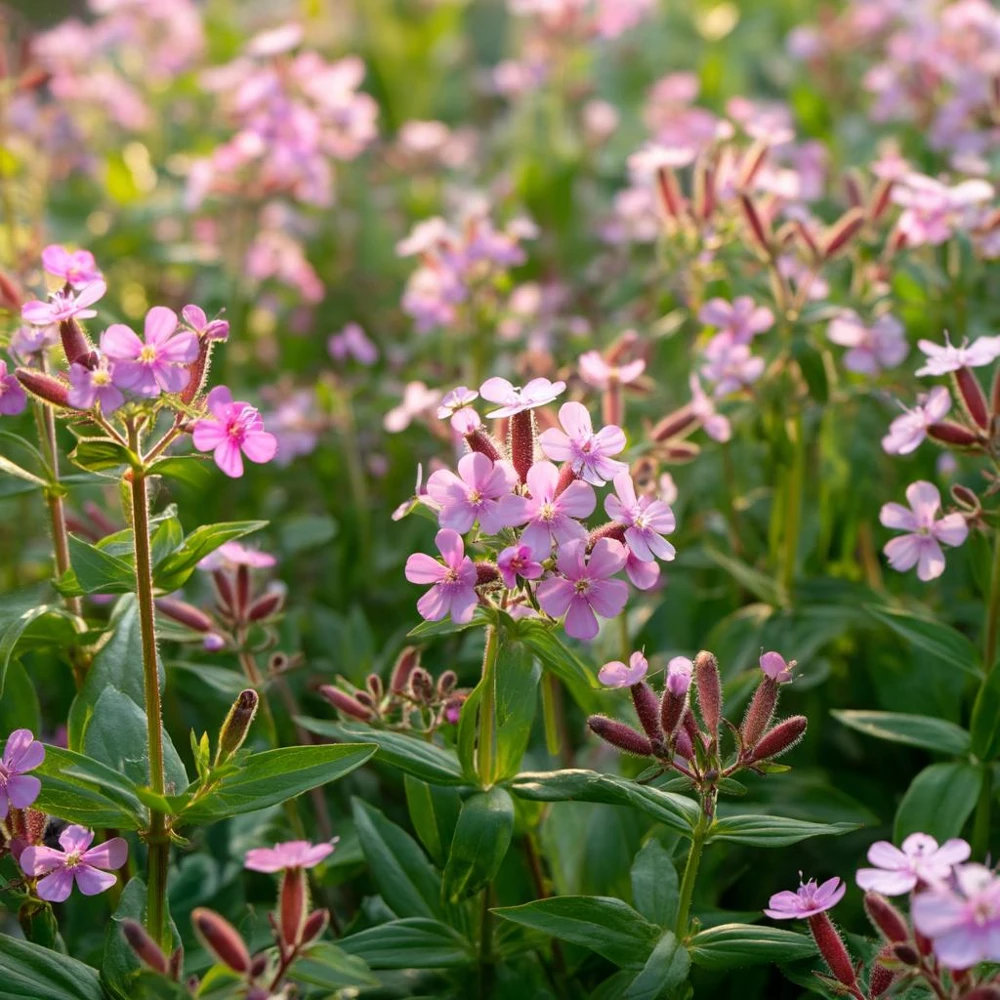
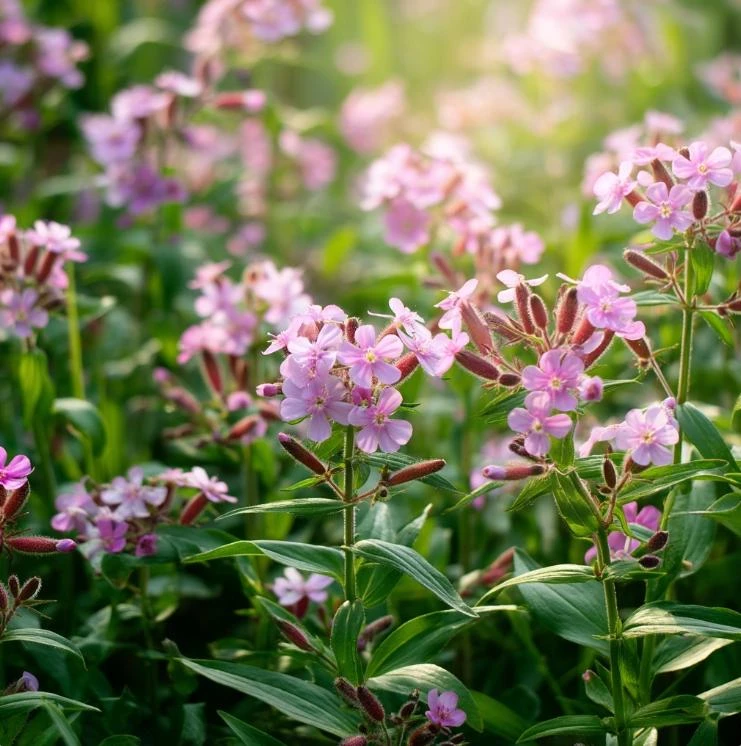
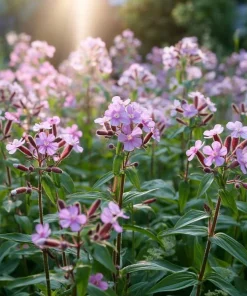
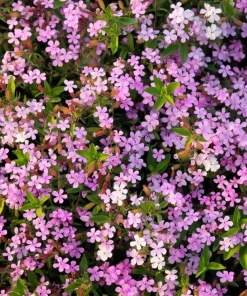
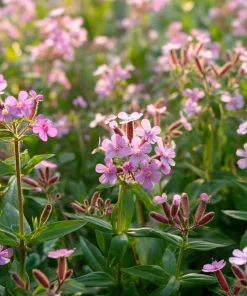
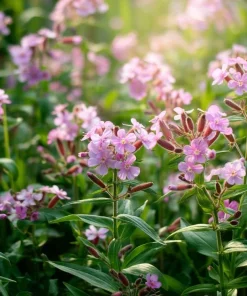
Soapwort Seeds – 300 Saponaria Officinalis Seeds – Fragrant Pink Blooms
Original price was: $31.99.$11.99Current price is: $11.99.
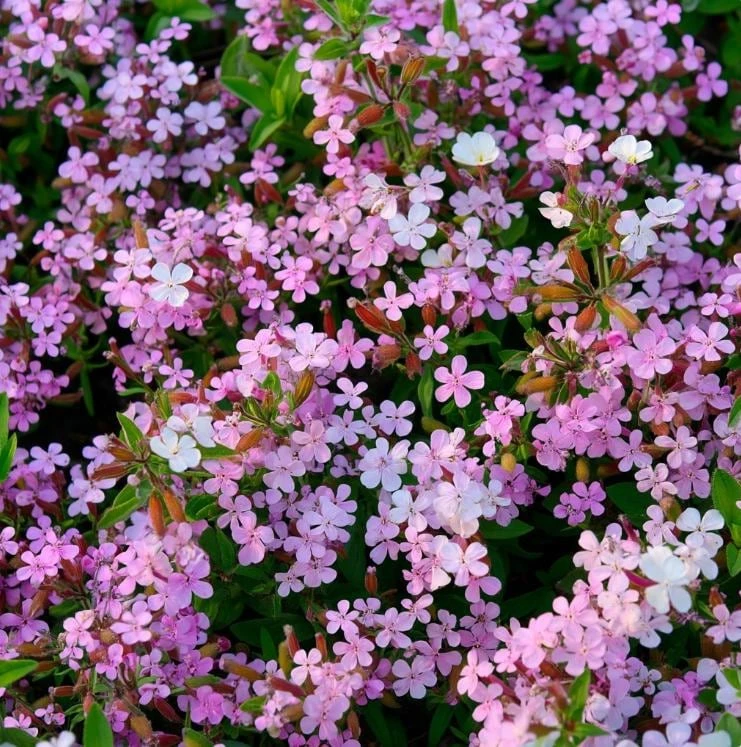
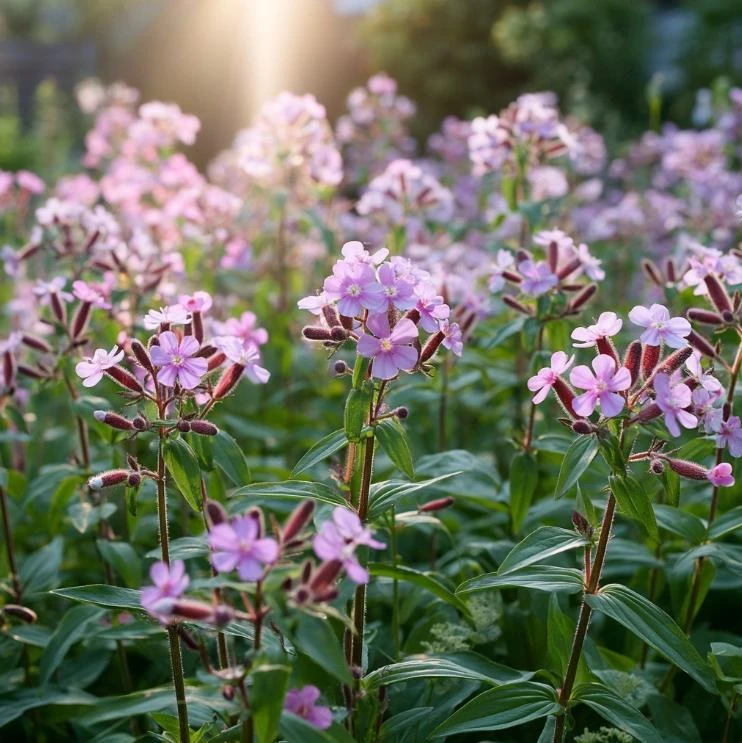
Cultivate charming perennial soapwort seeds (Saponaria officinalis) to produce clusters of fragrant pink blooms. Perfect for cottage gardens, borders, and pollinator patches, these 300 seeds offer a delightful summer display. Easy to grow and valued for their natural beauty.
Estimated arrival
Oct 14
Oct 19 - Oct 21
Oct 24 - Oct 28
Shop With Confidence
30-Day Plant Health Guarantee
Arrives damaged? We’ll replace it free — see our return policy.
Responsive Support
Email us anytime, we reply within 1 business day.
Expert Packaging
Temperature-controlled shipping to protect your plants in transit.
Secure Checkout
Pay safely with Visa, Mastercard, PayPal.
Plant Specifications
-
USDA Hardiness Zone
USDA zones 3-9 -
Soil Type
Well-draining soil -
Sunlight Exposure
Full sun to partial shade -
Expected Planting Period
Early spring (outdoors) or 6-8 weeks before last frost (indoors)
Overview
Transform your garden into a haven of delicate beauty with these premium soapwort seeds. Each packet contains 300 high-quality Saponaria officinalis seeds, promising a vibrant display of soft pink, mildly fragrant flowers throughout the summer months. Soapwort seeds are an excellent choice for gardeners looking to introduce a touch of quaint charm and ecological benefit to their outdoor spaces. Known botanically as Saponaria officinalis, this delightful perennial is native to Europe and has naturalized across North America, making it a hardy and adaptable addition to many landscapes. Its clusters of charming blooms not only enhance visual appeal but also attract essential pollinators like bees and butterflies, contributing to a thriving garden ecosystem. Historically, Saponaria officinalis was highly valued for its natural saponins, which were traditionally used to create gentle soaps, hence its common name. Beyond its practical past, today’s gardener will appreciate its versatility and enduring beauty in wildflower gardens, borders, and dedicated pollinator patches. Growing saponaria officinalis seeds is a rewarding experience, yielding plants that are both beautiful and surprisingly low-maintenance.
These soapwort seeds are perfect for creating a classic cottage-garden aesthetic or naturalizing an area with cheerful, long-lasting color. The ease of cultivation makes them suitable for both novice and experienced gardeners. Imagine swathes of delicate pink flowers swaying gently in the breeze, filling the air with a subtle, sweet fragrance. Whether you’re aiming to attract beneficial insects, fill a challenging garden spot, or simply enjoy the timeless appeal of a traditional garden favorite, these soapwort seeds provide an excellent foundation.
Key Benefits
Cultivating soapwort seeds offers a multitude of advantages for your garden and local ecosystem. These plants are not only beautiful but also resilient, providing continuous enjoyment with minimal effort. Here are some of the key benefits of growing Saponaria officinalis:
- Abundant Fragrant Pink Blooms: Enjoy a prolific display of soft, delicate pink flowers from early summer into fall. These blooms release a mild, pleasant fragrance that enhances the garden atmosphere and provides continuous visual appeal. The sheer quantity of flowers creates a stunning, naturalistic effect.
- Attracts Pollinators: The nectar-rich flowers are a magnet for essential pollinators such as bees and butterflies. By planting soapwort seeds, you contribute to local biodiversity and support the health of crucial insect populations, making your garden a vibrant hub of activity.
- Hardy and Resilient Perennial: Saponaria officinalis is a robust perennial that returns year after year, establishing itself with increasing vigor. It tolerates a range of conditions and is known for its hardiness, making it a reliable choice for long-term garden beauty.
- Low Maintenance & Drought Tolerant: Once established, soapwort requires minimal care. It is relatively drought-tolerant and thrives in various soil types, reducing the need for constant watering and attention. This makes growing soapwort an easy and rewarding endeavor for busy gardeners.
- Versatile Garden Use: Ideal for a variety of landscaping applications, including cottage gardens, wildflower meadows, borders, rock gardens, and naturalized areas. Its spreading habit helps fill in spaces with attractive foliage and flowers, creating a lush, informal look.
- Historical Significance: Beyond its beauty, soapwort holds historical interest due to its natural saponin content, traditionally used to make gentle, natural soaps. This adds an intriguing layer to its presence in your garden, connecting you to ancient practices.
- Naturalizing Groundcover: With its tendency to spread gently, this plant can create a beautiful, soft groundcover effect, suppressing weeds and adding a meadow-like charm. It helps to unify different elements within the garden.
Plant Care & Growing Tips
Successfully growing soapwort from seed is straightforward, making it an excellent choice for gardeners of all experience levels. These soapwort seeds will germinate best with proper conditions, leading to healthy, thriving plants. You can start your Saponaria officinalis seeds indoors 6–8 weeks before the last expected frost date, or sow them directly outdoors in early spring once the danger of frost has completely passed. When sowing, simply scatter the seeds lightly on the surface of moist, well-drained soil and gently press them down. Light is essential for germination, so avoid burying them too deeply. Maintain a consistent soil temperature of around 65–70°F (18–21°C) during germination, which typically occurs within 14–21 days. Once seedlings are strong enough to handle, thin them or transplant them to stand 12–18 inches apart to allow for proper growth and air circulation.
For optimal growth, Saponaria officinalis seeds will develop into plants that prefer full sun to partial shade. While they can tolerate some shade, more sunlight generally results in more abundant blooms. Ensure the soil is well-drained; soapwort does not like to sit in waterlogged conditions. Water moderately, especially during dry spells, but be aware that once established, the plants exhibit good drought tolerance. They are quite adaptable to various soil types, as long as drainage is adequate. To encourage fresh growth and manage its natural spreading habit, cut back the stems after the main blooming period. This can also help prevent unwanted self-seeding if you wish to control its naturalization. Soapwort is generally hardy in USDA zones 3-9, making it suitable for a wide range of climates. Fertilization is rarely needed for established plants, especially in rich garden soil, but a light application of balanced fertilizer in spring can boost vigor if your soil is poor. Keep an eye out for common garden pests, though soapwort is generally robust and resistant to most issues. Proper spacing and good air circulation will prevent fungal problems.
Size & Details
These soapwort seeds will mature into robust perennial plants, typically reaching a height of 1-3 feet (30-90 cm) and spreading similarly wide, forming attractive clumps or naturalizing over time. Each packet contains approximately 300 saponaria officinalis seeds, providing ample opportunity to establish a beautiful patch of these fragrant flowers. The plants exhibit a medium growth rate, with blooms appearing in the first year if sown early enough, and becoming more prolific in subsequent years. They are shipped as a packet of fresh, viable seeds, ready for sowing according to the provided instructions. Expect a charming, informal growth habit that blends seamlessly into cottage gardens, borders, and wilder areas. The foliage is a pleasant green, providing a lovely backdrop for the delicate pink blossoms. The naturalizing tendency means that over time, your initial planting of soapwort seeds can expand, creating a delightful meadow-like effect in suitable conditions.
Frequently Asked Questions
- Q: How big does this plant get? A: Soapwort plants typically grow to a height of 1 to 3 feet and can spread similarly wide, forming attractive clumps or naturalizing over time. The size can vary slightly depending on growing conditions and sunlight exposure.
- Q: Is this an indoor or outdoor plant? A: While soapwort seeds can be started indoors, the mature plants are primarily grown outdoors. They are hardy perennials best suited for garden beds, borders, and naturalized areas where they can receive adequate sunlight.
- Q: How much sunlight does it need? A: Soapwort prefers full sun to partial shade. For the most abundant blooms, aim for at least 6 hours of direct sunlight per day. It can tolerate some afternoon shade in hotter climates.
- Q: Is this plant easy to care for? A: Yes, growing soapwort is considered easy. Once established, it is a low-maintenance plant that tolerates some drought and various soil conditions, making it suitable for beginners and experienced gardeners alike.
- Q: What condition will the seeds arrive in? A: The product consists of 300 viable soapwort seeds packaged to ensure freshness upon arrival. They will be ready for immediate sowing according to the provided instructions.
- Q: How long until it blooms? A: If sown early in the season, soapwort can produce its first blooms in the first year. However, it will become more established and produce a more prolific display of fragrant pink blooms in its second year and subsequent seasons.
- Q: Will it survive winter in my zone? A: Soapwort (Saponaria officinalis) is a hardy perennial generally suitable for USDA zones 3 through 9. It is quite resilient and typically overwinters well in these zones, returning each spring.
- Q: Can I use these for natural soap making? A: Historically, the plant Saponaria officinalis was used to make gentle soaps due to its natural saponin content. While these saponaria officinalis seeds will grow into plants with this property, specific instructions for soap making are beyond the scope of this product.
- Q: Are these seeds good for attracting pollinators? A: Absolutely! The nectar-rich flowers of soapwort are highly attractive to bees, butterflies, and other beneficial pollinators, making it an excellent choice for a pollinator-friendly garden.
- Q: What type of soil does it prefer? A: Soapwort thrives in well-drained soil. It is adaptable to various soil types, including sandy, loamy, or clay soils, as long as they do not retain excessive moisture.
Be the first to review “Soapwort Seeds – 300 Saponaria Officinalis Seeds – Fragrant Pink Blooms”
People Also Viewed

Flower Plants
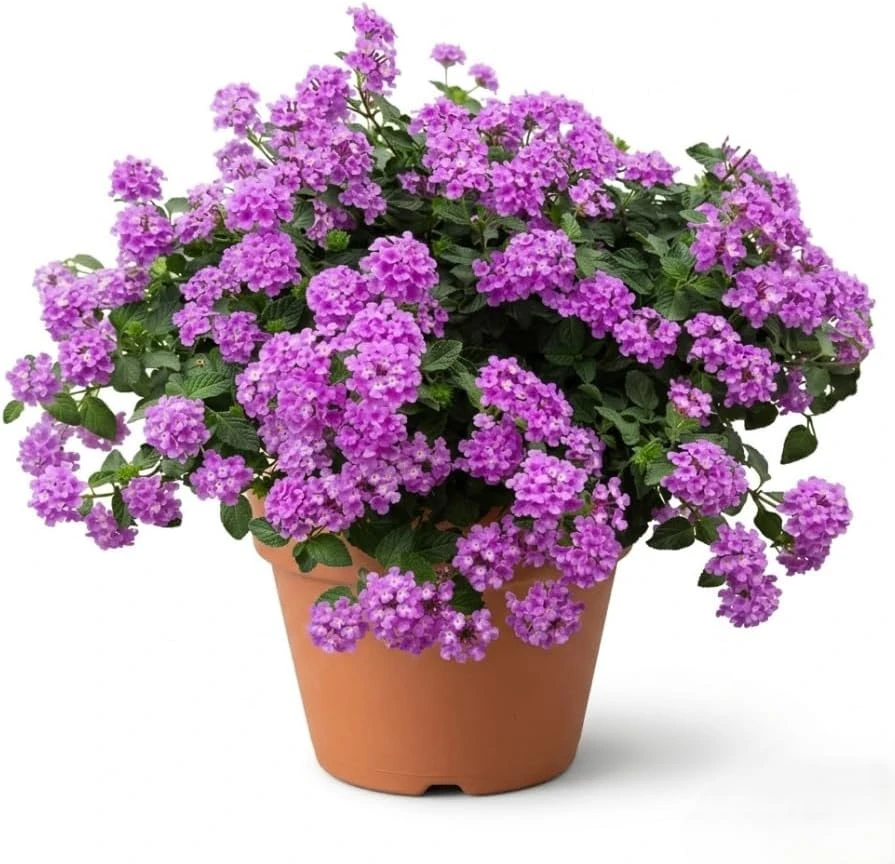
Purple Lantana Live Plant – Perennial Fragrant Flower for Outdoor Garden 4-6 Inch Tall
Reviews
There are no reviews yet.