

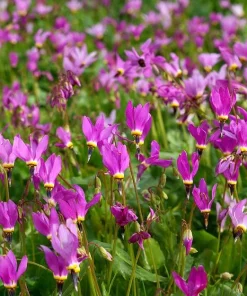
Midland Shooting Star Seeds – Dodecatheon meadia Wildflower Seeds, 25 Seeds
Original price was: $31.99.$11.99Current price is: $11.99.
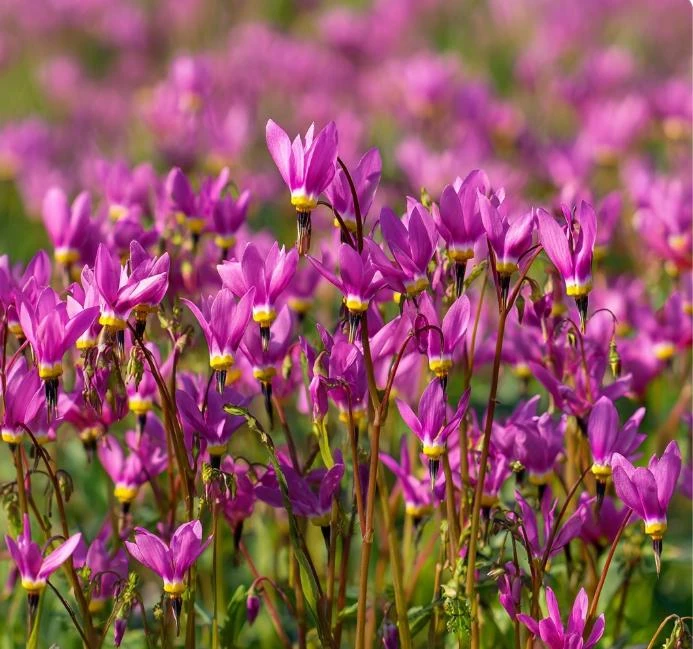
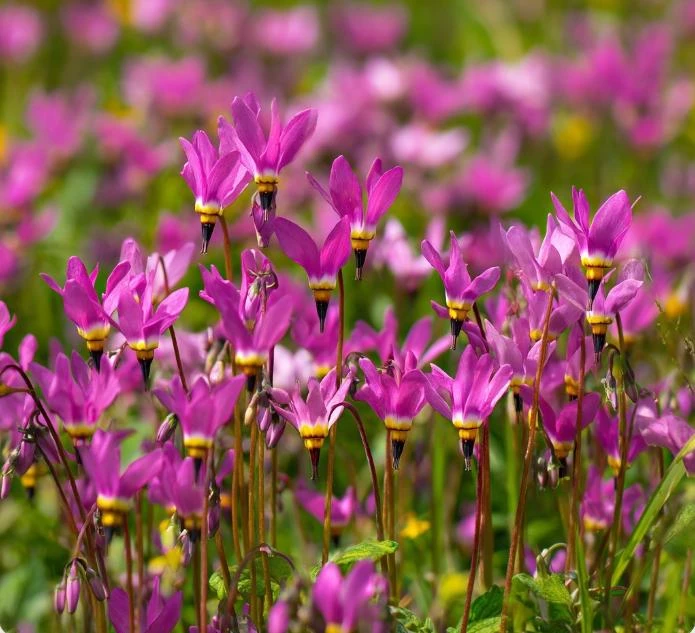
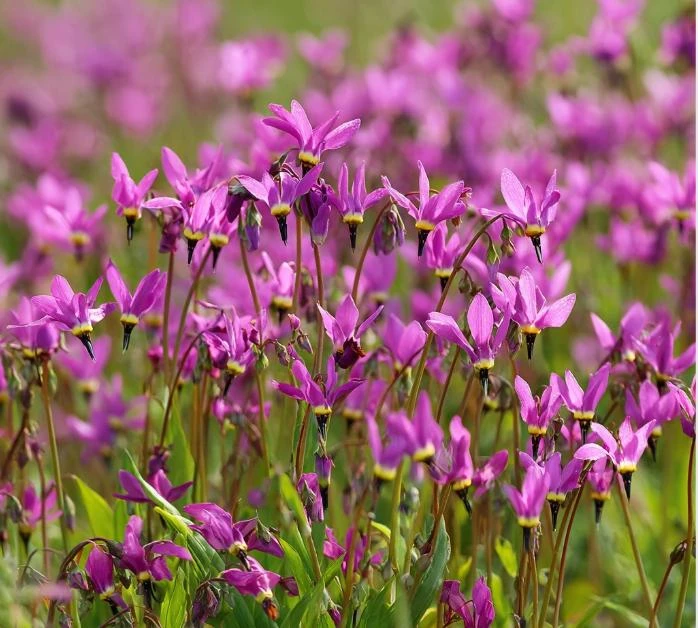
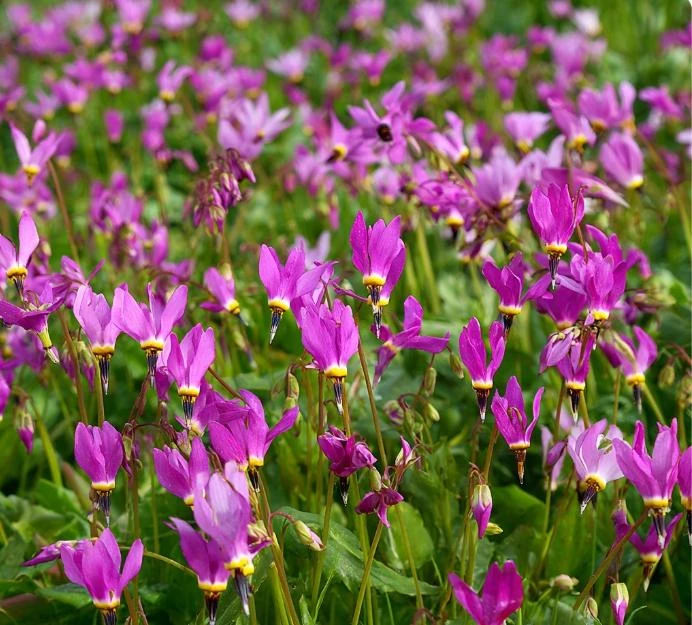
Cultivate charming perennial Midland Shooting Star seeds (Dodecatheon meadia) with ease. These unique wildflowers feature nodding, swept-back petals in pink, lavender, and white, perfect for adding a graceful touch to woodland gardens and meadows. Attracts bees and butterflies, enhancing your garden’s biodiversity.
Estimated arrival
Oct 14
Oct 19 - Oct 21
Oct 24 - Oct 28
Shop With Confidence
30-Day Plant Health Guarantee
Arrives damaged? We’ll replace it free — see our return policy.
Responsive Support
Email us anytime, we reply within 1 business day.
Expert Packaging
Temperature-controlled shipping to protect your plants in transit.
Secure Checkout
Pay safely with Visa, Mastercard, PayPal.
Plant Specifications
-
USDA Hardiness Zone
USDA zones 3-8 -
Soil Type
Well-draining, moderately rich soil -
Sunlight Exposure
Partial shade to full sun -
Expected Planting Period
Early spring or fall
Overview
Introduce the captivating beauty of the American prairie to your garden with Midland Shooting Star seeds. This listing offers 25 high-quality seeds of Dodecatheon meadia, a distinctive perennial wildflower renowned for its unusual and graceful blooms. The flowers, which appear in spring, feature petals that sweep dramatically backward, revealing prominent stamens, giving them their characteristic “shooting star” appearance. Colors range from soft pinks and lavenders to pristine whites, creating a delicate yet striking display. Ideal for naturalizing in woodland settings, meadows, or alongside borders, these easy-to-grow seeds will transform your landscape into a haven for native flora and fauna. Cultivating Dodecatheon meadia seeds from scratch allows you to witness the full life cycle of this charming plant, from germination to its spectacular bloom.
Midland Shooting Star seeds are an excellent choice for gardeners looking to support local ecosystems. As a native species, it is perfectly adapted to various conditions and plays a crucial role in providing nectar and pollen for early-season pollinators like bees and butterflies. Its low-maintenance nature once established makes it a rewarding addition for both novice and experienced gardeners. Embrace the subtle elegance and ecological benefits of this unique wildflower by planting these exceptional seeds in your garden.
Key Benefits
Adding Midland Shooting Star seeds to your garden offers a multitude of benefits, from aesthetic appeal to ecological contributions. These unique wildflowers provide a special focal point in any naturalized garden setting.
- Distinctive Floral Display: Enjoy the unique and graceful nodding flowers with their swept-back petals, offering an unusual and captivating visual element in shades of pink, lavender, and white. These blooms are unlike most traditional garden flowers and provide an elegant touch.
- Pollinator Attraction: These flowers are a favorite among native bees and butterflies, making them an excellent choice for creating a vibrant, pollinator-friendly garden. Supporting these insects is vital for ecological health.
- Low Maintenance: Once established, Midland Shooting Star plants require minimal care, thriving with moderate watering and occasional attention. This makes them perfect for gardeners seeking beauty without constant upkeep.
- Adaptable to Various Settings: Ideal for woodland gardens, naturalized meadows, borders, and rock gardens, these plants adapt well to different landscape designs and soil conditions.
- Native Wildflower: As a native species, Dodecatheon meadia is well-suited to local climates and soils, contributing to local biodiversity and requiring less intervention than non-native plants.
- Early Spring Blooms: Enjoy beautiful blooms early in the growing season, providing color and life when many other plants are just beginning to emerge.
Plant Care & Growing Tips
Growing Midland Shooting Star seeds is a rewarding experience, and with the right care, you can establish a thriving patch of these beautiful wildflowers. Begin by sowing seeds outdoors in well-draining soil during early spring or fall. Lightly press the seeds into the soil surface without covering them deeply, as light is often crucial for their germination. Consistent moisture is key during the germination phase, which typically occurs within 14–28 days. Once seedlings emerge, thin them to ensure adequate spacing and healthy development. Proper spacing helps to prevent competition for nutrients and light, leading to stronger, more robust plants.
For established plants, Midland Shooting Star thrives in partial shade to full sun, though in hotter climates, some afternoon shade is beneficial to prevent scorching. They prefer well-draining, moderately rich soil. Avoid overly wet or soggy conditions, as this can lead to root rot. Water moderately, especially during dry spells, but allow the soil to dry slightly between waterings. This perennial is generally low-maintenance once established, making it a fantastic addition to any garden. It is hardy in USDA zones 3-8. Fertilization is generally not necessary in rich soil, but if your soil is poor, a light application of a balanced, slow-release fertilizer in early spring can be beneficial. Watch for slugs and snails in damp conditions, and remove them manually if they become a problem. These tips will help you successfully grow your planting shooting star seeds into magnificent blooms.
Size & Details
This offering includes 25 Midland Shooting Star seeds (Dodecatheon meadia), providing a generous quantity to start your wildflower garden. Each seed holds the potential to grow into a charming perennial plant that typically reaches a height of 12-24 inches (30-60 cm) with a spread of 6-12 inches (15-30 cm). The plants form a basal rosette of leaves from which leafless flower stalks emerge, topped with their distinctive blooms. These seeds are ready for direct sowing and are suitable for creating drifts in naturalized areas or for individual planting in borders. Expect blooms to appear in late spring to early summer, usually from April to June, depending on your specific climate and planting time. The plants will self-seed over time, gradually expanding their presence in your garden if conditions are favorable.
The mature Midland Shooting Star plant is known for its elegant, upright habit and delicate appearance. While the seeds ship in a small packet, the plants they produce are robust and long-lived, returning year after year with increasing vigor. The initial growth from seed to flowering plant can take one to two seasons, as perennials often focus on root development in their first year. However, the wait is well worth it for the unique aesthetic and ecological benefits these wildflowers bring. Understanding how to grow unique wildflower blooms from these seeds ensures a successful and rewarding gardening endeavor.
Frequently Asked Questions
- Q: How big does this plant get? A: Midland Shooting Star plants typically grow to a height of 12-24 inches (30-60 cm) with a spread of 6-12 inches (15-30 cm) at maturity. They form a compact basal rosette of leaves before sending up their elegant flower stalks.
- Q: Is this an indoor or outdoor plant? A: Midland Shooting Star seeds are primarily for outdoor cultivation. They thrive in naturalized settings like woodland gardens, meadows, and borders, adapting well to various outdoor conditions.
- Q: How much sunlight does it need? A: These plants prefer partial shade to full sun. In regions with intense summer heat, providing some afternoon shade will help protect the foliage and prolong blooming.
- Q: Is this plant easy to care for? A: Once established, Midland Shooting Star is considered a low-maintenance perennial. It requires consistent moisture during germination but tolerates moderate watering and well-draining soil with little ongoing effort.
- Q: What condition will the seeds arrive in? A: You will receive 25 high-quality, dry Midland Shooting Star seeds in a protective packet, ready for sowing according to the provided instructions. They are carefully packaged to ensure viability.
- Q: How long until it blooms? A: As a perennial, Dodecatheon meadia often takes one to two growing seasons to establish and produce its first blooms after planting the seeds. The plants focus on root development in their initial year.
- Q: When is the best time to plant Midland Shooting Star seeds? A: The best times to sow planting shooting star seeds are in early spring or in the fall. Fall planting allows for natural cold stratification over winter, which can aid germination in spring.
- Q: What USDA hardiness zones are suitable for this plant? A: Midland Shooting Star is hardy in USDA zones 3 through 8, making it suitable for a wide range of climates across North America.
- Q: Will these wildflowers attract pollinators? A: Yes, Midland Shooting Star is known for attracting native bees and butterflies, making it an excellent choice for gardeners looking to support local pollinator populations and enhance garden biodiversity.
- Q: What kind of soil does Dodecatheon meadia prefer? A: These plants prefer well-draining, moderately rich soil. They can tolerate a range of soil types but perform best when the soil retains some moisture without becoming waterlogged.
Be the first to review “Midland Shooting Star Seeds – Dodecatheon meadia Wildflower Seeds, 25 Seeds”
People Also Viewed
Houseplants
Reviews
There are no reviews yet.