
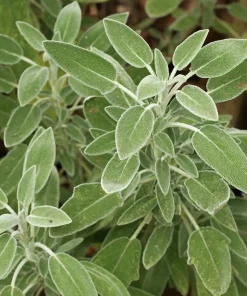
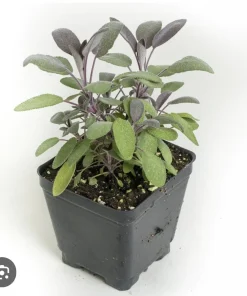
Organic Sage Live Plant – Culinary Herb in Pot for Cooking & Tea
Original price was: $29.99.$23.99Current price is: $23.99.
Cultivate your own aromatic kitchen garden with this organic sage live plant. Perfect for culinary uses, this robust herb thrives in pots and adds a delightful flavor to your favorite dishes. Enjoy fresh, homegrown sage with ease.
Estimated arrival
Oct 27
Nov 01 - Nov 03
Nov 06 - Nov 10
Shop With Confidence
30-Day Plant Health Guarantee
Arrives damaged? We’ll replace it free — see our return policy.
Responsive Support
Email us anytime, we reply within 1 business day.
Expert Packaging
Temperature-controlled shipping to protect your plants in transit.
Secure Checkout
Pay safely with Visa, Mastercard, PayPal.
Plant Specifications
-
USDA Hardiness Zone
USDA zones 5-9 -
Soil Type
Well-draining soil -
Sunlight Exposure
Full sun -
Expected Planting Period
Spring to early summer (outdoors), year-round (indoors)
Overview
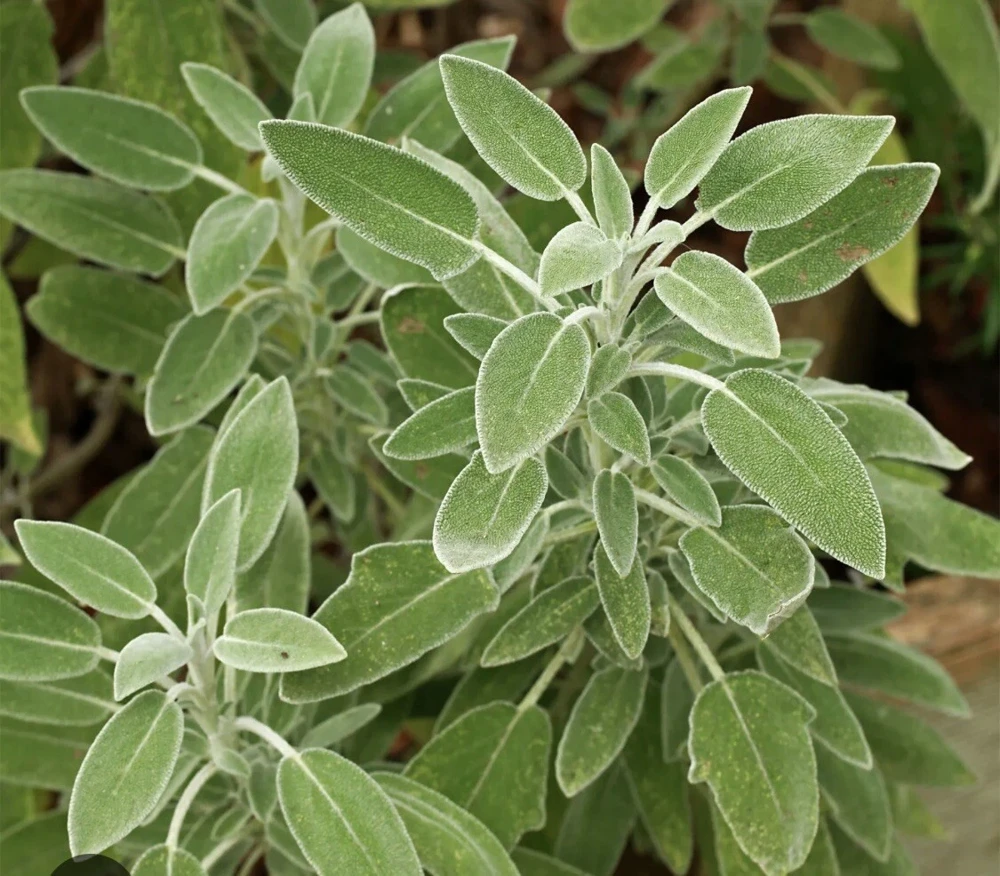
Welcome the versatile and aromatic organic sage live plant into your home or garden. Sage, scientifically known as Salvia officinalis, is a beloved culinary herb renowned for its distinct earthy and slightly peppery flavor. This live plant offers the convenience of fresh, organic sage right at your fingertips, perfect for enhancing a wide array of dishes, brewing soothing teas, or simply enjoying its pleasant fragrance. Our organic sage live plant is carefully nurtured to ensure a healthy start, making it an excellent addition for both novice and experienced gardeners. Whether you’re looking to expand your herb garden or seeking a reliable source of fresh sage for cooking, this plant is an ideal choice, promising abundant leaves and robust growth.
The beauty of growing your own organic sage live plant lies in its simplicity and the immediate access to fresh ingredients. Unlike dried sage, fresh sage offers a more vibrant flavor profile that can truly elevate your culinary creations. This plant arrives ready to thrive, potted and established, reducing the transplant shock and giving you a head start on your gardening journey. Its attractive silvery-green leaves also make it a charming ornamental plant, adding a touch of rustic elegance to windowsills, patios, or garden beds.
Key Benefits
Integrating an organic sage live plant into your garden or kitchen offers numerous advantages, from culinary versatility to easy maintenance. This hardy herb is a must-have for anyone who appreciates fresh flavors and the satisfaction of homegrown produce.
-
Culinary Excellence
Enjoy the rich, savory flavor of fresh sage that elevates everything from roasted meats and poultry to pasta dishes and stuffings. The leaves can be used fresh or dried for later use, offering year-round culinary delight. This culinary sage herb is incredibly versatile.
-
Aromatic & Medicinal Properties
Beyond the kitchen, sage is known for its pleasant aroma and traditional medicinal uses, often found in teas for soothing sore throats or aiding digestion. Its fragrant foliage also acts as a natural deterrent for some garden pests.
-
Easy to Grow
Sage is a low-maintenance plant, making it perfect for beginners and busy gardeners. It thrives with minimal fuss, requiring well-drained soil and plenty of sunlight. Learning about growing sage in pots is straightforward.
-
Versatile Placement
Whether you have a spacious garden, a small patio, or just a sunny windowsill, this sage plant can adapt. It grows beautifully in garden beds or containers, offering flexibility in placement.
-
Organic & Healthy
Cultivating your own organic sage ensures you have a pesticide-free, healthy herb supply. You control what goes into your plant, guaranteeing freshness and purity for your family.
-
Year-Round Harvest Potential
With proper care, you can enjoy fresh sage leaves almost year-round, especially if grown indoors or protected during colder months. This continuous supply is invaluable for those who love to cook with fresh ingredients.
Plant Care & Growing Tips
Ensuring your organic sage live plant thrives requires understanding its basic needs for sunlight, water, and soil. Sage is generally a robust and forgiving plant, but providing optimal conditions will lead to a more prolific and aromatic harvest. For successful sage plant care, attention to these details is key.
Sunlight: Sage absolutely loves the sun. It requires at least 6-8 hours of direct sunlight per day to grow vigorously and develop its full flavor. If growing indoors, place your potted sage in a south-facing window or under a grow light. For outdoor planting, choose the sunniest spot in your garden. Insufficient light can lead to leggy growth and less potent leaves. Growing sage in pots makes it easy to move the plant to follow the sun.
Watering: Sage prefers to dry out between waterings. Overwatering is a common cause of issues for sage plants, leading to root rot. Water thoroughly when the top inch or two of soil feels dry to the touch, then allow excess water to drain away. Reduce watering in cooler months. When growing sage in pots, ensure the pot has drainage holes to prevent waterlogging. Always check soil moisture before watering again.
Soil & Fertilization: Well-draining soil is crucial for sage. A sandy loam or a good quality potting mix amended with perlite or sand works best. Sage thrives in slightly alkaline to neutral soil pH (6.0-7.0). It doesn’t require heavy fertilization; in fact, too much nitrogen can dilute its flavor. A light application of a balanced organic fertilizer in spring is usually sufficient. Avoid rich, heavy soils that retain too much moisture. Understanding the soil needs is vital for proper sage plant care.
Temperature & Hardiness: Sage is a hardy perennial, generally cold-hardy in USDA zones 5-9. It can tolerate light frosts but may need protection in colder climates or during harsh winters, especially if grown in pots. In hot, humid climates, ensure good air circulation to prevent fungal diseases. Pruning spent flowers encourages more leaf production and maintains a tidy shape.
Size & Details
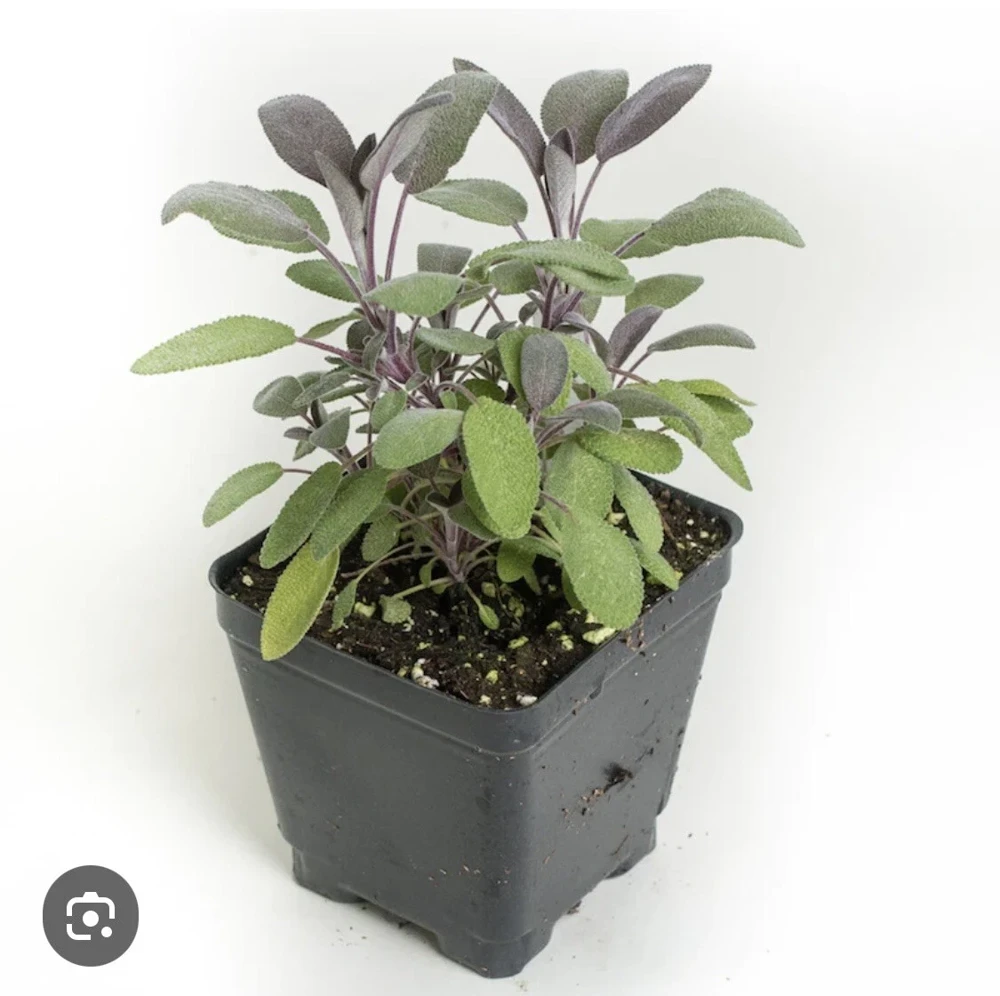
This organic sage live plant is shipped as an established young plant in a nursery pot, typically measuring between 4-6 inches in height from the soil line, depending on seasonal growth. It arrives with a healthy root system, ready for transplanting into a larger pot or your garden bed. Sage plants generally have a moderate growth rate, reaching mature sizes of 1-2 feet tall and wide. The exact size will vary based on growing conditions and care. Our plants are carefully packaged to ensure they arrive in excellent condition, ready to thrive in their new home. You’ll be harvesting fresh sage for cooking in no time.
Frequently Asked Questions
- Q: How big does this organic sage live plant get? A: A: Typically, sage plants grow to be 1 to 2 feet tall and wide at maturity, depending on growing conditions and pruning. Regular harvesting can help maintain a more compact size.
- Q: Is this an indoor or outdoor plant? A: Sage can be grown successfully both indoors and outdoors. Outdoors, it thrives in full sun. Indoors, place it in a sunny window or under grow lights to ensure it gets enough light.
- Q: How much sunlight does my culinary sage herb need? A: Sage requires at least 6-8 hours of direct sunlight per day. The more sun it receives, the more flavorful and robust its leaves will be.
- Q: Is this plant easy to care for? A: Yes, sage is considered a low-maintenance herb, making it an excellent choice for beginners. It’s drought-tolerant once established and doesn’t require frequent fertilization. Good sage plant care is quite simple.
- Q: What condition will the plant arrive in? A: Your organic sage live plant will arrive as a healthy, established plant in a nursery pot, carefully packaged to minimize stress during transit. It will be ready for transplanting.
- Q: Can I use this sage for cooking? A: Absolutely! This is a culinary variety of sage, perfect for all your cooking needs. Harvest the leaves as needed to add fresh flavor to your dishes. It’s ideal for fresh sage for cooking.
- Q: How often should I water my sage plant? A: Water your sage plant deeply when the top 1-2 inches of soil feel dry to the touch. Allow the soil to dry out completely between waterings to prevent root rot.
- Q: What kind of soil is best for growing sage in pots? A: Sage prefers well-draining soil. A good quality potting mix amended with sand or perlite works well. Avoid heavy, clay-like soils that retain too much moisture.
- Q: Is sage pet-safe? A: While sage is generally considered non-toxic to humans in culinary amounts, it can be mildly toxic to pets if ingested in large quantities. It’s best to keep pets from nibbling on your sage plant.
- Q: When is the best time to plant sage? A: Sage can be planted in spring after the last frost. If you’re growing sage in pots indoors, it can be started any time of year.
Be the first to review “Organic Sage Live Plant – Culinary Herb in Pot for Cooking & Tea”
People Also Viewed
Reviews
There are no reviews yet.