
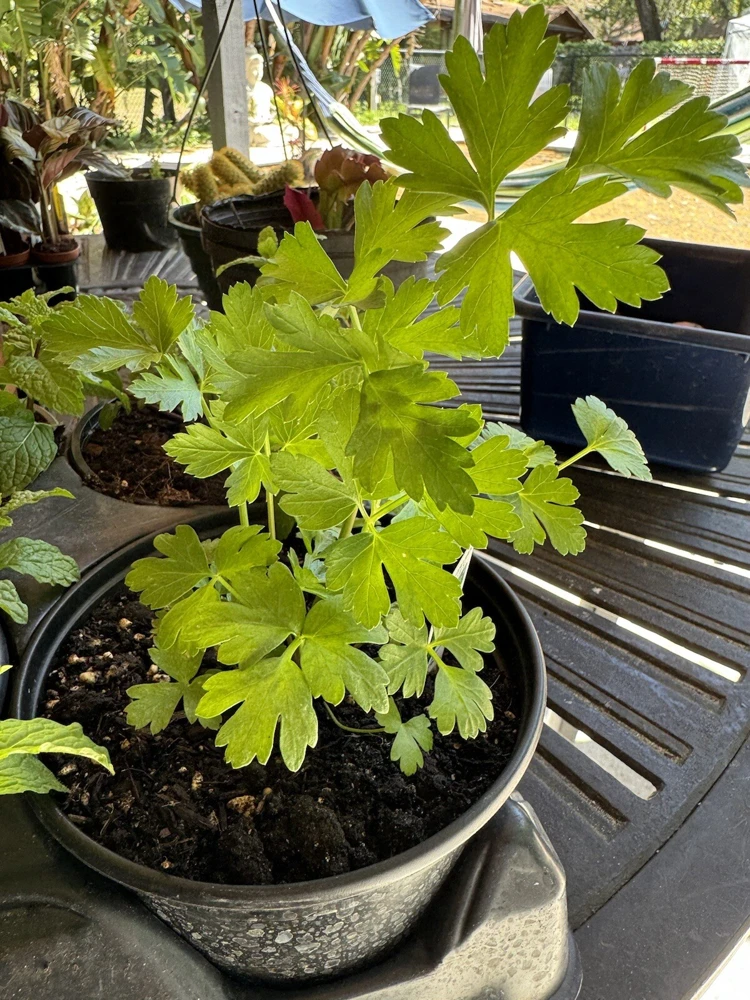
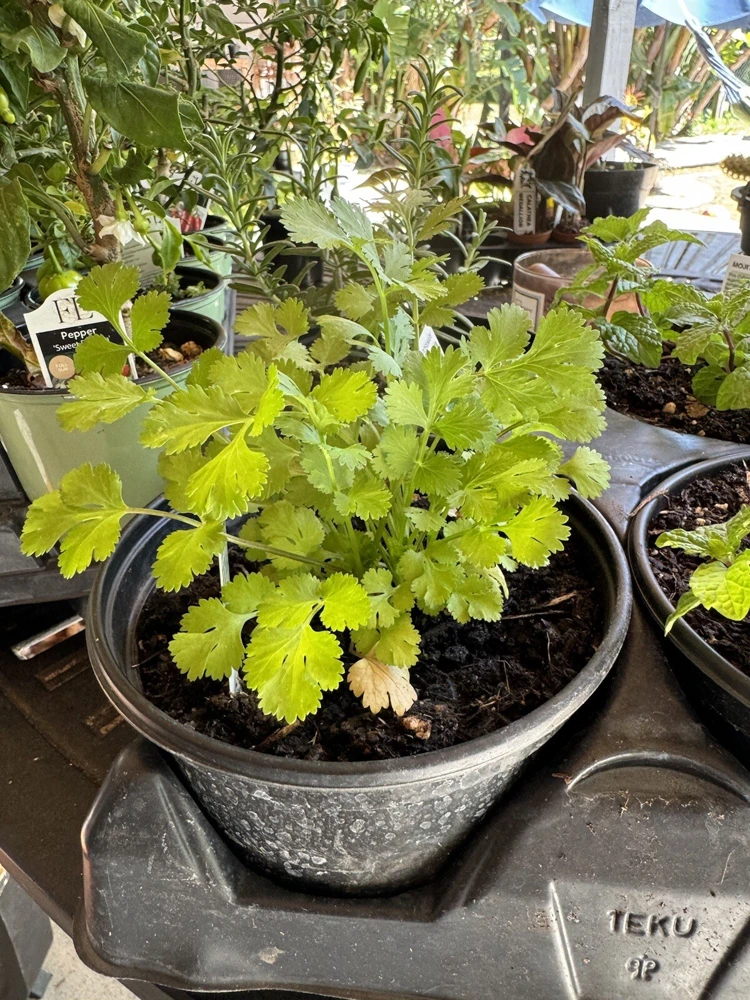
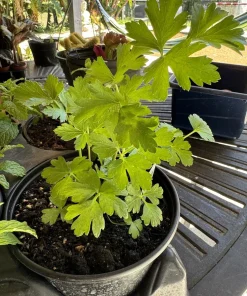
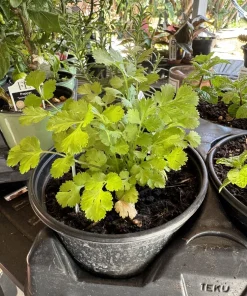
Parsley Live Plant – Organic Culinary Herb for Indoor & Outdoor Gardens
Original price was: $26.99.$21.99Current price is: $21.99.
Bring the fresh taste of the garden to your kitchen with this parsley live plant. An organic parsley plant, it’s ideal for both indoor and outdoor cultivation, offering a continuous supply of aromatic leaves for all your culinary needs. Enjoy the ease of growing your own culinary herb plant.
Estimated arrival
Oct 27
Nov 01 - Nov 03
Nov 06 - Nov 10
Shop With Confidence
30-Day Plant Health Guarantee
Arrives damaged? We’ll replace it free — see our return policy.
Responsive Support
Email us anytime, we reply within 1 business day.
Expert Packaging
Temperature-controlled shipping to protect your plants in transit.
Secure Checkout
Pay safely with Visa, Mastercard, PayPal.
Plant Specifications
-
USDA Hardiness Zone
USDA zones 2-11 (often grown as annual) -
Soil Type
Well-draining, fertile soil -
Sunlight Exposure
Full sun to partial shade -
Expected Planting Period
Year-round indoors; spring to early summer outdoors
Overview
Discover the joy of fresh, home-grown herbs with our vibrant parsley live plant. This healthy, ready-to-grow specimen is perfect for both novice and experienced gardeners looking to add a touch of fresh flavor to their dishes. Parsley, scientifically known as Petroselinum crispum, is one of the most popular and versatile culinary herbs, cherished for its bright, clean flavor and beautiful green foliage. Our organic parsley plant is cultivated with care, ensuring you receive a robust plant free from synthetic pesticides and fertilizers, ready to thrive in your garden or kitchen. Whether you’re a gourmet chef or simply love fresh ingredients, this plant provides an endless supply of aromatic leaves, making it an essential addition to any home.
This particular culinary herb plant is suitable for a variety of growing environments. It can flourish in pots on a sunny windowsill, adding a touch of greenery to your indoor space, or be planted directly in your outdoor herb garden, contributing to a diverse and productive landscape. The ease of growing makes it an excellent choice for beginners, while its consistent yield appeals to seasoned gardeners. Enjoy the satisfaction of harvesting your own fresh parsley whenever you need it, elevating your meals with unparalleled taste and aroma.
Key Benefits
Adding a parsley live plant to your home offers numerous advantages, extending beyond just its culinary appeal. This versatile herb provides both practical and aesthetic benefits for any gardener.
- Continuous Fresh Supply: Enjoy an unending bounty of fresh parsley leaves right from your garden or kitchen. No more last-minute trips to the grocery store for wilted herbs. Having an organic parsley plant ensures peak freshness and flavor for all your dishes.
- Culinary Versatility: Parsley is a staple in countless cuisines worldwide. Use it to garnish, flavor soups, stews, salads, sauces, and main courses. Its bright, peppery taste enhances a wide array of dishes, making it an indispensable culinary herb plant for any home cook.
- Rich in Nutrients: Beyond its flavor, parsley is packed with vitamins K, C, and A, as well as antioxidants. Incorporating fresh parsley into your diet can contribute to overall health and well-being.
- Aesthetic Appeal: With its vibrant green, often curly or flat leaves, a parsley plant adds a beautiful, lush touch to any indoor or outdoor garden space. It’s an attractive addition to windowsills, patio containers, or garden beds.
- Easy to Grow: Parsley is known for being relatively low-maintenance, making it an excellent choice for beginner gardeners. With proper care, it will provide a steady harvest throughout its growing season. This ease makes growing parsley indoors particularly appealing.
- Natural Air Freshener: While not as potent as some other plants, the subtle, fresh aroma of a healthy parsley plant can contribute to a pleasant atmosphere in your home, especially when enjoying a fresh parsley plant.
- Supports Pollinators: If allowed to flower, parsley can attract beneficial insects like butterflies and bees to your garden, contributing to a healthier ecosystem.
Plant Care & Growing Tips
Caring for your parsley live plant is straightforward, ensuring a bountiful harvest with minimal effort. Understanding its basic needs will help your plant thrive and provide you with fresh herbs for an extended period. Parsley prefers a location that receives ample sunlight. For outdoor plants, aim for at least 6 hours of direct sunlight per day. If you are growing parsley indoors, place your pot in a south-facing window where it can receive bright, indirect light for most of the day, or supplement with a grow light if natural light is insufficient.
Watering is crucial for a healthy organic parsley plant. Keep the soil consistently moist but never waterlogged. Allow the top inch of soil to dry out slightly between waterings, then water thoroughly until it drains from the bottom of the pot. Overwatering can lead to root rot, so good drainage is essential. A well-draining potting mix is recommended for container-grown parsley. If planting in the ground, ensure the soil is rich in organic matter and drains freely. Parsley thrives in temperatures between 60-70°F (15-21°C) and can tolerate light frosts, but prolonged freezing temperatures will cause it to die back. Most parsley varieties are hardy in USDA zones 2-11, often grown as an annual in colder regions or a biennial in warmer climates. Fertilize your culinary herb plant sparingly with a balanced liquid fertilizer every 4-6 weeks during the growing season to encourage lush foliage.
Regular harvesting encourages more growth and prevents the plant from going to seed too quickly. Snip off outer stems close to the base of the plant as needed. If you notice flower stalks forming, pinch them off to extend the leaf production period. Common problems like aphids can be managed with organic insecticidal soap. Providing consistent care will result in a robust and productive fresh parsley plant, ready to enhance all your meals.
Size & Details
This parsley live plant typically ships as a young, healthy plant, ready for transplanting into a larger pot or your garden bed. Expect the plant to be approximately 4-6 inches tall upon arrival, carefully packaged to ensure its safe journey to your home. Parsley is a fast-growing herb and, with proper care, can reach a mature height of 12-18 inches and a similar spread, forming a dense, bushy mound of foliage. It is generally shipped in a nursery pot, ready for immediate planting. The growth rate is moderate, and you can expect to start harvesting leaves within a few weeks of planting.
This organic parsley plant is usually grown as a biennial, meaning it completes its life cycle over two years. In its first year, it focuses on producing abundant foliage. In the second year, it will flower and produce seeds before dying back. However, many gardeners treat it as an annual, replanting each spring for continuous fresh growth. Its compact size makes it suitable for container gardening, raised beds, or directly in the ground, providing flexibility for various garden setups. You’ll love having this fresh parsley plant at your fingertips.
Frequently Asked Questions
- Q: How big does this plant get? A: A mature parsley live plant typically grows to about 12-18 inches tall and wide, forming a dense, bushy shape. Its final size can depend on growing conditions and pot size if container-grown.
- Q: Is this an indoor or outdoor plant? A: Our organic parsley plant is versatile and can be grown successfully both indoors in a sunny window or outdoors in a garden bed or container. It adapts well to various environments with appropriate care.
- Q: How much sunlight does it need? A: Parsley thrives in full sun, requiring at least 6 hours of direct sunlight daily for optimal growth. If growing parsley indoors, ensure it receives bright, indirect light, possibly supplementing with a grow light.
- Q: Is this plant easy to care for? A: Yes, parsley is considered an easy-to-care-for herb, making it great for beginners. It primarily needs consistent moisture, adequate sunlight, and occasional fertilization to flourish.
- Q: What condition will it arrive in? A: Your culinary herb plant will arrive as a healthy, live plant, carefully packaged to minimize stress during transit. It will be ready for transplanting into its permanent home.
- Q: Can I use this parsley in cooking? A: Absolutely! This is an organic parsley plant specifically grown for culinary use. Harvest fresh leaves as needed to add flavor and garnish to all your favorite dishes.
- Q: How long until I can harvest leaves? A: You can typically start harvesting outer leaves from your fresh parsley plant within a few weeks of planting. Regular harvesting encourages more vigorous growth.
- Q: What’s the best soil for growing parsley? A: Parsley prefers well-draining, fertile soil rich in organic matter. A good quality potting mix is ideal for container growing, while garden beds should be amended with compost.
- Q: Will it survive winter in my zone? A: Parsley is generally hardy in USDA zones 2-11. In colder zones, it’s often grown as an annual or brought indoors for the winter. In warmer zones, it may overwinter as a biennial.
- Q: Is this parsley plant pet-safe? A: While parsley is a common culinary herb for humans, it can be toxic to pets, particularly cats and dogs, if consumed in large quantities. It’s best to keep your parsley live plant out of reach of pets.
Be the first to review “Parsley Live Plant – Organic Culinary Herb for Indoor & Outdoor Gardens”
People Also Viewed

Uncategorized
Reviews
There are no reviews yet.