

Ring of Fire Pepper Seeds – 20 Seeds – Hot Cayenne Type – Garden & Patio
Original price was: $23.99.$13.99Current price is: $13.99.
Cultivate your own vibrant and spicy Ring of Fire Pepper seeds, a classic cayenne type. Each packet contains 20 Seeds, perfect for home gardens. These versatile peppers are excellent fresh or dried, maturing in approximately 80 days.
Estimated arrival
Sep 29
Oct 04 - Oct 06
Oct 09 - Oct 13
Shop With Confidence
30-Day Plant Health Guarantee
Arrives damaged? We’ll replace it free — see our return policy.
Responsive Support
Email us anytime, we reply within 1 business day.
Expert Packaging
Temperature-controlled shipping to protect your plants in transit.
Secure Checkout
Pay safely with Visa, Mastercard, PayPal.
Plant Specifications
-
USDA Hardiness Zone
USDA zones 4-11 (as annual) -
Soil Type
Well-draining, rich in organic matter -
Sunlight Exposure
Full sun (6-8+ hours direct light) -
Expected Planting Period
Spring to early summer (after last frost)
Overview
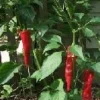
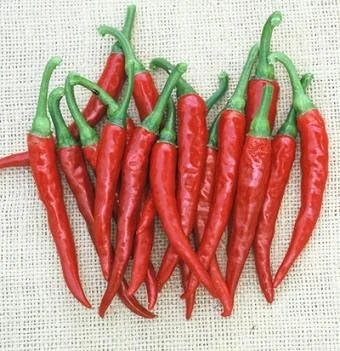
Embark on a thrilling gardening adventure with our premium Ring of Fire Pepper seeds. This classic cayenne type is renowned for its fiery heat and abundant yields, making it a favorite among hot pepper enthusiasts. Each packet contains 20 Seeds, providing a fantastic starting point for growing your own vibrant, hot peppers. The ‘Ring of Fire’ cultivar is celebrated for its consistent heat and classic tapered shape, producing 4-inch fruits that ripen to a brilliant red. Whether you’re a seasoned gardener or just starting out, these seeds offer the chance to cultivate a truly rewarding crop. These plants typically reach 2-3 feet in height, producing a generous harvest ideal for fresh use, drying, or making your own hot sauces. Discover the joy of growing and harvesting your own Ring of Fire Pepper seeds.
The ‘Ring of Fire’ pepper is a robust and visually appealing plant, adding a touch of drama to any garden or patio. Its prolific nature ensures a steady supply of medium-hot peppers throughout the growing season. This variety is perfect for those who appreciate the distinctive flavor and heat profile of cayenne peppers. Growing your own Ring of Fire Pepper seeds allows you to control the growing conditions, ensuring a fresh, organic, and flavorful harvest. Get ready to add some serious spice to your kitchen with these exceptional hot peppers.
Key Benefits
Growing Ring of Fire Pepper seeds offers a multitude of advantages for home gardeners and culinary enthusiasts alike. These benefits extend from the garden to the kitchen, enhancing both your landscape and your meals:
- Abundant Harvest: Each plant produces a high yield of 4-inch, tapered peppers, ensuring you have plenty for all your culinary needs. This makes them incredibly cost-effective for anyone looking to grow hot peppers at home.
- Versatile Culinary Use: The peppers are excellent for fresh consumption, adding a kick to salsas, stir-fries, and marinades. They also dry exceptionally well, allowing you to create your own chili flakes or powders.
- Vibrant Garden Addition: The plants grow to a manageable 2-3 feet tall and are laden with bright red fruits, making them an attractive ornamental addition to vegetable gardens, raised beds, or containers.
- Reliable Heat: Known for their classic cayenne heat, these peppers consistently deliver a satisfying level of spice, perfect for those who enjoy a medium-hot kick.
- Rewarding Growing Experience: Watching these plants mature from cayenne pepper seeds to fruit-bearing specimens is incredibly satisfying, connecting you more deeply with your food source.
- Freshness Guaranteed: By growing your own, you ensure the freshest possible peppers, often surpassing the quality and flavor of store-bought alternatives.
- Supports Healthy Eating: Incorporating fresh peppers into your diet adds vitamins and antioxidants, contributing to a healthier lifestyle.
Plant Care & Growing Tips
Cultivating a thriving crop from your Ring of Fire Pepper seeds is straightforward with the right care. These plants generally mature in about 80 days from transplanting. For optimal growth, start your seeds indoors 8-10 weeks before the last expected frost date. Plant seeds about 1/4 inch deep in a sterile seed-starting mix, maintaining a consistent soil temperature of 75-85°F (24-29°C) for best germination. Once seedlings emerge, provide strong, direct light from a grow lamp or a sunny south-facing window to prevent legginess.
When transplanting outdoors, choose a location that receives full sun, meaning at least 6-8 hours of direct sunlight daily. The soil should be well-draining, rich in organic matter, with a pH between 6.0 and 7.0. Amend heavy clay soils with compost or well-rotted manure to improve drainage and fertility. Space plants 18-24 inches apart in rows 2-3 feet apart. Water regularly, especially during dry periods and when fruits are developing, aiming for consistently moist but not waterlogged soil. Avoid overhead watering to reduce the risk of fungal diseases. Fertilize every 2-4 weeks with a balanced fertilizer, switching to a higher phosphorus and potassium formula once flowering begins to encourage fruit production. Protecting your hot pepper plant care efforts from pests like aphids and spider mites can be achieved with organic insecticidal soaps or neem oil. These plants are generally suitable for USDA zones 4-11 as annuals, thriving in warm conditions.
Size & Details
The Ring of Fire Pepper plant typically grows to a height of 2-3 feet, creating a compact yet productive bush. Its spread is generally about 1.5-2 feet wide, making it suitable for both in-ground gardens and larger containers. The peppers themselves are slender, tapered, and average about 4 inches in length. They begin green and mature to a vibrant, fiery red, indicating their readiness for harvest. These cayenne pepper seeds are packaged to ensure viability, with each packet containing 20 Seeds. Plants mature in approximately 80 days from transplant, offering a relatively quick turnaround from planting to harvest. The seeds should be started indoors to ensure a successful growing season, especially in regions with shorter summers. The plant’s robust nature allows it to produce an abundance of fruits throughout the growing season once established.
Frequently Asked Questions
- Q: How big does a Ring of Fire Pepper plant get? A: A Ring of Fire Pepper plant typically reaches a height of 2-3 feet and a spread of 1.5-2 feet, making it a manageable size for most gardens and even large patio containers. Its compact nature allows for efficient use of space while still yielding a generous harvest.
- Q: What size pot does it come in? A: This product is for Ring of Fire Pepper seeds, not a live plant. The seeds will arrive in a protective packet, ready for you to start them in your preferred seed-starting trays or small pots. You will then transplant them into larger containers or your garden once they are established.
- Q: Is this an indoor or outdoor plant? A: While hot pepper plant care often begins indoors for germination, the Ring of Fire Pepper thrives outdoors in full sun. In regions with long, warm growing seasons, it can be grown directly outdoors. In cooler climates, it’s best to start seeds indoors and transplant after the last frost.
- Q: How much sunlight does it need? A: For optimal growth and fruit production, the Ring of Fire Pepper requires at least 6-8 hours of direct sunlight per day. Full sun exposure is crucial for developing the plant’s vigor and the peppers’ heat and flavor.
- Q: Is this plant easy to care for? A: Yes, the Ring of Fire Pepper is considered relatively easy to care for, making it a good choice for gardeners of all experience levels. Consistent watering, adequate sunlight, and occasional fertilization are the main requirements for a successful crop.
- Q: What condition will the seeds arrive in? A: Your Ring of Fire Pepper seeds will arrive in a sealed, protective packet designed to maintain their viability. We ensure that our seeds are fresh and ready for planting upon arrival, providing a great start to your gardening project.
- Q: Can I use Ring of Fire Peppers in cooking? A: Absolutely! Ring of Fire Peppers are excellent for cooking. Their classic cayenne heat and flavor make them perfect for adding spice to sauces, salsas, stir-fries, and even for drying and grinding into chili powder.
- Q: How long until it matures and produces peppers? A: From the time you transplant your seedlings outdoors, Ring of Fire Pepper plants typically mature and begin producing ripe peppers in about 80 days. This allows for a good harvest within a single growing season.
- Q: When is the best time to plant these seeds? A: The best time to start your cayenne pepper seeds indoors is 8-10 weeks before your region’s average last frost date. This gives the seedlings enough time to develop before being transplanted outdoors when temperatures are consistently warm.
- Q: Will it survive winter in my zone? A: The Ring of Fire Pepper is generally grown as an annual in most climates. It is not frost-tolerant. In USDA zones 9-11, it might survive as a perennial if protected, but it’s typically replanted each spring for best production.
Be the first to review “Ring of Fire Pepper Seeds – 20 Seeds – Hot Cayenne Type – Garden & Patio”
People Also Viewed
Grasses
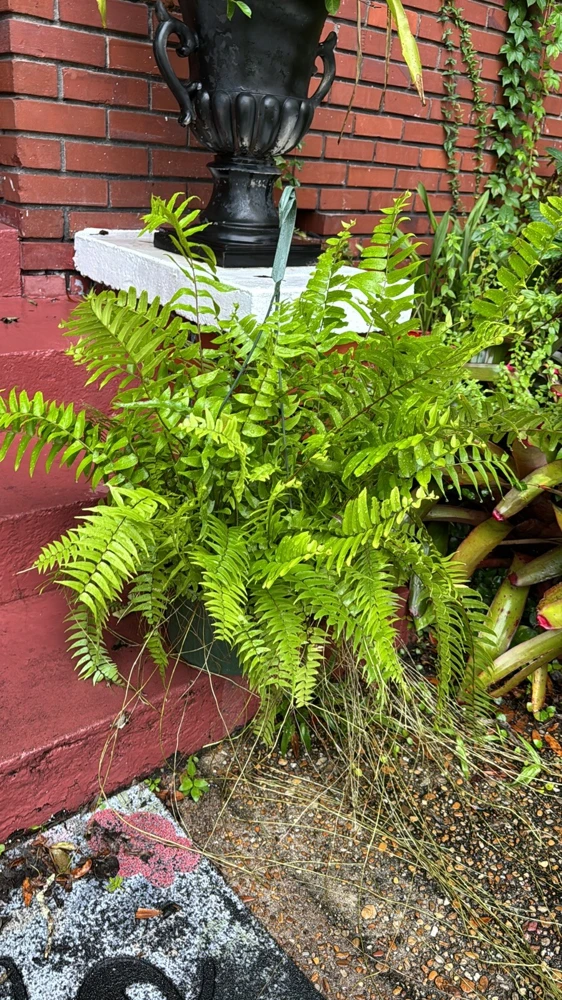
20 Christmas Fern Bare Root Live Plants – Polystichum Acrostichoides Hardy Evergreen Woodland Fern
Reviews
There are no reviews yet.