

Verbena bonariensis Live Plant – 4″ Tall Starter – Attracts Pollinators
$49.76
Bring vibrant purple blooms and lively pollinators to your garden with this verbena bonariensis live plant. This 4″ tall starter plant is known for its airy, tall stems, attracting hummingbirds and butterflies from mid-summer through fall. Ideal for garden beds and borders.
Estimated arrival
Sep 14
Sep 19 - Sep 21
Sep 24 - Sep 28
Shop With Confidence
30-Day Plant Health Guarantee
Arrives damaged? We’ll replace it free — see our return policy.
Responsive Support
Email us anytime, we reply within 1 business day.
Expert Packaging
Temperature-controlled shipping to protect your plants in transit.
Secure Checkout
Pay safely with Visa, Mastercard, PayPal.
Plant Specifications
-
USDA Hardiness Zone
USDA Zones 7-11 (Perennial), Colder Zones (Annual, often self-seeds) -
Soil Type
Well-draining soil -
Sunlight Exposure
Full sun -
Expected Planting Period
Spring to early summer
Overview
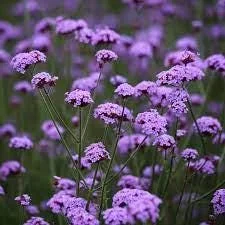
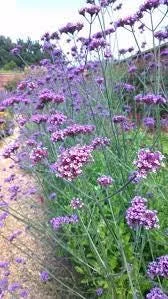
Introduce an elegant and ecologically beneficial touch to your garden with the verbena bonariensis live plant. Also known as Purpletop Vervain or Tall Verbena, this graceful perennial is celebrated for its delicate, airy purple blooms that hover atop slender, branching stems. Growing up to 4 feet tall, it creates a see-through effect in garden beds, allowing other plants to be admired through its wispy form. This particular offering is a 4″ tall starter plant, ready to establish itself in your landscape and begin its journey of growth and beauty. Verbena bonariensis live plant is a favorite among gardeners seeking low-maintenance yet high-impact flora, providing continuous color and movement throughout the warmer months. Its unique structure and long blooming period make it an indispensable addition to any garden design.
The charm of tall verbena plant lies not only in its aesthetic appeal but also in its incredible ability to attract beneficial wildlife. From the moment its first flowers appear in mid-summer until the first frost of fall, your garden will be abuzz with activity. This plant is a magnet for hummingbirds, butterflies, and various other pollinators, making it an excellent choice for supporting local ecosystems and encouraging biodiversity. Its drought tolerance once established further adds to its appeal, making it a sustainable option for various climates and garden styles. Whether you’re designing a cottage garden, a perennial border, or a modern landscape, the purpletop verbena offers an unparalleled combination of beauty, resilience, and ecological value.
Key Benefits
Choosing a verbena bonariensis live plant for your garden offers a multitude of advantages, enhancing both its beauty and its ecological function.
- Exceptional Pollinator Attraction: This plant is a vital resource for local wildlife, drawing in a wide array of hummingbirds, butterflies, and bees with its nectar-rich purple flowers. It’s a cornerstone for any pollinator garden plant.
- Long Blooming Season: Enjoy continuous blooms from mid-summer all the way through to the first hard frost of fall, ensuring your garden remains vibrant and colorful for months. This extended flowering period is a key characteristic of the tall verbena plant.
- Architectural Interest: Its tall, slender stems and airy flower clusters provide unique vertical interest and a ‘see-through’ quality to garden designs, allowing layers of planting to be appreciated.
- Low Maintenance & Drought Tolerant: Once established, verbena bonariensis care is minimal. It requires little water and thrives on neglect, making it perfect for busy gardeners or xeriscaping projects.
- Deer Resistant: A significant benefit for many gardeners, deer typically avoid Verbena bonariensis, leaving your beautiful blooms untouched.
- Versatile Garden Use: Excellent for mass plantings, borders, cottage gardens, meadows, or as a graceful filler plant, adapting well to various landscape styles.
- Self-Seeding for Future Generations: This plant often self-seeds, providing new plants for years to come, though it’s easily managed if you prefer to control its spread.
Plant Care & Growing Tips
Ensuring the success of your verbena bonariensis live plant involves understanding its basic needs, which are thankfully quite straightforward. This resilient perennial thrives with minimal fuss once established. For optimal growth and prolific blooming, plant your tall verbena plant in a location that receives full sun, meaning at least 6-8 hours of direct sunlight per day. While it can tolerate partial shade, flowering may be less abundant, and the stems might become leggy. Good air circulation is also beneficial to prevent fungal issues, so avoid overly crowded planting spots.
When it comes to watering, verbena bonariensis care is relatively simple. Water regularly after planting to help the young plant establish a strong root system. Once established, it is highly drought-tolerant and prefers drier conditions. Overwatering can lead to root rot, so allow the soil to dry out completely between waterings. The ideal soil type is well-draining, and it can adapt to various soil compositions, from sandy to clay, as long as drainage is adequate. Amending heavy clay soils with organic matter can improve drainage. Fertilization is generally not necessary, especially in rich soils. If your soil is particularly poor, a light application of a balanced, slow-release granular fertilizer in spring can be beneficial, but avoid excessive nitrogen, which can promote foliage growth at the expense of flowers. This approach helps ensure a healthy and vibrant purpletop verbena throughout its growing season.
Verbena bonariensis is typically hardy in USDA Zones 7-11, where it behaves as a perennial. In colder zones, it is often grown as an annual, though it frequently self-seeds, returning year after year. Deadheading spent flowers is not strictly necessary for continuous blooming but can prevent excessive self-seeding if you wish to control its spread. Pruning back the plant in late winter or early spring before new growth emerges can help maintain a tidy appearance and encourage bushier growth. Watch out for common pests like aphids or powdery mildew in humid conditions, though these are rarely severe. Proper spacing and good air circulation are the best preventative measures. Following these simple guidelines for verbena bonariensis care will ensure your garden flourishes with this beautiful and beneficial plant.
Size & Details
This offering is for one verbena bonariensis live plant, provided as a starter plant. It ships as a 4″ tall specimen, carefully rooted in a 3″ nursery pot, ensuring it arrives healthy and ready for transplanting into your garden. The mature height of the tall verbena plant typically ranges from 3 to 6 feet, with a spread of 1 to 3 feet, creating an upright and airy presence in the landscape. Its growth rate is moderate to fast, allowing it to establish quickly and begin blooming in its first year if planted in spring. Expect continuous flowering from mid-summer through the fall, providing months of vibrant purple color and attracting pollinators.
The plant’s slender, yet sturdy stems allow its clusters of small, purple-pink flowers to sway gently with the breeze, adding dynamic movement to your garden. This purpletop verbena is perfect for adding height and texture to the middle or back of a border, or for naturalizing in meadow-style plantings. While it is a perennial in warmer climates, its tendency to self-seed means it often reappears even in colder zones where it might not survive the winter as a true perennial. Give it enough space to reach its full potential and enjoy its graceful form and pollinator-friendly attributes.
Frequently Asked Questions
- Q: How big does this verbena bonariensis live plant get? A: This starter plant ships at 4″ tall in a 3″ pot. Once established, it can reach a mature height of 3 to 6 feet with a spread of 1 to 3 feet, creating a tall and airy presence in your garden.
- Q: Is this an indoor or outdoor plant? A: Verbena bonariensis is primarily an outdoor plant, thriving in full sun in garden beds, borders, or large containers. It is not typically grown as an indoor houseplant.
- Q: How much sunlight does the tall verbena plant need? A: For best growth and abundant blooms, this plant requires full sun, meaning at least 6-8 hours of direct sunlight per day. Partial shade can lead to fewer flowers and leggier growth.
- Q: Is this plant easy to care for? A: Yes, verbena bonariensis care is considered very easy. It’s a low-maintenance plant that is drought-tolerant once established and generally pest and disease resistant, making it great for beginners.
- Q: What condition will the purpletop verbena arrive in? A: Your plant will arrive as a healthy, 4″ tall starter plant, securely rooted in a 3″ nursery pot, carefully packaged to ensure its safe journey.
- Q: How long until this pollinator garden plant blooms after planting? A: If planted in spring, your verbena bonariensis can begin to bloom in mid-summer of its first year and will continue to flower until the first fall frost.
- Q: Will it survive winter in my zone? A: Verbena bonariensis is perennial in USDA Zones 7-11. In colder zones, it is often grown as an annual, though it frequently self-seeds, allowing new plants to emerge the following spring.
- Q: What type of soil does it prefer? A: This plant thrives in well-draining soil. It’s adaptable to various soil types, but good drainage is crucial to prevent root issues.
- Q: Does verbena bonariensis attract beneficial insects? A: Absolutely! It is highly attractive to hummingbirds, butterflies, and a wide variety of other pollinators, making it an excellent choice for a wildlife-friendly garden.
- Q: Is this plant deer-resistant? A: Yes, verbena bonariensis is generally considered deer-resistant, which is a great advantage for gardens in areas with deer populations.
Be the first to review “Verbena bonariensis Live Plant – 4″ Tall Starter – Attracts Pollinators”
People Also Viewed
Flower Seeds
250 Persian White Poppy Seeds – Papaver Somniferum Flower Seeds, 36-48″ Tall, White Blooms

Reviews
There are no reviews yet.