

3 Douglas Fir Bare Root Trees – Pseudotsuga menziesii Starter Plant Outdoor
Original price was: $91.99.$66.99Current price is: $66.99.
Cultivate a majestic landscape with these 3 Douglas Fir bare root starter trees. Perfect for reforestation, privacy screens, or adding significant greenery to your property. These Pseudotsuga menziesii tree saplings are ready for planting outdoors.
Estimated arrival
Sep 29
Oct 04 - Oct 06
Oct 09 - Oct 13
Shop With Confidence
30-Day Plant Health Guarantee
Arrives damaged? We’ll replace it free — see our return policy.
Responsive Support
Email us anytime, we reply within 1 business day.
Expert Packaging
Temperature-controlled shipping to protect your plants in transit.
Secure Checkout
Pay safely with Visa, Mastercard, PayPal.
Plant Specifications
-
USDA Hardiness Zone
USDA Zones 4-6 -
Soil Type
Well-draining, acidic to neutral soil -
Sunlight Exposure
Full sun to partial shade -
Expected Planting Period
Early spring or late fall
Overview
Embark on a rewarding gardening journey with our Douglas Fir bare root starter trees. This offering includes 3 young saplings of Pseudotsuga menziesii, commonly known as the Douglas Fir. Renowned for its rapid growth and impressive stature, the Douglas Fir is a cornerstone of many North American forests, highly valued for its timber and its significant ecological role. These bare root trees are an economical and efficient way to establish a new forest, create a natural privacy screen, or enhance your property with a classic evergreen. Planting Douglas Fir bare root trees allows them to quickly establish their root systems in their new environment, leading to robust growth in the coming years. They are a fantastic choice for those looking to make a long-term investment in their landscape, providing beauty, shade, and a habitat for local wildlife.
The Douglas Fir is not only a symbol of strength and endurance but also a versatile plant that adapts well to various climates within its hardiness zones. These starter trees provide a unique opportunity to witness the growth of a magnificent tree from its early stages, offering a sense of accomplishment and contributing to environmental health. Whether you’re a seasoned arborist or a budding gardener, growing a Pseudotsuga menziesii tree is a deeply satisfying experience.
Key Benefits
Choosing Douglas Fir trees for your landscape offers a multitude of advantages, both aesthetic and ecological. These trees are not just beautiful; they are a long-term investment in the health and beauty of your property.
- Rapid Growth & Stature: Douglas Firs are known for their relatively fast growth rate, quickly adding significant height and presence to your landscape. They can reach impressive heights, providing a majestic backdrop.
- Excellent Privacy Screen: With their dense evergreen foliage, these trees form an effective and attractive privacy barrier, screening out unwanted views and reducing noise.
- Wildlife Habitat: The dense branches and cones of the Douglas Fir provide shelter and food for a variety of wildlife, including birds and small mammals, enriching your local ecosystem.
- Timber Value: Historically and currently, Douglas Fir is a highly prized timber tree, known for its strength and versatility. Planting these trees can be a long-term investment.
- Erosion Control: Their extensive root systems are excellent for stabilizing soil on slopes and preventing erosion, especially in areas prone to runoff.
- Aesthetic Appeal: The soft, green needles and classic conical shape of the Pseudotsuga menziesii tree make it a beautiful addition to any large property or naturalized area.
- Carbon Sequestration: Like all trees, Douglas Firs play a vital role in sequestering carbon dioxide from the atmosphere, contributing to a healthier environment. Planting a Douglas Fir bare root helps combat climate change.
Plant Care & Growing Tips
Successfully growing a Douglas Fir bare root tree requires attention to its specific needs, especially during the initial establishment phase. These trees thrive in full sun to partial shade, ideally receiving at least 6 hours of direct sunlight per day. They prefer well-drained, acidic to neutral soil. When planting, dig a hole wide enough to accommodate the spread of the roots without bending them, and deep enough so that the root collar (where the roots meet the stem) is at ground level. Backfill with native soil, gently tamping down to remove air pockets, and water thoroughly.
Consistent moisture is crucial for young Douglas Firs. Water regularly during the first few years, especially during dry spells, ensuring the soil remains moist but not waterlogged. Once established, they are relatively drought-tolerant but will benefit from supplemental watering during prolonged dry periods. Fertilization is generally not needed for the first year if planted in good soil. In subsequent years, a balanced evergreen fertilizer can be applied in early spring. Pruning is usually minimal, primarily for removing dead or damaged branches, or to shape the tree if desired, though their natural conical form is often preferred. Understanding how to grow Douglas Fir correctly from the start will ensure a strong and healthy tree.
These trees are hardy in USDA zones 4-6, making them suitable for a wide range of climates. Protect young trees from deer and other browsing animals during their first few years. Proper care will help your Douglas Fir starter plant develop into a magnificent, long-lived specimen. For those looking to bare root tree care, ensuring adequate water and protection from initial stressors is key.
Size & Details
This product includes 3 Douglas Fir bare root starter trees, Pseudotsuga menziesii. Bare root trees are typically dormant when shipped, meaning they have no soil around their roots, which makes them easy to transport and plant. The size of the bare root saplings can vary but generally range from 6 to 18 inches in height, ready for immediate planting upon arrival. These young trees are ideal for mass plantings, reforestation projects, or as individual specimens for future growth. The Douglas Fir is a medium to fast-growing conifer, capable of adding 1 to 2 feet in height per year under optimal conditions. When mature, a Pseudotsuga menziesii tree can reach heights of 40-70 feet in cultivation, with a spread of 15-25 feet, though they can grow much taller in their native habitats. Expect these starter trees to establish their root systems in the first year, with visible new growth appearing in the spring following planting.
Frequently Asked Questions
- Q: How big do these Douglas Fir bare root trees get? A: While these are starter trees, a mature Douglas Fir can reach impressive heights of 40-70 feet in cultivation, with a spread of 15-25 feet. Their ultimate size depends on growing conditions and age.
- Q: Is this an indoor or outdoor plant? A: The Douglas Fir (Pseudotsuga menziesii tree) is an outdoor plant, best suited for large landscapes, forests, or open areas where it has room to grow to its full potential.
- Q: How much sunlight does it need? A: Douglas Firs thrive in full sun, requiring at least 6 hours of direct sunlight per day. They can tolerate partial shade, but growth may be less vigorous.
- Q: Is this plant easy to care for? A: While initial establishment requires diligent watering and protection, once established, Douglas Firs are relatively low-maintenance. Knowing how to grow Douglas Fir effectively simplifies the process.
- Q: What condition will it arrive in? A: Your order will arrive as 3 Douglas Fir bare root saplings, dormant and without soil around their roots, carefully packaged for safe transit. They are ready for planting upon arrival.
- Q: When is the best time to plant these bare root trees? A: The ideal time to plant bare root Douglas Firs is in early spring, as soon as the ground can be worked, or in late fall after the leaves have dropped, before the ground freezes.
- Q: What’s the minimum temperature these trees can tolerate? A: Douglas Firs are quite hardy and can tolerate temperatures well below freezing, thriving in USDA Hardiness Zones 4-6.
- Q: How can I ensure my Douglas Fir starter plant survives? A: Ensure proper planting depth, consistent watering during the first few years, protection from pests like deer, and adequate sunlight to give your Douglas Fir bare root the best chance of survival.
- Q: Do I need to fertilize my young Douglas Fir? A: For the first year, fertilization is generally not necessary if planted in good soil. In subsequent years, a balanced evergreen fertilizer can be applied in early spring.
- Q: What kind of soil do Douglas Firs prefer? A: They prefer well-drained, acidic to neutral soil. Avoid heavy, waterlogged soils which can lead to root rot. Good bare root tree care starts with proper soil preparation.
Be the first to review “3 Douglas Fir Bare Root Trees – Pseudotsuga menziesii Starter Plant Outdoor”
People Also Viewed
Houseplants
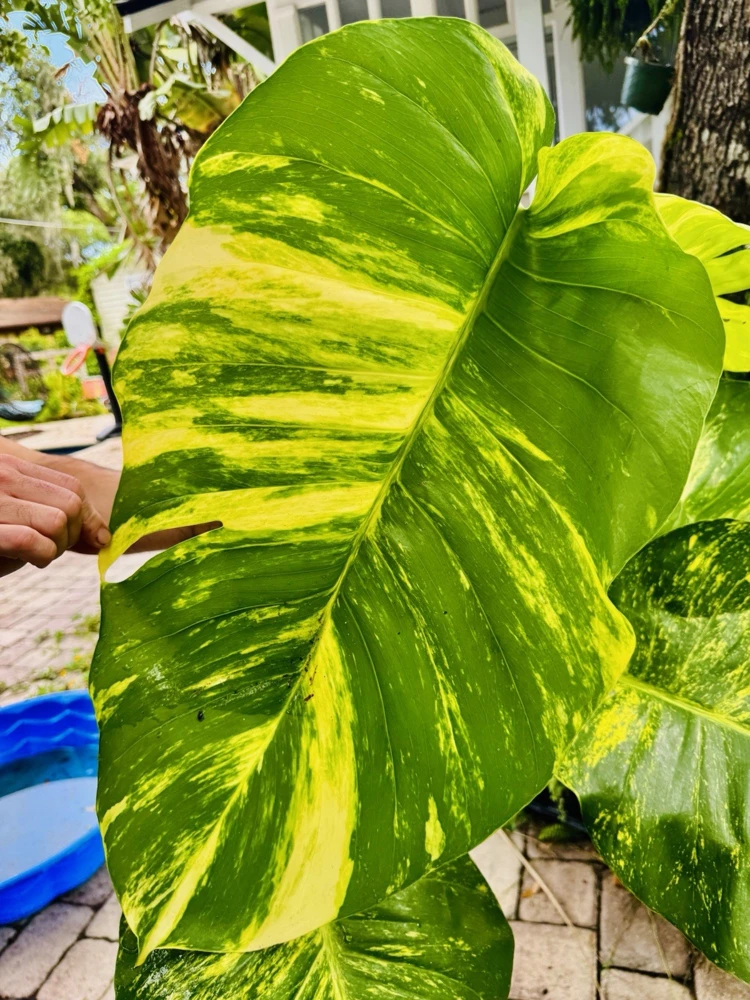
Giant Variegated Pothos Live Plant – Large Indoor Climbing Houseplant with Pot & Moss Pole


Flower Seeds
Flower Seeds
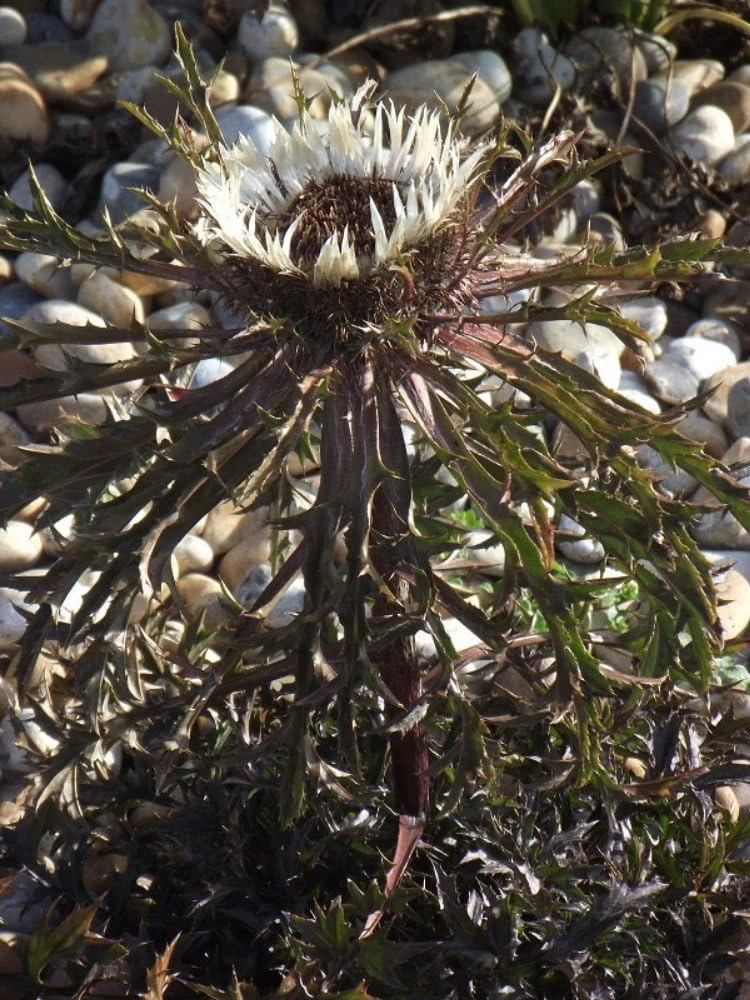
Bronze Weather Thistle Seeds – Carlina acaulis ‘Bronze’ Perennial Flower Seeds – 10 Count


Reviews
There are no reviews yet.