
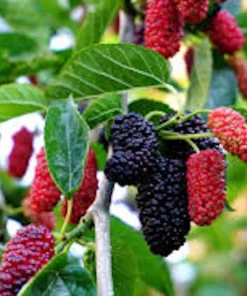
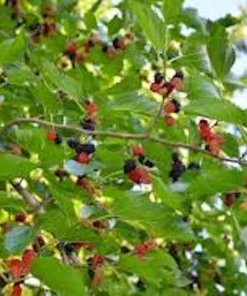
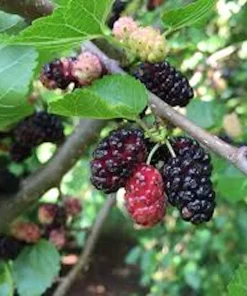
Red Mulberry Tree 12-24″ Tall – Morus rubra Live Fruit Tree – Outdoor
Original price was: $74.99.$49.99Current price is: $49.99.
Cultivate your own sweet fruit with this Red Mulberry Tree (Morus rubra). Standing 12-24 inches tall, this live fruit tree is ideal for outdoor planting and thrives in USDA Zones 4-8. Enjoy its rapid growth and abundant, delicious berries.
Estimated arrival
Sep 29
Oct 04 - Oct 06
Oct 09 - Oct 13
Shop With Confidence
30-Day Plant Health Guarantee
Arrives damaged? We’ll replace it free — see our return policy.
Responsive Support
Email us anytime, we reply within 1 business day.
Expert Packaging
Temperature-controlled shipping to protect your plants in transit.
Secure Checkout
Pay safely with Visa, Mastercard, PayPal.
Plant Specifications
-
USDA Hardiness Zone
4-8 -
Soil Type
Moist, well-draining soil -
Sunlight Exposure
Full sun to partial shade -
Expected Planting Period
Late winter to early spring (dormant)
Overview
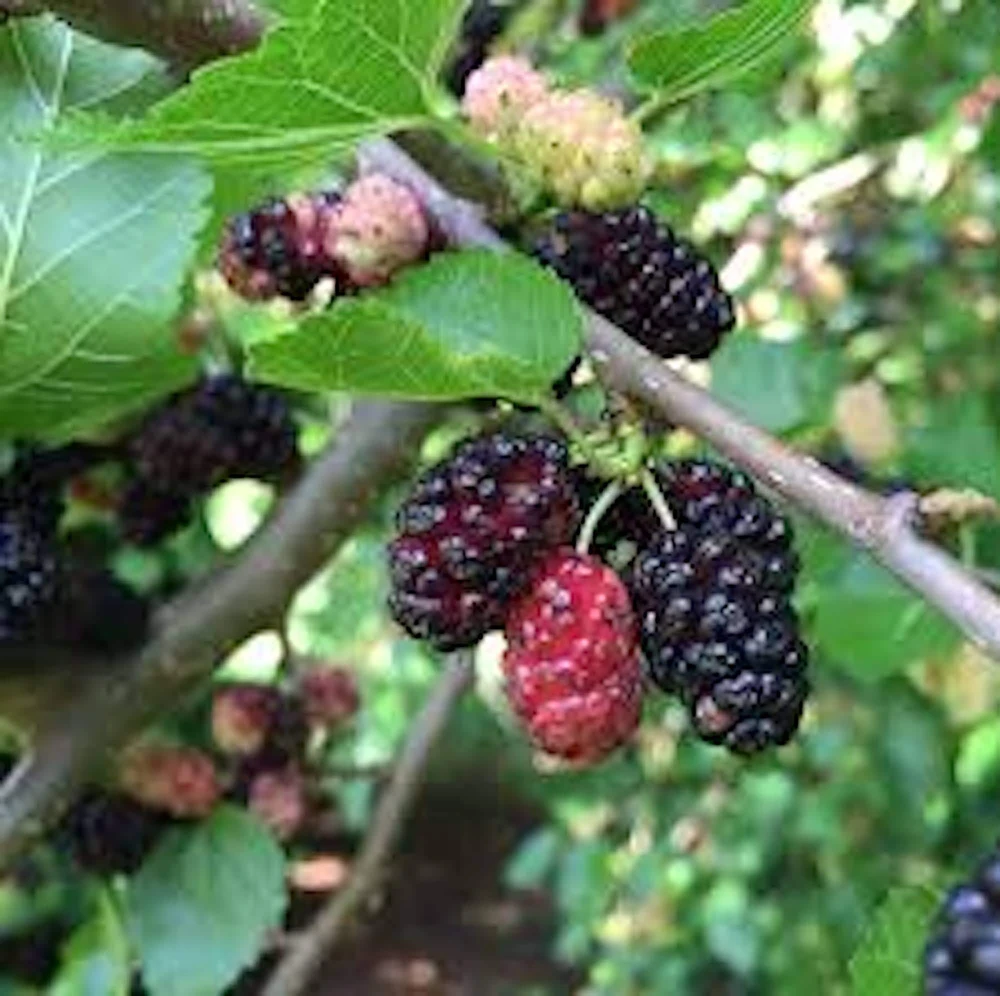
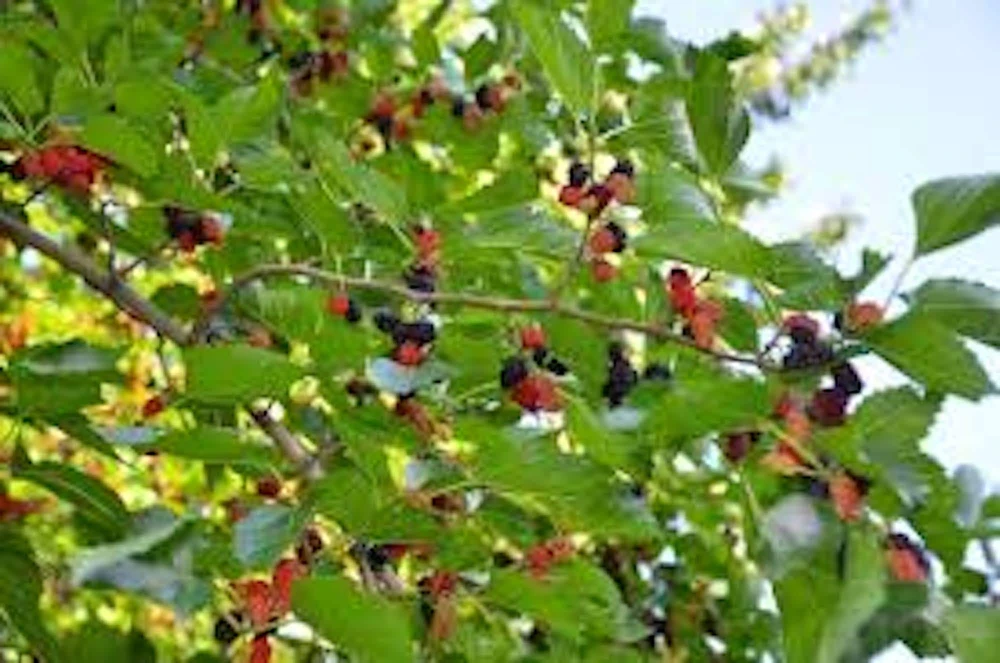
Embark on a rewarding gardening journey with the red mulberry tree (Morus rubra), a native North American fruit-bearing specimen known for its delicious berries and robust growth. This offering is for a vibrant red mulberry tree, measuring 12-24 inches tall, ready to establish itself in your garden. Whether you’re a seasoned horticulturist or a budding enthusiast, growing a red mulberry tree provides not only a source of fresh, sweet fruit but also an attractive addition to your landscape. The Morus rubra is celebrated for its adaptability and ability to thrive in various conditions, making it a fantastic choice for many climates. Its natural charm and edible bounty make it a cherished plant for any home garden.
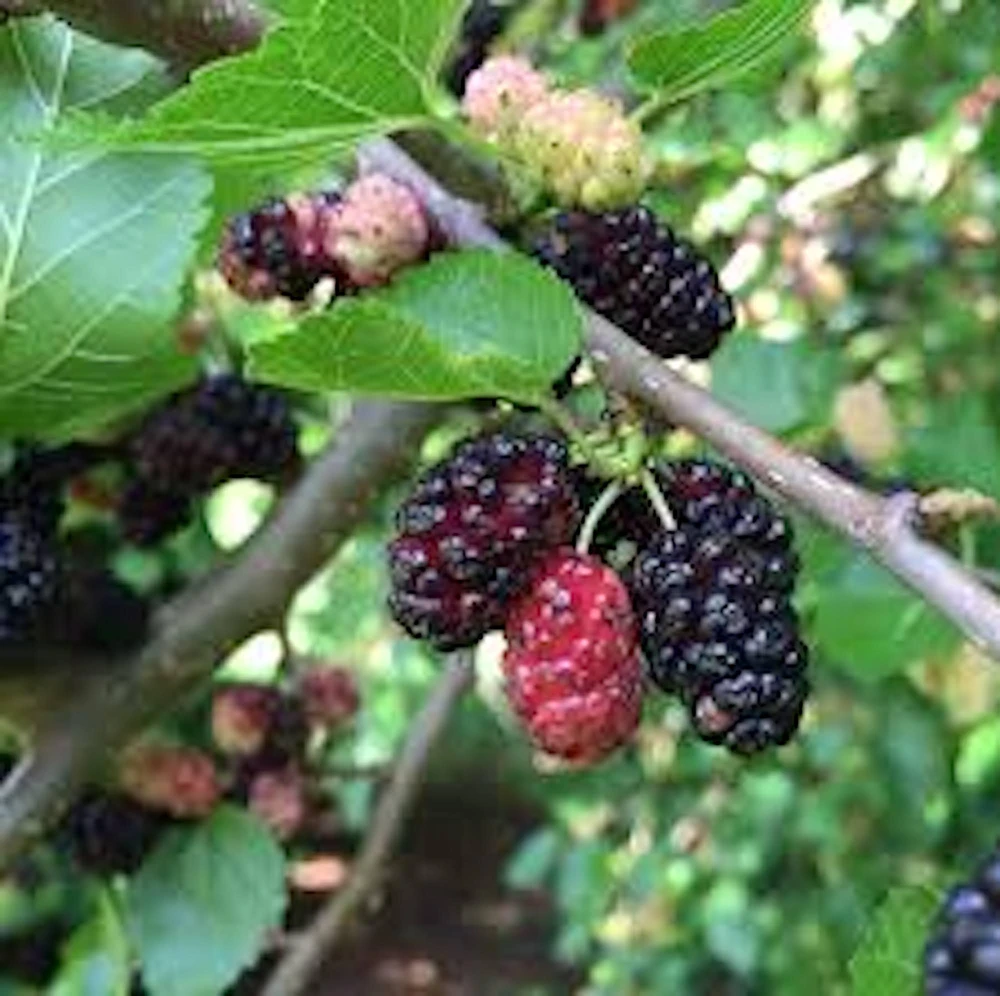
The red mulberry tree is a deciduous tree native to eastern North America, prized for its sweet, dark red to black fruit, which ripens in late spring to early summer. These trees are typically shipped as a bare root fruit tree when dormant, ensuring they arrive ready for successful planting. During the growing season, they may be shipped in a pot. Known for its strong growth habit, the red mulberry tree can provide shade and attract wildlife, such as birds, to your yard. Its historical significance and ease of cultivation make it a popular choice for those looking to add a touch of nature and a source of sustenance to their property.
Key Benefits
Adding a red mulberry tree to your landscape offers numerous advantages beyond just delicious fruit. This versatile tree provides ecological benefits, aesthetic appeal, and a sustainable food source for both humans and wildlife. Its natural resilience makes it a low-maintenance option for many gardeners.
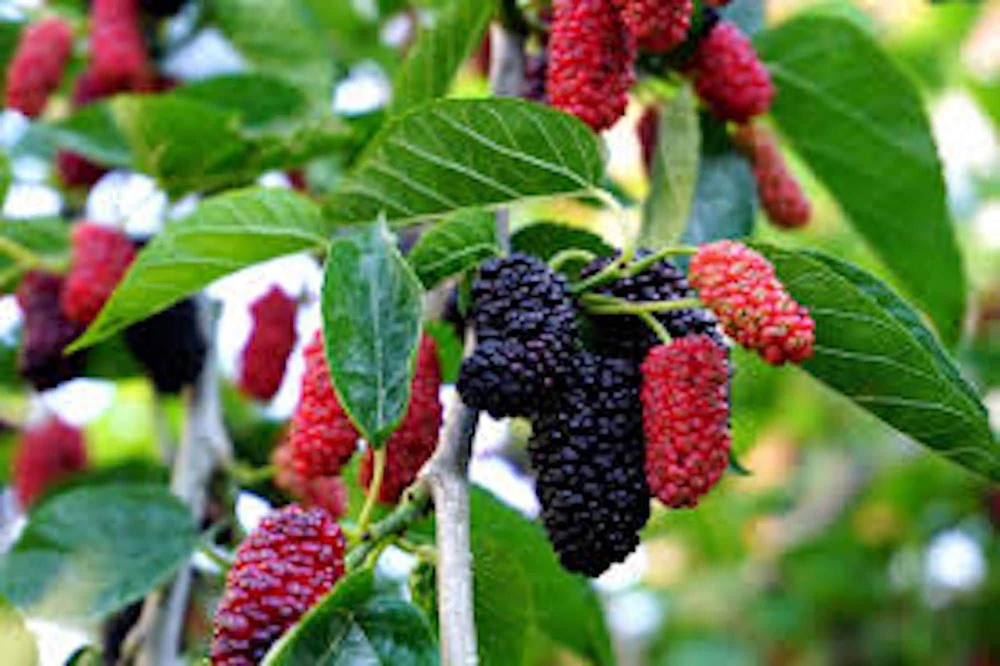
- Abundant, Delicious Fruit: Enjoy a plentiful harvest of sweet, juicy mulberries that are perfect for fresh eating, jams, jellies, pies, and more. The red mulberry tree produces fruit that is a delightful treat in late spring to early summer.
- Attractive Landscape Addition: With its broad leaves and graceful form, the Morus rubra makes an appealing shade tree for your yard, enhancing the beauty and biodiversity of your outdoor space.
- Wildlife Attraction: The berries are a favorite food source for various bird species and other wildlife, helping to support local ecosystems and bringing natural activity to your garden.
- Hardy and Adaptable: This bare root fruit tree is known for its resilience and ability to thrive in a wide range of soil types and conditions, making it suitable for many regions within its hardiness zones.
- Fast Growing: The red mulberry tree is a relatively fast-growing species, meaning you won’t have to wait long to enjoy its shade and fruit production once established.
- Low Maintenance: Once established, mulberry tree care is relatively straightforward, requiring minimal intervention to flourish and produce fruit.
- Historical and Cultural Significance: As a native species, the red mulberry tree holds historical value and connects your garden to the natural heritage of North America.
Plant Care & Growing Tips
Proper mulberry tree care is essential for ensuring your red mulberry tree thrives and produces abundant fruit. The Morus rubra is generally a hardy and adaptable tree, but providing it with optimal conditions will maximize its growth and yield. Understanding its requirements for sunlight, soil, water, and temperature will help you cultivate a healthy and productive tree. This guide will help you navigate the nuances of nurturing your red mulberry tree from planting to maturity.
For best growth, plant your red mulberry tree in a location that receives full sun, meaning at least 6-8 hours of direct sunlight per day. While it can tolerate some shade, full sun promotes the most vigorous growth and fruit production. The Red Mulberry thrives in various moist, well-drained soils. Avoid overly dry or waterlogged conditions. When planting your bare root fruit tree, ensure the roots are spread out in the hole and backfill with soil, gently tamping down to remove air pockets. Water thoroughly after planting. Consistent moisture is crucial, especially during the tree’s establishment period and dry spells. While it can tolerate some drought once mature, regular watering will encourage better fruiting. Fertilize annually in early spring with a balanced, slow-release fertilizer, following product instructions.
The red mulberry tree is hardy in USDA red mulberry zone 4-8. It can withstand a wide range of temperatures, but protecting young trees from extreme cold in the first few years can be beneficial. Pruning should be done in late winter or early spring while the tree is dormant. Focus on removing dead, damaged, or crossing branches to maintain a strong structure and improve air circulation. You can also prune to manage the tree’s size and shape. While generally robust, keep an eye out for common pests like scale insects or diseases like powdery mildew. Good air circulation and proper watering practices can help prevent many issues. Consult local extension services for specific advice on pest and disease management in your region to ensure optimal mulberry tree care.
Size & Details
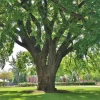
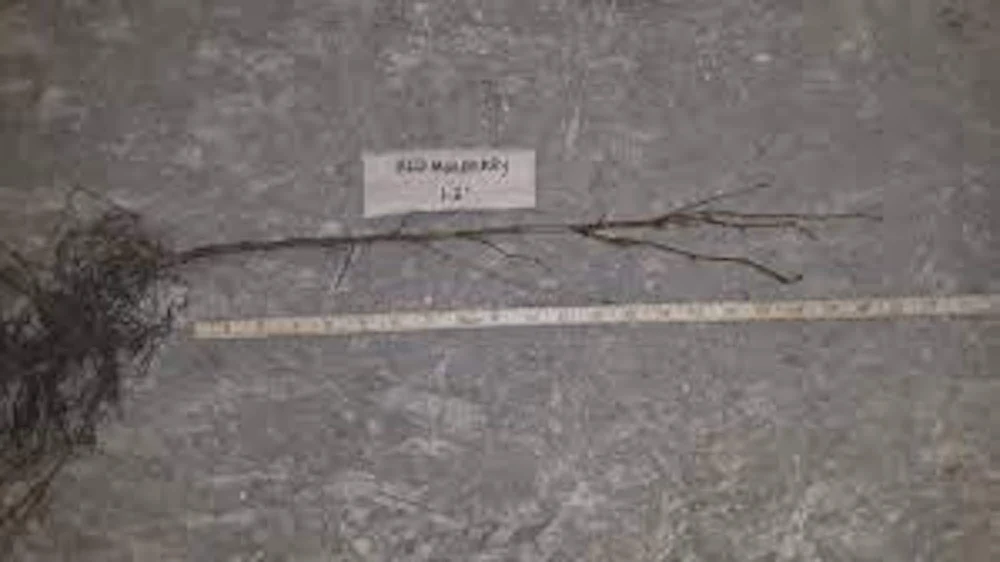
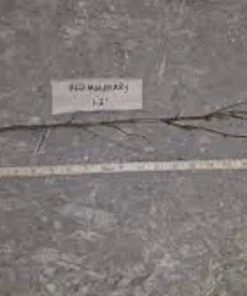
This offering is for one red mulberry tree, typically measuring 12-24 inches tall at the time of shipment. The actual height may vary slightly depending on the season and growth stage. When shipped dormant, these are provided as a bare root fruit tree, meaning they will arrive without soil around their roots, carefully packaged to maintain viability. During the growing season, they may be shipped in a quart pot. These trees are known for their rapid growth rate, eventually reaching impressive heights of 30-60 feet (9-18 meters) at maturity, providing substantial shade and a consistent supply of delicious fruit. The mature width can also be considerable, making it an excellent specimen tree for larger landscapes.
The red mulberry tree will begin to produce fruit within a few years of planting, with increasing yields as it matures. Its ultimate size and fruiting capacity will depend on planting conditions, care, and climate within its optimal red mulberry zone. This tree is a long-lived species, offering many years of enjoyment and ecological benefits. Plan for adequate space to accommodate its mature size when choosing a planting location. For successful establishment, follow the recommended mulberry tree care guidelines, ensuring proper planting depth and initial watering.
Frequently Asked Questions
- Q: How big does this red mulberry tree get? A: This red mulberry tree is shipped at 12-24 inches tall. At maturity, it typically reaches heights of 30-60 feet (9-18 meters), creating a substantial shade tree.
- Q: Is this an indoor or outdoor plant? A: The red mulberry tree (Morus rubra) is an outdoor plant, best suited for planting directly in the ground where it has ample space to grow and thrive. It is not suitable for indoor cultivation long-term.
- Q: How much sunlight does the Morus rubra fruit tree need? A: This morus rubra fruit tree requires full sun for optimal growth and fruit production, meaning at least 6-8 hours of direct sunlight per day. It can tolerate partial shade, but fruiting may be reduced.
- Q: Is this bare root fruit tree easy to care for? A: Yes, once established, the red mulberry tree is considered relatively easy to care for. It’s quite adaptable to various soil types and conditions, making mulberry tree care manageable for most gardeners.
- Q: What condition will the bare root fruit tree arrive in? A: When dormant, your bare root fruit tree will arrive without soil around its roots, carefully packed to keep the roots moist. During the growing season, it may arrive in a quart pot with soil.
- Q: How long until this red mulberry tree produces fruit? A: A red mulberry tree typically begins to produce fruit within 2-5 years of planting, with yields increasing significantly as the tree matures.
- Q: What USDA hardiness zone is this red mulberry tree suitable for? A: This red mulberry tree is hardy and thrives in USDA red mulberry zone 4-8, making it suitable for a wide range of climates across the United States.
- Q: Can I use the fruit from my red mulberry tree for cooking? A: Absolutely! The sweet berries from your morus rubra fruit tree are delicious fresh and are excellent for making jams, jellies, pies, sauces, and other culinary delights.
- Q: What kind of soil does this tree prefer? A: The red mulberry tree thrives in various moist, well-drained soils. It is quite adaptable but prefers loamy, fertile soil for best results.
- Q: When is the best time to plant a bare root fruit tree? A: The best time to plant a bare root fruit tree like the red mulberry tree is in late winter or early spring, while the tree is still dormant, before new growth begins.
Be the first to review “Red Mulberry Tree 12-24″ Tall – Morus rubra Live Fruit Tree – Outdoor”
People Also Viewed

Reviews
There are no reviews yet.