

Angelica Plumeria Frangipani Cutting – 12-16″ Live Plant – Fragrant Flowers
Original price was: $54.99.$44.99Current price is: $44.99.
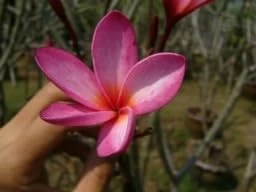
Bring tropical beauty indoors with this Angelica Plumeria live plant cutting. Known as the Temple Tree plant, it produces intensely fragrant, waxy flowers and attractive green foliage. This 12-16 inch cutting is ready for planting to establish a stunning houseplant.
Estimated arrival
Sep 29
Oct 04 - Oct 06
Oct 09 - Oct 13
Shop With Confidence
30-Day Plant Health Guarantee
Arrives damaged? We’ll replace it free — see our return policy.
Responsive Support
Email us anytime, we reply within 1 business day.
Expert Packaging
Temperature-controlled shipping to protect your plants in transit.
Secure Checkout
Pay safely with Visa, Mastercard, PayPal.
Plant Specifications
-
USDA Hardiness Zone
USDA zones 9-11 (outdoors), suitable for all zones as a houseplant -
Soil Type
Well-draining soil (equal parts topsoil & sand/fine gravel) -
Sunlight Exposure
Full sun (6-8+ hours direct sunlight daily) -
Expected Planting Period
Year-round indoors, spring/summer outdoors
Overview
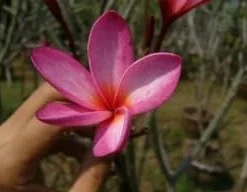
Transform your home or garden into a tropical paradise with the exquisite Angelica Plumeria live plant cutting. This 12-16 inch cutting of the popular Frangipani, often called the ‘Temple Tree,’ offers a unique opportunity to cultivate a plant renowned for its breathtaking beauty and intoxicating fragrance. Originating from tropical regions, Plumeria (specifically Plumeria rubra, though other species exist) is celebrated for its showy clusters of waxy flowers that bloom over an extended period during warmer months. Its large, shiny green leaves provide a lush backdrop to the vibrant, often multi-colored blossoms. In Hawaii, the long-lasting flowers of the Frangipani are famously used in traditional leis, symbolizing beauty and welcome. This deciduous foliage plant will bring an exotic touch and a delightful aroma to any sunny space, making it a truly special addition to your plant collection. Cultivating a fragrant tropical plant like Plumeria from a cutting is a rewarding experience.
Key Benefits
Growing an Angelica Plumeria live plant offers a multitude of benefits, from aesthetic appeal to sensory pleasure. This tropical gem is more than just a beautiful face; it enriches your living space in several ways:
- Exotic Floral Display: Enjoy stunning clusters of waxy flowers in various shades, bringing a vibrant, tropical aesthetic to your home or patio. These blooms are truly a sight to behold and a conversation starter.
- Intense Fragrance: Plumeria flowers are famous for their rich, sweet, and intense fragrance, which can fill an entire room or garden area, creating a wonderfully aromatic environment. This makes it a popular choice for those seeking a fragrant tropical plant.
- Lush Green Foliage: Even when not in bloom, the large, glossy green leaves provide an attractive, lush appearance, contributing to a vibrant and healthy indoor or outdoor setting.
- Unique Houseplant: Makes an excellent exotic houseplant, especially in cooler climates, allowing you to enjoy a piece of the tropics year-round. It adds a sophisticated and unique touch to any decor.
- Cultural Significance: Known as the ‘Temple Tree’ and used in Hawaiian leis, the Frangipani carries a rich cultural history, adding an interesting narrative to your plant collection.
- Rewarding Cultivation: Successfully establishing a Frangipani cutting care routine and watching it grow and bloom is a deeply satisfying experience for any plant enthusiast.
- Adaptable Growth: While preferring sunny conditions, with proper care, this plant can thrive in various settings, making it accessible to a wider range of gardeners.
Plant Care & Growing Tips
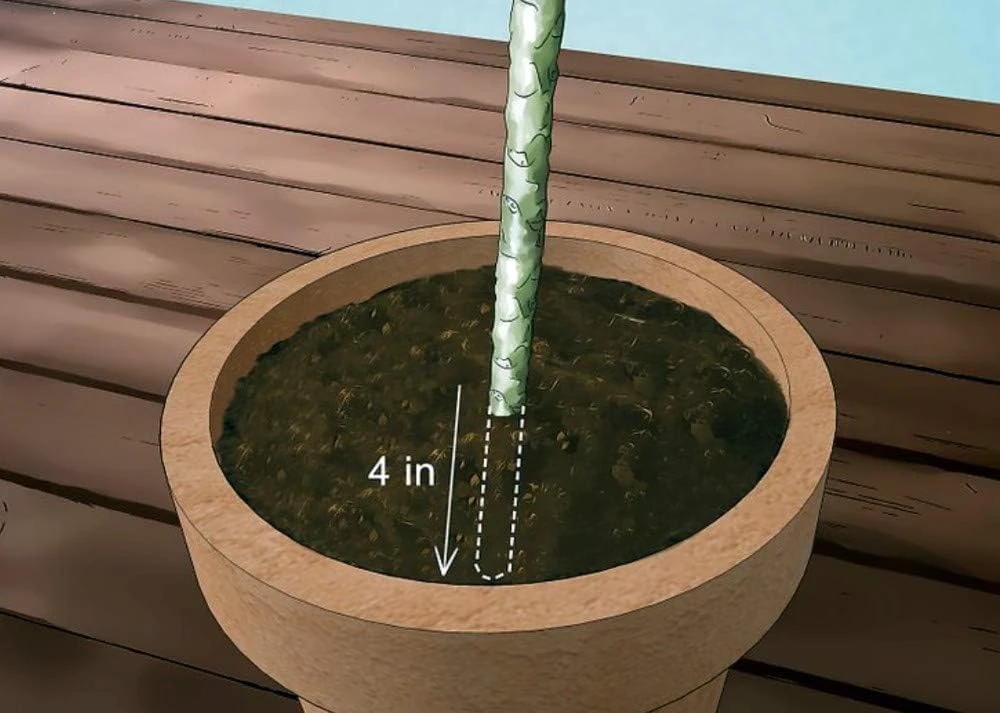
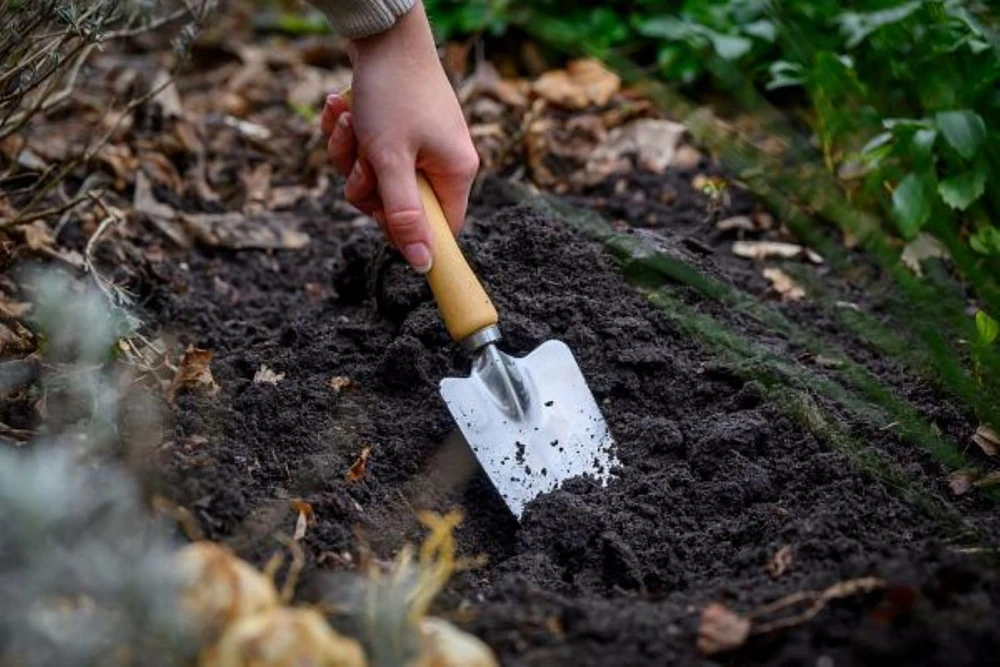
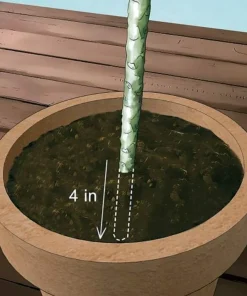
Caring for your Angelica Plumeria live plant cutting requires attention to specific environmental needs to ensure successful growth and abundant blooms. Plumeria thrives in conditions that mimic its tropical origins, so providing the right light, water, and temperature is crucial. For successful establishment, plant your Frangipani cutting care routine to include a well-draining potting mix. A good blend consists of equal parts topsoil and sand or fine gravel. Ensure the pot has excellent drainage holes, and consider adding 1 to 3 inches of gravel or stones at the bottom to prevent waterlogging.
Sunlight Requirements: Plumeria are sun-loving plants, much like cacti. They require abundant sunlight to flower profusely. Place your plant in an open, sunny area where it can receive at least 6-8 hours of direct sunlight daily. For indoor cultivation, a south-facing window is ideal. Growing Plumeria indoors successfully depends heavily on providing adequate light.
Watering: Proper watering is key to a healthy Plumeria. Water thoroughly until water drains from the bottom of the pot, then allow the soil to dry out completely before watering again. Overwatering is a common mistake that can lead to root rot. During the dormant winter months, reduce watering significantly. Humidity is appreciated, so occasional misting can be beneficial, especially indoors.
Temperature and Hardiness: These tropical plants are sensitive to cold. They require a minimum winter temperature of 13°C (55°F). In USDA zones below 9, Plumeria should be grown in containers and brought indoors before the first frost. They are not frost-tolerant. If you are growing Plumeria indoors, ensure it is kept away from cold drafts.
Fertilization: During the active growing season (spring through summer), feed your Plumeria with a small amount of general-purpose fertilizer once a month. Look for fertilizers with a higher phosphorus content to encourage blooming. Reduce or cease fertilization during fall and winter dormancy.
Pruning: Pruning is generally done to shape the plant or encourage branching, which can lead to more flowers. The best time to prune is late winter or early spring before new growth begins.
Size & Details
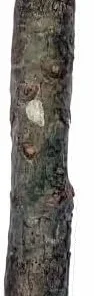
This offering is for a Angelica Plumeria live plant cutting, measuring approximately 12-16 inches in length. This size is ideal for planting and establishing a robust new plant. When mature, a Plumeria plant can reach a height of 1-3 meters (3-10 feet) in tropical climates, though container-grown plants will typically remain smaller and more manageable, especially when growing Plumeria indoors. The growth rate is moderate, and with proper Frangipani cutting care, you can expect to see significant development within the first year. Flowers typically appear in summer, offering a long period of fragrant blooms. This cutting ships ready for you to plant and nurture into a beautiful, mature specimen, providing years of exotic beauty and delightful fragrance. The measurements are approximate, reflecting the natural variation in plant material.
Frequently Asked Questions
- Q: How big does this plant get? A: This is a 12-16 inch cutting. When mature, a Plumeria can reach 3-10 feet tall, especially if grown outdoors in suitable climates. Indoor plants typically remain smaller and can be managed with pruning.
- Q: Is this an indoor or outdoor plant? A: The Angelica Plumeria live plant can be grown both indoors and outdoors. In tropical climates (USDA zones 9-11), it thrives outdoors year-round. In cooler regions, it makes an excellent exotic houseplant and should be brought indoors when temperatures drop below 55°F (13°C).
- Q: How much sunlight does it need? A: Plumeria requires abundant sunlight to flourish and produce flowers. Aim for at least 6-8 hours of direct sun daily. A bright, sunny location is crucial for successful growing Plumeria indoors.
- Q: Is this plant easy to care for? A: With proper attention to its light, watering, and temperature needs, Plumeria care is relatively straightforward. It’s considered a moderate-difficulty plant, rewarding consistent care with beautiful blooms. Following good Frangipani cutting care practices will set you up for success.
- Q: What condition will it arrive in? A: Your Angelica Plumeria live plant will arrive as a healthy, unrooted cutting, carefully packaged to ensure its integrity during transit. You will need to root it according to the provided instructions.
- Q: How long until it blooms? A: Plumeria grown from cuttings can take 1-3 years to produce their first blooms, depending on growing conditions and care. Patience and consistent care are key to enjoying the fragrant flowers of this Temple Tree plant.
- Q: What is the best soil for Plumeria? A: Plumeria requires a well-draining soil mix. A good blend consists of equal parts topsoil and sand or fine gravel. Good drainage is paramount to prevent root rot.
- Q: Will it survive winter in my zone? A: Plumeria is a tropical plant and is not frost-tolerant. If you live in a region with cold winters (below USDA Zone 9), you must bring your fragrant tropical plant indoors before temperatures drop.
- Q: How often should I fertilize my Plumeria? A: During the active growing season (spring and summer), fertilize once a month with a general-purpose or high-phosphorus fertilizer to encourage blooming. Reduce or stop fertilizing during dormancy.
- Q: Can I grow this Plumeria in a pot? A: Yes, Plumeria is very well-suited for container growing, especially for those in cooler climates who need to move the plant indoors during winter. Ensure the pot has excellent drainage.
Be the first to review “Angelica Plumeria Frangipani Cutting – 12-16″ Live Plant – Fragrant Flowers”
People Also Viewed

Fruits
Valencia Orange Live Plant – 2-5 Inch Tall Potted Fruit Tree – Indoor/Outdoor Citrus sinensis
Reviews
There are no reviews yet.