

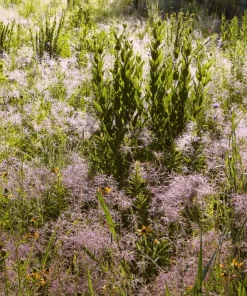
100 Purple Lovegrass Flower Seeds – Eragrostis Spectabilis Native Ornamental Grass
Original price was: $36.99.$16.99Current price is: $16.99.
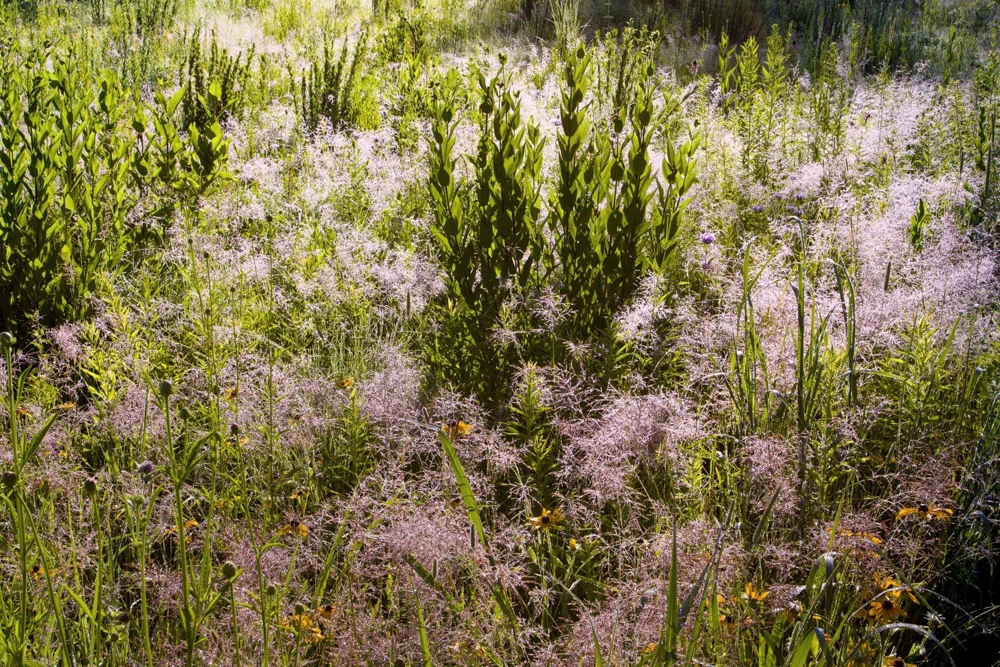
Cultivate a vibrant, native landscape with these 100 Purple Lovegrass seeds. Ideal for meadows, borders, or naturalized areas, Eragrostis Spectabilis is a stunning ornamental grass known for its airy purple-red blooms and drought tolerant grass characteristics. Perfect for attracting beneficial insects and adding seasonal color.
Estimated arrival
Sep 14
Sep 19 - Sep 21
Sep 24 - Sep 28
Shop With Confidence
30-Day Plant Health Guarantee
Arrives damaged? We’ll replace it free — see our return policy.
Responsive Support
Email us anytime, we reply within 1 business day.
Expert Packaging
Temperature-controlled shipping to protect your plants in transit.
Secure Checkout
Pay safely with Visa, Mastercard, PayPal.
Plant Specifications
-
USDA Hardiness Zone
USDA Zones 5-9 -
Soil Type
Well-draining, sandy, or gravelly soil -
Sunlight Exposure
Full sun -
Expected Planting Period
Spring to early summer
Overview
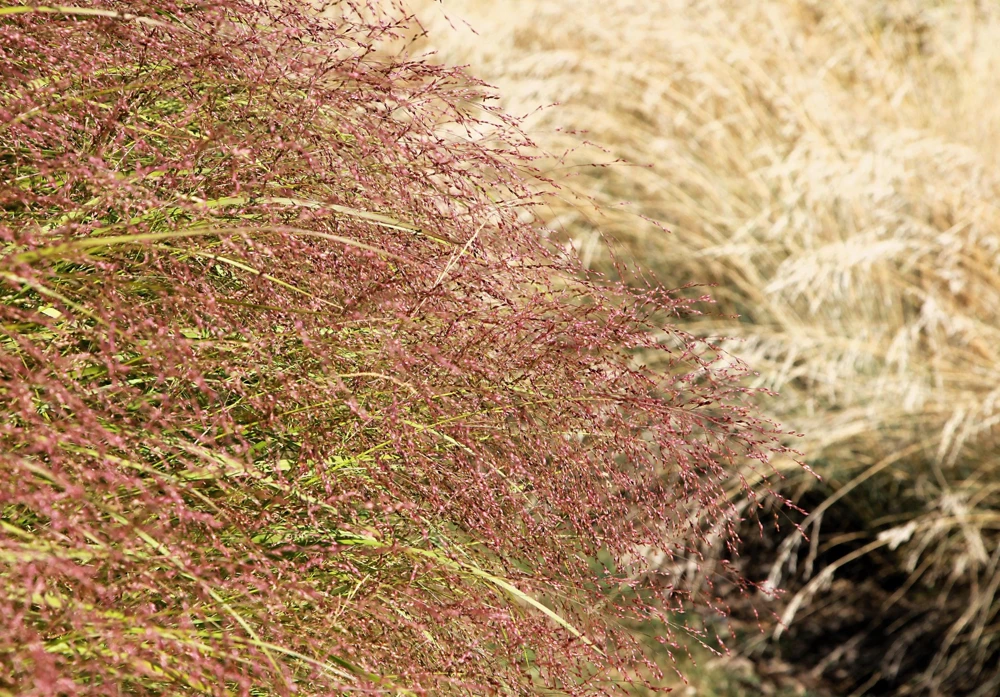
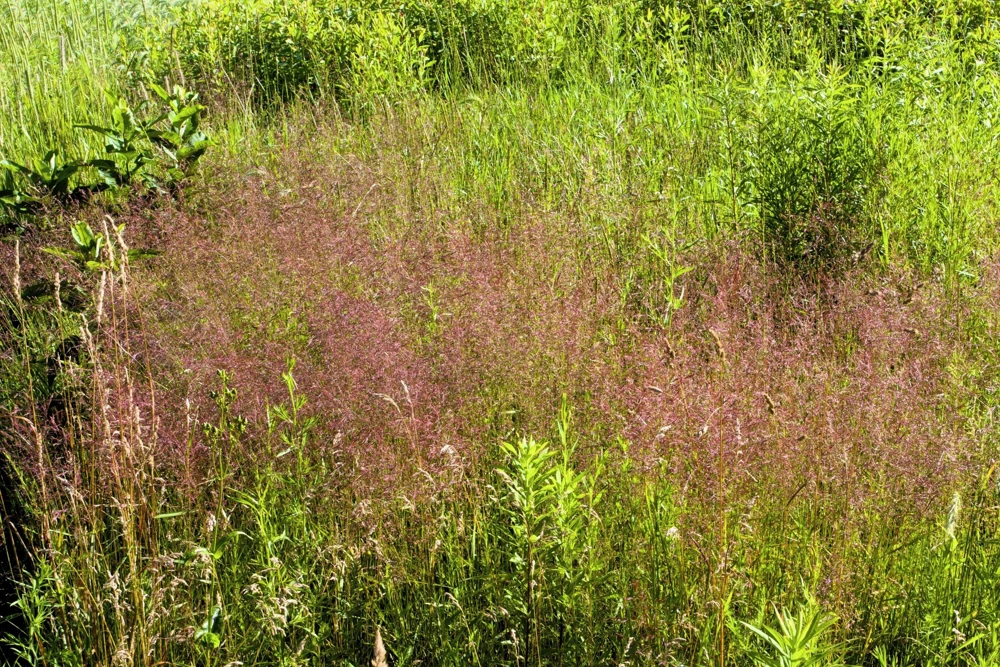
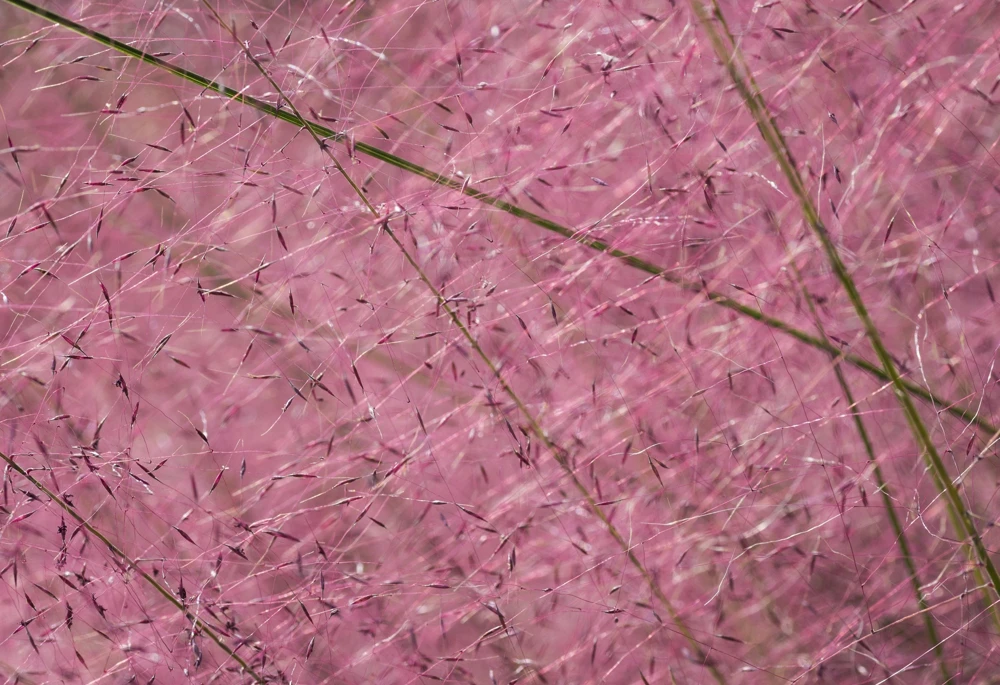
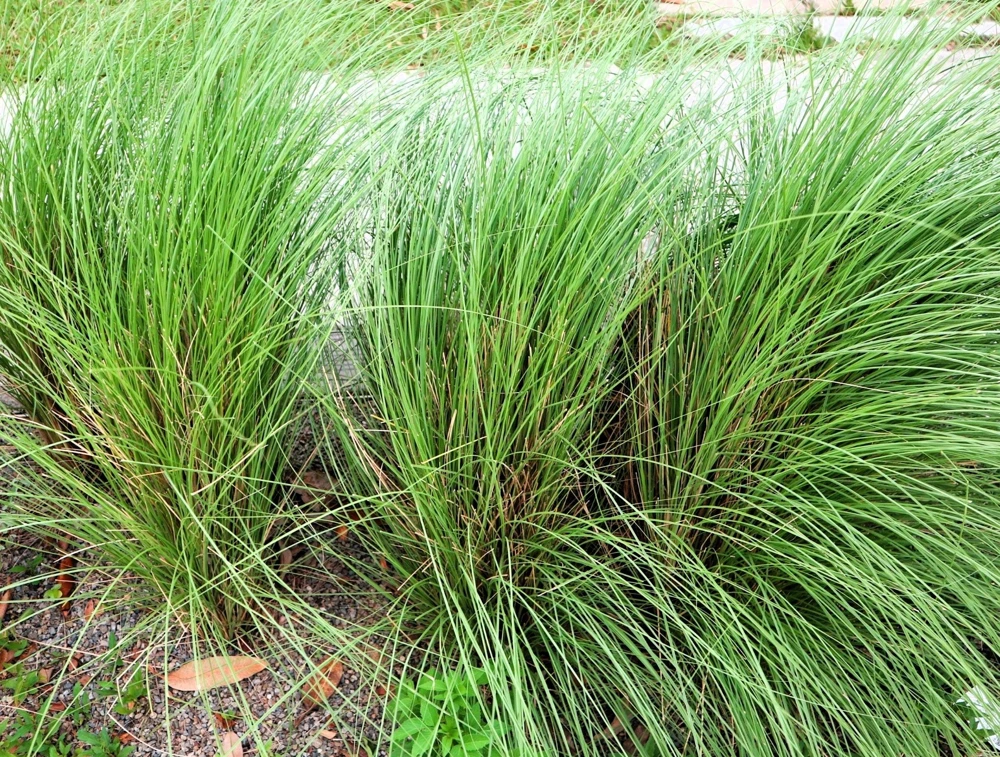
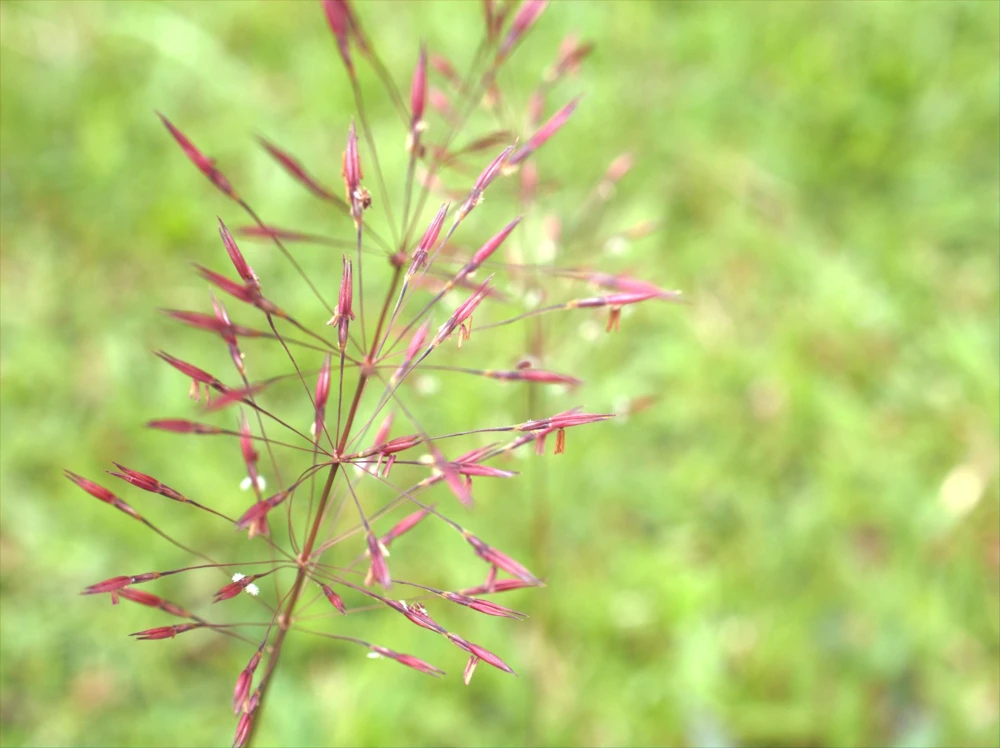
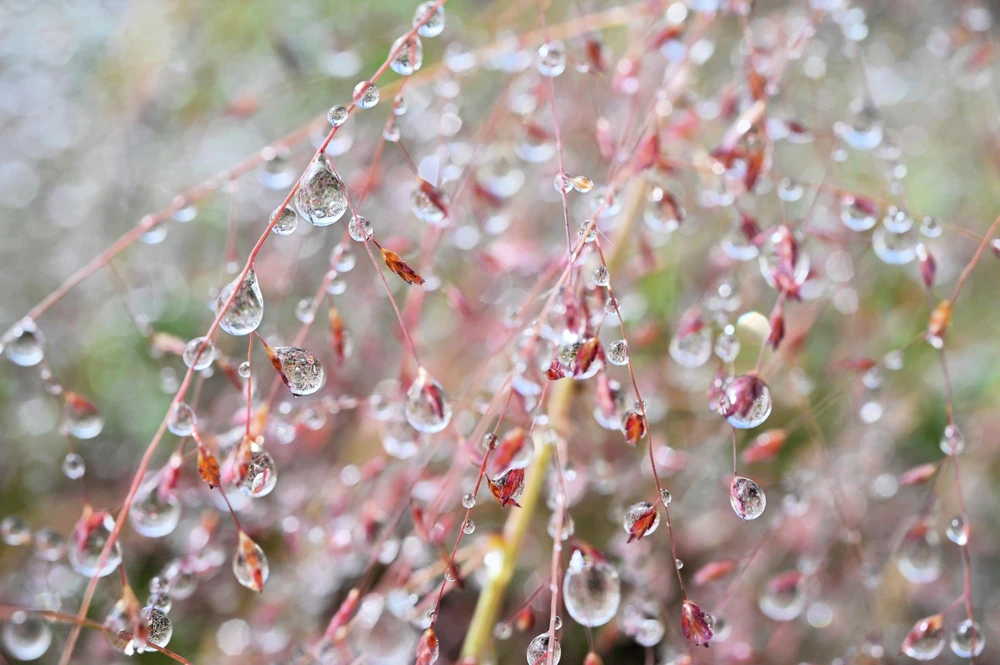
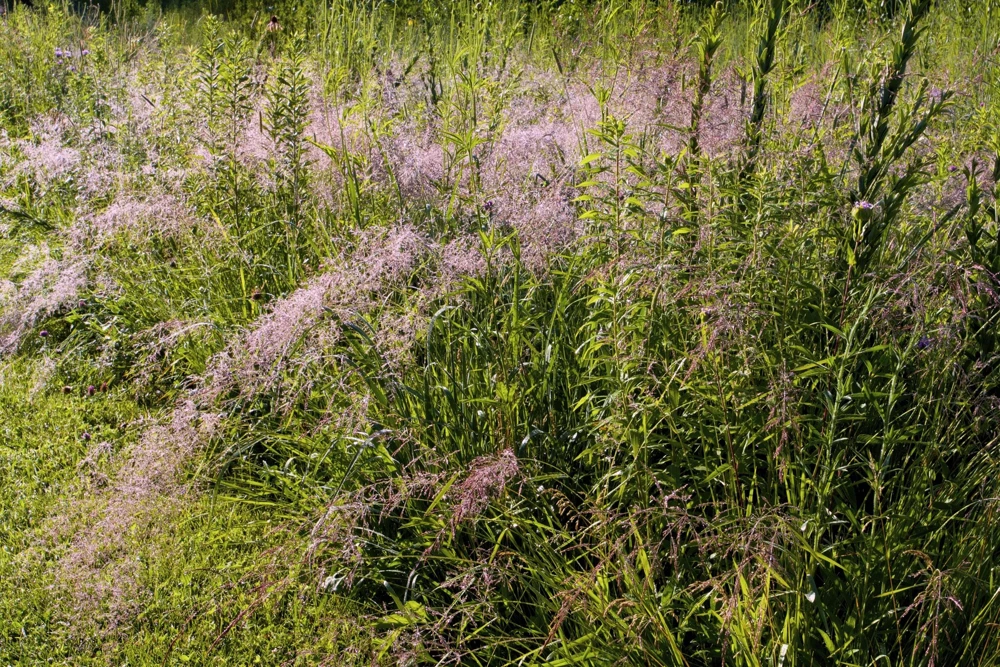
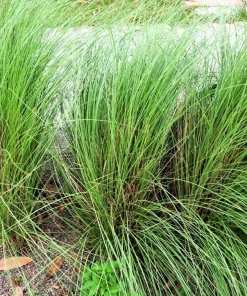
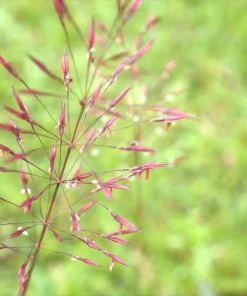
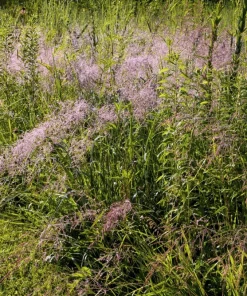
Introduce a touch of natural elegance to your garden with these 100 Purple Lovegrass seeds. Commonly known as Eragrostis Spectabilis or simply Purple Lovegrass, this native ornamental grass is celebrated for its ethereal, airy purple-red inflorescences that emerge in late summer and persist through fall, creating a soft, hazy effect in the landscape. These seeds offer an excellent opportunity to establish a beautiful, low-maintenance plant that supports local ecosystems. Purple Lovegrass is a warm-season perennial grass native to much of the eastern and central United States, making it an ideal choice for gardeners looking to create a sustainable and ecologically friendly outdoor space. Its delicate texture and vibrant seasonal color make it a standout feature in any garden design, from formal borders to wild meadows.
Growing native lovegrass from seed is a rewarding experience, allowing you to witness the full life cycle of this charming plant. The fine-textured foliage provides a subtle green backdrop throughout the growing season before transforming into a breathtaking display of color. This grass is not only visually appealing but also highly resilient, thriving in a variety of conditions where many other plants might struggle. Whether you’re aiming for a naturalized prairie look, a meadow garden, or simply want to add some dynamic texture to your existing beds, these purple lovegrass seeds are an excellent foundation for a thriving, beautiful landscape.
Key Benefits
Planting Purple Lovegrass offers numerous advantages for both the gardener and the environment. Its unique aesthetic combined with its hardiness makes it a valuable addition. You’ll appreciate its vibrant display and the ecological benefits it brings.
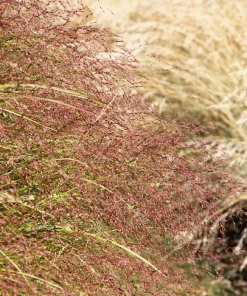
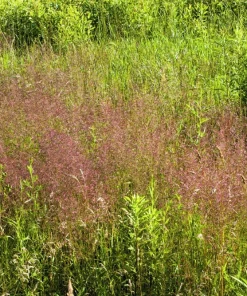
- Stunning Seasonal Color: Enjoy a spectacular display of airy, purple-red flower plumes from late summer through fall, transforming your garden with rich, dynamic hues. The color deepens as the season progresses, providing extended visual interest.
- Low Maintenance: Once established, Eragrostis Spectabilis requires minimal care, making it an excellent choice for busy gardeners or those seeking a resilient landscape solution. It’s largely self-sufficient, needing little more than occasional watering during prolonged dry spells.
- Native & Ecologically Beneficial: As a native lovegrass, it provides essential habitat and food sources for local wildlife, including songbirds who feed on its seeds and beneficial insects. It contributes to biodiversity and ecosystem health.
- Drought Tolerance: This grass is exceptionally drought tolerant grass once mature, making it perfect for xeriscaping or gardens in arid regions, reducing the need for excessive watering. It conserves water while maintaining its beauty.
- Erosion Control: Its fibrous root system helps stabilize soil, preventing erosion on slopes or in areas prone to runoff, making it a functional as well as beautiful plant.
- Versatile Landscape Use: Ideal for naturalized areas, meadows, borders, rock gardens, or as an accent plant, its fine texture and vibrant color complement various garden styles.
- Attracts Pollinators: While primarily wind-pollinated, its presence supports a healthy insect population, contributing to a thriving garden ecosystem.
Plant Care & Growing Tips
Growing purple lovegrass seeds is relatively straightforward, and with a few key considerations, you can establish a healthy and robust stand of this beautiful ornamental grass. Understanding its preferences will help ensure successful germination and vigorous growth. Eragrostis Spectabilis is quite adaptable, but optimal conditions will yield the best results for its vibrant display.
For sunlight, Eragrostis Spectabilis thrives in full sun, meaning at least 6 hours of direct sunlight per day. While it can tolerate partial shade, too little light may result in weaker growth and fewer blooms. When it comes to watering, Purple Lovegrass is highly drought-tolerant once established. Water regularly during the first growing season to help develop a strong root system. After that, it generally only needs supplemental watering during prolonged dry periods. Avoid overwatering, as this can lead to root rot. The ideal soil type is well-draining, sandy or gravelly soil. It can tolerate a wide range of soil conditions, including poor, infertile soils, but it does best in average to lean soil. Heavy clay soils should be amended with organic matter to improve drainage.
This native lovegrass is a warm-season grass, so it begins active growth in late spring and truly shines in the heat of summer. It is hardy in USDA zones 5-9. Fertilization is rarely necessary; in fact, rich soils or excessive fertilization can lead to leggy growth and reduced flowering. If your soil is extremely poor, a light application of a balanced, slow-release fertilizer in spring may be beneficial. Common problems are few, as this is a very resilient plant. Pests and diseases are generally not an issue for this robust ornamental grass seeds. To maintain its appearance, cut back the spent foliage in late winter or early spring before new growth begins. This encourages fresh, vigorous growth and maintains a tidy look for your drought tolerant grass.
Size & Details
When mature, Eragrostis Spectabilis typically grows in attractive clumps, reaching a height of 1 to 2 feet (30-60 cm) and a similar spread. The airy flower plumes can extend the overall height to 2 to 3 feet (60-90 cm) during peak bloom. These purple lovegrass seeds will develop into plants that exhibit a moderate growth rate, establishing well within their first season and reaching full maturity in their second or third year. The seeds are typically sown in spring or early summer after the danger of frost has passed, when soil temperatures are consistently warm. Expect germination within 10-20 days under optimal conditions. The plants will form a basal clump of fine green foliage, which then sends up numerous flower stalks adorned with the characteristic purple-red inflorescences. This perennial grass will return year after year, providing reliable beauty.
The seeds are provided in a quantity of 100, offering ample opportunity to create a significant planting area or to spread throughout various garden beds. This native species is an excellent choice for a variety of landscape applications, from mass plantings in meadows to specimen plants in rock gardens. Its fine texture and open form create a soft, naturalistic effect that blends beautifully with other perennials and shrubs. The seed packet contains high-quality ornamental grass seeds ready for planting. Although it is a warm-season grass, the dried inflorescences provide winter interest, standing tall and catching the light, especially when dusted with frost or snow.
Frequently Asked Questions
- Q: How big does this plant get? A: Eragrostis Spectabilis typically grows 1 to 2 feet tall, with its airy flower plumes reaching up to 3 feet. It forms an attractive clump that spreads about 1 to 2 feet wide at maturity.
- Q: Is this an indoor or outdoor plant? A: Purple Lovegrass is an outdoor ornamental grass, best suited for garden beds, meadows, and naturalized areas. It is not typically grown as an indoor plant.
- Q: How much sunlight does it need? A: This native lovegrass thrives in full sun, requiring at least 6 hours of direct sunlight per day for optimal growth and flowering. It can tolerate some partial shade but may have fewer blooms.
- Q: Is this plant easy to care for? A: Yes, Purple Lovegrass is a very easy-to-care-for plant, especially once established. It’s known for its low maintenance requirements and resilience, making it a great choice for beginners and experienced gardeners alike.
- Q: What condition will the seeds arrive in? A: The 100 Purple Lovegrass seeds will arrive as dry, viable seeds, carefully packaged to ensure their quality and readiness for planting. They are not pre-germinated or potted.
- Q: When is the best time to plant these seeds? A: The best time to plant purple lovegrass seeds is in the spring or early summer, after all danger of frost has passed and soil temperatures have warmed sufficiently for germination.
- Q: Will it survive winter in my zone? A: Yes, Eragrostis Spectabilis is hardy in USDA Zones 5-9. It is a perennial warm-season grass that will go dormant in winter and return in spring.
- Q: Is this a good choice for a drought-tolerant garden? A: Absolutely! Purple Lovegrass is an excellent drought tolerant grass once established, making it ideal for xeriscaping and gardens in drier climates.
- Q: Do these seeds attract wildlife? A: Yes, as a native lovegrass, it provides food for songbirds who consume its seeds, and its presence supports local insect populations, contributing positively to biodiversity.
- Q: How long until it blooms? A: While the plants will establish in their first year, they typically produce their most abundant and impressive purple-red blooms in the late summer and fall of their second growing season.
Be the first to review “100 Purple Lovegrass Flower Seeds – Eragrostis Spectabilis Native Ornamental Grass”
People Also Viewed
Reviews
There are no reviews yet.