

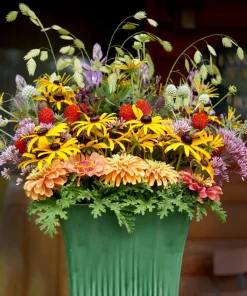
100 River Oats Grass Seeds – Ornamental Uniola Latifolia – Northern Sea Oats
Original price was: $36.99.$16.99Current price is: $16.99.
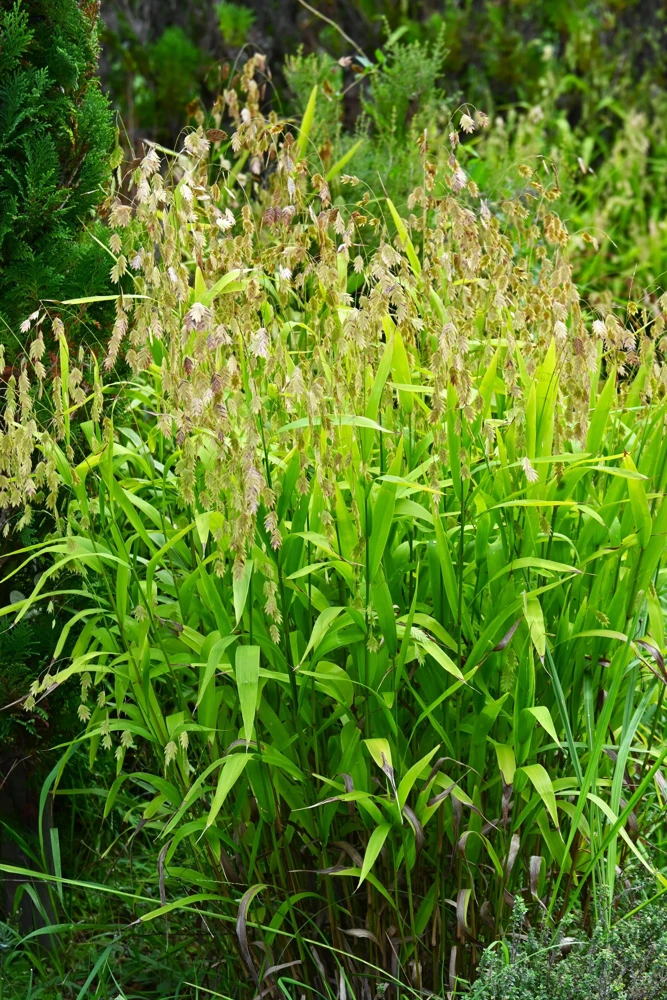
Cultivate stunning river oats grass seeds, also known as northern sea oats seeds, with this pack of 100 uniola latifolia seeds. This ornamental grass thrives in sun to part shade, reaching 24-36 inches tall, perfect for adding texture to your garden or for dried arrangements.
Estimated arrival
Sep 14
Sep 19 - Sep 21
Sep 24 - Sep 28
Shop With Confidence
30-Day Plant Health Guarantee
Arrives damaged? We’ll replace it free — see our return policy.
Responsive Support
Email us anytime, we reply within 1 business day.
Expert Packaging
Temperature-controlled shipping to protect your plants in transit.
Secure Checkout
Pay safely with Visa, Mastercard, PayPal.
Plant Specifications
-
USDA Hardiness Zone
5 - 9 -
Soil Type
Average, well-draining soil -
Sunlight Exposure
Sun - Part Shade -
Expected Planting Period
Fall (cold stratify 1-2 months)
Overview
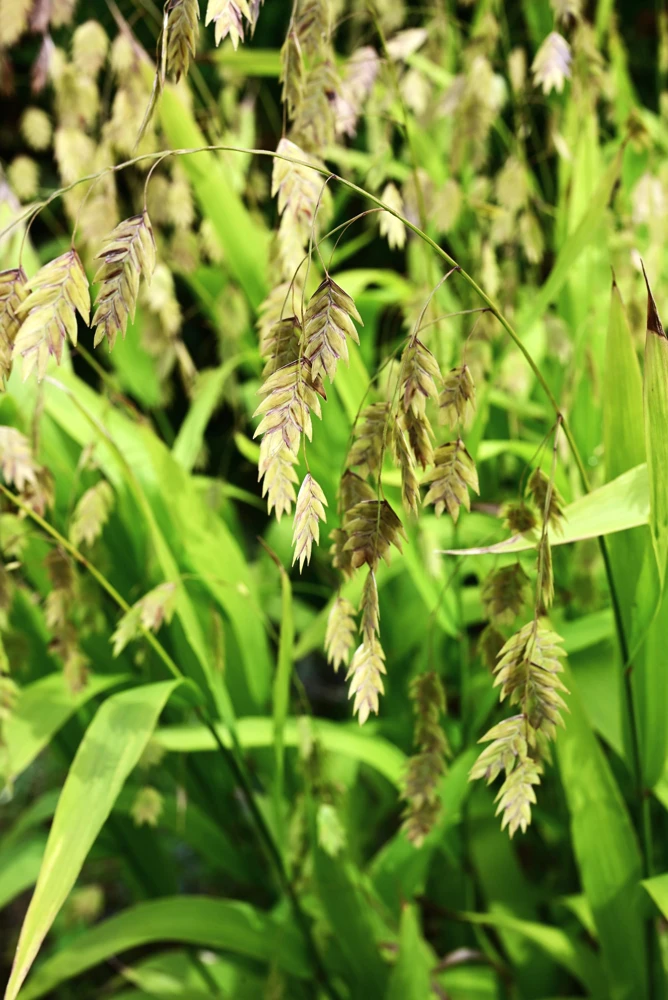
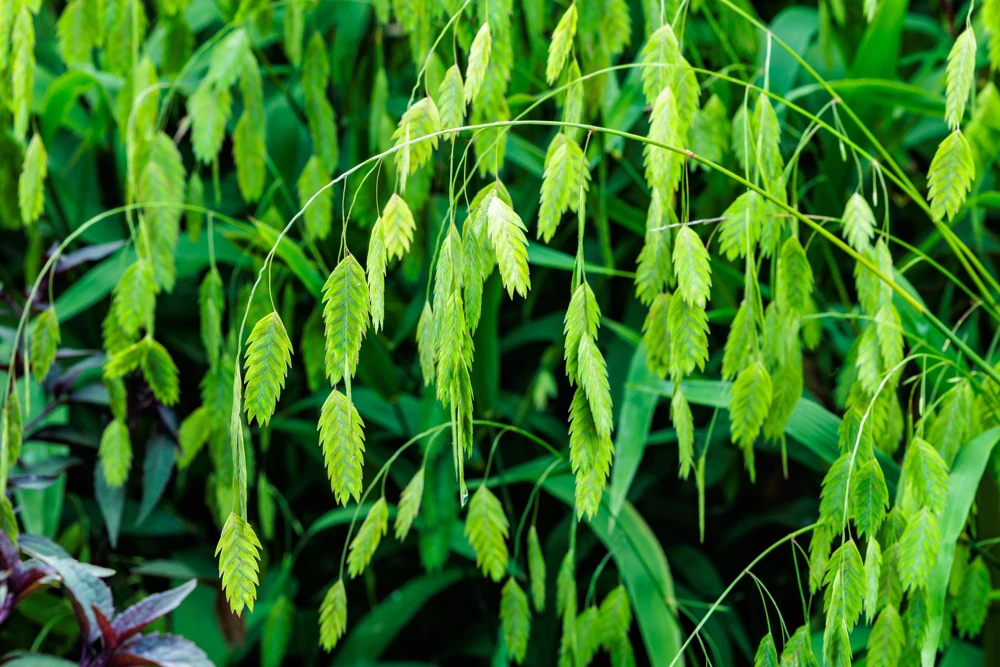
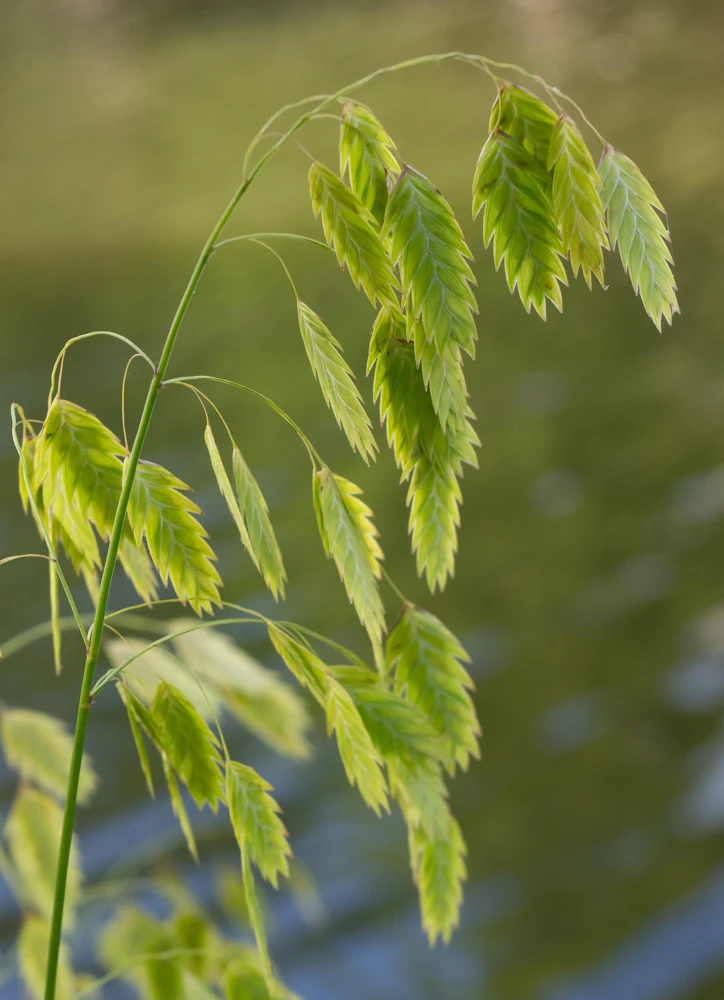
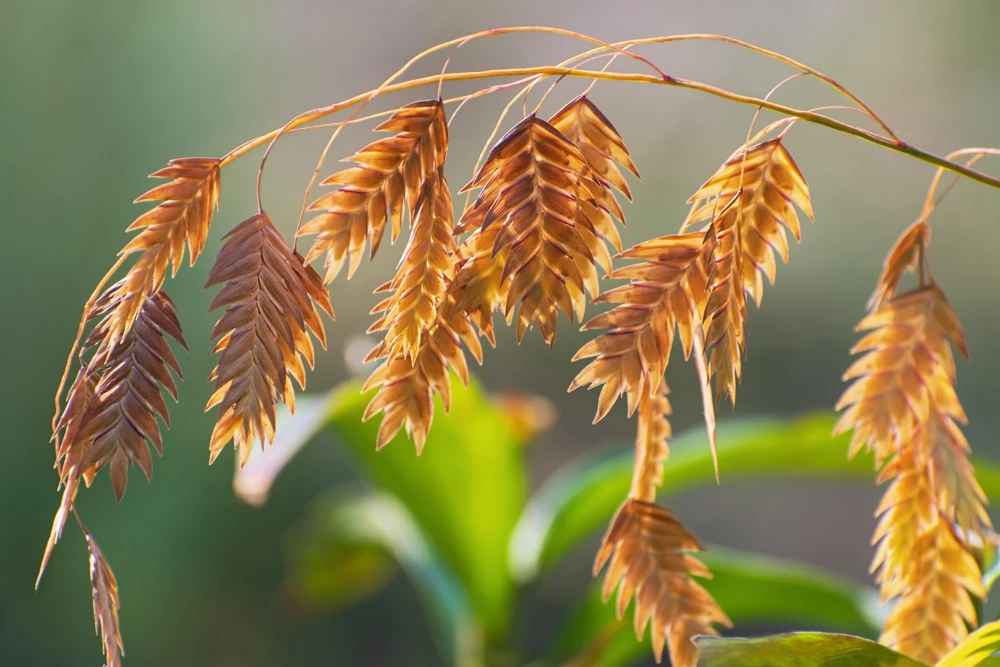
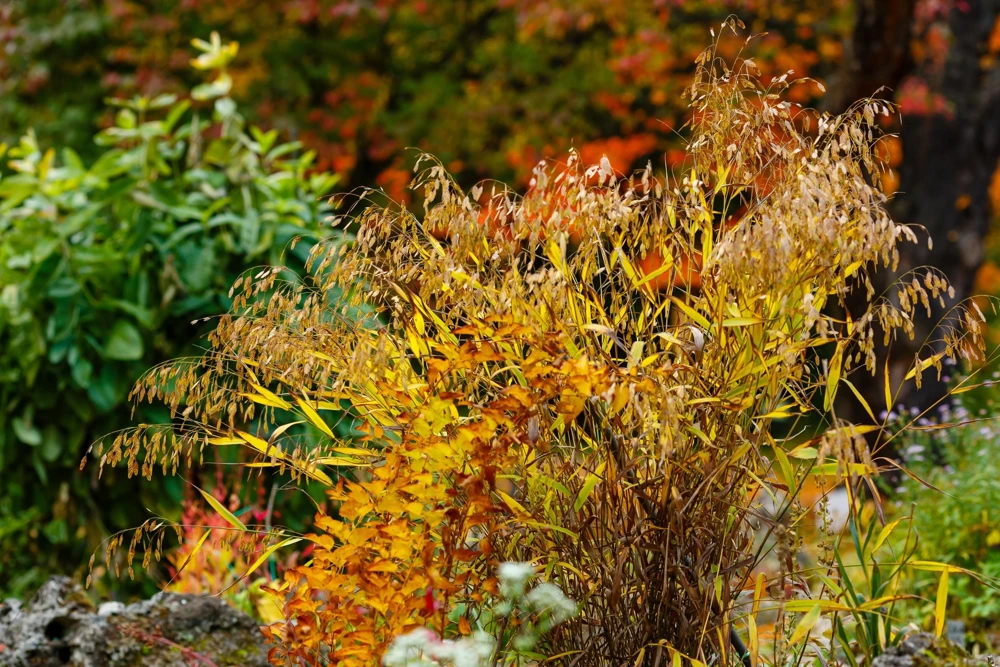
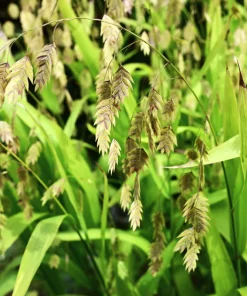
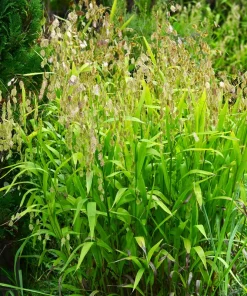
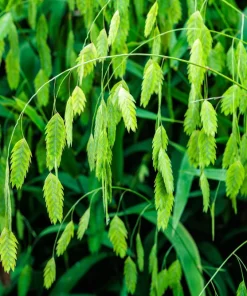
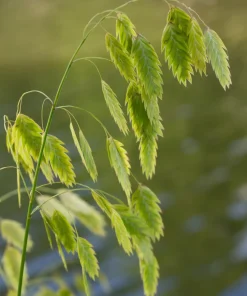
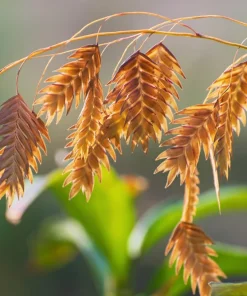
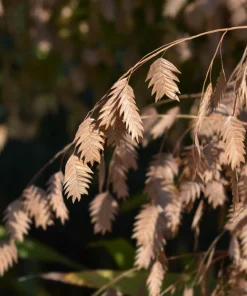
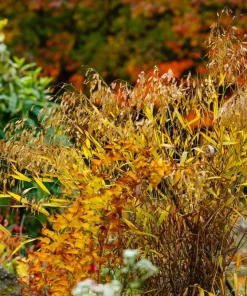
Transform your landscape with the captivating beauty of river oats grass seeds. This pack contains 100 high-quality seeds of Uniola Latifolia, commonly known as Northern Sea Oats, Spangle Grass, Indian Wood Oats, Broadleaf Uniola, Wild Oats, or Inland Oats Seeds. River Oats is a highly sought-after ornamental clumping grass, admired for its unique, flat, oat-like seed heads that shimmer in the breeze. These seeds will allow you to cultivate a graceful addition to your garden, providing year-round interest from its vibrant green summer foliage to its rich bronze hues in the fall. Ideal for naturalized areas, borders, or as a striking texture plant, this adaptable grass is a fantastic choice for gardeners looking to introduce movement and visual appeal.
Growing uniola latifolia seeds offers the rewarding experience of nurturing a resilient and attractive plant from its very beginning. Whether you’re an experienced horticulturist or a budding enthusiast, these seeds provide an excellent opportunity to enhance your outdoor space. The distinctive seed heads are not only beautiful in the garden but also make exquisite additions to dried floral arrangements, bringing a touch of natural elegance indoors. Discover the joy of cultivating this versatile ornamental grass that promises to be a focal point in any garden design.
Key Benefits
Embrace the numerous advantages of integrating river oats grass seeds into your garden. This ornamental grass offers a blend of aesthetic appeal and practical benefits that make it a superb choice for various landscape designs.
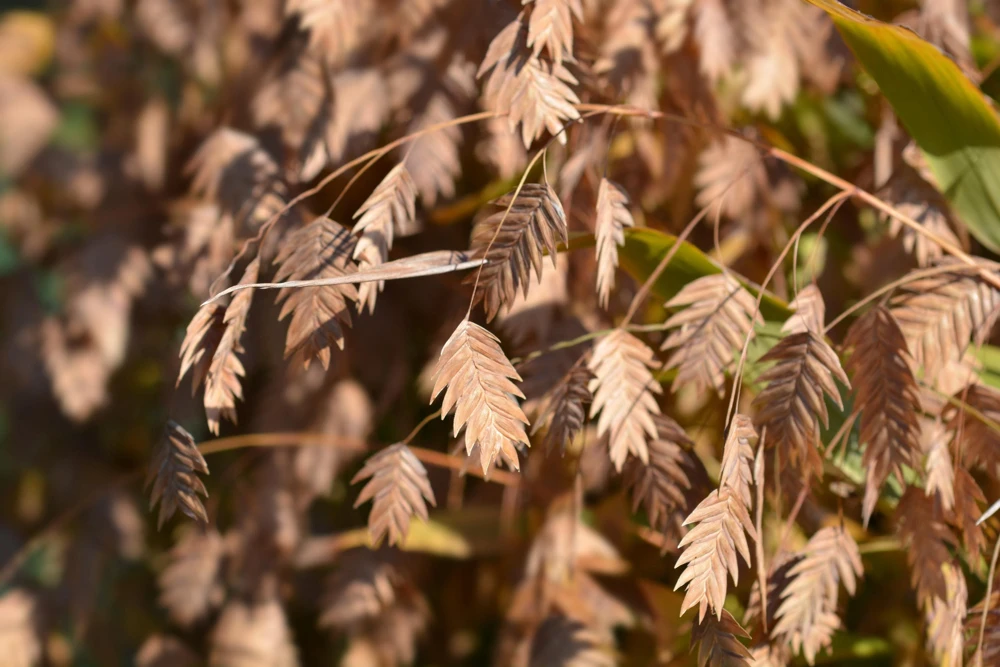
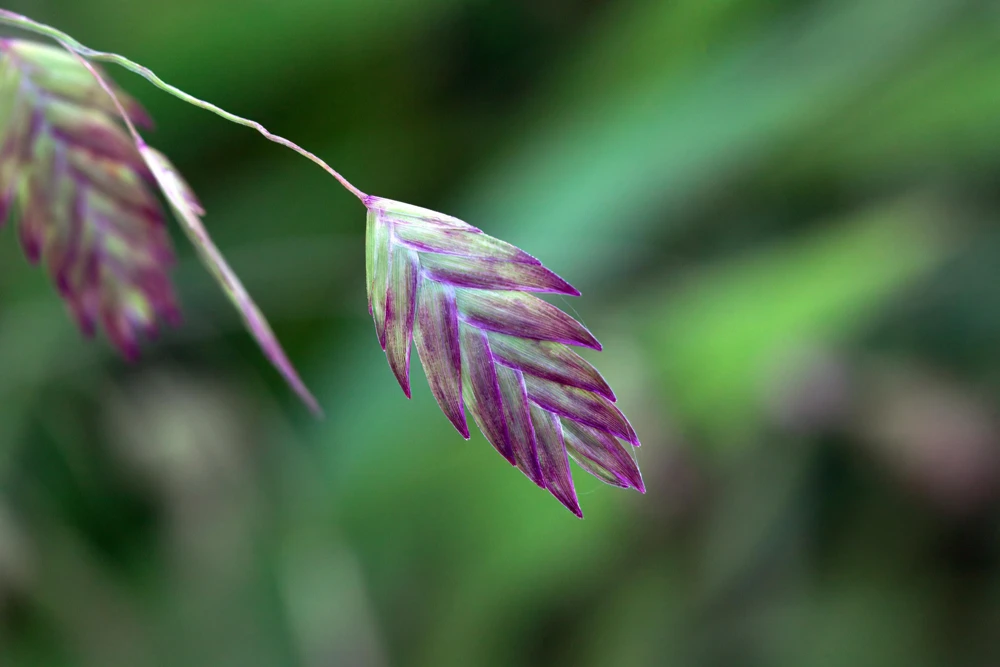
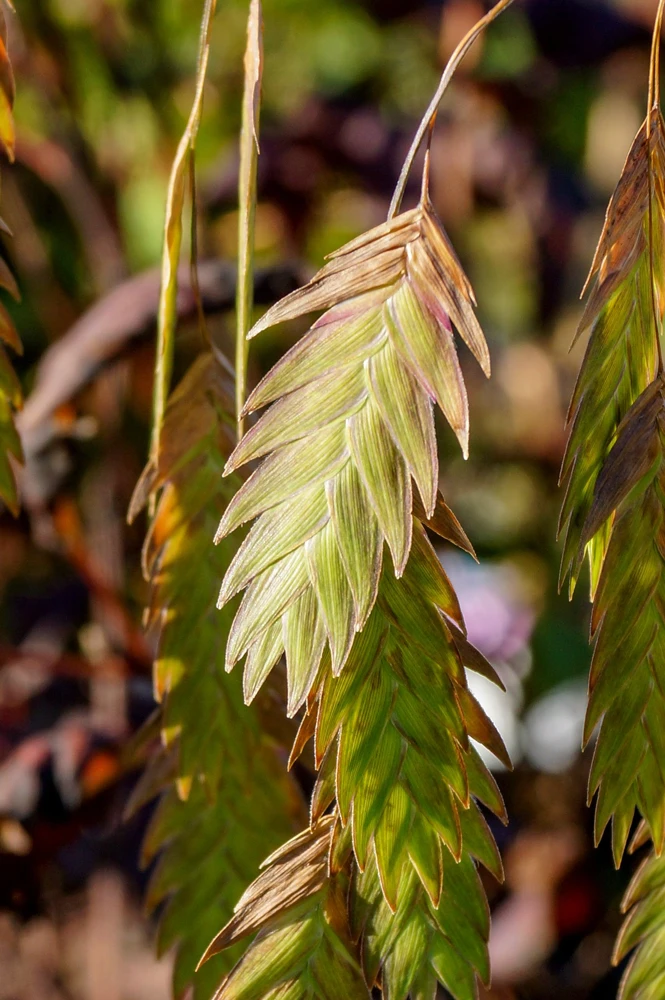
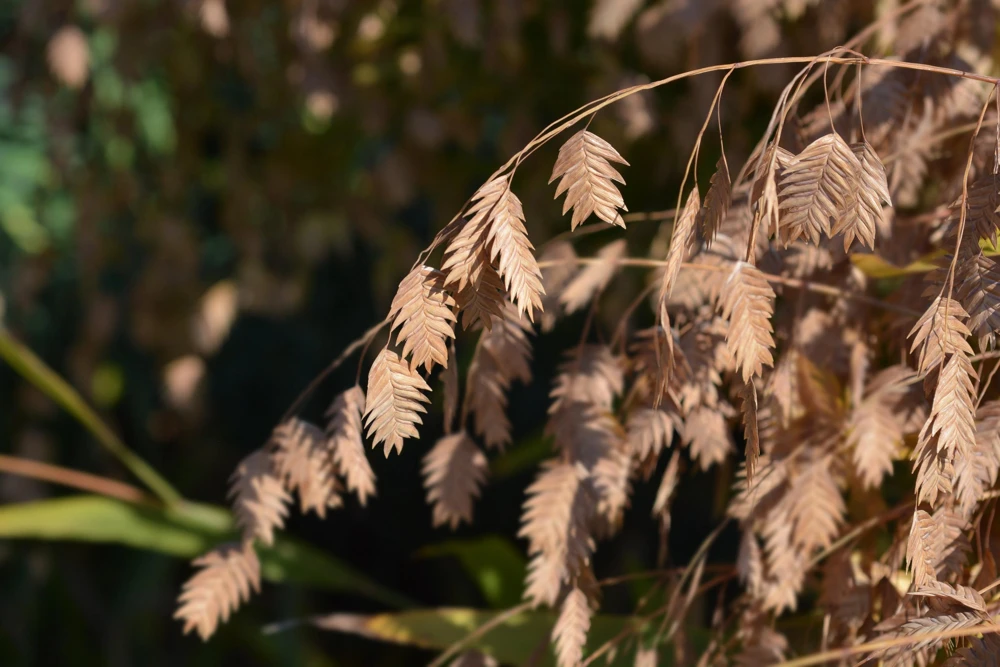
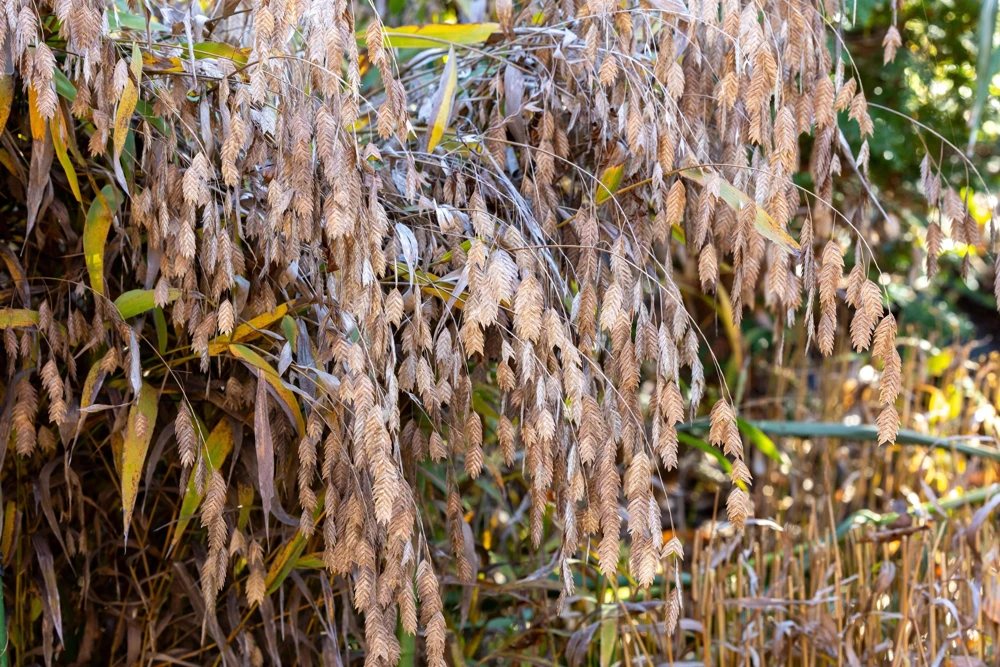
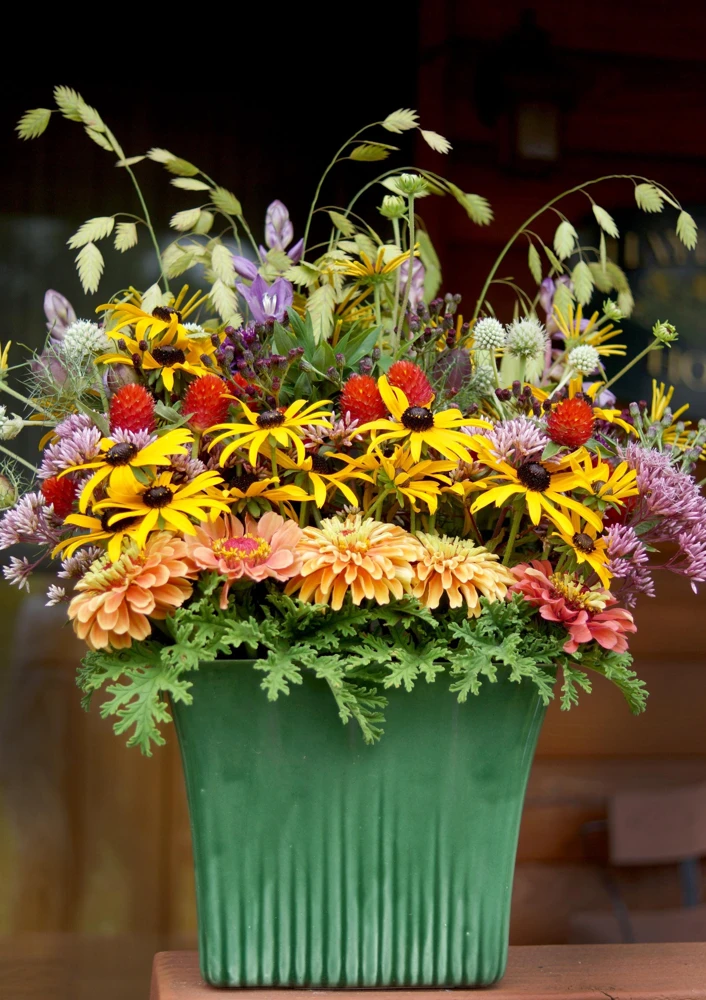
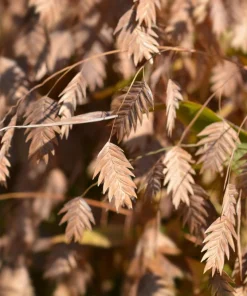
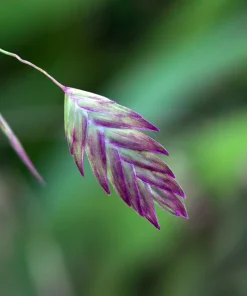
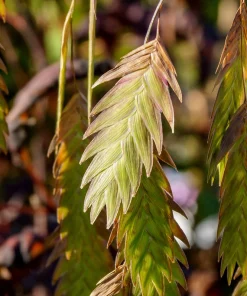
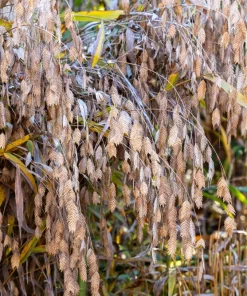
- Exceptional Ornamental Value: The flat, oat-like seed heads provide a unique texture and visual interest, especially when swaying in the wind. Their color transitions from green to red in fall, eventually turning a beautiful bronze, offering multi-season appeal.
- Versatile Landscaping: Perfect for naturalized areas, woodland gardens, borders, or even as a groundcover. Its clumping habit ensures it doesn’t become invasive, making it easy to manage.
- Drought Tolerant: Once established, River Oats is quite resilient and can tolerate periods of drought, reducing the need for frequent watering. This makes it a low-maintenance option for busy gardeners.
- Wildlife Attraction: The seeds provide a food source for birds, and the dense foliage offers shelter, making it a valuable plant for supporting local wildlife.
- Excellent for Dried Arrangements: The distinctive seed heads hold their shape and color well when dried, making them a popular choice for creating long-lasting indoor floral displays. This adds another dimension to the utility of these ornamental grass seeds.
- Adaptable to Various Conditions: Thrives in a range of light conditions from full sun to part shade and is tolerant of average soil types, making it suitable for many garden environments.
- Erosion Control: Its strong root system helps stabilize soil, making it an effective choice for preventing erosion on slopes or riverbanks, hence its common name, River Oats.
Plant Care & Growing Tips
Cultivating river oats grass seeds is a straightforward process, making it accessible for gardeners of all skill levels. To ensure successful germination and robust growth, fall planting is recommended. These uniola latifolia seeds benefit from a cold stratification period of 1-2 months. You can achieve this by placing the seeds in a moist medium (like sand or peat) in a refrigerator for the recommended duration before planting. Once stratified, sow the seeds directly into prepared garden beds. For optimal growth, plant seeds at a depth of about 1/4 inch, ensuring good seed-to-soil contact.
River Oats (Uniola Latifolia) is quite adaptable regarding light requirements, performing well in full sun to part shade. In hotter climates, some afternoon shade can be beneficial to prevent scorching. It prefers average soil conditions but will tolerate a range of soil types, provided they are well-draining. While established plants are drought-tolerant, consistent moisture is crucial during the germination phase and for young seedlings. Water regularly until the plants are well-established. This grass is hardy in USDA Zones 5-9, meaning it can withstand a broad spectrum of winter temperatures. Minimal fertilization is typically required; a balanced, slow-release fertilizer in spring can encourage vigorous growth, but often it thrives without additional feeding. Watch out for common garden pests, though River Oats is generally resistant, making it an excellent choice for a low-maintenance garden.
Maintaining your River Oats plants is relatively simple. They are a clumping grass, so they generally do not spread aggressively. You may choose to cut back the foliage in late winter or early spring before new growth emerges to maintain a tidy appearance. The plants will reach a height of 24-36 inches and require similar spacing to allow for proper air circulation and growth. With proper care, your northern sea oats seeds will develop into beautiful, waving stands of ornamental grass that provide continuous enjoyment throughout the seasons.
Size & Details
This offering includes 100 River Oats grass seeds, providing ample opportunity to establish a beautiful stand of this ornamental grass. Once mature, individual plants typically reach a height of 24 to 36 inches, with a similar spread, forming attractive clumps. The seeds are intended for fall planting and require a cold stratification period of 1-2 months to break dormancy and ensure successful germination. This stratification mimics natural winter conditions, preparing the seeds for spring growth.
The mature plants will begin to bloom in late summer, showcasing their distinctive oat-like seed heads. These heads transition in color from green to red, eventually maturing to a lovely bronze in the fall. River Oats are hardy in USDA Zones 5-9, making them suitable for a wide range of climates across the United States. The seeds will arrive in a protective packet, ready for planting. Expect to see substantial growth and the development of ornamental seed heads within the first growing season after successful germination.
Frequently Asked Questions
- Q: How tall do River Oats plants get? A: River Oats grass typically grows to a height of 24 to 36 inches, creating an attractive, medium-sized ornamental grass that adds texture and movement to the garden.
- Q: What are the light requirements for growing Uniola Latifolia? A: Uniola latifolia seeds can be grown in a range of light conditions, from full sun to part shade. In hot climates, partial shade during the afternoon can be beneficial.
- Q: When is the best time to plant River Oats seeds? A: The best time to plant river oats grass seeds is in the fall, as they require a cold stratification period of 1-2 months for optimal germination.
- Q: Are these ornamental grass seeds suitable for beginners? A: Yes, these ornamental grass seeds are relatively easy to grow and maintain, making them a great choice for both experienced and novice gardeners.
- Q: Do I need to stratify these northern sea oats seeds? A: Yes, a cold stratification period of 1-2 months is recommended for northern sea oats seeds to improve germination rates. This can be done by refrigerating the seeds in a moist medium.
- Q: What kind of soil do River Oats prefer? A: River Oats prefer average, well-draining soil. They are quite adaptable but will not thrive in constantly waterlogged conditions.
- Q: Can River Oats be used in dried flower arrangements? A: Absolutely! The unique seed heads of river oats grass are highly prized for their beauty and durability in dried floral arrangements, adding an elegant, natural touch.
- Q: What USDA hardiness zones are suitable for River Oats? A: River Oats are hardy in USDA Zones 5 through 9, indicating their ability to tolerate a broad range of winter temperatures.
- Q: How much space do River Oats plants need? A: It is recommended to space River Oats plants approximately 24 to 36 inches apart to allow for their mature size and proper air circulation.
- Q: Will these seeds attract wildlife to my garden? A: Yes, the seeds of River Oats provide a food source for birds, and the dense foliage offers shelter, making it beneficial for local wildlife.
Be the first to review “100 River Oats Grass Seeds – Ornamental Uniola Latifolia – Northern Sea Oats”
People Also Viewed
Reviews
There are no reviews yet.