
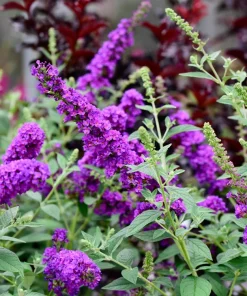
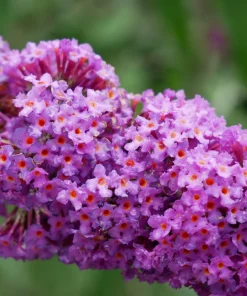
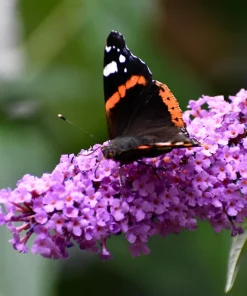
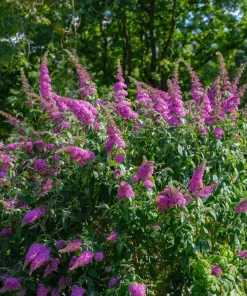
Violet Butterfly Bush Seeds – 50 Count, Purple Flowers, Attracts Pollinators
Original price was: $36.99.$16.99Current price is: $16.99.
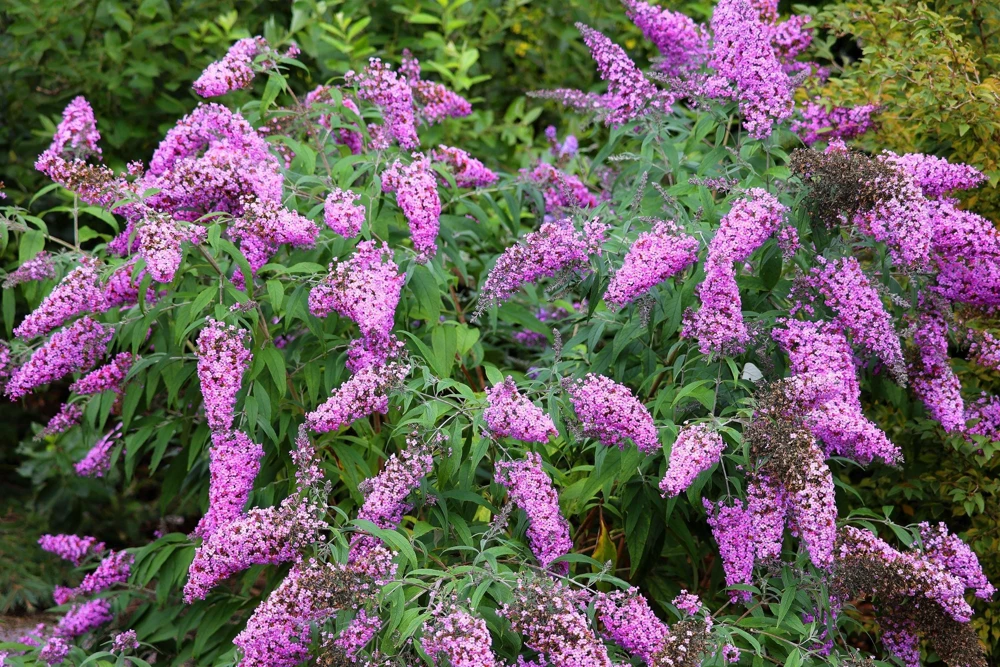
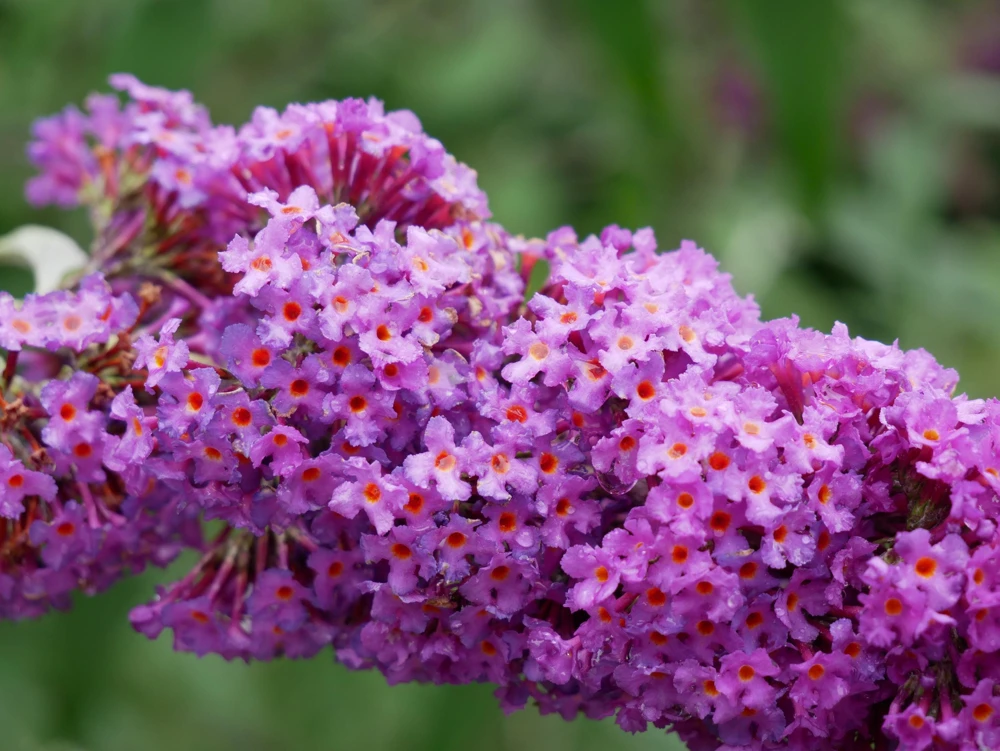
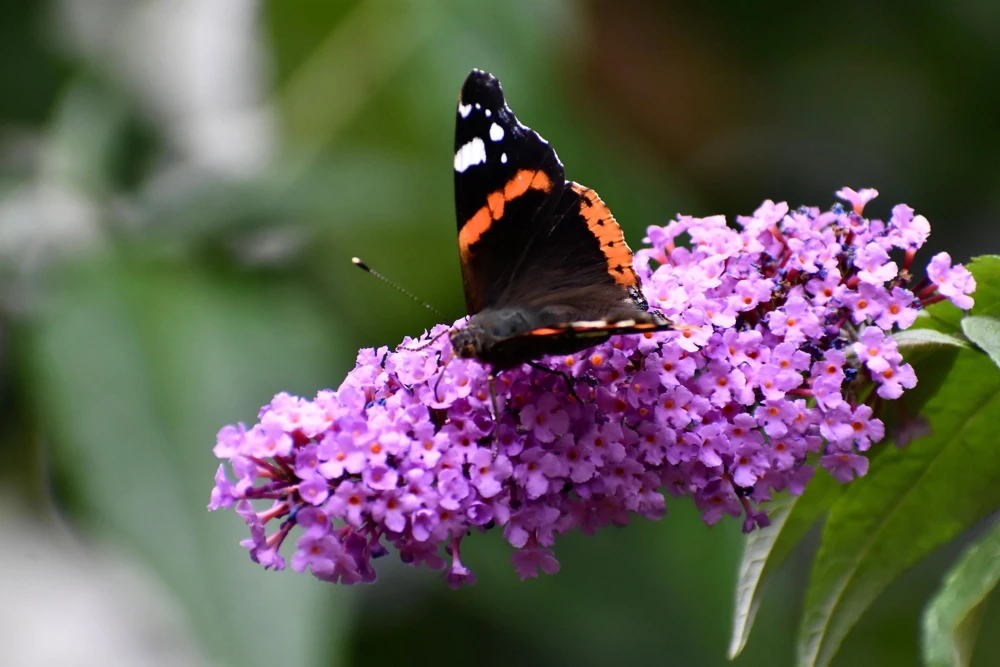
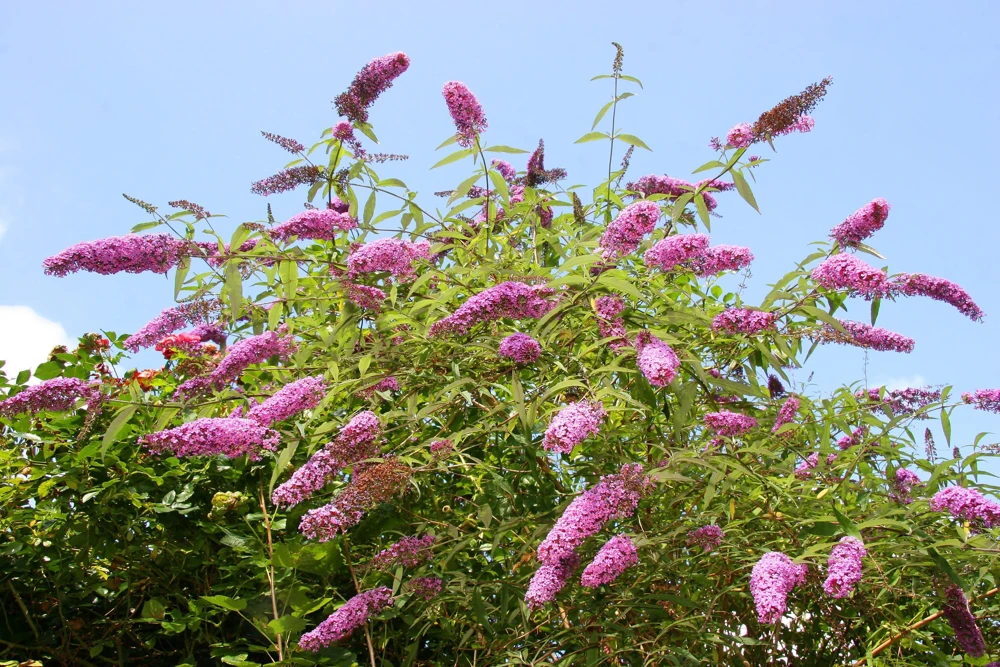
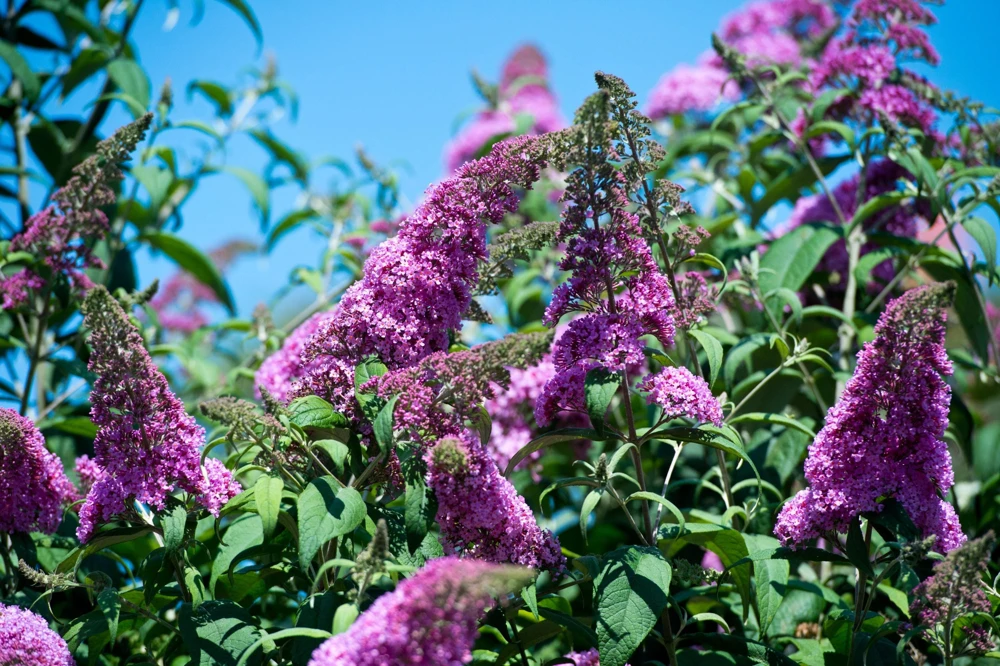
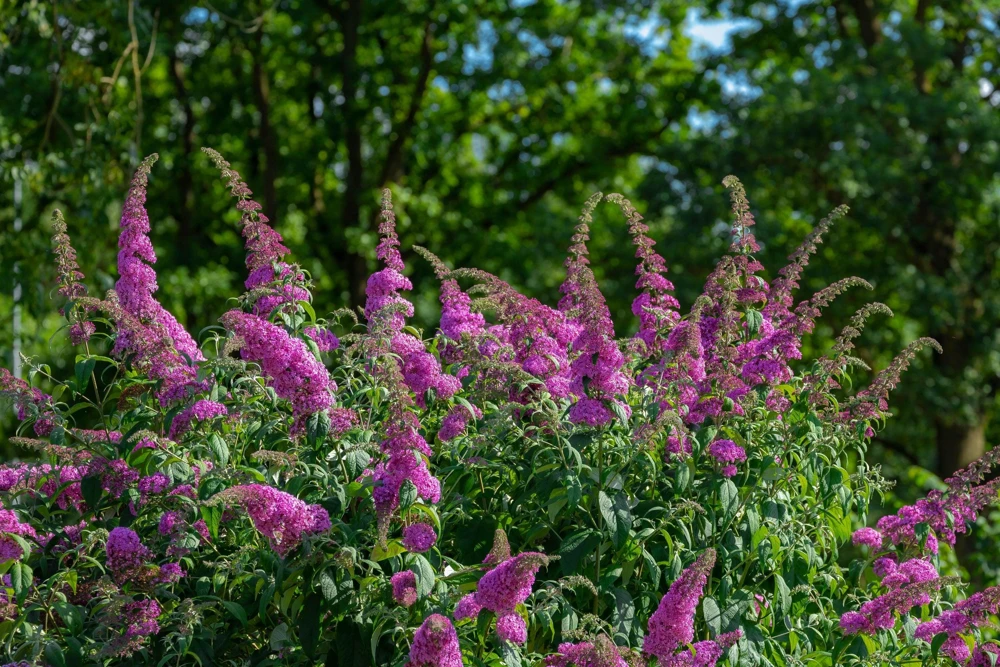
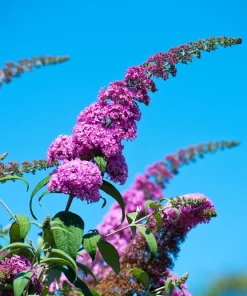
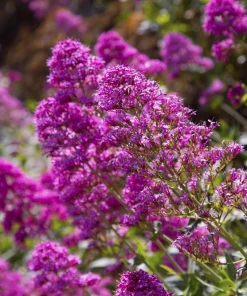
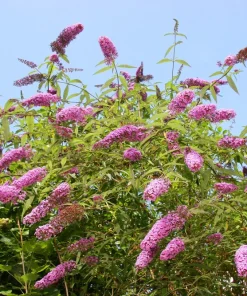
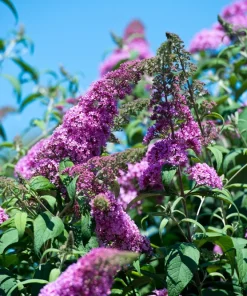
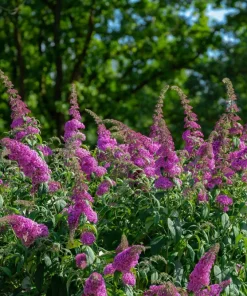
Cultivate stunning violet butterfly bush seeds to transform your garden into a vibrant haven for pollinators. These buddleja davidii seeds produce abundant purple flowers, attracting butterflies, hummingbirds, and bees all summer long. Enjoy the beauty of purple butterfly bush and support local wildlife.
Estimated arrival
Sep 14
Sep 19 - Sep 21
Sep 24 - Sep 28
Shop With Confidence
30-Day Plant Health Guarantee
Arrives damaged? We’ll replace it free — see our return policy.
Responsive Support
Email us anytime, we reply within 1 business day.
Expert Packaging
Temperature-controlled shipping to protect your plants in transit.
Secure Checkout
Pay safely with Visa, Mastercard, PayPal.
Plant Specifications
-
USDA Hardiness Zone
4 - 9 -
Soil Type
Average, well-draining soil -
Sunlight Exposure
Full Sun -
Expected Planting Period
Outdoors after frost / Indoors weeks before last frost
Overview
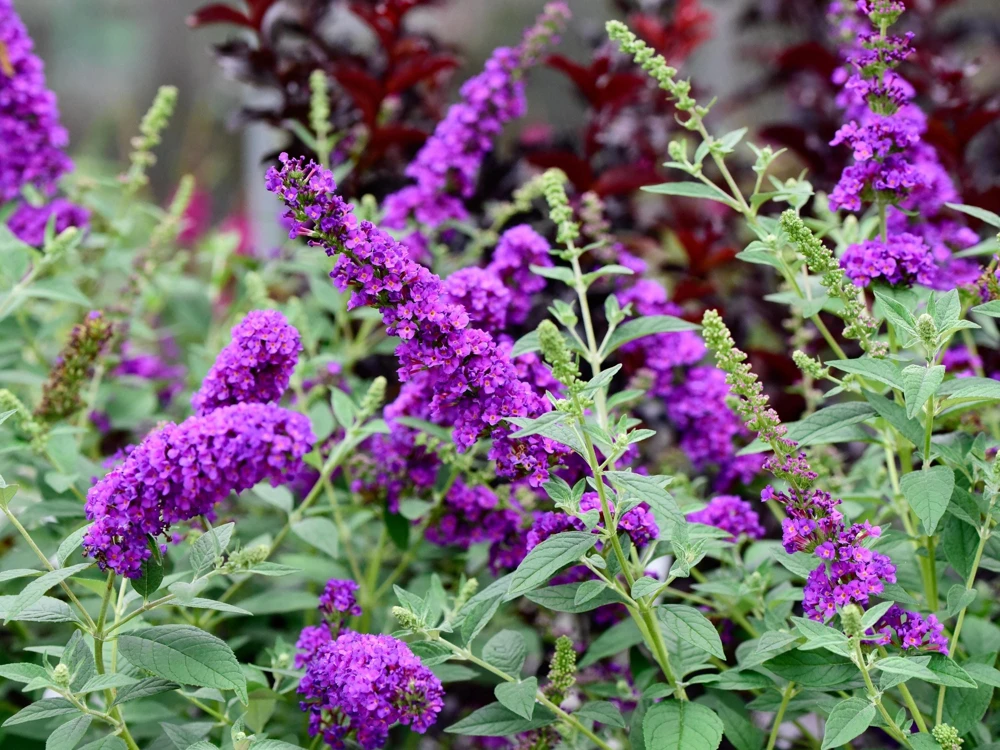
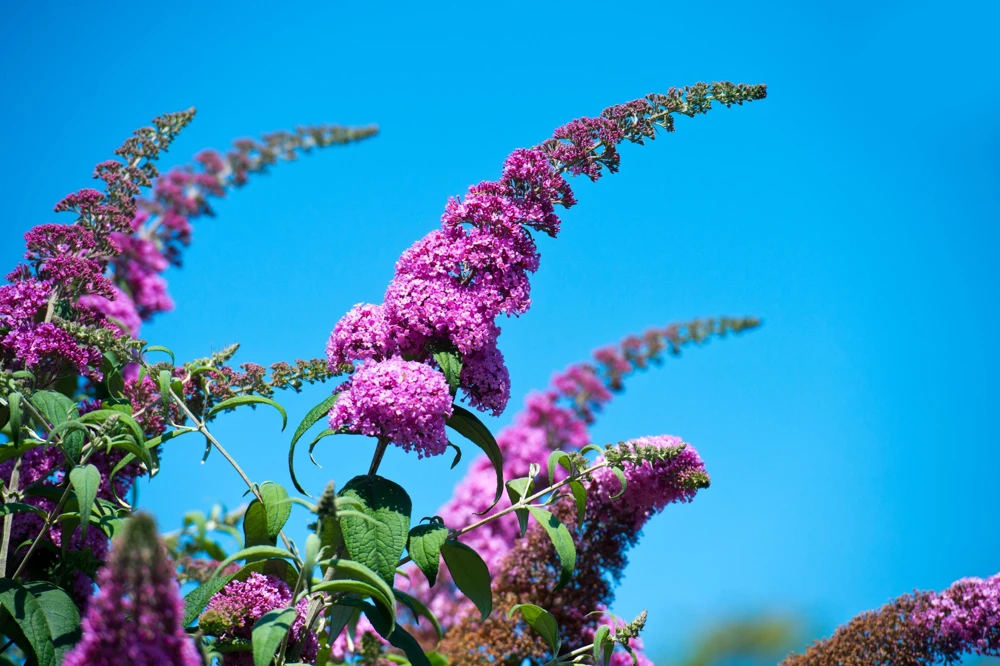
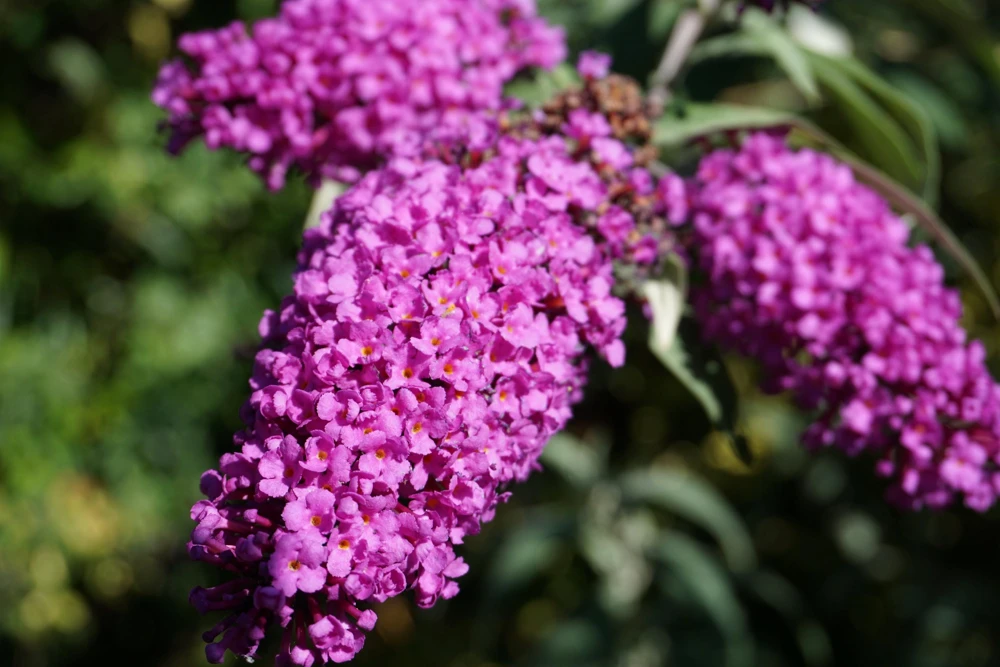
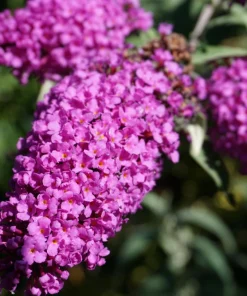
Transform your garden into a pollinator paradise with these exquisite violet butterfly bush seeds. Known scientifically as Buddleja Davidii, this captivating plant is also affectionately called Summer Lilac due to its resemblance to lilac blooms and its ability to flower throughout the warmer months. Each packet contains 50 violet butterfly bush seeds, offering a fantastic opportunity to cultivate a vibrant display of fragrant purple flowers. These easy-to-grow seeds will sprout into robust shrubs that become a focal point in any garden, drawing in a diverse array of beneficial insects and birds. The dense, cone-shaped flower clusters provide a spectacular visual treat and a delightful aroma that enhances any outdoor space, making it a perfect choice for gardeners looking to add both beauty and ecological value.
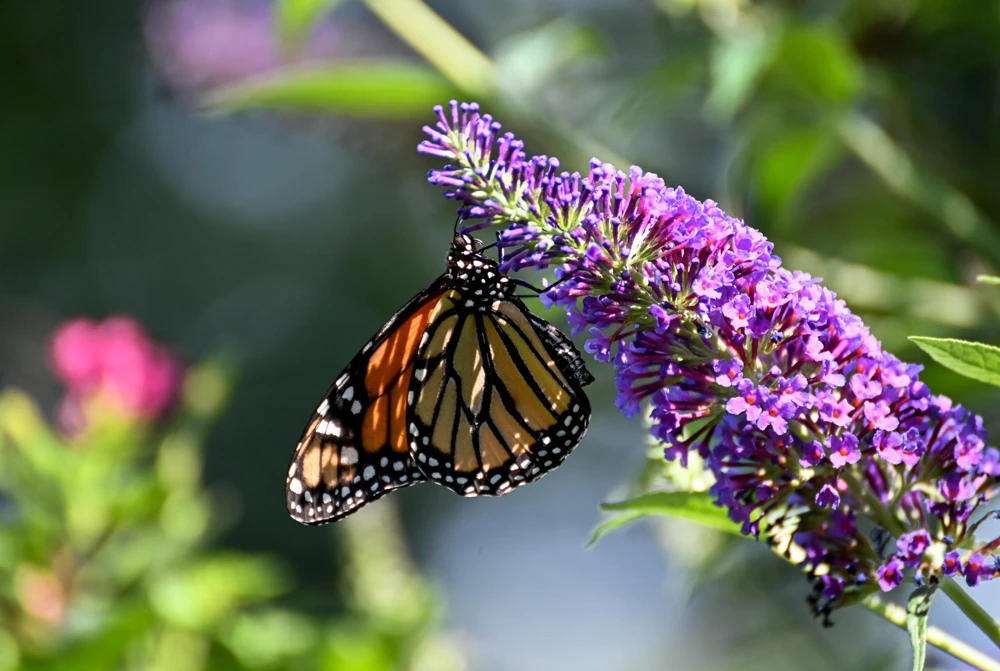
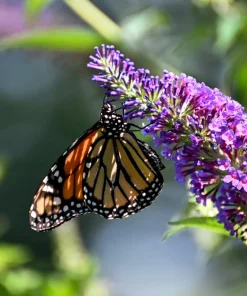
The allure of the violet butterfly bush seeds extends beyond their aesthetic appeal; they are renowned for their incredible ability to attract wildlife. Gardeners frequently report seeing a flurry of activity around these plants, including various butterfly species, especially Monarchs, and hummingbirds. This makes them an excellent addition for anyone passionate about supporting local ecosystems and observing nature up close. Growing a purple butterfly bush from seed is a rewarding experience, providing lush foliage and continuous blooms from mid-spring through summer. Prepare to enjoy a garden teeming with life and color with these remarkable seeds.
Key Benefits
Growing a violet butterfly bush from seed offers numerous advantages for both your garden and the local environment. These plants are not only beautiful but also highly beneficial, providing a rich nectar source for various pollinators. Here are some key benefits you can expect from cultivating these remarkable plants:
- Attracts Pollinators: The vibrant purple flowers are a magnet for bees, butterflies (including Monarchs), and hummingbirds, making your garden a lively sanctuary for these essential creatures. Planting violet butterfly bush seeds significantly contributes to local biodiversity.
- Extended Bloom Time: Enjoy a prolonged display of fragrant blooms from mid-spring throughout the entire summer, ensuring continuous color and activity in your garden for months. This extended flowering period is a hallmark of the purple butterfly bush.
- Beautiful Cut Flowers: The large, cone-shaped flower clusters make excellent cut flowers, allowing you to bring the beauty and fragrance of your garden indoors. Their striking appearance adds elegance to any floral arrangement.
- Low Maintenance: Once established, these shrubs are relatively low-maintenance, thriving in average soil conditions and requiring minimal care, making them suitable for both experienced and novice gardeners.
- Drought Tolerant: The buddleja davidii seeds mature into plants that are quite resilient and can tolerate periods of drought, an important consideration for water-wise gardening.
- Deer Resistant: Generally, butterfly bushes are not favored by deer, which can be a significant advantage in areas where deer browsing is a concern, helping to protect your beautiful blooms.
- Vigorous Growth: These plants grow quickly and robustly, reaching impressive heights and providing substantial coverage and color in a relatively short period.
Plant Care & Growing Tips
Successfully growing violet butterfly bush seeds into thriving plants requires attention to a few key care practices. These plants are known for their resilience, but optimal conditions will ensure the most vibrant blooms and robust growth. Starting with the right light exposure, butterfly bushes thrive in full sun, meaning they need at least 6-8 hours of direct sunlight per day. Adequate sunlight is crucial for prolific flowering and strong plant development. When planting your buddleja davidii seeds, choose a location that receives ample light throughout the day to maximize their potential.
Regarding soil and water preferences, the purple butterfly bush is quite adaptable. It prefers average, well-drained soil. Avoid heavy, waterlogged soils, as this can lead to root rot. While established plants are somewhat drought-tolerant, young plants and seedlings will require consistent moisture. Water regularly, especially during dry spells, allowing the top inch or two of soil to dry out between waterings. Once mature, they are more forgiving and can handle less frequent irrigation. Fertilization is generally not heavily required; a balanced, slow-release fertilizer in early spring can encourage vigorous growth and abundant blooms. For those wondering how to grow a healthy monarch butterfly plant, ensuring good drainage and consistent sunlight are paramount.
These majestic shrubs are hardy in USDA Zones 4-9, meaning they can withstand a wide range of temperatures. In colder zones, they may die back to the ground in winter but will typically regrow from the roots in spring. Pruning is essential for maintaining plant shape and encouraging continuous blooming. Deadhead spent flowers regularly to prevent self-seeding and promote new flower production. In late winter or early spring, prune back the entire plant to about 12-18 inches from the ground to encourage fresh, vigorous growth. This annual pruning helps to keep the plant compact and flowering profusely. By following these guidelines, your summer lilac seeds will produce a stunning and healthy display.
Size & Details
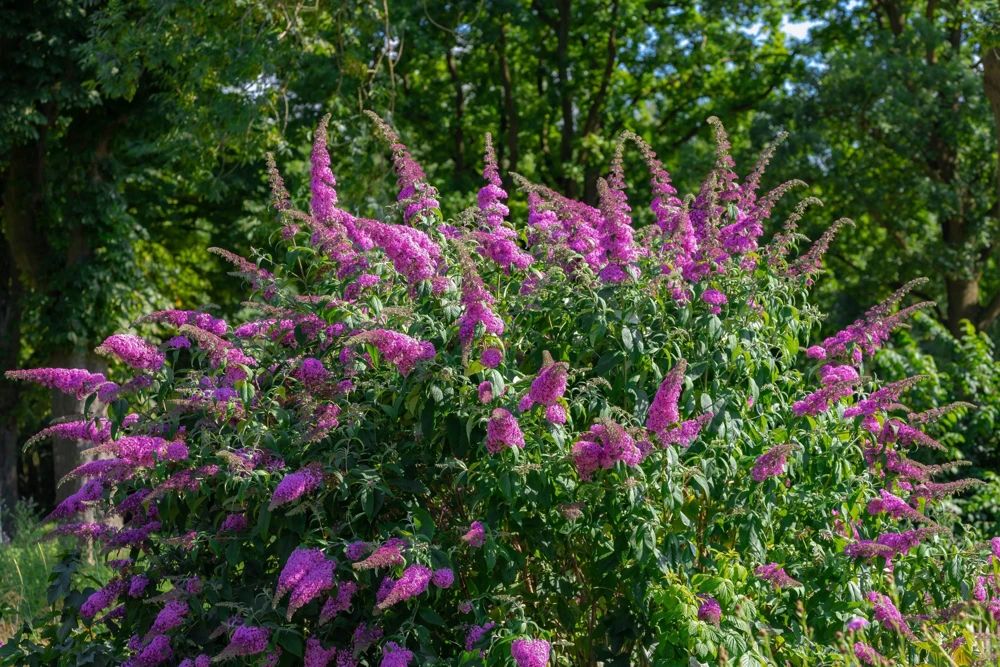
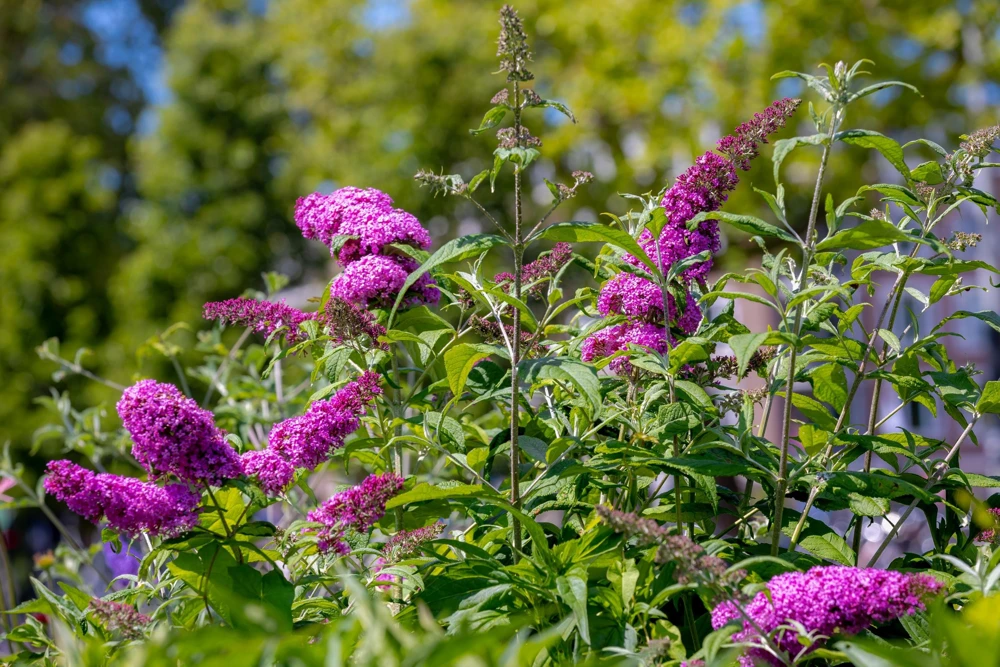
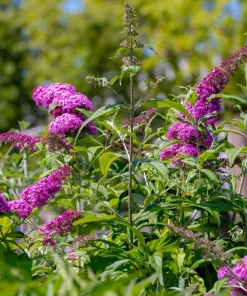
These violet butterfly bush seeds will mature into impressive shrubs, typically reaching a height of 72 to 96 inches (6 to 8 feet) with a spread of 48 to 60 inches (4 to 5 feet). This substantial size makes them an excellent choice for a backdrop in garden beds, as a specimen plant, or as part of a mixed border. The seeds are intended for outdoor planting after the last frost or can be started indoors several weeks before the last frost for an earlier bloom. Each packet contains 50 seeds, providing ample opportunity to establish a beautiful planting.
The bloom time for the purple butterfly bush extends from mid-spring throughout the entire summer, offering a long season of vibrant color and activity. The fragrant flowers cluster together in huge cone-shaped bunches, creating a lovely and eye-catching display. Given their mature size, ensure adequate spacing of 48-60 inches between plants to allow for healthy growth and air circulation. The plants are hardy in USDA Zones 4-9, indicating their adaptability to a broad range of climates. This monarch butterfly plant is a vigorous grower, establishing itself well and providing many years of enjoyment.
Frequently Asked Questions
- Q: How big does this plant get? A: The violet butterfly bush typically grows to a height of 6 to 8 feet (72-96 inches) and spreads 4 to 5 feet (48-60 inches) wide, creating a substantial and impactful presence in your garden.
- Q: Is this an indoor or outdoor plant? A: These buddleja davidii seeds are primarily for outdoor cultivation, thriving in garden beds and landscapes. They can be started indoors to get a head start on the growing season.
- Q: How much sunlight does it need? A: For optimal growth and prolific flowering, the purple butterfly bush requires full sun, meaning at least 6-8 hours of direct sunlight daily.
- Q: Is this plant easy to care for? A: Yes, once established, the violet butterfly bush is considered relatively low-maintenance. It tolerates average soil and is somewhat drought-resistant, making it suitable for gardeners of all skill levels.
- Q: What condition will it arrive in? A: You will receive 50 violet butterfly bush seeds, carefully packaged to ensure their viability for planting. These are seeds, not live plants.
- Q: How long until it blooms? A: When grown from summer lilac seeds, you can expect the plant to start blooming in its first year, typically from mid-spring through summer, given proper growing conditions.
- Q: Will it survive winter in my zone? A: This plant is hardy in USDA Zones 4-9. In colder zones (4-6), it may die back to the ground but will generally regrow from the roots in spring. In warmer zones (7-9), it often remains evergreen or semi-evergreen.
- Q: What type of soil does it prefer? A: The monarch butterfly plant prefers average, well-drained soil. It is adaptable but dislikes heavy, waterlogged conditions, so good drainage is key for healthy growth.
- Q: Can I grow this in a container? A: While primarily a garden shrub, a purple butterfly bush can be grown in a very large container (at least 15-20 gallons) with good drainage, especially in colder climates where it can be moved indoors for winter protection.
- Q: What is the best time to plant these seeds? A: You can plant the violet butterfly bush seeds outdoors after the danger of frost has passed in spring, or start them indoors 6-8 weeks before your last expected frost date.
Be the first to review “Violet Butterfly Bush Seeds – 50 Count, Purple Flowers, Attracts Pollinators”
People Also Viewed
Reviews
There are no reviews yet.