


40 Foxtail Barley Ornamental Grass Seeds – Hordeum Jubatum for Gardens
Original price was: $36.99.$16.99Current price is: $16.99.
Cultivate stunning landscapes with our foxtail barley seeds. This pack of 40 ornamental grass seeds (Hordeum Jubatum) provides unique texture and visual interest, perfect for borders, meadows, or container gardening. Easy to grow and adds a touch of wild beauty.
Estimated arrival
Sep 14
Sep 19 - Sep 21
Sep 24 - Sep 28
Shop With Confidence
30-Day Plant Health Guarantee
Arrives damaged? We’ll replace it free — see our return policy.
Responsive Support
Email us anytime, we reply within 1 business day.
Expert Packaging
Temperature-controlled shipping to protect your plants in transit.
Secure Checkout
Pay safely with Visa, Mastercard, PayPal.
Plant Specifications
-
USDA Hardiness Zone
USDA zones 3-10 -
Soil Type
Well-draining soil -
Sunlight Exposure
Full sun to partial shade -
Expected Planting Period
Early spring or late fall
Overview
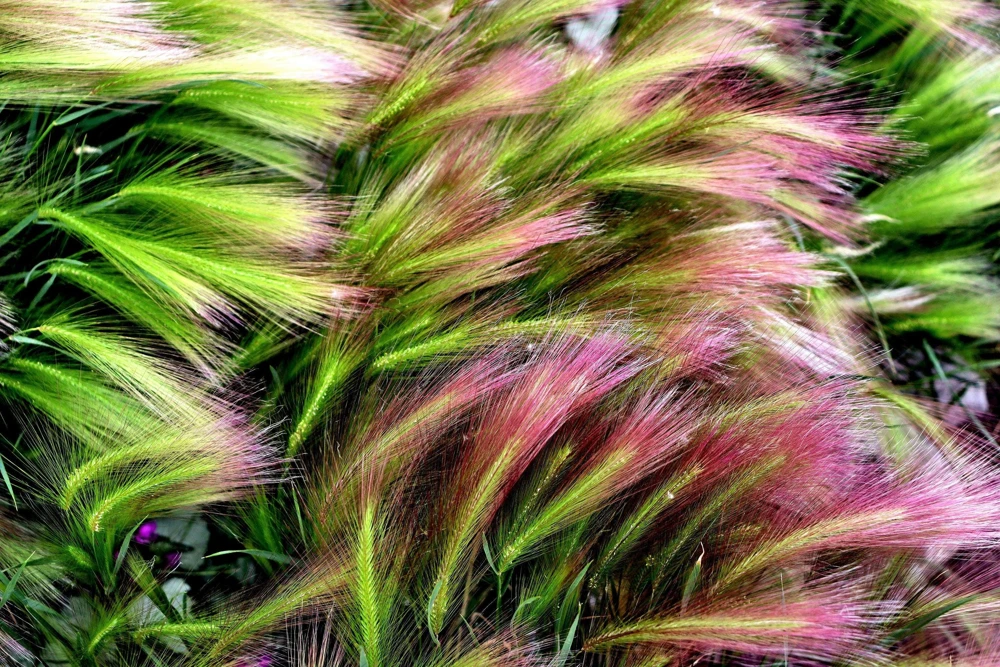
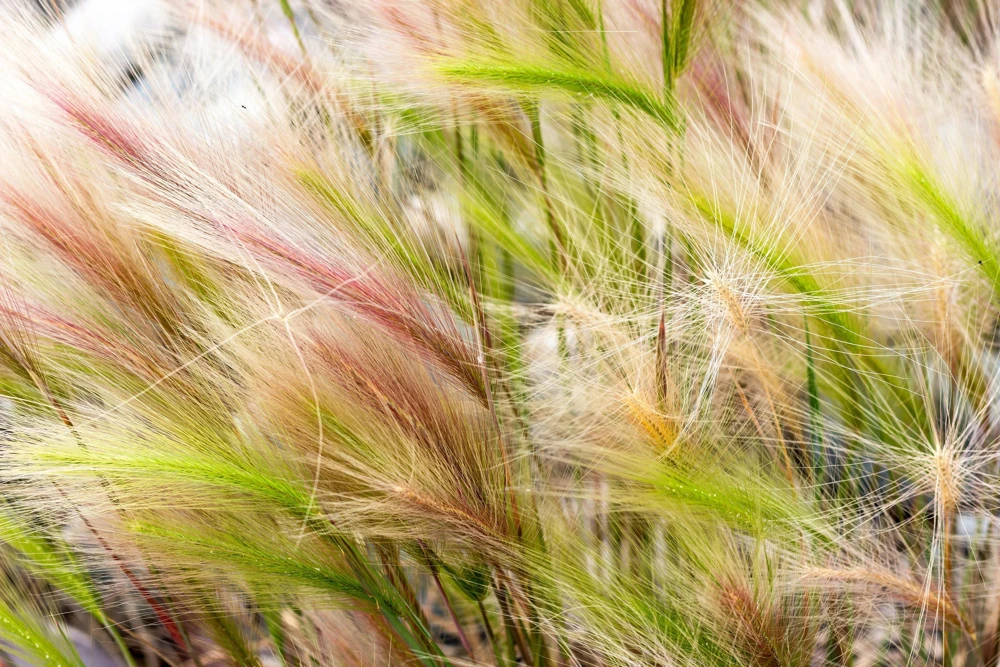
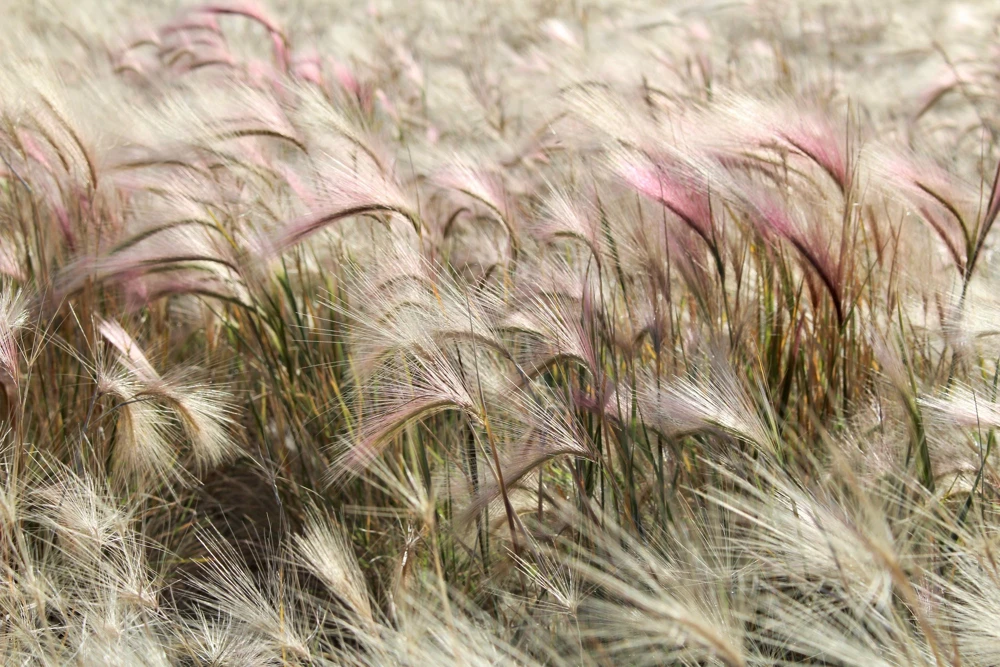
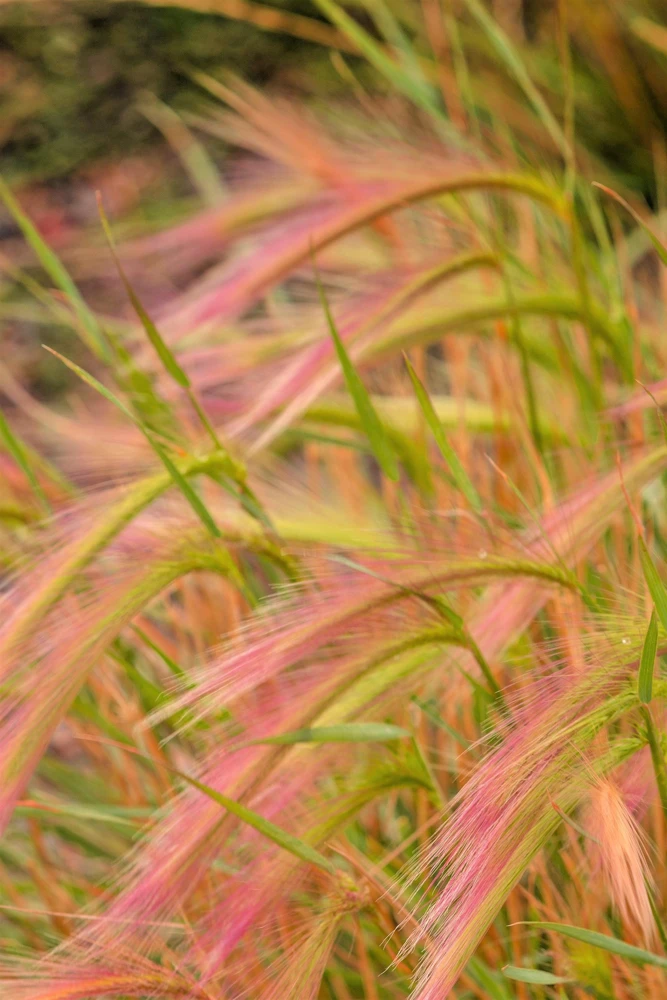
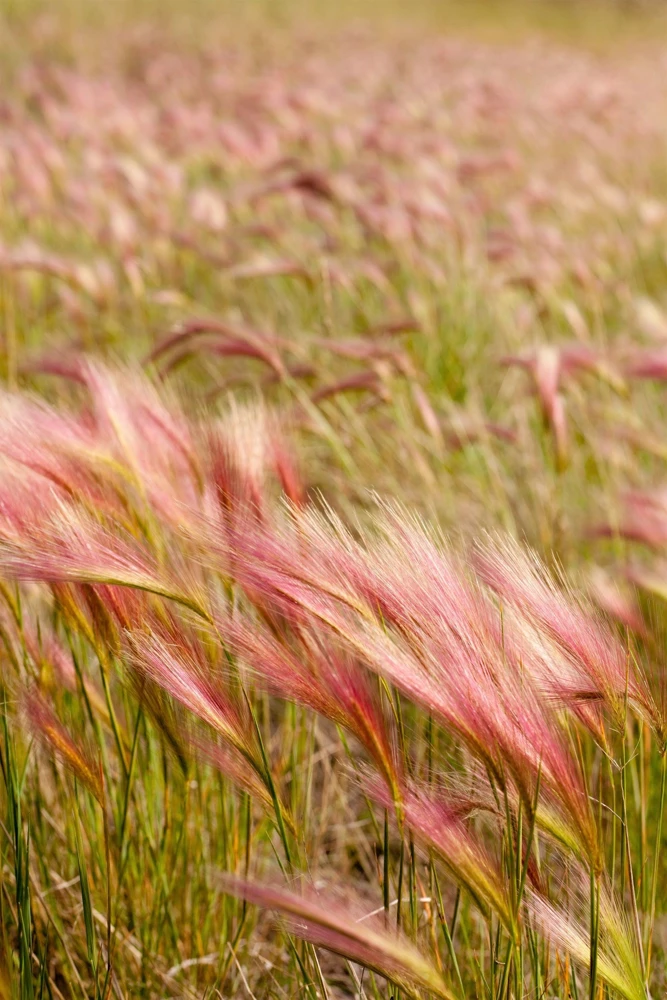
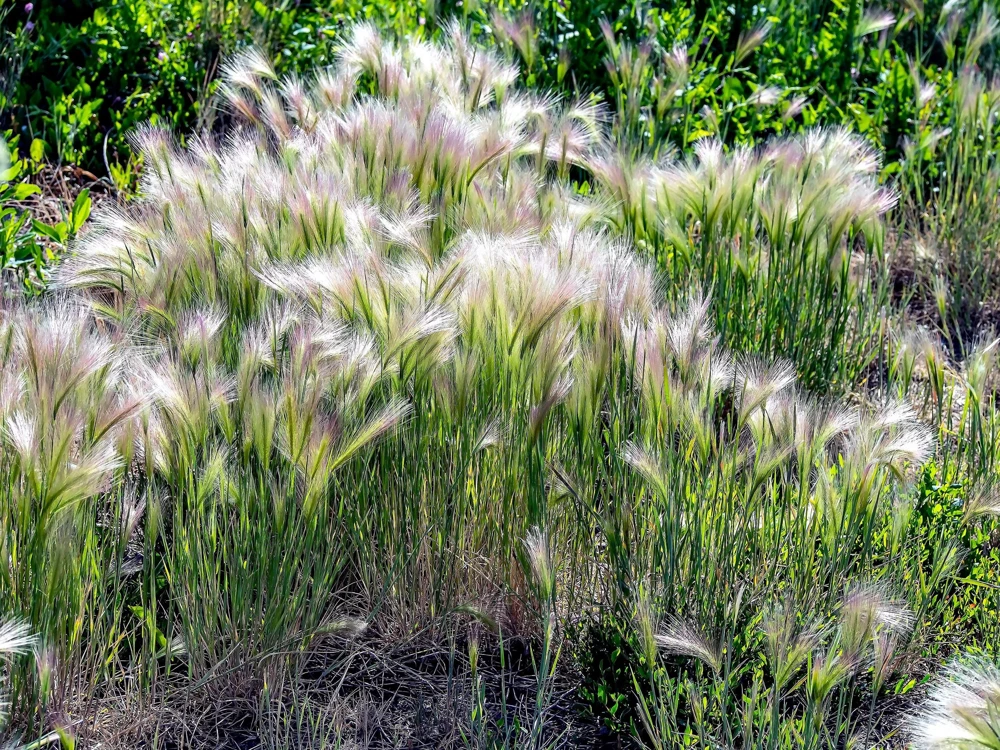
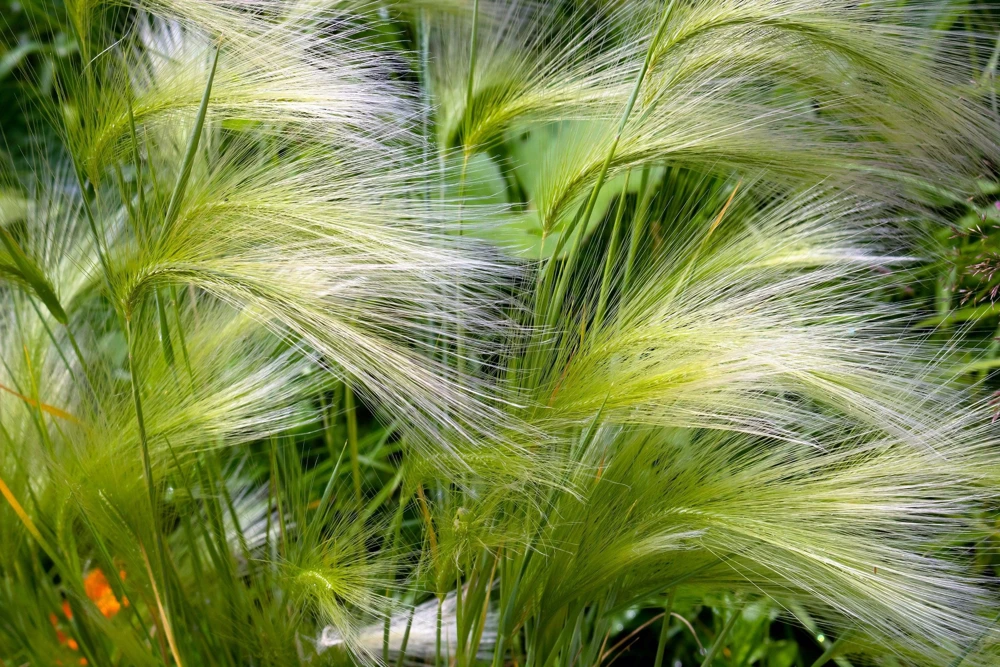
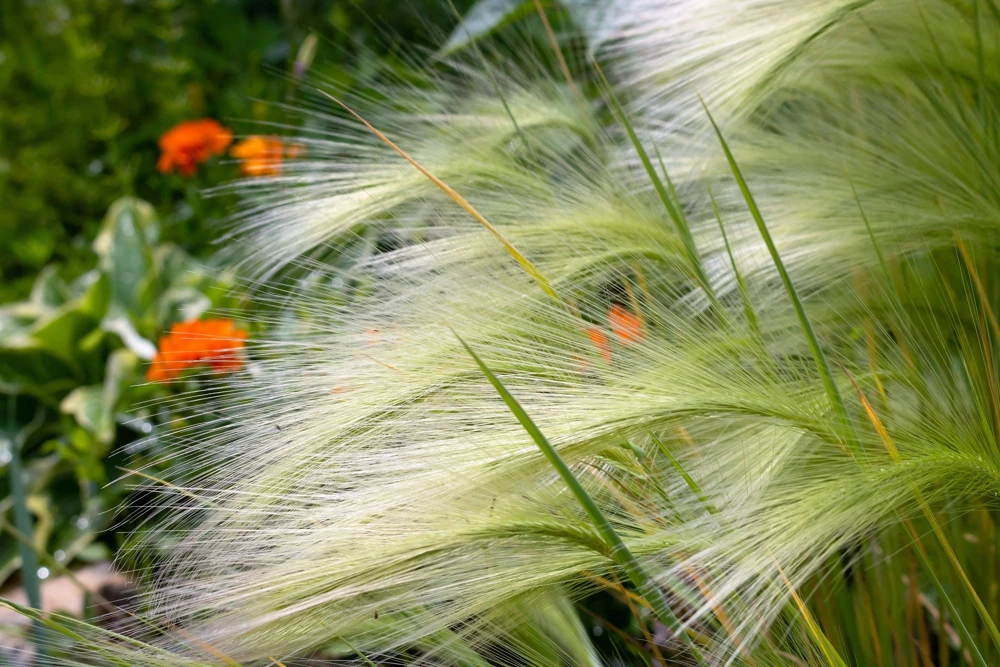
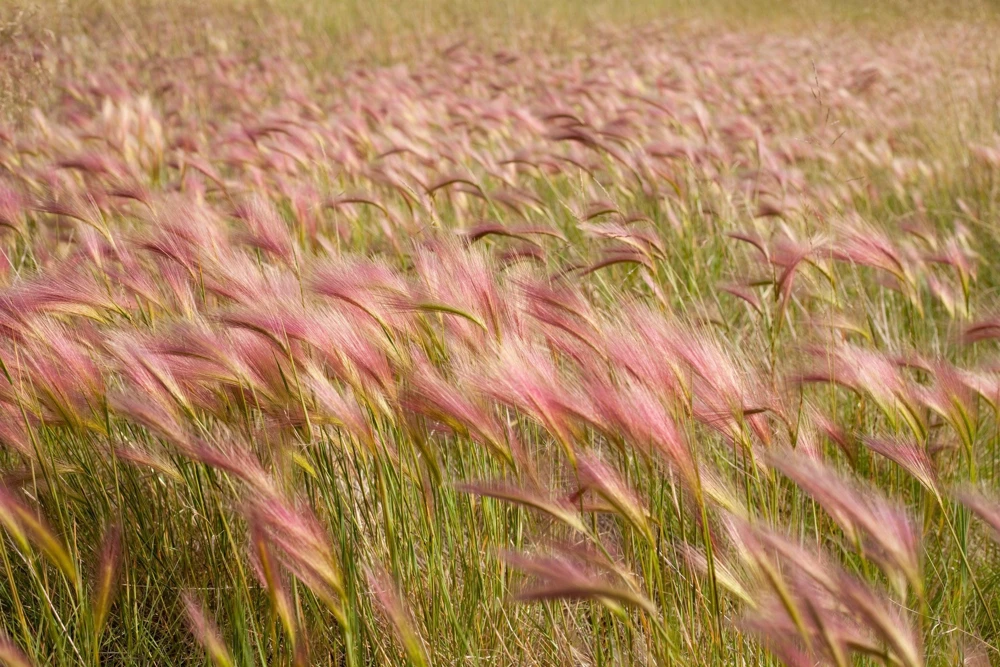
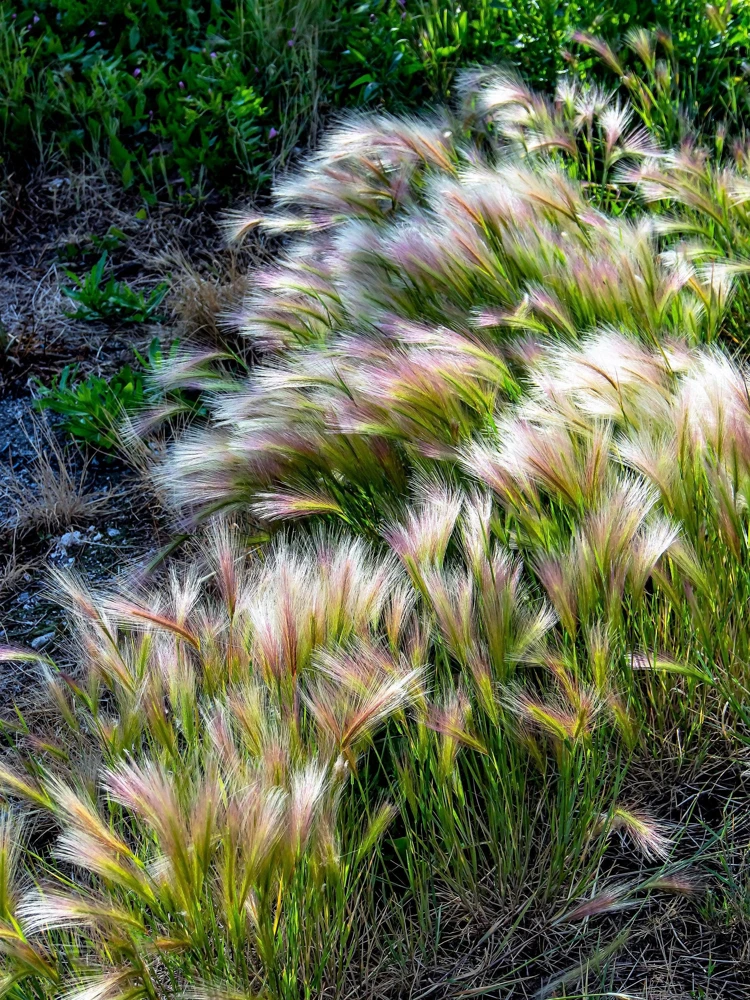
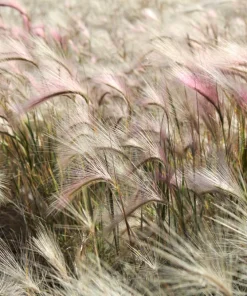
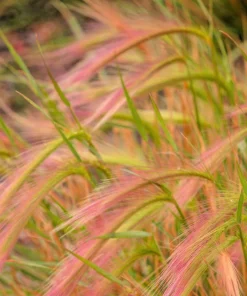
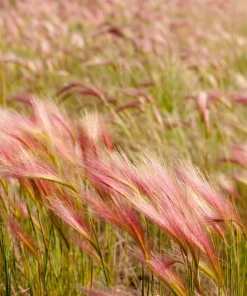
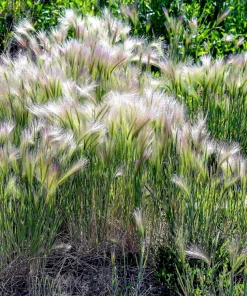
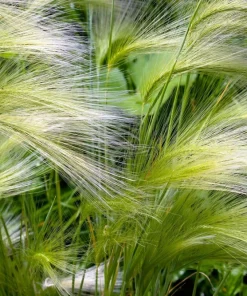
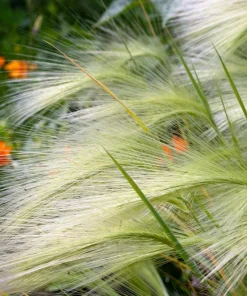
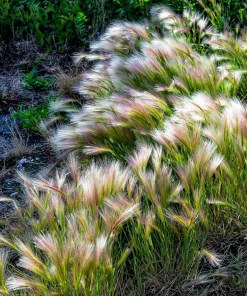
Introduce a captivating element to your garden with our premium foxtail barley seeds. This exquisite ornamental grass, scientifically known as Hordeum Jubatum, is also commonly referred to as Squirrel Tail Grass due to its distinctive, brush-like seed heads that resemble a squirrel’s tail. Our offering includes a generous pack of 40 high-quality seeds, providing ample opportunity to establish a beautiful display in your landscape. Foxtail barley is celebrated for its graceful, feathery plumes that shimmer in the sunlight and sway elegantly with the breeze, adding dynamic movement and soft texture to any outdoor space. Whether you’re aiming to create a naturalized meadow, a striking border, or intricate container arrangements, these seeds are your gateway to cultivating a truly unique and enchanting garden feature. The delicate appearance belies its hardy nature, making it a rewarding choice for gardeners of varying experience levels.
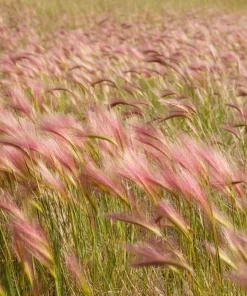
Cultivating squirrel tail grass from seed allows you to witness the full life cycle of this charming plant, from germination to its full, mature glory. The distinctive seed heads transition from green to golden-tan as they mature, offering seasonal interest and adding a rustic charm to autumn and winter gardens. This perennial grass is a fantastic choice for those seeking low-maintenance yet high-impact botanical additions. Its ability to thrive in various conditions makes it a versatile option for many garden designs, from formal to wild. Embrace the beauty of nature with this exceptional ornamental grass.
Key Benefits
Our foxtail barley seeds offer a multitude of advantages for any gardening enthusiast, enhancing both the aesthetic and ecological value of your outdoor environment. These seeds are carefully selected to ensure vigorous growth and a stunning display.
- Unique Ornamental Appeal: The primary benefit of growing foxtail barley is its striking visual impact. The soft, feathery seed heads create an airy, delicate texture that contrasts beautifully with more structured plants, adding depth and interest to garden beds and borders.
- Dynamic Garden Movement: The slender stems and light seed heads of this ornamental grass dance gracefully in the slightest breeze, bringing a lively, ever-changing element to your landscape that is both soothing and captivating to observe.
- Seasonal Interest: From its initial green foliage and emerging plumes in spring to the golden-tan hues of its mature seed heads in late summer and fall, foxtail barley provides continuous visual appeal throughout multiple seasons, even into winter.
- Versatile Landscaping: These ornamental grass seeds are incredibly adaptable, suitable for a wide range of garden styles. They excel in naturalistic plantings, prairie gardens, rock gardens, and can even be grown in containers for a portable touch of wilderness.
- Attracts Wildlife: The seed heads can provide a food source for small birds, and the plant itself offers shelter, contributing to a more biodiverse and vibrant garden ecosystem. Planting hordeum jubatum seeds can help support local fauna.
- Low Maintenance: Once established, foxtail barley is remarkably easy to care for, requiring minimal watering and upkeep. It’s an excellent choice for gardeners looking for beautiful plants without intensive labor.
- Drought Tolerance: This grass exhibits good drought tolerance once mature, making it a sustainable choice for water-wise gardening and suitable for regions with drier climates.
Plant Care & Growing Tips
Successfully growing foxtail barley seeds into a thriving ornamental display is straightforward with the right approach. Begin by sowing the seeds directly outdoors in early spring after the last frost, or in late fall for germination the following spring. Choose a site that receives full sun to partial shade; while it can tolerate some shade, full sun will encourage the most robust growth and abundant seed head production. Prepare the soil by ensuring it is well-draining, as foxtail barley does not tolerate soggy conditions. It is adaptable to various soil types, including sandy, loamy, or clay soils, as long as drainage is adequate. Lightly rake the soil surface before scattering the hordeum jubatum seeds, then cover them with a very thin layer of soil or compost, no more than 1/8 inch deep.
Water gently after planting to ensure good seed-to-soil contact, and keep the soil consistently moist until germination occurs, which typically takes 10-20 days. Once established, foxtail barley is relatively drought-tolerant and will require less frequent watering. Overwatering can lead to root rot, so allow the top inch or two of soil to dry out between waterings. Fertilization is generally not necessary for this hardy grass, especially in average garden soils. If your soil is particularly poor, a light application of a balanced, slow-release fertilizer in early spring can be beneficial. This grass is hardy in USDA zones 3-10, making it suitable for a wide range of climates. In colder zones, it may behave as an annual. Deadhead spent blooms if you wish to prevent self-seeding, or allow them to remain for winter interest and to encourage naturalization. Watch for common grass pests, though foxtail barley is generally pest-resistant.
Size & Details
This package contains 40 individual foxtail barley seeds (Hordeum Jubatum), ready for planting. When mature, this stunning ornamental grass typically reaches a height of 1 to 2 feet (30-60 cm) with a similar spread, forming attractive clumps. Its growth rate is moderate, establishing well within its first season. The distinctive seed heads can add an additional 6-12 inches (15-30 cm) to its overall height, creating a captivating display. The seeds are shipped in a protective packet to ensure viability upon arrival. Expect the plant to develop its full feathery plumes by mid-summer, lasting through autumn. This perennial grass will return year after year in appropriate climates, providing long-lasting beauty.
Frequently Asked Questions
- Q: How many seeds are included in this package? A: This package contains 40 foxtail barley seeds, providing a good quantity for starting a new patch of ornamental grass in your garden or containers.
- Q: Is this an indoor or outdoor plant? A: Foxtail barley (Hordeum Jubatum) is primarily an outdoor ornamental grass, best suited for garden beds, borders, and naturalized areas. While it can be grown in containers, it thrives in open, sunny outdoor conditions.
- Q: How much sunlight does foxtail barley need? A: For optimal growth and the most vibrant seed heads, foxtail barley prefers full sun, meaning at least 6-8 hours of direct sunlight per day. It can tolerate partial shade, but growth may be less vigorous.
- Q: Is this plant easy to care for? A: Yes, squirrel tail grass is considered a low-maintenance ornamental grass once established. It is drought-tolerant and generally pest-resistant, making it a good choice for both beginner and experienced gardeners.
- Q: What condition will the seeds arrive in? A: The ornamental grass seeds will arrive in a sealed, protective packet, designed to maintain their viability and ensure they reach you in excellent condition ready for planting.
- Q: When is the best time to plant foxtail barley seeds? A: The best time to plant these seeds is in early spring after the last frost, or in late fall for natural stratification and spring germination.
- Q: What USDA hardiness zones is foxtail barley suitable for? A: Foxtail barley is generally hardy in USDA Zones 3 through 10. In colder zones, it may behave as an annual or require winter protection.
- Q: How tall does this ornamental grass grow? A: Mature foxtail barley typically grows to a height of 1 to 2 feet, with its distinctive seed heads adding a few more inches, creating an elegant and airy display.
- Q: Can I use these seeds to create a natural meadow look? A: Absolutely! These hordeum jubatum seeds are perfect for creating naturalized areas, meadows, or prairie-style gardens, adding movement and texture to the landscape.
- Q: Do I need to fertilize foxtail barley? A: Generally, foxtail barley does not require heavy fertilization. If your soil is very poor, a light, balanced fertilizer applied in early spring can be beneficial, but otherwise, it thrives with minimal feeding.
Be the first to review “40 Foxtail Barley Ornamental Grass Seeds – Hordeum Jubatum for Gardens”
People Also Viewed




Reviews
There are no reviews yet.