
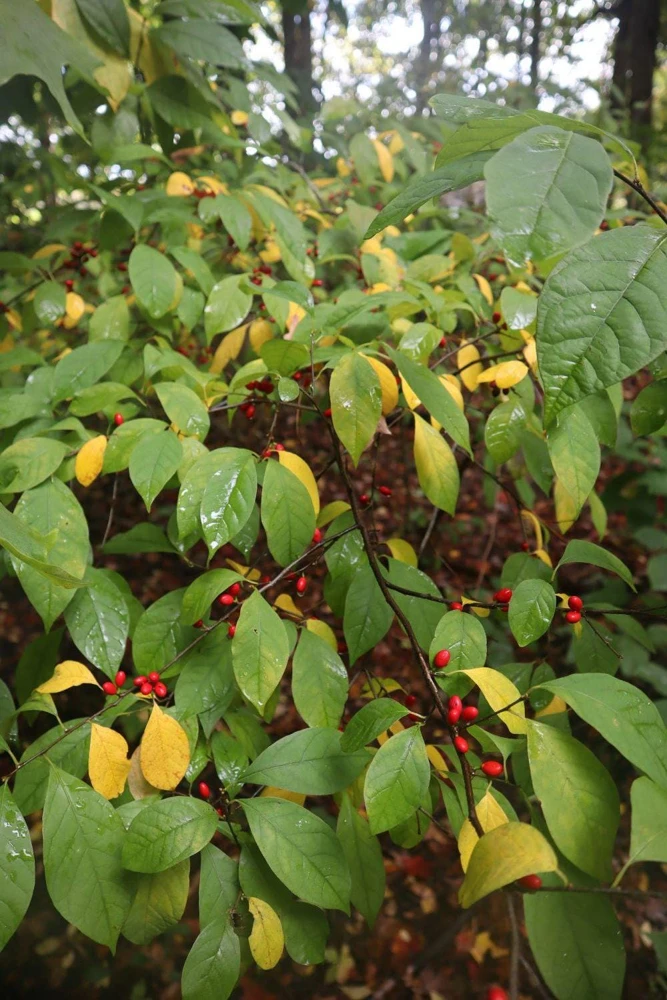
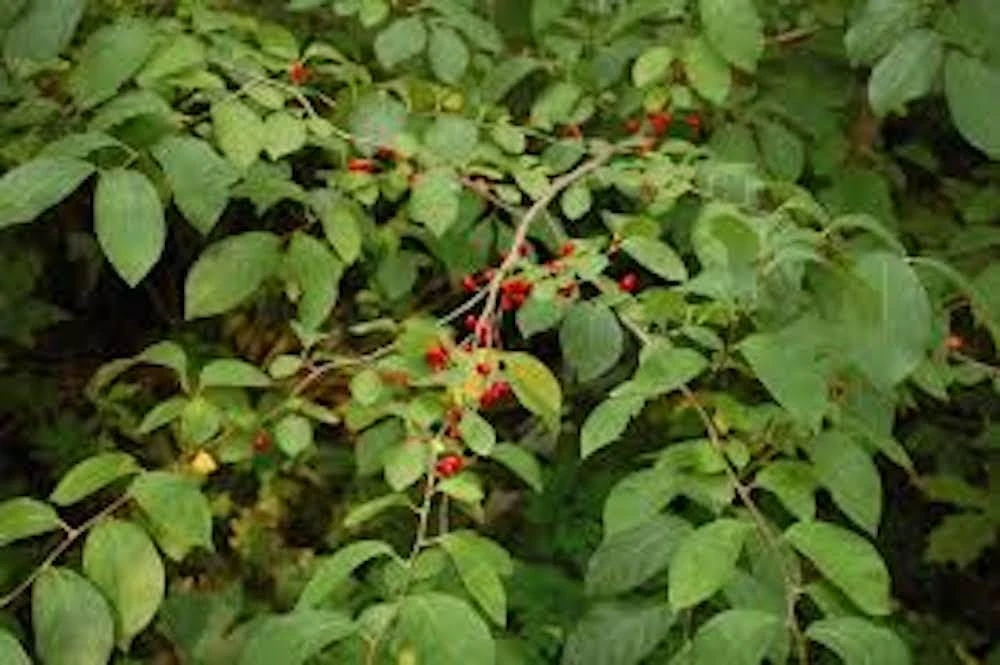
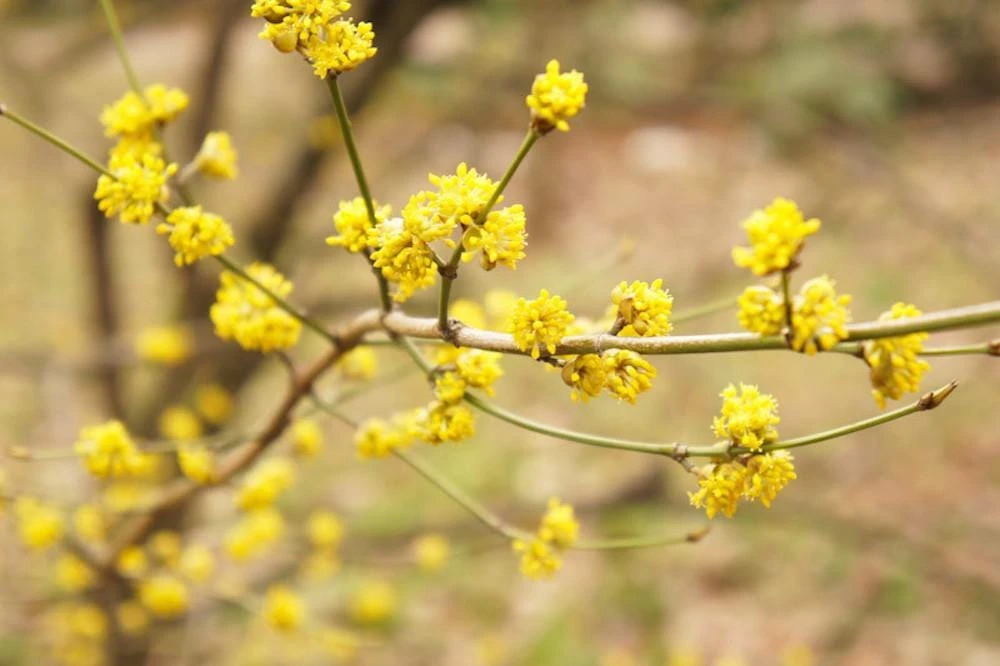
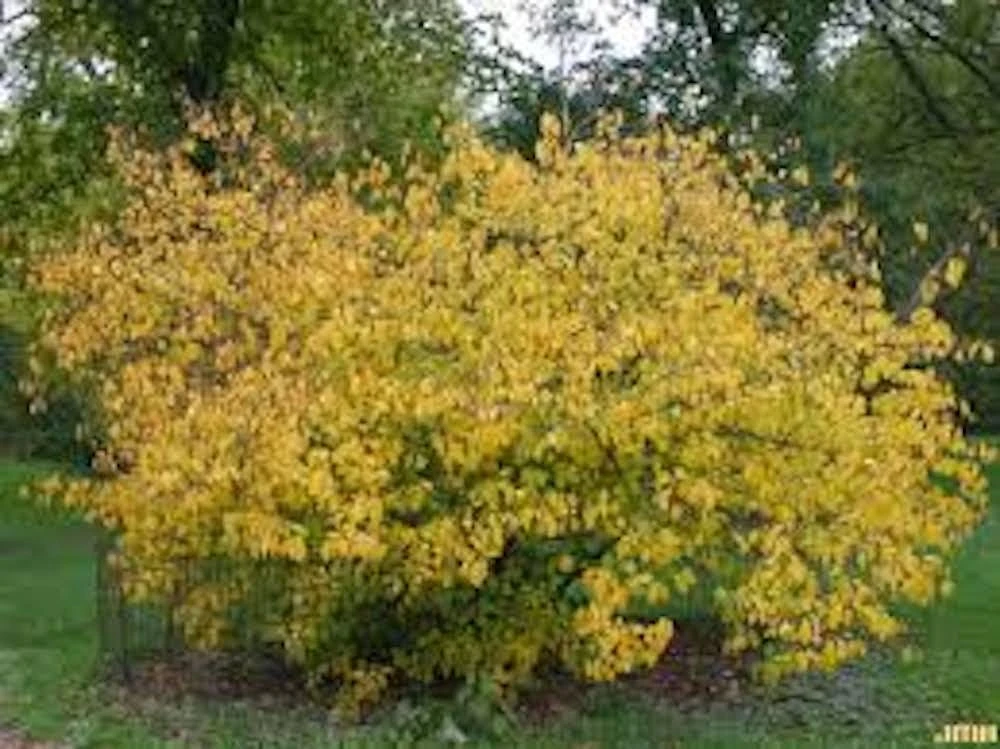
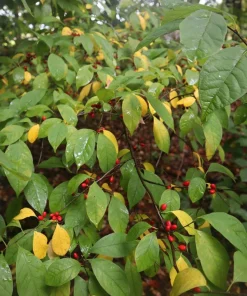
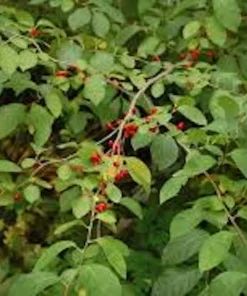
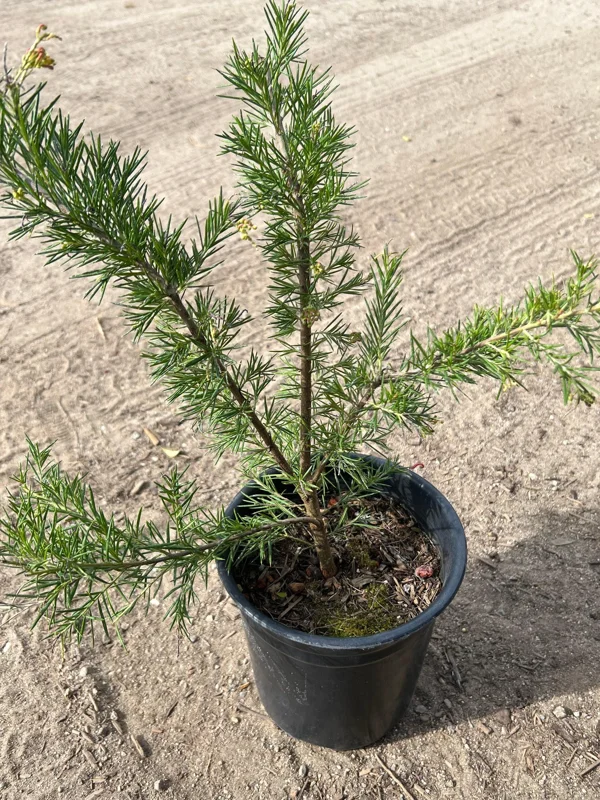
Spice Bush Live Plant – Lindera benzoin Shrub – 8-18″ Tall Starter Quart Pot
Original price was: $74.99.$49.99Current price is: $49.99.
Enhance your garden with a spice bush live plant, also known as northern spicebush shrub (Lindera benzoin). This 8-18″ starter plant arrives in a quart pot, ready to thrive in moist, well-drained soils and partial shade. It’s a pollinator friendly bush, adding natural beauty and fragrance to your outdoor space.
Estimated arrival
Sep 29
Oct 04 - Oct 06
Oct 09 - Oct 13
Shop With Confidence
30-Day Plant Health Guarantee
Arrives damaged? We’ll replace it free — see our return policy.
Responsive Support
Email us anytime, we reply within 1 business day.
Expert Packaging
Temperature-controlled shipping to protect your plants in transit.
Secure Checkout
Pay safely with Visa, Mastercard, PayPal.
Plant Specifications
-
USDA Hardiness Zone
USDA Zones 4-9 -
Soil Type
Moist, well-draining soil -
Sunlight Exposure
Partial shade to full sun -
Expected Planting Period
Spring or Fall
Overview
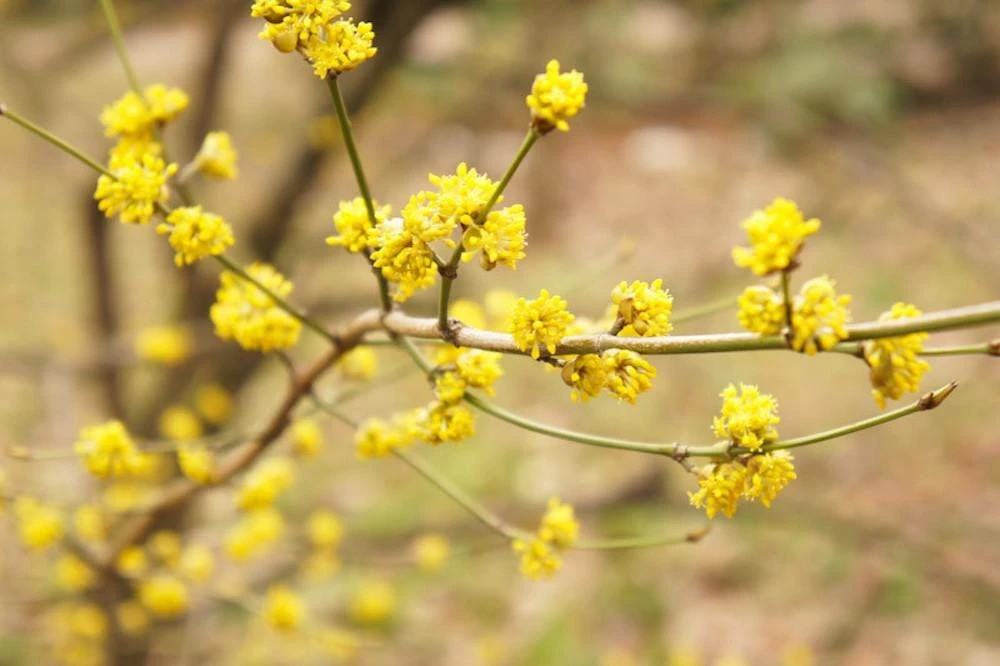
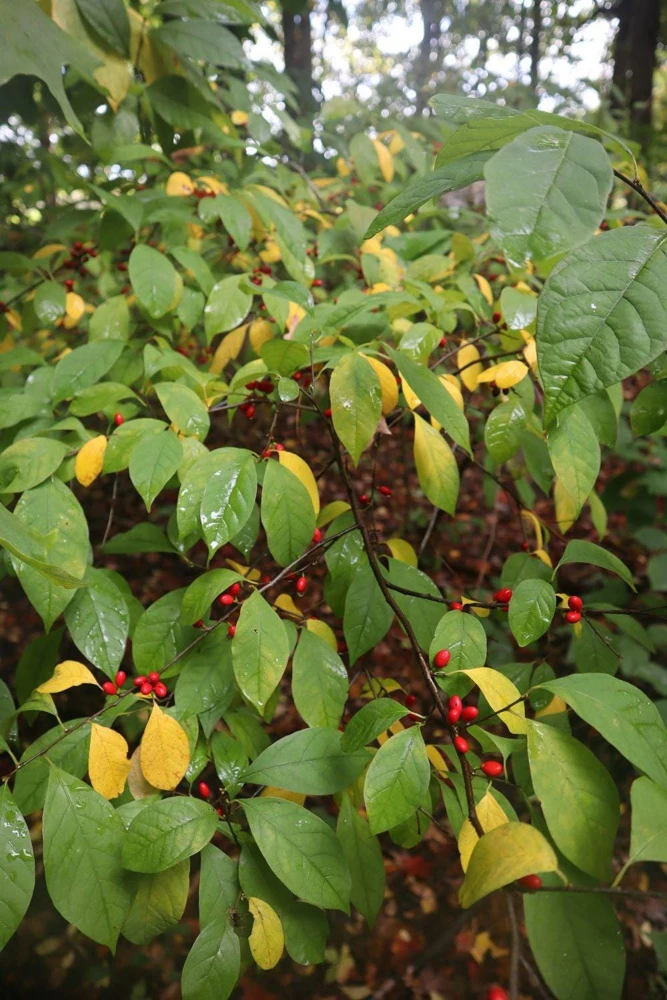
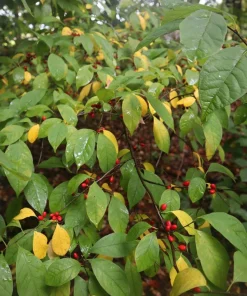
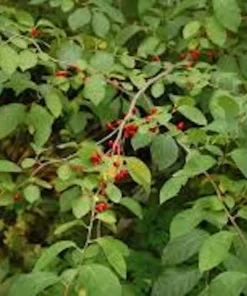
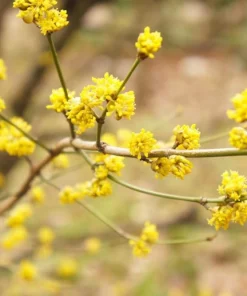
Introduce a touch of native elegance to your garden with the spice bush live plant (Lindera benzoin). This aromatic deciduous shrub is a true gem, native to the eastern and central regions of North America. Known for its vibrant green foliage, delicate yellow flowers in early spring, and bright red berries in the fall, the lindera benzoin plant provides year-round interest. It’s an excellent choice for those looking to create a naturalized landscape or a wildlife-friendly garden, attracting a variety of pollinators and birds. This particular offering is for an 8-18″ starter plant, carefully cultivated in a quart pot, ensuring a robust beginning for your new garden addition. The northern spicebush shrub is celebrated for its ease of care and adaptability, making it a favorite among both seasoned gardeners and beginners.
The spice bush live plant is not just visually appealing; its leaves and twigs emit a delightful spicy fragrance when bruised, hence its common name. This makes it a wonderful plant to place near patios or walkways where its scent can be enjoyed. As a crucial host plant for the Spicebush Swallowtail butterfly, it plays an important role in supporting local ecosystems. Growing to a moderate size, it fits well into various garden designs, from woodland borders to foundation plantings. Its natural resilience and low maintenance requirements make it an ideal specimen for a sustainable garden.
Key Benefits
Adding a spice bush live plant to your landscape offers a multitude of advantages, enhancing both the aesthetic and ecological value of your outdoor space. Its versatility and natural charm make it a standout choice for any garden enthusiast.
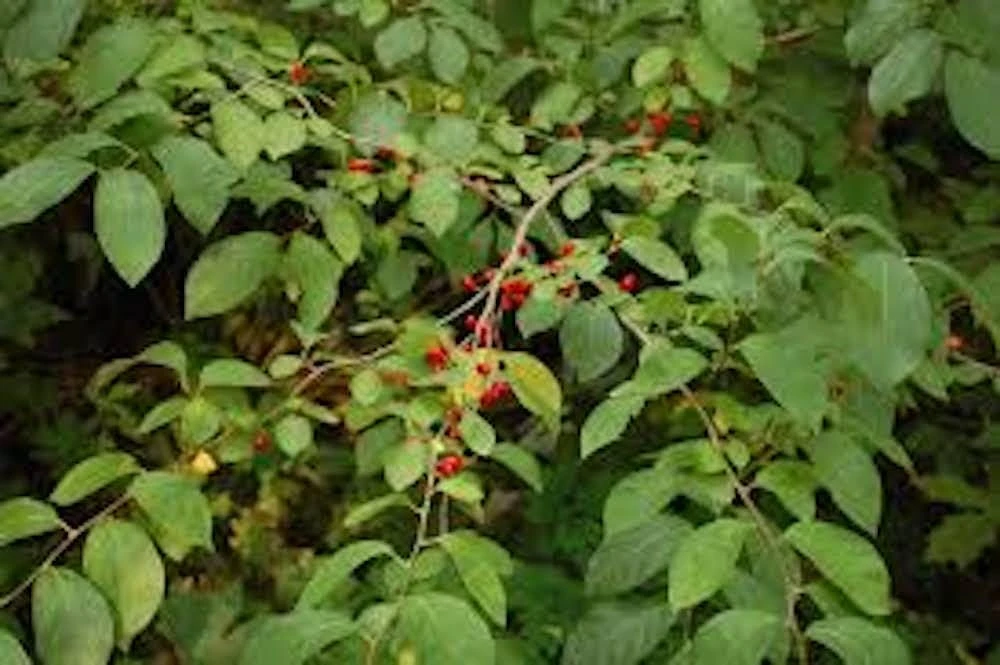
- Ecological Impact: This pollinator friendly bush is a magnet for native bees, butterflies, and other beneficial insects, providing essential nectar and pollen. It serves as a critical host plant for the Spicebush Swallowtail butterfly, supporting their life cycle and contributing to local biodiversity. The bright red berries are also a valuable food source for migrating birds in the fall.
- Aromatic Foliage: Enjoy the unique, spicy fragrance released from the leaves and twigs when brushed or bruised. This natural aroma adds another sensory dimension to your garden experience, making it particularly enjoyable when planted near seating areas or pathways.
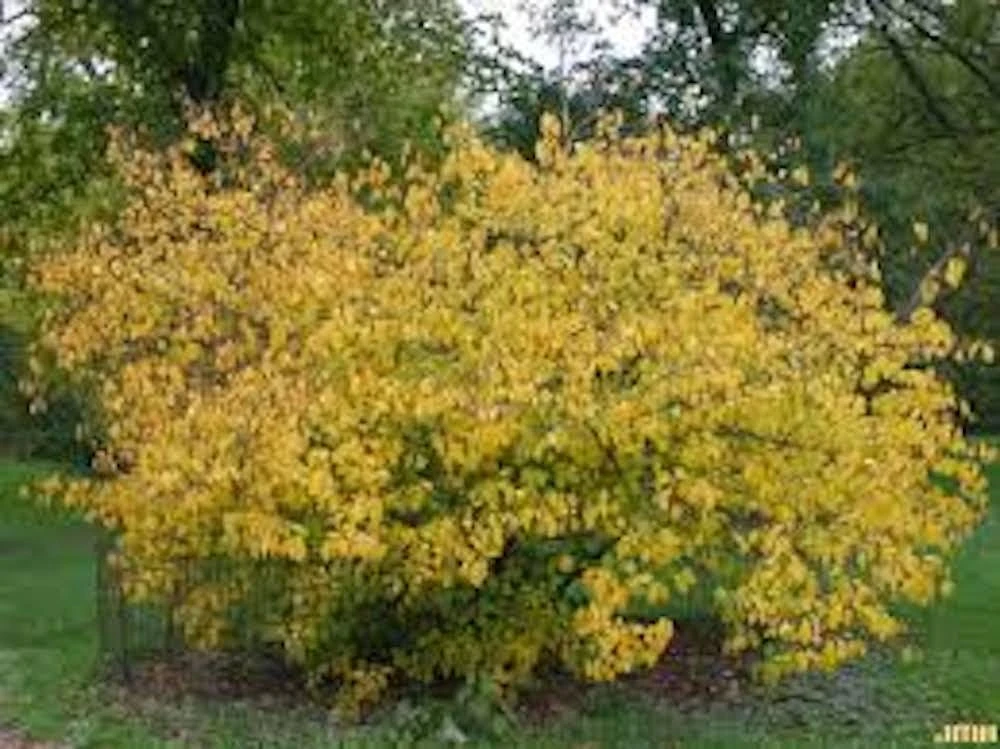
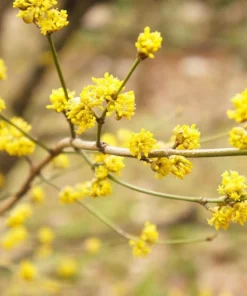
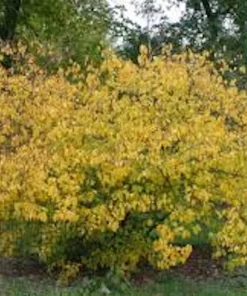
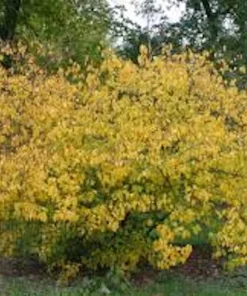
- Seasonal Interest: The lindera benzoin plant offers beauty throughout the seasons. Delicate yellow flowers adorn its branches in early spring before the leaves emerge, followed by lush green foliage in summer, and finally, brilliant red berries and yellow fall color, ensuring your garden remains vibrant.
- Low Maintenance: Once established, the northern spicebush shrub is remarkably easy to care for. It tolerates a range of conditions and requires minimal pruning, making it an excellent option for gardeners seeking a beautiful yet undemanding plant.
- Adaptability: Thriving in moist, well-drained soils and partial shade, the spice bush live plant is adaptable to various garden settings. It can also tolerate full sun if the soil remains consistently moist, offering flexibility in planting locations.
- Native Plant: As a native species, it is well-suited to local climates and soils, reducing the need for extensive care and making it more resistant to local pests and diseases compared to non-native alternatives.
Plant Care & Growing Tips
Caring for your spice bush live plant is straightforward, ensuring it thrives and beautifies your garden for years to come. This robust shrub is known for its resilience, making it an excellent choice for gardeners of all experience levels. Understanding its basic needs will help you cultivate a healthy and vibrant specimen.
The lindera benzoin plant prefers a location with partial shade, meaning it should receive about 3-6 hours of direct sunlight per day, ideally morning sun with afternoon shade. While it can tolerate full sun, especially in cooler climates, it will require more consistent moisture to prevent stress. In hotter regions, providing more afternoon shade is beneficial. It thrives in moist, well-drained soil that is rich in organic matter. Avoid planting in areas where water tends to collect, as consistently soggy roots can lead to problems. Amending heavy clay soils with compost before planting will improve drainage and aeration, creating an ideal environment for your northern spicebush shrub.
Watering is crucial, especially during the first year after planting to help establish a strong root system. Keep the soil consistently moist but not waterlogged. Once established, the spice bush live plant is relatively drought-tolerant but will perform best with regular watering during dry spells. A layer of mulch around the base of the plant will help retain soil moisture, regulate soil temperature, and suppress weeds. Fertilization is generally not heavily required; an annual application of a balanced, slow-release granular fertilizer in early spring can support vigorous growth. Pruning is minimal, primarily for removing dead, damaged, or crossing branches to maintain its natural shape and health. This aromatic garden plant is generally pest and disease resistant, making it a low-fuss addition to your landscape.
Size & Details
This offering features a healthy spice bush live plant, measuring between 8 to 18 inches in height at the time of shipment. It is carefully grown and shipped in a quart-sized pot, ensuring the root system is well-established and ready for transplanting into your garden. The quart pot provides ample space for initial growth, allowing the plant to acclimate before being introduced to its permanent home. While it ships as a live plant, please note that during fall and winter, this bush may ship bare root, which is a common and healthy practice for deciduous plants during their dormant season. This allows for easier handling and ensures the plant is well-prepared for spring growth.
The lindera benzoin plant is a moderately growing shrub, typically reaching a mature height of 6-12 feet with a similar spread. Its growth rate allows it to establish quickly while remaining manageable in most garden settings. Expect to see its delicate yellow flowers in early spring, followed by lush green foliage throughout the summer, and finally, vibrant red berries in the fall. This pollinator friendly bush will gradually develop into a magnificent specimen, providing beauty and ecological benefits for many years. Its natural, somewhat open form makes it an excellent choice for woodland gardens, naturalized areas, or as a graceful specimen plant.
Frequently Asked Questions
- Q: How big does this plant get and what size pot does it come in? A: This spice bush live plant typically grows 6-12 feet tall and wide at maturity. It arrives as an 8-18 inch starter plant in a quart-sized pot, providing a strong foundation for future growth.
- Q: Is this an indoor or outdoor plant? How much sunlight does it need? A: The northern spicebush shrub is an outdoor plant. It thrives in partial shade, receiving 3-6 hours of direct sunlight, preferably morning sun. It can tolerate full sun if the soil is consistently moist.
- Q: Is this plant easy to care for? Is it good for beginners? A: Yes, the lindera benzoin plant is considered easy to care for and is an excellent choice for beginners. Once established, it requires minimal maintenance, making it a forgiving and rewarding addition to any garden.
- Q: What condition will it arrive in? Is it shipped in soil? A: Your spice bush live plant will arrive with a well-established root ball in a quart pot. During the fall and winter months, it may ship bare root while dormant, which is normal for deciduous shrubs.
- Q: Is this plant pet-safe? A: While the leaves and twigs are aromatic, the berries of the spice bush are generally considered mildly toxic if ingested in large quantities by pets. It’s always best to discourage pets from consuming plant parts.
- Q: How long until it blooms and when is the best time to plant? A: This aromatic garden plant typically blooms in early spring, often before its leaves emerge. The best time to plant is in spring or fall, allowing the roots to establish before extreme temperatures.
- Q: Will it survive winter in my zone? What’s the minimum temperature? A: The spice bush live plant is hardy in USDA Zones 4-9, meaning it can tolerate winter temperatures down to approximately -30°F (-34°C) once established.
- Q: What are the best uses for a spice bush in the garden? A: The pollinator friendly bush is excellent for naturalized areas, woodland gardens, shrub borders, or as a specimen plant. Its seasonal interest and wildlife appeal make it a versatile addition to any landscape.
Be the first to review “Spice Bush Live Plant – Lindera benzoin Shrub – 8-18″ Tall Starter Quart Pot”
People Also Viewed
Reviews
There are no reviews yet.