
Black Bonsai Pine Live Plant – Mini Evergreen Conifer – 3 inch Pot
Original price was: $47.99.$27.99Current price is: $27.99.
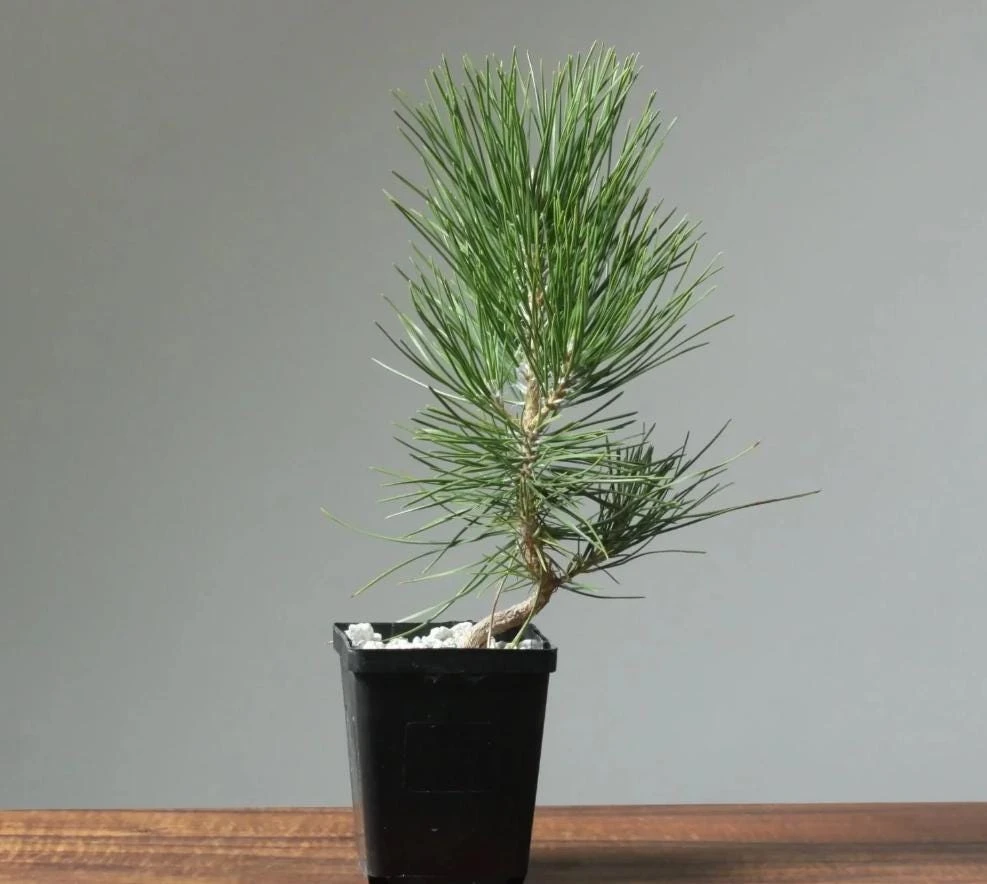
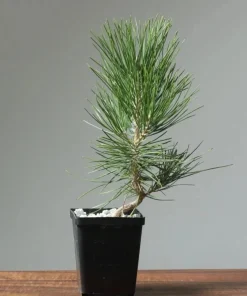
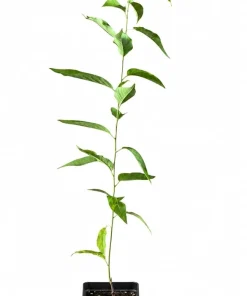
Cultivate your own miniature masterpiece with a black bonsai pine tree. This live, compact evergreen conifer arrives in a 3-inch pot, ready for bonsai training pine or ornamental display. Enjoy its striking dark green to near-black needles and dense branching habit.
Estimated arrival
Sep 29
Oct 04 - Oct 06
Oct 09 - Oct 13
Shop With Confidence
30-Day Plant Health Guarantee
Arrives damaged? We’ll replace it free — see our return policy.
Responsive Support
Email us anytime, we reply within 1 business day.
Expert Packaging
Temperature-controlled shipping to protect your plants in transit.
Secure Checkout
Pay safely with Visa, Mastercard, PayPal.
Plant Specifications
-
USDA Hardiness Zone
unknown (can be grown outdoors in suitable hardiness zones) -
Soil Type
well-draining bonsai or conifer mix soil -
Sunlight Exposure
full sun to partial shade -
Expected Planting Period
year-round (transplant any time after arrival)
Overview
Discover the serene beauty of a black bonsai pine tree, a captivating live plant that brings miniature evergreen elegance to any space. This compact conifer, a selected Pinus species known for its bonsai potential, is highly valued for its dense branching habit and distinct dark green to near-black toned needles. Even at a young stage, this plant creates a striking bonsai-style appearance, making it an ideal choice for both novice and experienced enthusiasts. Perfect for container growing, this mini evergreen conifer offers a unique opportunity to engage in the art of bonsai or simply enjoy a beautiful, ornamental miniature tree. Its natural charm and manageable size make it a wonderful addition to patios, small gardens, or as an indoor-to-outdoor decorative accent in suitable climates.
The black bonsai pine tree is a slow-to-moderate growing evergreen, providing long-lasting beauty and a sense of tranquility. It is shipped as a small starter plant in a 3-inch nursery pot, ready for you to begin its journey as a magnificent specimen. Embrace the rewarding experience of nurturing this unique pine and watch it develop into a captivating focal point in your home or garden.
Key Benefits
Owning a black bonsai pine tree offers numerous benefits, from its aesthetic appeal to the therapeutic process of its care. This resilient evergreen is a delightful plant to grow and observe.
- Unique Aesthetic Appeal: The deep dark green to near-black toned needles and naturally compact, dense branching habit create a visually striking and sophisticated miniature tree. It instantly adds a touch of refined beauty to any setting, embodying the classic bonsai form.
- Bonsai Training Potential: This particular Pinus species is specifically suited for bonsai training pine. Its growth characteristics make it responsive to shaping and pruning, allowing you to cultivate a personalized living art piece over time.
- Versatile Display Options: Ideal for container growing, this plant can be displayed on patios, balconies, small gardens, or even indoors as a decorative element (with appropriate light and care). Its adaptability makes it suitable for various home and garden designs.
- Evergreen Foliage: As an evergreen conifer, the black bonsai pine retains its beautiful foliage year-round, providing consistent color and texture regardless of the season. This ensures continuous visual interest and a vibrant presence.
- Compact Size for Small Spaces: Its naturally compact structure means it won’t outgrow its space quickly. This makes it a perfect choice for those with limited room, allowing the enjoyment of a tree without the need for extensive garden space.
- Educational & Rewarding Hobby: Engaging in the care and training of a black bonsai pine tree can be a deeply rewarding and meditative hobby. It offers a connection to nature and the satisfaction of watching a living artwork evolve under your care.
- Long Lifespan: With proper care, bonsai pines can live for many decades, becoming a cherished heirloom that grows and matures alongside you, offering enduring beauty and a legacy of horticultural artistry.
Plant Care & Growing Tips
Caring for your black bonsai pine tree involves understanding its specific needs to ensure healthy growth and development. Upon arrival, gently transplant your small starter plant from its 3-inch nursery pot into a well-draining bonsai pot or an outdoor container with ample drainage holes. The type of soil is crucial; this pine prefers a well-draining bonsai or conifer mix soil to prevent waterlogging and promote strong root health. Good drainage is paramount for all pines.
When it comes to watering, maintain the soil lightly moist but never saturated. Allow the topsoil to dry slightly between waterings to avoid root rot. Overwatering is a common issue, so it’s better to slightly under-water than over-water. The black pine care routine also includes proper sunlight exposure. This conifer thrives in full sun to partial shade, meaning it appreciates several hours of direct sunlight daily, but can tolerate some afternoon shade, especially in hotter climates. During the growing season, typically spring and summer, apply a diluted balanced fertilizer to support healthy growth and vibrant foliage. Pruning is essential for maintaining the desired shape and encouraging dense branching, which is key for its bonsai-style appearance. Trim lightly and regularly to guide its growth.
For overwintering, protect your ornamental pine live plant from extreme frost in colder climates. While it can be grown outdoors in suitable hardiness zones, container-grown plants may need extra protection or to be moved indoors to a cool, unheated space during the coldest months. Always remember that young live specimens may vary slightly in size and appearance upon arrival, and extra care is required during establishment after transplanting. The key to successful black pine care is consistent attention and adaptation to your specific environment.
Size & Details
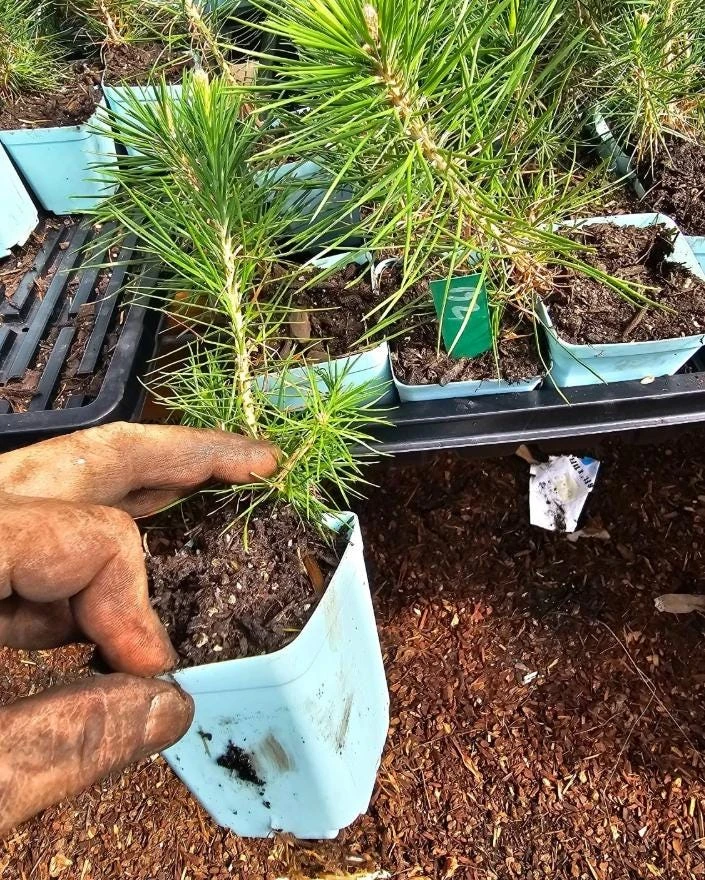
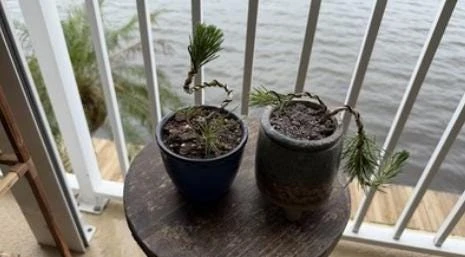
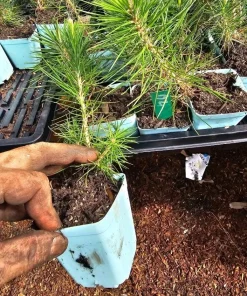
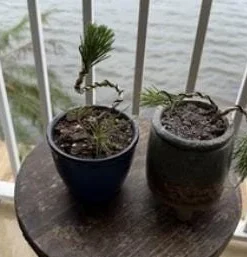
This offering includes one live black bonsai pine tree, delivered as a small starter plant. It is currently growing in an individual 3-inch nursery pot, with the pot size indicative of its root system development rather than the plant’s overall height. While photos may depict mature or trained bonsai examples for reference, your shipped plant will be a young starter, ready for your cultivation. This compact evergreen conifer is a slow-to-moderate grower, making it manageable for bonsai training and ornamental display without rapid overgrowth. Its naturally compact structure contributes to its suitability as a mini evergreen conifer. Expect your plant to arrive healthy and vibrant, ready for transplanting and the beginning of its journey as a beautiful miniature pine. The ultimate size and shape will largely depend on your pruning and training techniques over the years, allowing for a highly personalized growth experience.
Frequently Asked Questions
- Q: How big does this plant get? A: As a young starter plant in a 3-inch pot, its initial size is small. With proper bonsai training pine, you can maintain it at a compact, miniature size. Without training, it would eventually grow into a full-sized pine tree, but it is specifically chosen for its suitability for compact growth.
- Q: Is this an indoor or outdoor plant? A: The black bonsai pine tree can be grown outdoors in suitable hardiness zones (typically colder climates) or kept as an indoor-to-outdoor ornamental plant. It requires bright light, so ensure adequate sunlight if kept indoors.
- Q: How much sunlight does it need? A: This pine prefers full sun to partial shade. Aim for several hours of direct sunlight daily for optimal health and growth. If growing indoors, place it near a bright, south-facing window.
- Q: Is this plant easy to care for? A: While black pine care requires attention to watering, soil, and pruning, it is considered moderately easy for those willing to learn bonsai techniques. It’s a rewarding plant for beginners interested in bonsai.
- Q: What condition will it arrive in? A: Your ornamental pine live plant will arrive as a young, healthy live specimen in a 3-inch nursery pot. It is carefully packaged to ensure safe transit, though slight variations in appearance are natural for live plants.
- Q: How often should I water my black bonsai pine? A: Water when the topsoil feels slightly dry to the touch. Keep the soil lightly moist but never waterlogged. The frequency will depend on your climate, pot size, and humidity levels.
- Q: What type of soil is best for a black bonsai pine tree? A: A well-draining bonsai mix or a specific conifer potting mix is ideal. Good drainage is crucial to prevent root issues and ensure the plant’s health.
- Q: Can I keep this mini evergreen conifer indoors year-round? A: While it can be brought indoors for decorative purposes, it generally benefits from periods outdoors to experience natural seasonal changes and stronger light. If kept indoors, ensure it receives ample light and good air circulation.
- Q: How do I start with bonsai training pine? A: Begin by allowing the plant to establish itself after transplanting. Then, research basic bonsai techniques like pruning, wiring, and repotting, specifically for pine species, to guide its growth and shape.
- Q: What is the best time to prune my black bonsai pine? A: Pruning is typically done during the growing season to maintain shape and encourage dense foliage. Light, continuous pruning is generally more beneficial than heavy, infrequent pruning.
Be the first to review “Black Bonsai Pine Live Plant – Mini Evergreen Conifer – 3 inch Pot”
People Also Viewed
Flower Seeds
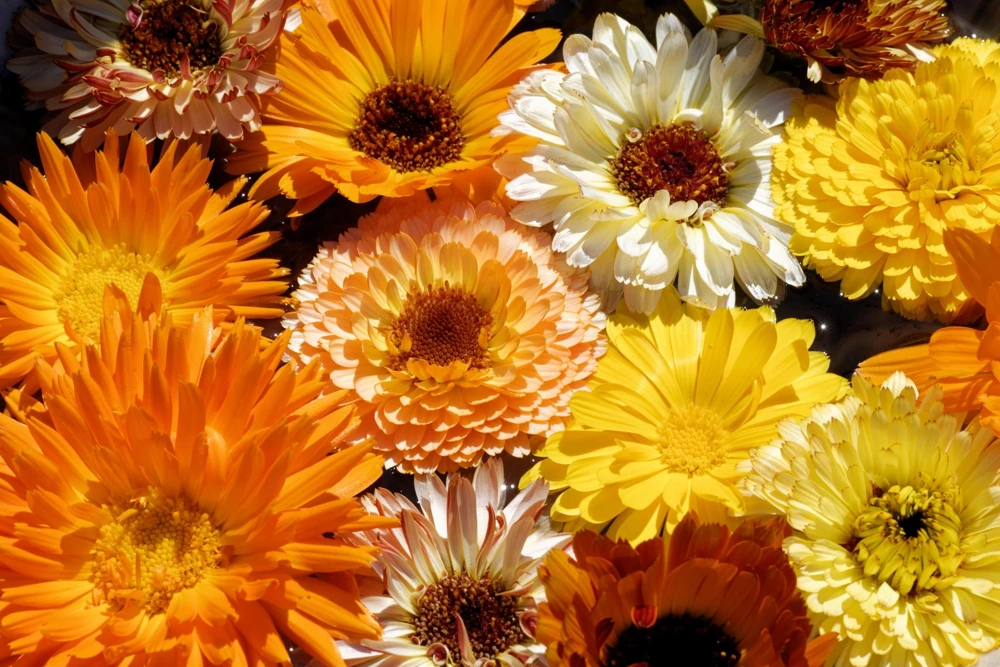
Marigold Fancy Mix Seeds – 500 Count – Orange, Yellow & Red Shades – Calendula Officinalis
Reviews
There are no reviews yet.