
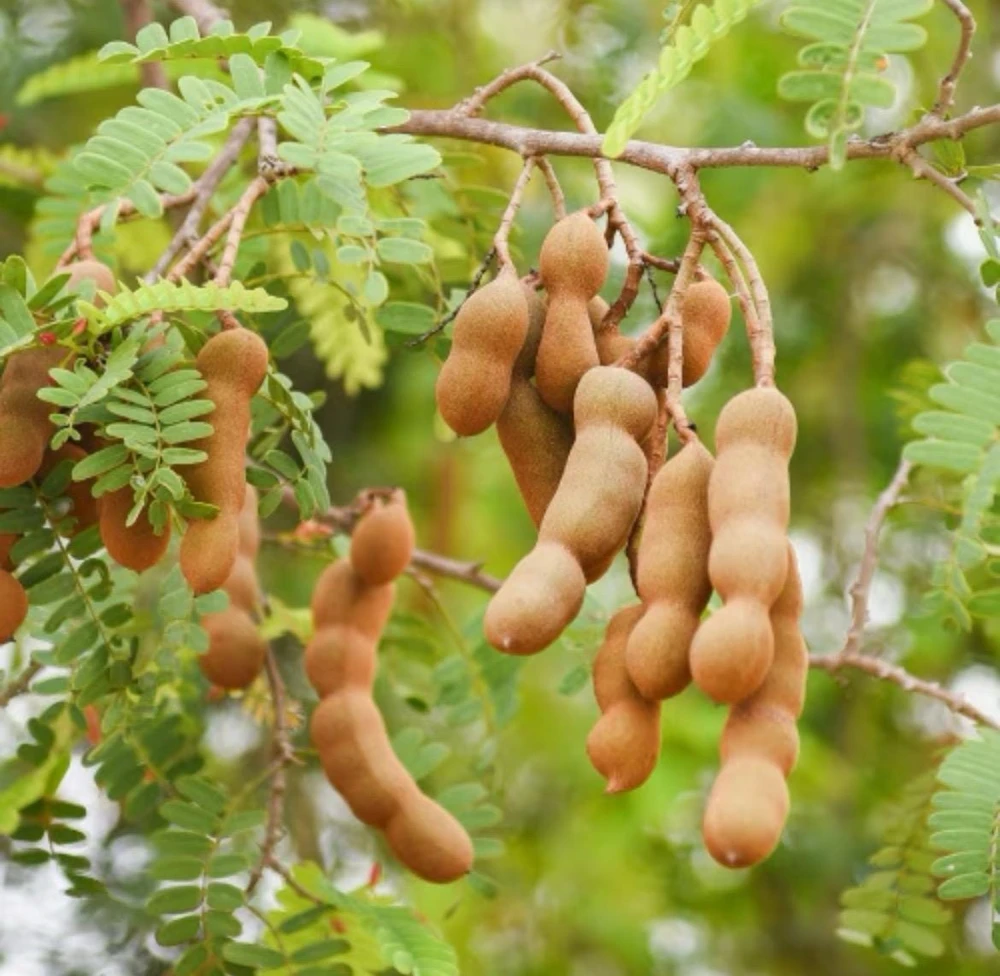
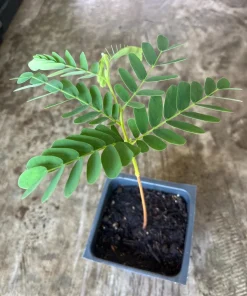
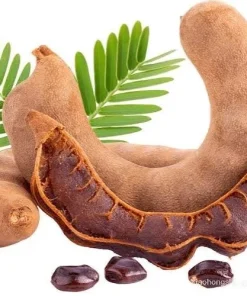
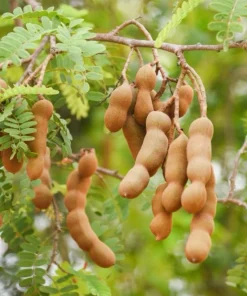
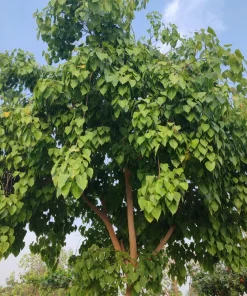
Tamarind Live Plant Seedling – 4 inch Pot – Edible Fruit & Spice Tree
Original price was: $53.99.$33.99Current price is: $33.99.
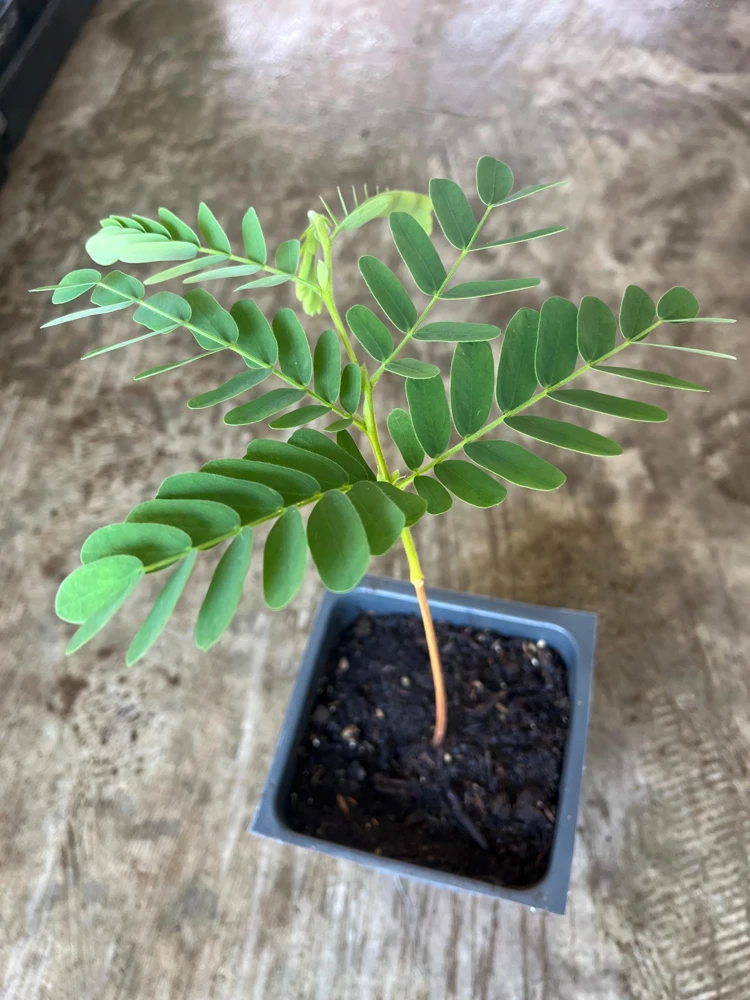
Cultivate your own delicious fruit with this tamarind live plant. Shipped in a 4-inch pot, this seedling is ready to establish in your garden or a larger container. Enjoy its tart, sweet fruit for culinary creations and its ornamental appeal.
Estimated arrival
Sep 29
Oct 04 - Oct 06
Oct 09 - Oct 13
Shop With Confidence
30-Day Plant Health Guarantee
Arrives damaged? We’ll replace it free — see our return policy.
Responsive Support
Email us anytime, we reply within 1 business day.
Expert Packaging
Temperature-controlled shipping to protect your plants in transit.
Secure Checkout
Pay safely with Visa, Mastercard, PayPal.
Plant Specifications
-
USDA Hardiness Zone
USDA zones 9-11 (or indoors) -
Soil Type
Well-draining sandy loam -
Sunlight Exposure
Full sun (6-8 hours direct light) -
Expected Planting Period
Year-round indoors; Spring to early summer outdoors
Overview
Bring the exotic taste of the tropics to your home with this vibrant tamarind live plant. This young seedling, shipped in a convenient 4-inch pot, offers the exciting opportunity to grow your own tamarind tree. Known scientifically as Tamarindus indica, the tamarind is a remarkable fruit tree celebrated for its tangy pods that are a staple in cuisines worldwide. This plant is a perfect addition for gardeners looking to cultivate unique edible plants, whether for its delicious fruit or its attractive foliage. It’s an ideal choice for those interested in sustainable gardening and enjoying fresh, home-grown produce.
The tamarind tree, often referred to as ‘Sour Bean’ or ‘Sour Plum,’ originates from Africa and thrives in warm climates. While it can reach significant heights in its native habitat, it can be successfully grown in containers in cooler zones, allowing you to move it indoors during colder months. Our tamarind live plant is carefully nurtured to ensure it arrives healthy and ready to flourish, providing you with the foundation for a productive and beautiful tree.
Key Benefits
Growing a tamarind live plant offers a multitude of benefits, from its culinary versatility to its potential health advantages and ornamental value. This unique edible plant is a rewarding addition to any garden or patio, providing both beauty and bounty.
- Culinary Delight: The primary benefit of growing your own tamarind is access to fresh, flavorful fruit. The tart pulp is indispensable in making sauces, chutneys, curries, stir-fries, and refreshing beverages.
- Nutritional Powerhouse: Tamarind fruit is rich in dietary fiber, vitamins B1, B2, B3, and E, as well as essential minerals like calcium, potassium, magnesium, and iron. It’s a healthy addition to any diet.
- Ornamental Appeal: Beyond its fruit, the tamarind tree boasts beautiful feathery foliage, making it an attractive specimen plant for your garden or as a patio container plant.
- Supports Health: Regular consumption of tamarind can contribute to strengthening bones, improving brain function, and supporting heart health due to its rich nutritional profile.
- Unique Gardening Experience: Cultivating an exotic fruit tree like the tamarind live plant provides a distinctive and educational gardening experience, allowing you to learn about tropical horticulture firsthand.
- Long-Term Storage: Harvested tamarind pods can be stored for extended periods, either in the refrigerator for months or frozen for several years, ensuring you have a supply for future culinary adventures.
Plant Care & Growing Tips
Caring for your tamarind live plant is a rewarding process that ensures a healthy, productive tree. Tamarinds prefer warm, sunny conditions, mimicking their tropical origins. For optimal growth, provide at least 6-8 hours of direct sunlight daily. If growing indoors, place it near a south-facing window or use a grow light. Ensure good air circulation, especially when grown in humid environments, to prevent fungal issues. This plant thrives in USDA zones 9-11 outdoors, but can be grown in containers and moved indoors in colder regions.
The ideal soil for a tamarind live plant is well-draining, sandy loam with a slightly acidic to neutral pH. When potting, use a high-quality potting mix amended with perlite or sand to improve drainage. Water thoroughly when the top inch of soil feels dry, but avoid overwatering, which can lead to root rot. Allow the soil to dry out slightly between waterings. Fertilize every 2-3 months during the growing season (spring to fall) with a balanced, slow-release fertilizer. Reduce watering and cease fertilization during winter dormancy.
Pruning can help maintain a desirable shape and size, especially for container-grown plants. Remove any dead or crossing branches to promote healthy growth and air circulation. While generally resilient, keep an eye out for common pests like aphids or spider mites, and treat with organic insecticidal soap if necessary. With proper care, your how to grow tamarind efforts will be successful, leading to a thriving and fruitful tree.
Size & Details
This offering is for one tamarind live plant, which is a young seedling supplied in a 4-inch nursery pot. At this stage, the plant is typically 6-12 inches tall, with established roots, ready for transplanting into a larger container or directly into the ground in appropriate climates. Tamarind trees are known for their moderate to fast growth rate, and with proper care, your seedling will develop into a robust plant. While mature trees can reach heights of 60 feet or more, container growing can keep them to a more manageable size for home gardens.
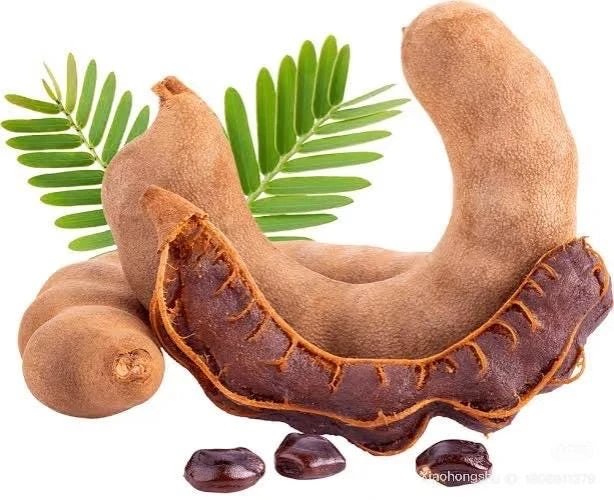
The plant will arrive carefully packaged to ensure its health during transit. Upon arrival, we recommend promptly repotting it into a larger container (e.g., a 1-gallon pot) or into its permanent outdoor location. With consistent care, you can expect your edible tamarind tree to begin producing fruit within 3-7 years, depending on growing conditions. The fruit, known as ‘Sour Pod’ or ‘Yasen Fruit,’ typically ripens during the March-April harvest season, offering a delightful tart flavor with a hint of sweetness.
Frequently Asked Questions
- Q: How big does this plant get? A: This tamarind live plant is a seedling in a 4-inch pot. While a mature tree can grow very large, you can manage its size through pruning or by growing it in a container, especially if you need to bring it indoors for winter.
- Q: What size pot does it come in? A: The tamarind live plant is shipped in a 4-inch nursery pot, perfectly sized for a young seedling and ready for transplanting upon arrival.
- Q: Is this an indoor or outdoor plant? A: Tamarind trees thrive outdoors in USDA zones 9-11. In cooler climates, they can be grown as container plants and moved indoors during colder months.
- Q: How much sunlight does it need? A: This tamarind live plant requires full sun, meaning at least 6-8 hours of direct sunlight per day, for optimal growth and fruit production.
- Q: Is this plant easy to care for? A: Tamarind plants are relatively easy to care for once established, provided they receive adequate sunlight, proper watering, and well-draining soil. They are suitable for intermediate gardeners.
- Q: What condition will it arrive in? A: Your sour plum plant will arrive as a healthy, live seedling, carefully packaged to minimize stress during shipping. We recommend unpacking and tending to it promptly.
- Q: Can I use tamarind fruit in cooking? A: Absolutely! Tamarind fruit is highly valued in cooking for its distinctive tart flavor. It’s used in sauces, curries, drinks, and desserts across many cuisines.
- Q: How long until it produces fruit? A: With good care, your tamarind live plant can start producing fruit within 3-7 years from seedling stage, though this can vary based on growing conditions.
- Q: What’s the minimum temperature this plant can tolerate? A: Tamarind trees are sensitive to frost. They prefer temperatures above 50°F (10°C) and should be protected or moved indoors when temperatures drop below this.
- Q: What kind of soil does it prefer? A: The tamarind live plant thrives in well-draining, sandy loam soil with a slightly acidic to neutral pH. Good drainage is crucial to prevent root issues.
Be the first to review “Tamarind Live Plant Seedling – 4 inch Pot – Edible Fruit & Spice Tree”
People Also Viewed
Flower Seeds
Shrubs
Autumnale Fuchsia Live Plants – Set of 2, 5″ Pots, 10-14″ Tall, Red-Gold Foliage, Outdoor Shrub
Uncategorized
Reviews
There are no reviews yet.