
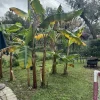
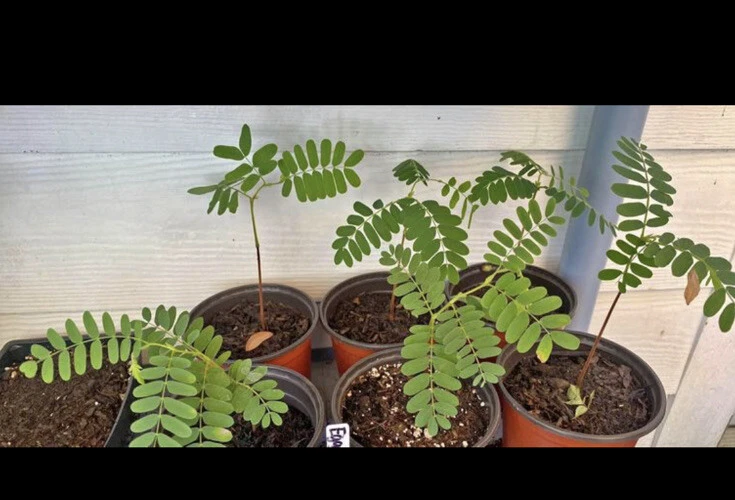
Organic Tamarind Tree Live Plant – In Pot – Grow Your Own Tamarind
Original price was: $75.99.$55.99Current price is: $55.99.
Cultivate your own delicious fruit with an organic tamarind tree. This tamarind tree live plant is potted and ready to thrive, bringing a taste of the tropics to your home or garden. Ideal for those seeking unique edible plants.
Estimated arrival
Oct 27
Nov 01 - Nov 03
Nov 06 - Nov 10
Shop With Confidence
30-Day Plant Health Guarantee
Arrives damaged? We’ll replace it free — see our return policy.
Responsive Support
Email us anytime, we reply within 1 business day.
Expert Packaging
Temperature-controlled shipping to protect your plants in transit.
Secure Checkout
Pay safely with Visa, Mastercard, PayPal.
Plant Specifications
-
USDA Hardiness Zone
USDA zones 9-11 (outdoors), suitable for indoor container growing in all zones -
Soil Type
Well-draining sandy loam -
Sunlight Exposure
Full sun (6-8+ hours direct light) -
Expected Planting Period
Year-round indoors; spring to early summer outdoors
Overview
Bring the exotic flavor of the tropics directly to your home with this beautiful tamarind tree live plant. Known botanically as Tamarindus indica, the tamarind tree is a long-lived, medium-growth tree that produces pod-like fruit containing a sweet and sour pulp. This particular offering is an organic tamarind plant, ensuring you receive a healthy specimen grown without synthetic pesticides or fertilizers. Perfect for edible landscaping, a patio accent, or even as a unique houseplant in colder climates, this tamarind tree live plant promises both aesthetic appeal and a delicious harvest. Imagine harvesting your own fresh tamarind for culinary creations, from refreshing drinks to savory sauces. With its graceful foliage and eventual fruit production, this plant is a rewarding addition for any gardening enthusiast.
The organic tamarind plant is a versatile and resilient species, capable of adapting to various growing conditions with proper care. Its dense, feathery leaves provide a lush, tropical look, while the distinctive fruit pods develop after the tree matures. Starting with a healthy, potted specimen like this ensures a strong foundation for your future tamarind harvests. Whether you’re a seasoned gardener or new to growing fruit trees, the tamarind tree live plant offers an exciting and flavorful journey.
Key Benefits
Growing your own tamarind tree live plant offers a multitude of benefits, from the joy of fresh produce to enhancing your garden’s biodiversity. This organic tamarind plant is not just a source of food but also a beautiful ornamental tree. Here are some of the key advantages:
- Fresh, Organic Fruit: Enjoy the unique sweet and sour taste of fresh tamarind pods directly from your own organic tamarind plant, free from commercial chemicals. The pulp is a staple in many global cuisines.
- Tropical Aesthetic: The tamarind tree’s delicate, fern-like leaves and spreading canopy create a stunning tropical focal point in your garden, patio, or even as a large indoor specimen.
- Culinary Versatility: The fruit pulp can be used in a wide array of dishes, including chutneys, curries, sauces, desserts, and refreshing beverages, adding a distinctive tangy flavor.
- Shade and Shelter: As it matures, a tamarind tree live plant can provide excellent shade, making it a valuable addition to outdoor spaces, especially in warmer climates.
- Low Maintenance: Once established, the tamarind fruit tree is relatively drought-tolerant and requires minimal fuss, making it suitable for busy gardeners.
- Long-Lived Specimen: Tamarind trees are known for their longevity, often living for many decades, providing years of beauty and bountiful harvests.
- Educational Experience: Growing a tropical fruit tree from a young plant can be an enriching experience, allowing you to learn about its life cycle and care requirements firsthand.
Plant Care & Growing Tips
Caring for your tamarind tree live plant is relatively straightforward, especially if you provide the right conditions from the start. Tamarind trees thrive in warm, sunny environments, typically found in tropical and subtropical regions. They prefer full sun exposure, meaning at least 6-8 hours of direct sunlight per day. If growing indoors, place your organic tamarind plant near a south-facing window or supplement with a grow light to ensure it receives adequate light.
When it comes to watering, the growing tamarind tree prefers consistently moist soil, especially when young, but it is crucial to avoid waterlogging. Allow the top inch or two of soil to dry out between waterings. Once established, tamarind trees become quite drought-tolerant. Well-draining soil is paramount to prevent root rot. A sandy loam mix with good organic content is ideal. You can use a general-purpose, balanced fertilizer during the growing season (spring and summer), reducing frequency in fall and winter. For best results with your tamarind fruit tree, ensure good air circulation around the plant to deter fungal issues.
Tamarind trees are sensitive to cold and frost. If you live in a region where temperatures drop below 40°F (4°C), it’s best to grow your tamarind tree live plant in a container so it can be moved indoors during colder months. Pruning should be done to maintain shape, remove dead or diseased branches, and encourage fruit production. Regular monitoring for pests like aphids or scale is also important, though tamarind trees are generally quite hardy. Following these tamarind plant care guidelines will help ensure your tree flourishes and produces abundant fruit.
Size & Details
This tamarind tree live plant is provided in a healthy, established pot, ready for transplanting or continued growth in its current container. Exact dimensions may vary, but you can expect a young, vigorous plant typically ranging from 8 to 18 inches in height. The plant is grown organically, ensuring a robust start without the use of harsh chemicals. While it will begin as a compact plant, a growing tamarind tree can eventually reach significant sizes in ideal outdoor conditions, potentially up to 20-30 feet tall, developing a wide canopy. Growth rate is moderate, allowing you to enjoy its development over time.
The plant is shipped as a potted specimen, with its root ball intact within a nursery container to minimize transplant shock and ensure a smooth transition to its new home. Fruit production typically begins when the tamarind fruit tree is around 5-7 years old, though this can vary based on growing conditions and care. This young plant is an excellent starting point for cultivating your own long-term organic tamarind plant, promising years of growth and eventual harvests.
Frequently Asked Questions
- Q: How big does this plant get? A: This tamarind tree live plant is shipped as a young specimen, typically 8-18 inches tall. In ideal outdoor conditions, mature tamarind trees can grow 20-30 feet tall with a wide canopy, but they can be kept smaller in containers.
- Q: Is this an indoor or outdoor plant? A: Tamarind trees thrive outdoors in USDA zones 9-11. In colder climates, they should be grown in containers and brought indoors when temperatures drop below 40°F (4°C) to protect the organic tamarind plant from frost.
- Q: How much sunlight does it need? A: The tamarind fruit tree requires full sun, meaning at least 6-8 hours of direct sunlight daily for optimal growth and fruit production. Provide ample light even if growing indoors.
- Q: Is this plant easy to care for? A: Yes, once established, tamarind trees are relatively low-maintenance and drought-tolerant. Providing consistent warmth, sunlight, and well-draining soil are key aspects of tamarind plant care.
- Q: What condition will it arrive in? A: Your tamarind tree live plant will arrive potted with its root ball intact, carefully packaged to ensure it reaches you in healthy condition, ready for continued growth.
- Q: Can I use the fruit for cooking? A: Absolutely! The pulp of the tamarind fruit is highly valued in many cuisines for its distinct sweet and sour flavor, used in everything from curries and sauces to beverages and desserts.
- Q: When is the best time to plant a tamarind tree? A: If planting outdoors, spring or early summer is ideal, allowing the growing tamarind tree to establish itself before cooler weather. Indoor planting can be done year-round.
- Q: What’s the minimum temperature this plant can tolerate? A: Tamarind trees are tropical and cannot tolerate frost. They should be protected if temperatures consistently fall below 40°F (4°C).
- Q: How long until it produces fruit? A: A tamarind tree live plant typically begins producing fruit when it is around 5-7 years old, though this can vary depending on growing conditions and care.
- Q: Is this tamarind tree really organic? A: Yes, this is an organic tamarind plant, cultivated without the use of synthetic pesticides, herbicides, or fertilizers, ensuring a natural and healthy product.
Be the first to review “Organic Tamarind Tree Live Plant – In Pot – Grow Your Own Tamarind”
People Also Viewed
Vegetables
2 Mix Live Pepper Plants for Garden or Container Growing, 3-6 Inch Tall Vegetable Starters
Reviews
There are no reviews yet.