
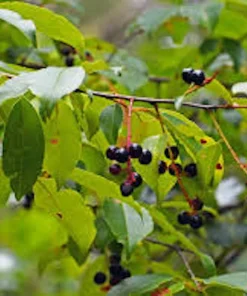
Black Cherry Tree Prunus serotina Live Plant 12-24in Tall Quart Pot Outdoor
Original price was: $132.99.$107.99Current price is: $107.99.
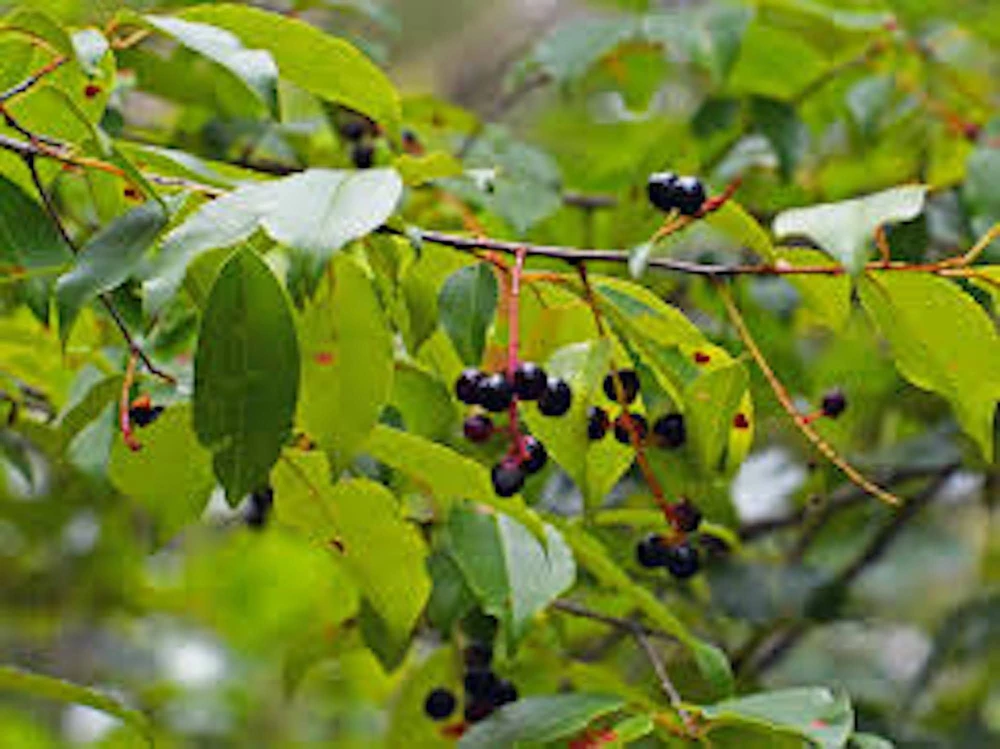
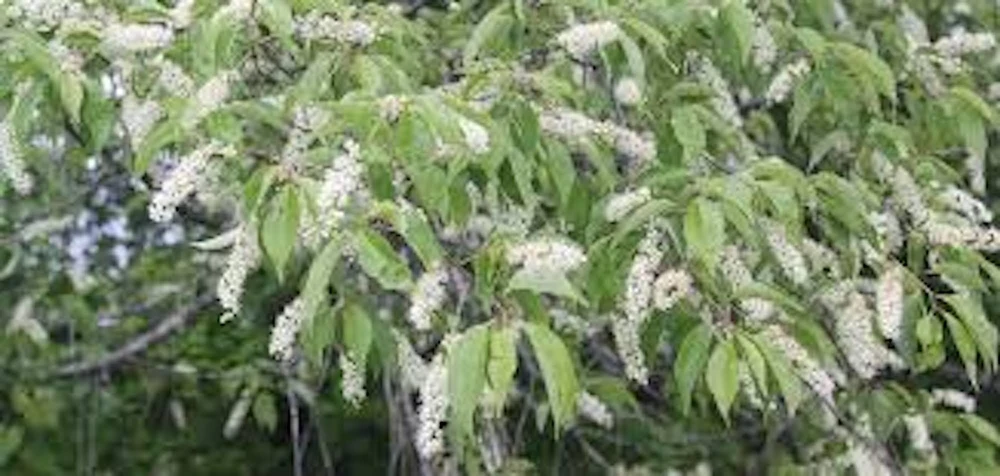
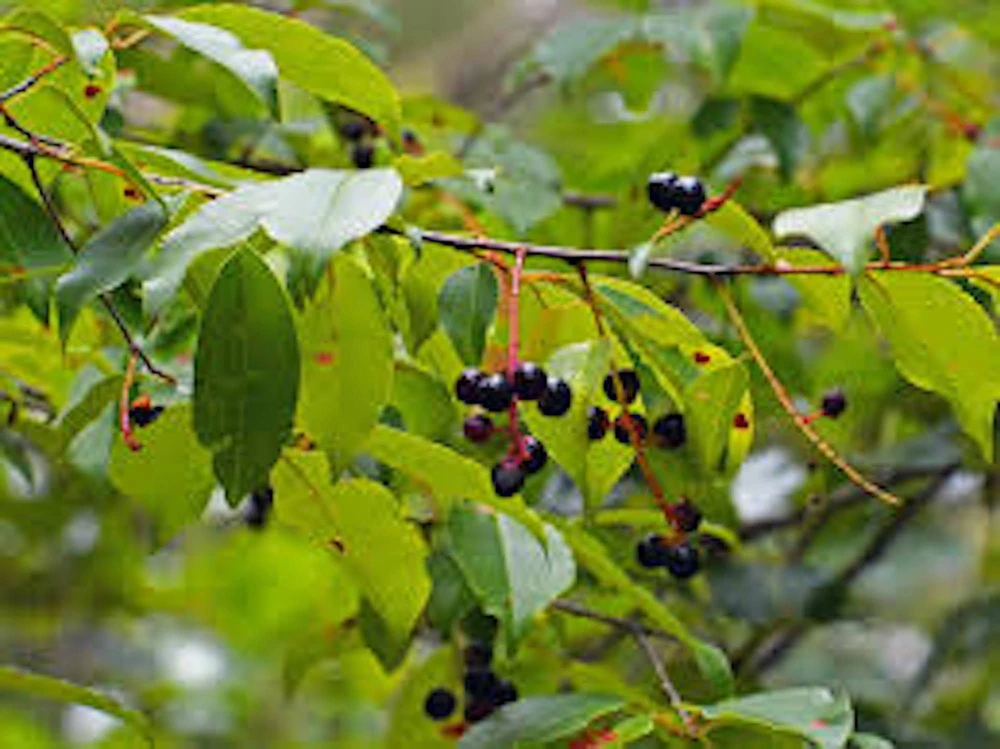
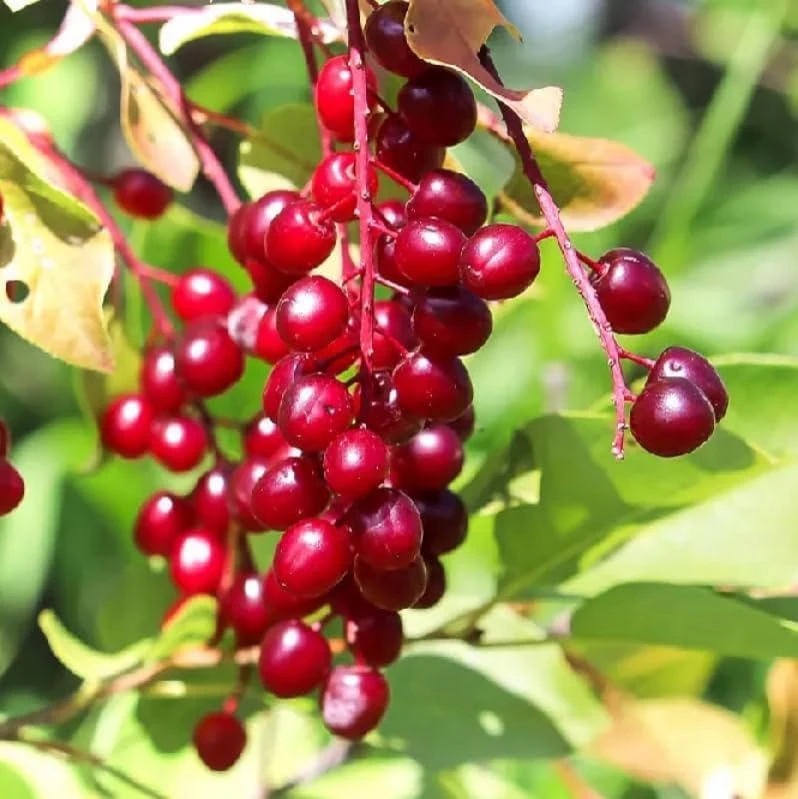
Bring the beauty of a black cherry tree to your landscape! This Prunus serotina live plant, measuring 12-24 inches tall and grown in a quart pot, is perfect for outdoor planting. Enjoy its vibrant white spring blooms, delicious black cherries, and distinctive bark, making it a wonderful addition for shade and wildlife.
Estimated arrival
Sep 29
Oct 04 - Oct 06
Oct 09 - Oct 13
Shop With Confidence
30-Day Plant Health Guarantee
Arrives damaged? We’ll replace it free — see our return policy.
Responsive Support
Email us anytime, we reply within 1 business day.
Expert Packaging
Temperature-controlled shipping to protect your plants in transit.
Secure Checkout
Pay safely with Visa, Mastercard, PayPal.
Plant Specifications
-
USDA Hardiness Zone
3-9 -
Soil Type
Well-draining soil -
Sunlight Exposure
Full sun to partial shade -
Expected Planting Period
Spring or Fall
Overview
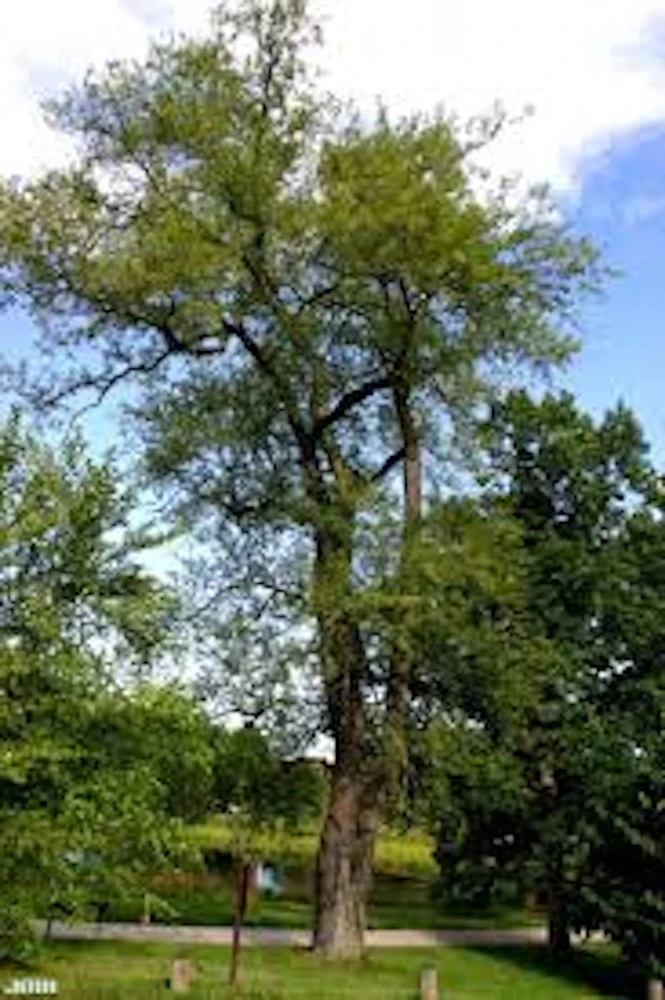
Cultivate the majestic black cherry tree (Prunus serotina) in your garden. This Prunus serotina live plant is a North American native, celebrated for its ornamental appeal, valuable timber, and edible fruit. Growing 12-24 inches tall in a quart pot, this young tree is ready to establish itself in your outdoor space. Known for its brilliant white flowers in spring, followed by clusters of dark black cherries that ripen in late summer, the black cherry tree also features distinctive bark that darkens and becomes scaly with age. It’s a robust and adaptable species, flourishing across a wide range of climates and providing ecological benefits as a food source for wildlife.
Choosing a black cherry tree means investing in a piece of natural heritage. Its rapid growth and resilience make it a popular choice for reforestation efforts and landscape design. Beyond its aesthetic qualities, the Prunus serotina contributes to local ecosystems by providing sustenance for various bird species and other wildlife, while its wood is highly prized in cabinetry and furniture making. This particular offering provides a healthy, well-started specimen, ensuring a strong foundation for future growth and enjoyment.
Key Benefits
The black cherry tree offers a multitude of benefits for any garden or landscape. From its ecological contributions to its visual appeal, it’s a versatile and rewarding plant to grow. Enjoy the seasonal changes and natural beauty this native tree brings to your outdoor environment.
- Beautiful Seasonal Interest: Experience stunning white flower clusters in spring, followed by lush green foliage in summer, and attractive fall color, providing year-round visual appeal. The distinctive bark adds character even in winter.
- Edible Fruit Production: Produce your own delicious, dark black cherries in late summer. These tart fruits are excellent for pies, jams, jellies, or simply enjoyed fresh, contributing to your home garden’s bounty.
- Wildlife Attraction: The flowers provide nectar for pollinators, and the cherries are a vital food source for numerous bird species and other wildlife, enhancing biodiversity in your yard.
- Valuable Timber Source: As the tree matures, its wood becomes a highly sought-after material for fine furniture, cabinetry, and flooring, making it a long-term investment in your property.
- Adaptable & Resilient: The Prunus serotina live plant is known for its hardiness, thriving in a wide range of soil conditions and tolerating various environmental stresses, making it relatively easy to grow.
- Shade & Landscape Value: Once established, it provides excellent shade, contributing to cooler outdoor spaces and reducing energy costs for nearby structures. Its natural form adds a touch of wild elegance to any landscape.
- Native Plant Benefits: Being a native fruit tree, it supports local ecosystems, requires less water and fertilizer once established, and is generally more resistant to local pests and diseases.
Plant Care & Growing Tips
Caring for your black cherry tree is straightforward, especially given its natural resilience. This Prunus serotina live plant prefers a location with full sun, meaning at least 6 hours of direct sunlight per day, for optimal growth and fruit production. While it can tolerate some partial shade, too much shade will reduce flowering and fruiting. Choose a site with well-draining soil, as cherry trees do not like wet feet. They are adaptable to various soil types, including sandy, loamy, and clay soils, as long as drainage is adequate. A slightly acidic to neutral pH (6.0-7.0) is ideal.
When planting, dig a hole twice as wide as the root ball and just as deep. Place the tree so the top of the root ball is level with the ground. Backfill with soil, gently tamping to remove air pockets, and water thoroughly. Young trees require consistent watering, especially during dry spells, to help establish a strong root system. Once mature, black cherry trees are relatively drought-tolerant. Fertilize sparingly in the spring with a balanced, slow-release fertilizer if soil nutrients are lacking. Pruning should focus on removing dead, damaged, or crossing branches to maintain a healthy structure and good air circulation. Monitor for common cherry tree pests and diseases, and address them promptly to ensure the health of your black cherry tree care routine.
For best results with your native fruit tree, consider its hardiness. The black cherry tree thrives in USDA Hardiness Zones 3-9, indicating its ability to withstand a broad range of winter temperatures. Protection from strong winds in its early years can also be beneficial. With proper care, your Prunus serotina will grow into a robust and productive tree, providing years of beauty and delicious fruit.
Size & Details
This offering includes one black cherry tree, a Prunus serotina live plant, that is currently 12-24 inches in height. It is grown and shipped in a quart-sized pot, providing a well-established root system for successful transplantation. These young trees exhibit a moderate to fast growth rate, typically adding 1-2 feet of height per year under ideal conditions. Expect a mature height of 50-80 feet with a spread of 30-50 feet, forming a broad, rounded canopy that provides ample shade and aesthetic appeal.
The tree will arrive as a healthy, actively growing specimen, carefully packaged to ensure its safe journey to your home. It’s ready for planting upon arrival, ideally in spring or fall, to allow roots to establish before extreme weather. The first fruit production can typically be expected within 5-10 years of planting, with increasing yields as the tree matures. This edible landscaping choice offers both immediate visual interest and long-term benefits for your property.
Frequently Asked Questions
- Q: How big does this black cherry tree get? A: This black cherry tree is currently 12-24 inches tall. When mature, it can reach heights of 50-80 feet with a spread of 30-50 feet, forming a large, impressive canopy.
- Q: What size pot does it come in? A: The Prunus serotina live plant is shipped in a quart-sized nursery pot, providing a healthy root system ready for planting in your garden.
- Q: Is this an indoor or outdoor plant? A: The black cherry tree is an outdoor tree that requires ample space to grow and thrive. It is not suitable for indoor cultivation.
- Q: How much sunlight does it need? A: This tree prefers full sun, meaning at least 6 hours of direct sunlight per day, for optimal growth and fruit production. It can tolerate some partial shade.
- Q: Is this plant easy to care for? A: Yes, the black cherry tree is relatively easy to care for once established. It’s known for its adaptability and resilience, making black cherry tree care manageable for most gardeners.
- Q: What condition will it arrive in? A: Your tree will arrive as a healthy, actively growing plant with its roots intact in the quart pot, carefully packaged to minimize stress during transit.
- Q: Can I use the black cherries for cooking? A: Absolutely! The black cherries produced by this native fruit tree are excellent for making pies, jams, jellies, and other culinary delights.
- Q: When is the best time to plant a black cherry tree? A: The ideal times to plant a black cherry tree are in the spring after the last frost or in the fall before the first hard freeze.
- Q: Will it survive winter in my zone? A: The black cherry tree is hardy in USDA Zones 3-9, meaning it can withstand a wide range of winter temperatures typical of those zones.
- Q: Is this a good choice for edible landscaping? A: Yes, as a edible landscaping choice, the black cherry tree offers both beautiful aesthetics and delicious fruit, making it a dual-purpose addition to your yard.
Be the first to review “Black Cherry Tree Prunus serotina Live Plant 12-24in Tall Quart Pot Outdoor”
People Also Viewed
Vegetable Seeds
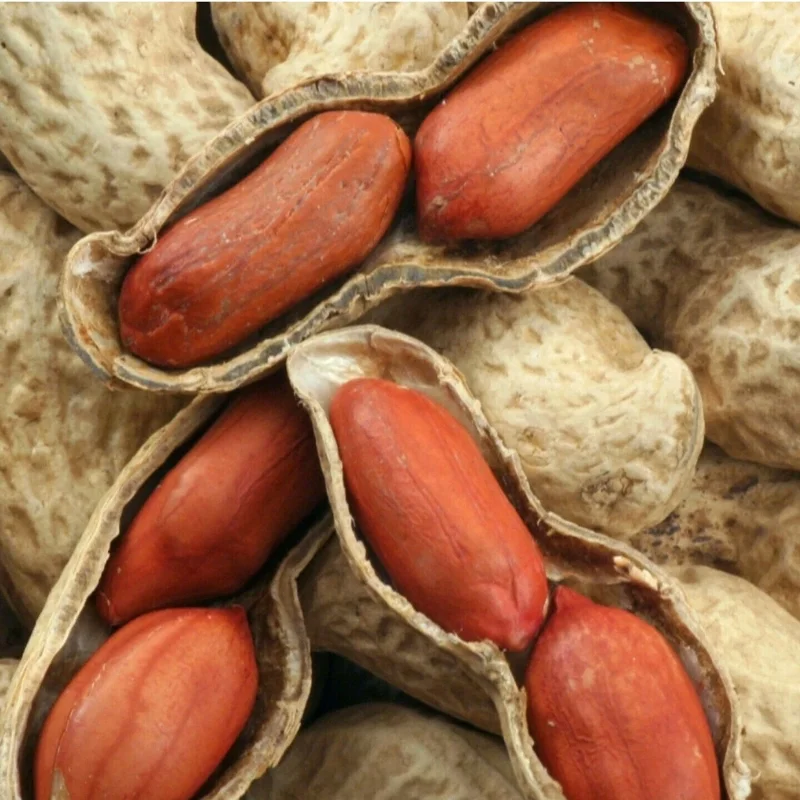
85g Jumbo Bailey Virginia Peanut Seeds for Planting – Organic, Non-GMO Vegetable Seeds
Aquatic Plant Seeds
Edible Lotus Seeds Mix – Grow Your Own Aquatic Plants – 5 Seeds for Pond & Container
Reviews
There are no reviews yet.