
100 Rocky Mountain Bee Plant Seeds – Cleome Serrulata Flower Seeds
Original price was: $37.99.$17.99Current price is: $17.99.
Cultivate a vibrant, pollinator-friendly garden with 100 Rocky Mountain Bee Plant seeds. These beautiful Cleome Serrulata flowers are known for their striking appearance and ability to attract bees and other beneficial insects, making them an excellent choice for a pollinator garden seeds collection.
Estimated arrival
Sep 20
Sep 25 - Sep 27
Sep 30 - Oct 04
Shop With Confidence
30-Day Plant Health Guarantee
Arrives damaged? We’ll replace it free — see our return policy.
Responsive Support
Email us anytime, we reply within 1 business day.
Expert Packaging
Temperature-controlled shipping to protect your plants in transit.
Secure Checkout
Pay safely with Visa, Mastercard, PayPal.
Plant Specifications
-
USDA Hardiness Zone
Annual in most zones (self-seeds) -
Soil Type
Well-draining, sandy or loamy soil -
Sunlight Exposure
Full sun -
Expected Planting Period
Spring after last frost
Overview
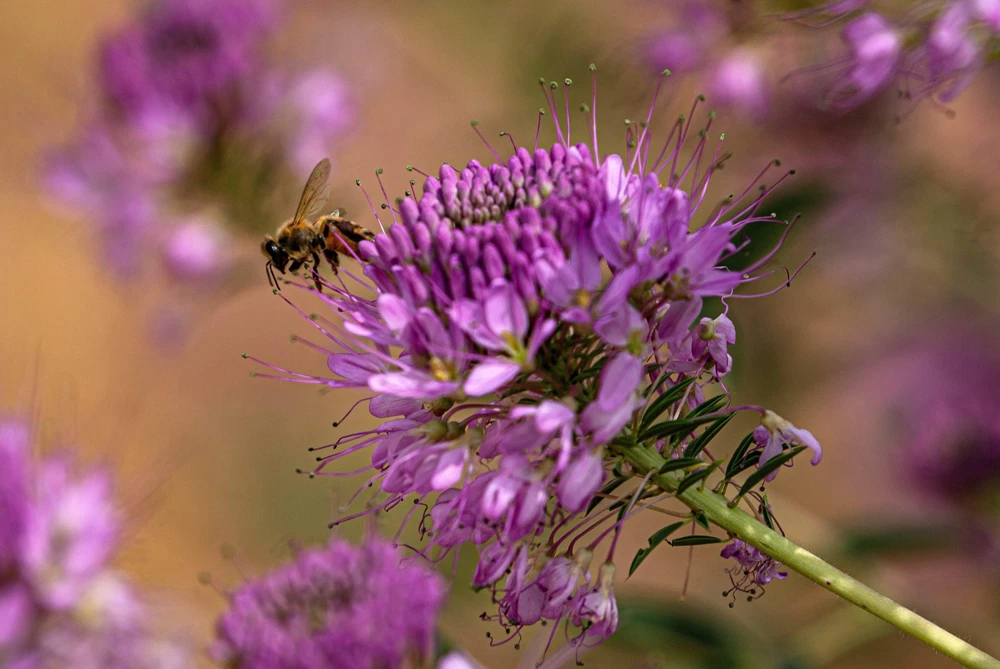
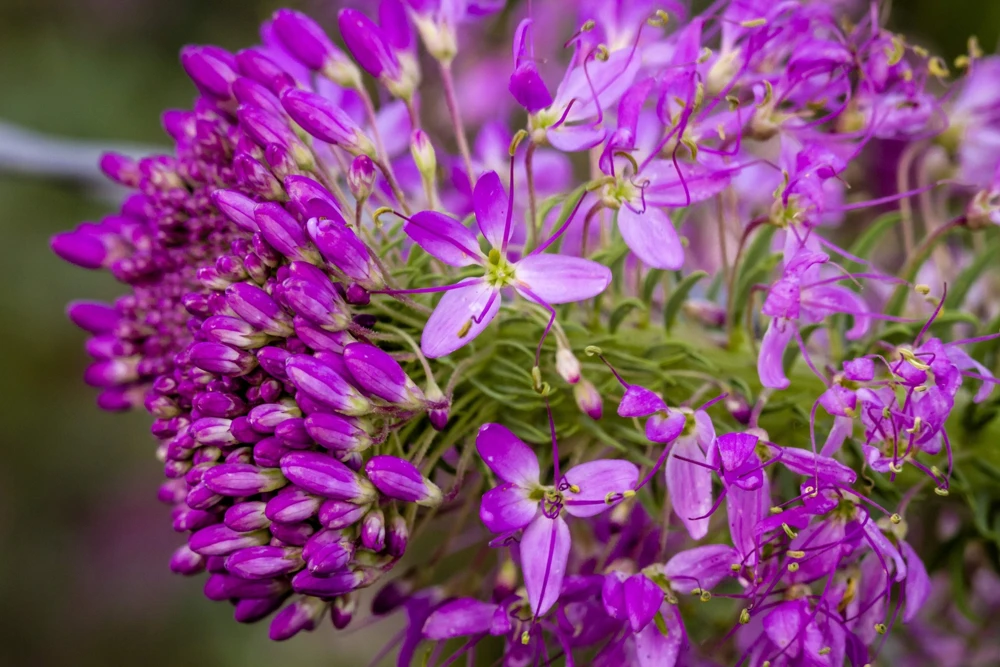
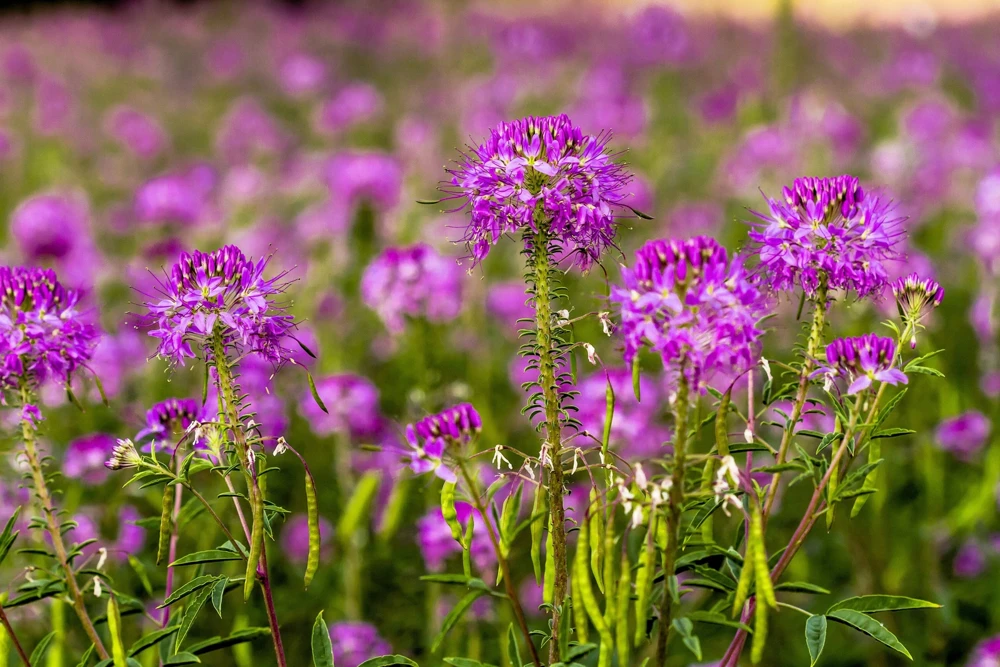
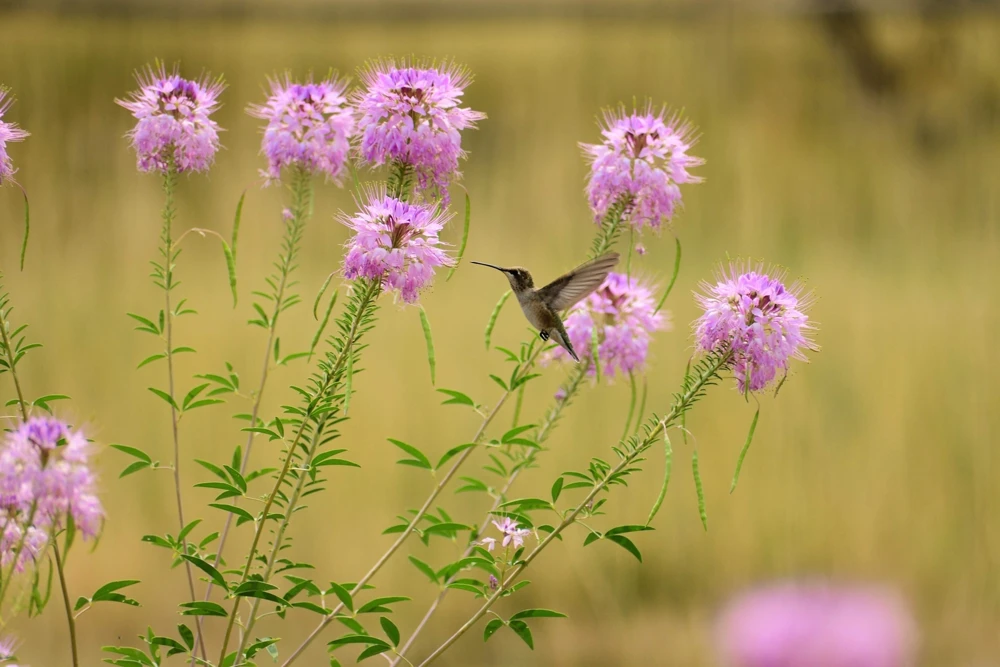
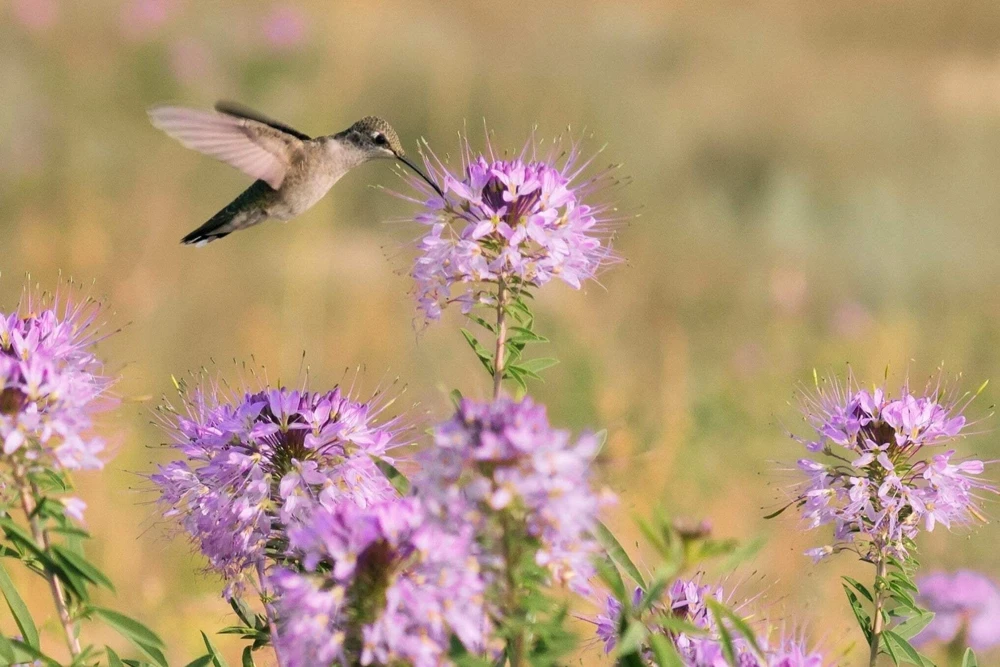
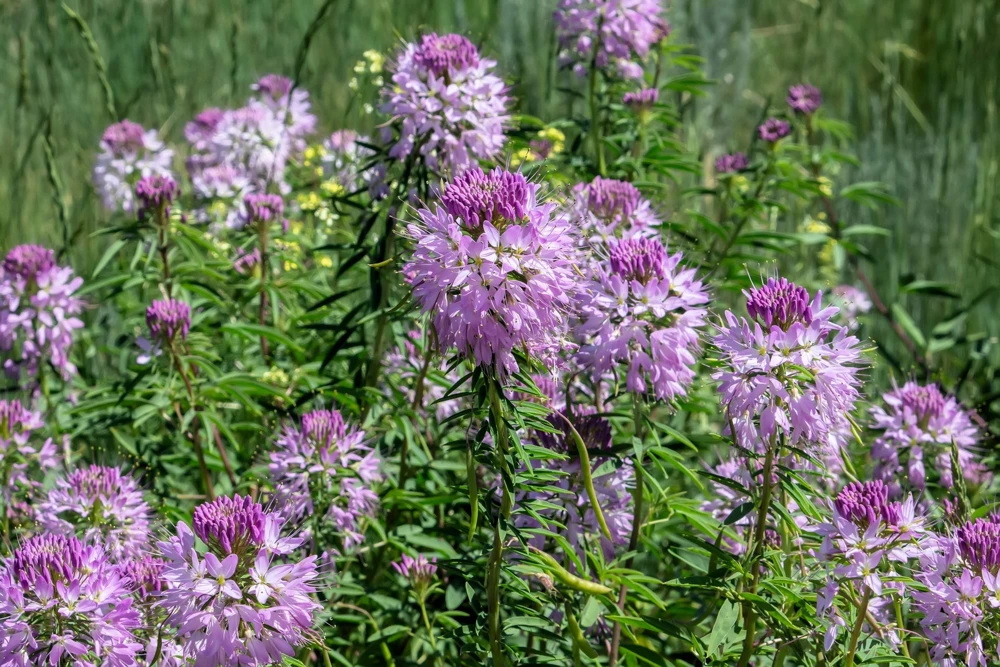
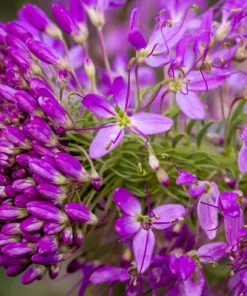
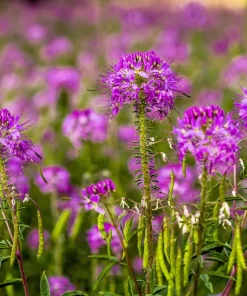
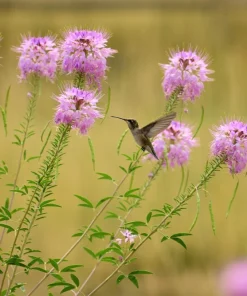
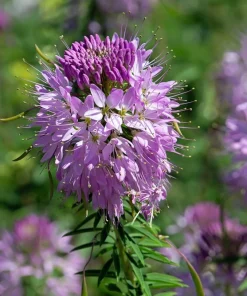
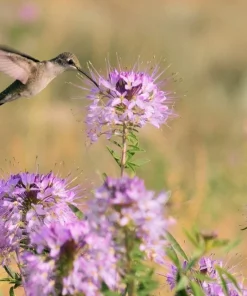
Transform your garden into a buzzing haven with our premium selection of Rocky Mountain Bee Plant seeds. Each packet contains 100 high-quality seeds of Cleome serrulata, commonly known as the Rocky Mountain Bee Plant or Spider Flower. This stunning native wildflower is cherished for its tall, airy spikes adorned with delicate pink to purple blooms, offering an elegant vertical accent to any landscape. Beyond its aesthetic appeal, the Cleome Serrulata flowers are a magnet for local pollinators, including various bee species, butterflies, and hummingbirds, making them an essential addition for those looking to support local ecosystems and create a thriving pollinator garden seeds display. Easy to grow and remarkably resilient, these seeds promise a rewarding gardening experience for both novice and experienced gardeners alike.
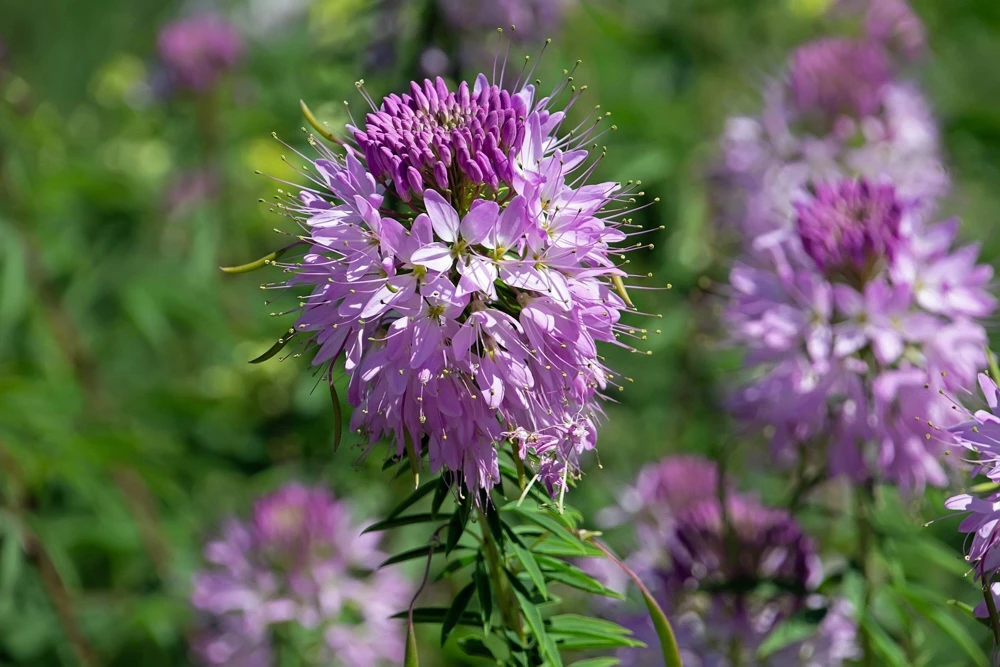
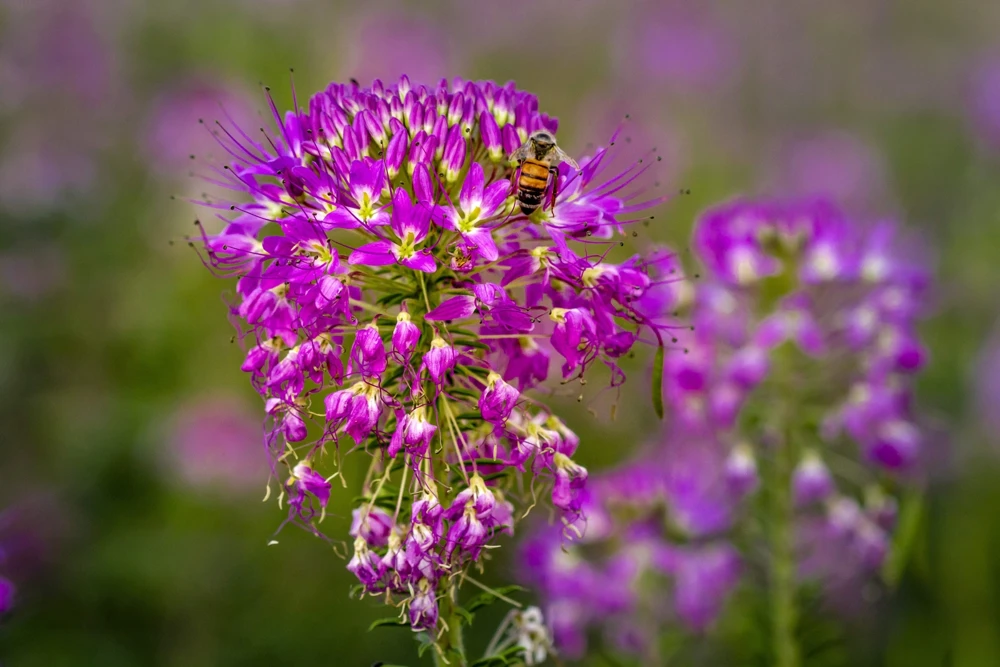
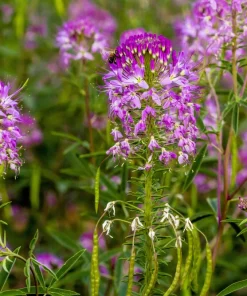
Originating from the western United States, the Rocky Mountain Bee Plant is well-adapted to a variety of conditions, thriving in full sun and well-drained soils. Its distinctive long stamens give the flowers a ‘spider-like’ appearance, adding a unique texture to your garden beds. By choosing these native wildflower seeds, you’re not only enhancing your garden’s beauty but also contributing to the biodiversity of your region. The robust nature of these plants means they require minimal care once established, providing a spectacular show of blooms throughout the summer and into the fall. Embrace the natural beauty and ecological benefits that the Rocky Mountain Bee Plant brings to your outdoor space.
Key Benefits
Adding Rocky Mountain Bee Plant seeds to your garden provides numerous advantages, from enhancing visual appeal to supporting local wildlife. These versatile plants are a fantastic choice for anyone looking to create an impactful and eco-friendly garden.
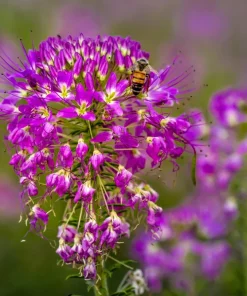
- Attracts Pollinators: The vibrant Cleome Serrulata flowers are incredibly attractive to bees, butterflies, and hummingbirds, making your garden a vital food source and a lively ecosystem. Planting these seeds directly contributes to pollinator conservation efforts.
- Low Maintenance: Once established, the Rocky Mountain Bee Plant is remarkably drought-tolerant and requires minimal care. This makes it an ideal choice for gardeners seeking beautiful blooms without extensive upkeep, allowing you more time to enjoy your garden.
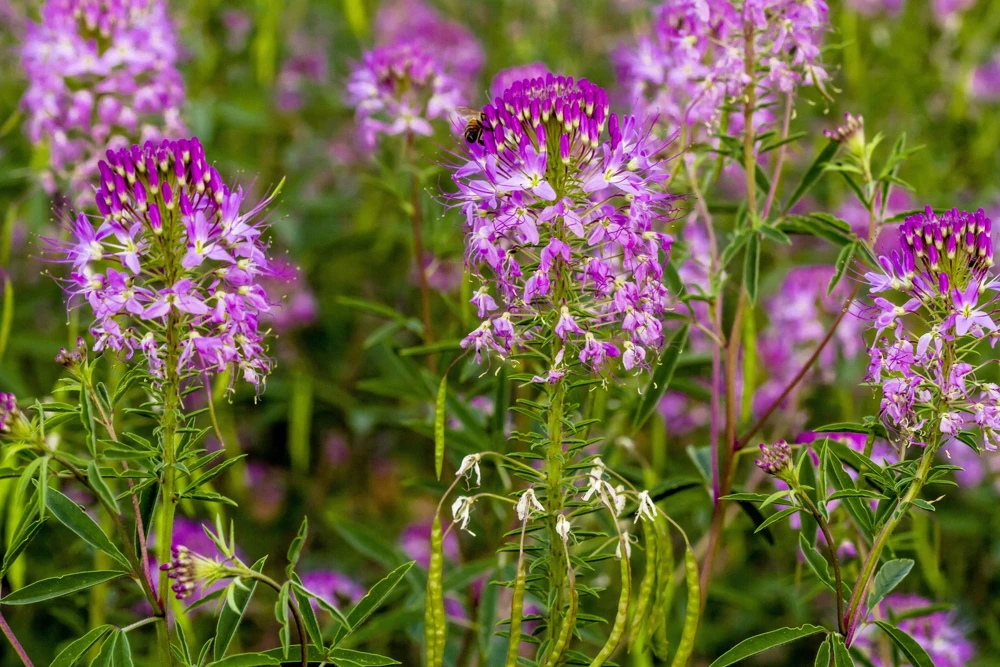
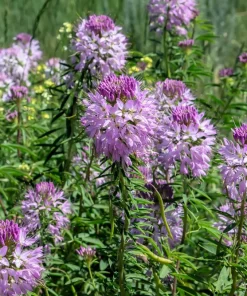
- Striking Visual Appeal: With their tall, graceful stems and clusters of pink to purple flowers, these plants add significant vertical interest and a touch of wild elegance to garden beds, borders, and naturalized areas. They create a soft, airy effect that complements other garden plants beautifully.
- Deer and Rabbit Resistant: The Rocky Mountain Bee Plant is generally not favored by deer and rabbits, offering a natural solution for gardeners in areas where these animals are a concern. This feature ensures your beautiful pollinator garden seeds investment remains undisturbed.
- Adaptable & Resilient: These native wildflower seeds are well-suited to a range of soil types and can thrive in full sun, making them a versatile choice for various garden conditions. Their resilience ensures a successful bloom even in challenging environments.
- Long Blooming Season: Enjoy continuous blooms from summer through fall, providing extended color and a sustained food source for pollinators. This extended flowering period ensures your garden remains vibrant and active for months.
- Supports Biodiversity: By planting a native species like Cleome serrulata, you help support local insect populations and birds, contributing to a healthier and more balanced ecosystem right in your backyard. This is a key benefit for any gardener focusing on ecological impact.
Plant Care & Growing Tips
Growing Rocky Mountain Bee Plant seeds is a straightforward and rewarding experience, even for beginners. These hardy native wildflowers are quite forgiving, but providing them with optimal conditions will ensure the most abundant blooms and healthiest plants. Start by selecting a site that receives full sun, meaning at least 6-8 hours of direct sunlight per day. While they can tolerate some partial shade, full sun promotes stronger growth and more prolific flowering. The ideal soil for Cleome Serrulata flowers is well-draining, sandy, or loamy soil. They are not particular about soil fertility and can even thrive in poorer soils, but good drainage is crucial to prevent root rot. Avoid heavy clay soils unless amended with organic matter to improve aeration.
Sow your Rocky Mountain Bee Plant seeds directly outdoors in spring after the last frost, when soil temperatures have warmed. Lightly cover the seeds with about 1/8 inch of soil and gently water. Germination typically occurs within 7-21 days. Keep the soil consistently moist until seedlings are established. Once mature, these plants are quite drought-tolerant and will only need watering during extended dry periods. Overwatering can be more detrimental than underwatering. Fertilization is generally not necessary, especially in average garden soil. If your soil is particularly poor, a light application of a balanced, slow-release fertilizer in early summer can be beneficial. These deer resistant plants are generally pest and disease-free, further simplifying their care. Deadheading spent flowers can encourage more blooms and prevent excessive self-seeding, though many gardeners enjoy their naturalized spread.
To ensure a continuous display of native wildflower seeds, consider succession planting every few weeks in early summer. While generally robust, watch for common garden pests like aphids, though they are rarely a significant problem for this plant. If you notice any issues, a strong spray of water or an insecticidal soap can typically resolve them. Providing adequate space between plants (about 12-18 inches) ensures good air circulation, which helps prevent fungal issues. With minimal effort, you’ll enjoy a stunning display of these unique and beneficial flowers, supporting your local ecosystem with a vibrant pollinator garden seeds.
Size & Details
Our offering includes 100 Rocky Mountain Bee Plant seeds (Cleome serrulata), providing ample opportunity to establish a beautiful patch of these native wildflowers. Each seed packet contains a generous quantity to ensure a successful planting and a vibrant display. Once mature, Cleome Serrulata flowers typically reach a height of 3 to 6 feet, creating a striking vertical element in the garden. Their width can range from 1 to 2 feet, forming an airy, branching structure. These plants exhibit a moderate to fast growth rate, quickly establishing themselves and beginning to bloom from mid-summer through the first frost, offering a long season of color and pollinator activity.
The seeds are shipped in a protective packet, ensuring their viability upon arrival. Expect germination within 1 to 3 weeks under ideal conditions. The plants are self-seeding, meaning they will naturally drop seeds that can germinate the following season, helping to create a naturalized look and extend your pollinator garden seeds display year after year. These resilient deer resistant plants are an excellent choice for a variety of garden settings, from formal beds to wild, natural landscapes. With 100 seeds, you have the flexibility to plant a large area or spread your planting over multiple seasons, ensuring a continuous supply of these beneficial and beautiful native wildflower seeds.
Frequently Asked Questions
- Q: How big do Rocky Mountain Bee Plant seeds grow? A: Once mature, the plants grown from these seeds typically reach a height of 3 to 6 feet and can spread about 1 to 2 feet wide. They create a tall, airy presence in the garden, adding significant vertical interest.
- Q: Is this an indoor or outdoor plant? A: The Rocky Mountain Bee Plant (Cleome serrulata) is primarily grown as an outdoor plant. It thrives in garden beds, borders, and naturalized areas where it can receive ample sunlight and space to grow. It is not typically cultivated as an indoor houseplant.
- Q: How much sunlight do Cleome Serrulata flowers need? A: For optimal growth and blooming, these flowers require full sun, meaning at least 6 to 8 hours of direct sunlight per day. While they can tolerate some partial shade, full sun encourages the most vigorous growth and abundant flowering.
- Q: Is this plant easy to care for? A: Yes, the Rocky Mountain Bee Plant is considered very easy to care for. Once established, it is drought-tolerant and generally resistant to pests and diseases, making it an excellent choice for both beginner and experienced gardeners looking for low-maintenance options.
- Q: What condition will the seeds arrive in? A: The 100 Rocky Mountain Bee Plant seeds will arrive in a well-sealed, protective packet, ensuring they are dry and viable for planting. We take care to package them securely for transit.
- Q: How long until it blooms after planting pollinator garden seeds? A: After planting in spring, you can expect the Rocky Mountain Bee Plant to start blooming from mid-summer and continue producing flowers until the first hard frost. The exact timing can vary based on growing conditions and climate.
- Q: Will these deer resistant plants survive winter in my zone? A: The Rocky Mountain Bee Plant is typically grown as an annual in most regions, meaning it completes its life cycle in one growing season. However, it readily self-seeds, often returning year after year from dropped seeds, especially in suitable climates.
- Q: What is the best time to plant native wildflower seeds? A: The best time to sow Rocky Mountain Bee Plant seeds is in the spring, after all danger of frost has passed and the soil has begun to warm up. This allows the seedlings to establish themselves during the favorable growing conditions of early summer.
- Q: What type of soil do Cleome Serrulata flowers prefer? A: These flowers prefer well-draining soil, such as sandy or loamy types. They are quite adaptable and can tolerate average to poor soil fertility, but good drainage is key to preventing waterlogged conditions.
- Q: Are these plants beneficial for the environment? A: Absolutely! By planting Rocky Mountain Bee Plant seeds, you are creating a valuable food source and habitat for a wide range of pollinators, including bees, butterflies, and hummingbirds. This significantly contributes to local biodiversity and supports healthy ecosystems.
Be the first to review “100 Rocky Mountain Bee Plant Seeds – Cleome Serrulata Flower Seeds”
People Also Viewed
Flower Seeds
Vegetable Seeds
Victoria Rhubarb Seeds – 25 Seeds – Pieplant Perennial Vegetable

Reviews
There are no reviews yet.