
Cast Iron Plant (Aspidistra Elatior) Live Plant – 1-2 ft Tall in 1 Gallon Pot – Indoor/Outdoor
$49.76
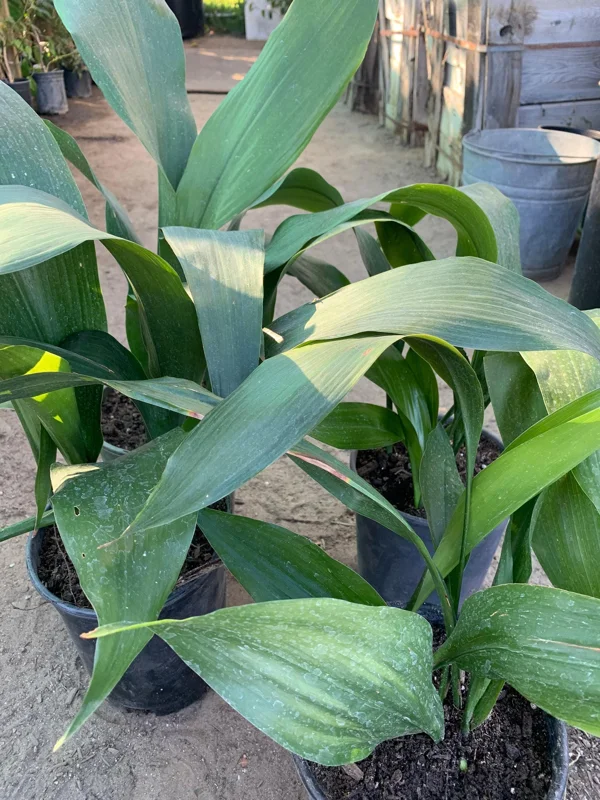
Bring home a resilient cast iron plant (Aspidistra Elatior), an ideal choice for both beginners and seasoned plant enthusiasts. This aspidistra elatior plant is known for its remarkable tolerance to low light and neglect, making it perfect for challenging indoor spots or shaded outdoor gardens. Ships as a healthy live plant, 1-2 feet tall in a 1 gallon pot.
Estimated arrival
Sep 14
Sep 19 - Sep 21
Sep 24 - Sep 28
Shop With Confidence
30-Day Plant Health Guarantee
Arrives damaged? We’ll replace it free — see our return policy.
Responsive Support
Email us anytime, we reply within 1 business day.
Expert Packaging
Temperature-controlled shipping to protect your plants in transit.
Secure Checkout
Pay safely with Visa, Mastercard, PayPal.
Plant Specifications
-
USDA Hardiness Zone
USDA Zones 7-11 (outdoors); all zones (indoors) -
Soil Type
Well-draining, humus-rich potting mix -
Sunlight Exposure
Partial to deep shade -
Expected Planting Period
Year-round indoors; spring to early fall outdoors
Overview
The cast iron plant, scientifically known as Aspidistra Elatior, is a testament to nature’s resilience. This robust and unfussy live plant earns its common name from its incredible ability to withstand a wide range of adverse conditions, from deep shade and neglectful watering to varying temperatures. Often called the “bar room plant” due to its hardiness, the aspidistra elatior plant is an excellent choice for anyone seeking a low-maintenance yet elegant addition to their home or garden. Its dark green, glossy leaves grow upright, creating a lush, architectural statement that thrives where many other plants fail. Whether you’re a novice gardener or looking for a plant that can survive in less-than-ideal environments, the cast iron plant offers beauty with minimal effort.
Originating from the shaded forest floors of East Asia, the cast iron plant is perfectly adapted to low light conditions, making it an ideal houseplant for dimly lit rooms or a striking groundcover in shaded outdoor landscapes. Its slow-growing nature means it won’t outgrow its space quickly, providing long-lasting beauty. This live plant ships healthy and ready to establish in its new home, promising years of verdant foliage.
Key Benefits
The cast iron plant offers numerous advantages, making it a popular choice for various settings. Its legendary toughness is just one of many reasons to welcome this plant into your space:
- Exceptional Durability: True to its name, the cast iron plant is incredibly tough. It can tolerate deep shade, infrequent watering, and a wide range of temperatures, making it one of the most forgiving plants available. It’s an ideal choice for those who might forget to water occasionally or have less-than-perfect growing conditions.
- Low Light Tolerance: Thrives in low light conditions where many other plants struggle. This makes it perfect for north-facing windows, shaded corners, or offices without abundant natural light.
- Air Purification: Like many houseplants, the Aspidistra Elatior contributes to better indoor air quality by filtering out common toxins, creating a healthier living or working environment.
- Aesthetic Appeal: Its rich, dark green, glossy foliage provides a sophisticated and elegant look. The upright leaves add a structured, architectural element to any decor, complementing both modern and traditional styles.
- Low Maintenance: Requires minimal care, making it an excellent option for busy individuals or those new to plant care. An occasional watering and dusting of leaves are often all it needs. This iron cast plant care is truly minimal.
- Pest and Disease Resistant: Generally resistant to most common houseplant pests and diseases, reducing the need for constant monitoring and treatment.
- Versatile Placement: Suitable for both indoor environments as a houseplant and outdoor shaded gardens, patios, or borders in appropriate climates. This makes it a truly versatile outdoor shade plant.
Plant Care & Growing Tips
Caring for your cast iron plant is refreshingly simple, thanks to its robust nature. To ensure your aspidistra elatior plant thrives, consider these straightforward tips:
Sunlight Requirements: The cast iron plant is renowned for its ability to flourish in low light. It prefers partial to deep shade and should be protected from direct sunlight, which can scorch its leaves. For indoor placement, an east or north-facing window is ideal, or a shaded corner of a room. Outdoors, plant it under trees or in areas that receive little to no direct sun. This makes it an excellent low light houseplant.
Watering Schedule: While tolerant of drought, regular watering will encourage healthier growth. Allow the top inch or two of soil to dry out completely between waterings. Overwatering is a common mistake and can lead to root rot. Reduce watering frequency in winter when the plant’s growth slows down. Ensure the pot has good drainage.
Soil Type and Drainage: This plant is not overly particular about soil but prefers well-draining, humus-rich soil. A standard potting mix amended with some organic matter works well for potted plants. For outdoor planting, ensure the garden soil is not heavy clay and drains adequately. Good drainage is crucial to prevent waterlogged roots.
Temperature Range and USDA Hardiness Zone: The cast iron plant is hardy and can tolerate a wide range of temperatures. Indoors, average room temperatures (60-75°F / 15-24°C) are perfect. Outdoors, it is generally hardy in USDA Zones 7-11. In colder zones, it can be grown in containers and brought indoors for winter. It can tolerate temperatures down to 20°F (-6°C) for short periods.
Fertilization Schedule and Type: Fertilize sparingly during the growing season (spring and summer) with a balanced liquid fertilizer diluted to half strength. Too much fertilizer can harm the plant. Avoid fertilizing in fall and winter.
Common Problems and Solutions: The cast iron plant is largely pest-free. Occasionally, mealybugs or scale might appear; these can be removed with a cotton swab dipped in rubbing alcohol. Yellowing leaves often indicate overwatering or poor drainage. Brown tips can signal underwatering or low humidity, though the plant is quite tolerant of dry air. Generally, issues with iron cast plant care are minimal.
Size & Details
This cast iron plant (Aspidistra Elatior) is shipped as a healthy, established live plant. It arrives approximately 1 to 2 feet tall, measured from the base of the pot to the tip of the tallest leaf, and is grown in a 1 gallon nursery pot. This size provides a substantial presence immediately upon arrival, suitable for transplanting into a larger decorative pot or directly into your garden. The plant exhibits a slow to moderate growth rate, typically reaching a mature height of 2-3 feet and a similar spread over several years, making it a long-term addition to your plant collection. It will continue to fill out, producing more of its iconic dark green, strap-like leaves.
Frequently Asked Questions
- Q: How big does this cast iron plant get? A: This plant typically grows to a mature height of 2-3 feet and can spread to a similar width. Its slow growth rate means it will maintain a manageable size for many years, especially when grown in containers.
- Q: What size pot does it come in? A: This aspidistra elatior plant is shipped in a 1 gallon nursery pot, providing a healthy root system for immediate transplanting or continued growth.
- Q: Is this an indoor or outdoor plant? A: The cast iron plant is highly versatile and can thrive both indoors as a low light houseplant or outdoors as an outdoor shade plant in appropriate USDA Zones (typically 7-11).
- Q: How much sunlight does it need? A: It prefers partial to deep shade and should be protected from direct sunlight, which can cause leaf scorch. It’s one of the best choices for low-light environments.
- Q: Is this plant easy to care for? A: Yes, the cast iron plant is renowned for being incredibly easy to care for and is very forgiving of neglect. It’s an excellent choice for beginners or those with busy schedules.
- Q: What condition will it arrive in? A: Your cast iron plant will arrive as a healthy, established live plant, carefully packaged to ensure its safe journey. It will be rooted in its 1 gallon pot with soil.
- Q: Is it shipped in soil? A: Yes, the plant is shipped securely in its original 1 gallon nursery pot with soil, ensuring minimal stress during transit and easy acclimation upon arrival.
- Q: Is this plant pet-safe? A: The cast iron plant (Aspidistra Elatior) is generally considered non-toxic to pets, making it a safe choice for homes with cats and dogs.
- Q: When is the best time to plant? A: For outdoor planting, spring or early fall are ideal. Indoors, it can be planted or repotted any time of year.
- Q: Will it survive winter in my zone? A: Outdoors, the cast iron plant is hardy in USDA Zones 7-11. In colder zones, it should be brought indoors before the first frost. This is key for good iron cast plant care in diverse climates.
Be the first to review “Cast Iron Plant (Aspidistra Elatior) Live Plant – 1-2 ft Tall in 1 Gallon Pot – Indoor/Outdoor”
People Also Viewed
Vegetable Seeds
300 Lunar White Carrot Seeds – Daucus Carota Vegetable Seeds
Uncategorized
Reviews
There are no reviews yet.