
Wild Plum Tree Live Plant (Prunus americana) – Set of 2, 12-24 Inches Tall, Outdoor
Original price was: $81.69.$61.69Current price is: $61.69.
Cultivate your own fruit-bearing landscape with this wild plum tree live plant set. You receive two 12-24 inch Prunus americana care saplings, perfect for creating an edible garden or naturalizing your property. These adaptable trees are known for their beautiful spring blooms and delicious plums.
Estimated arrival
Oct 15
Oct 20 - Oct 22
Oct 25 - Oct 29
Shop With Confidence
30-Day Plant Health Guarantee
Arrives damaged? We’ll replace it free — see our return policy.
Responsive Support
Email us anytime, we reply within 1 business day.
Expert Packaging
Temperature-controlled shipping to protect your plants in transit.
Secure Checkout
Pay safely with Visa, Mastercard, PayPal.
Plant Specifications
-
USDA Hardiness Zone
USDA Zones 3-8 -
Soil Type
Well-draining soil, adaptable to various types -
Sunlight Exposure
Full sun (6-8+ hours direct sunlight) -
Expected Planting Period
Early spring or late fall
Overview
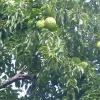
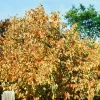
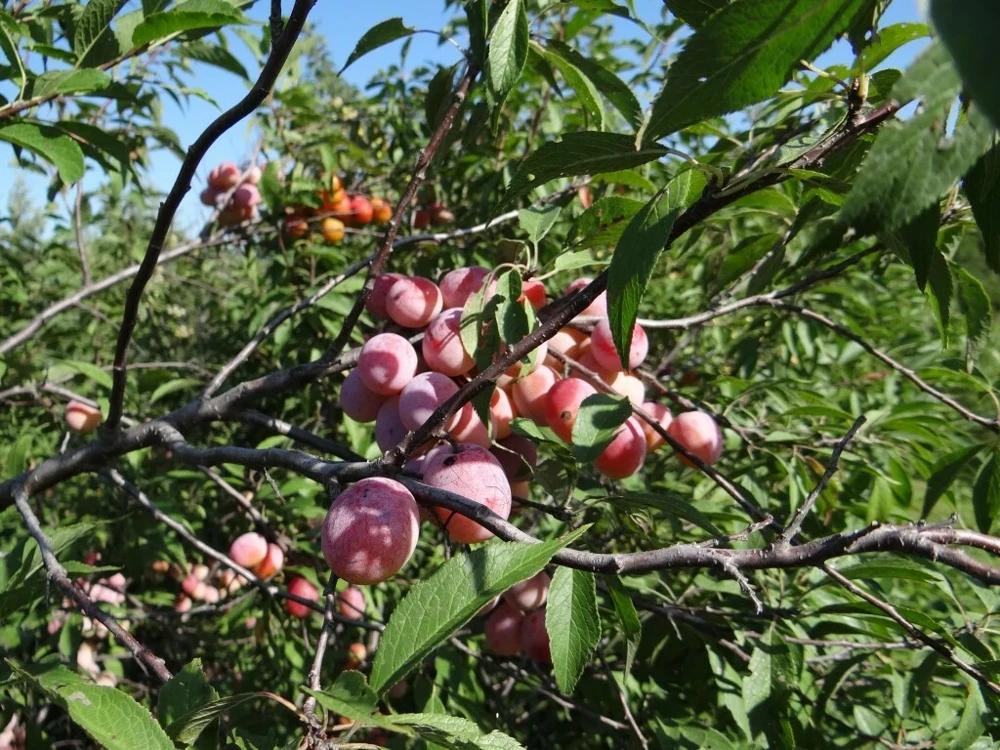
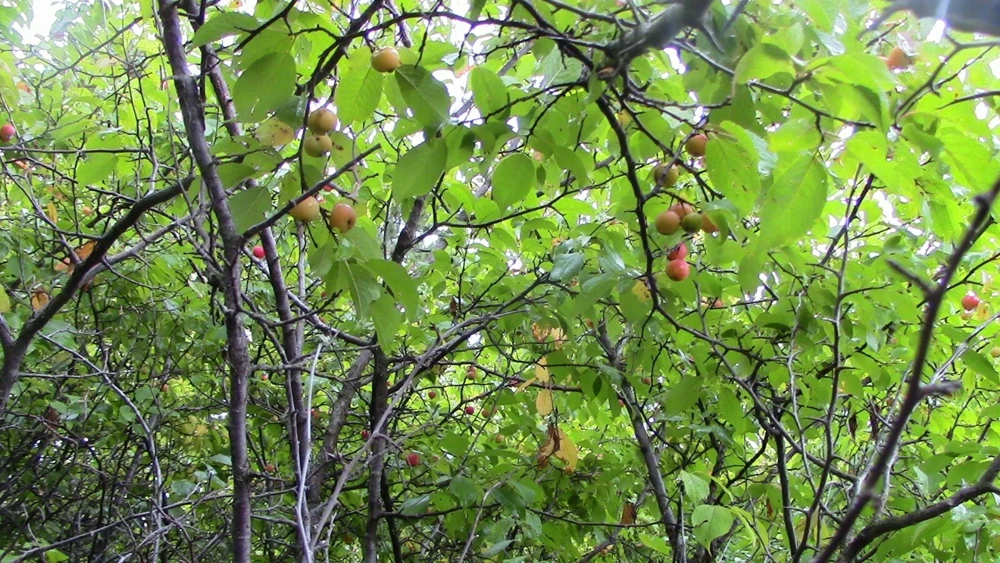
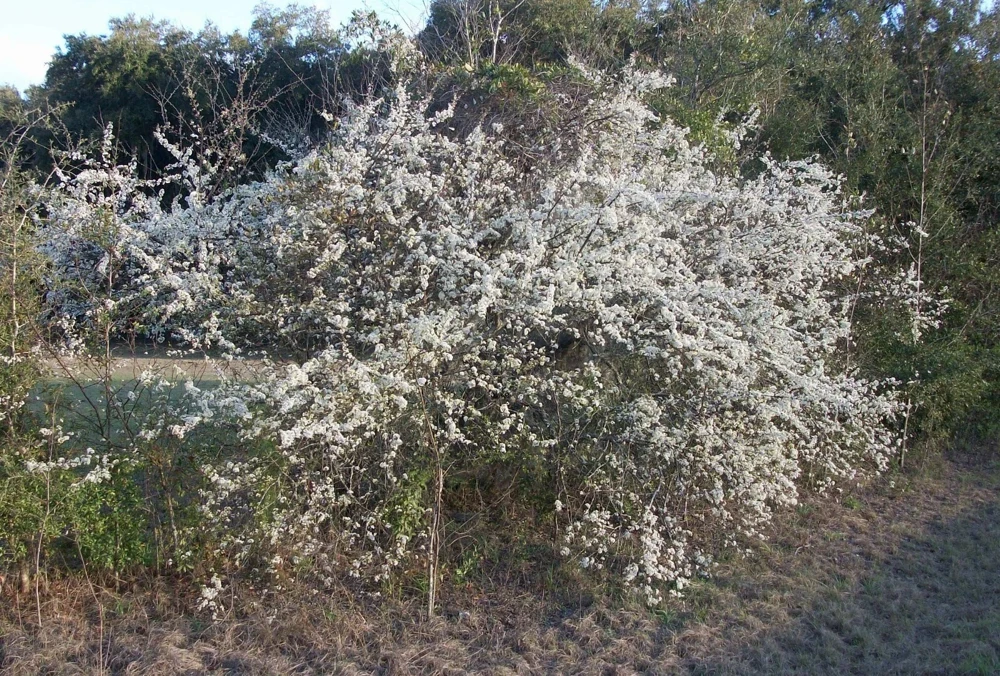
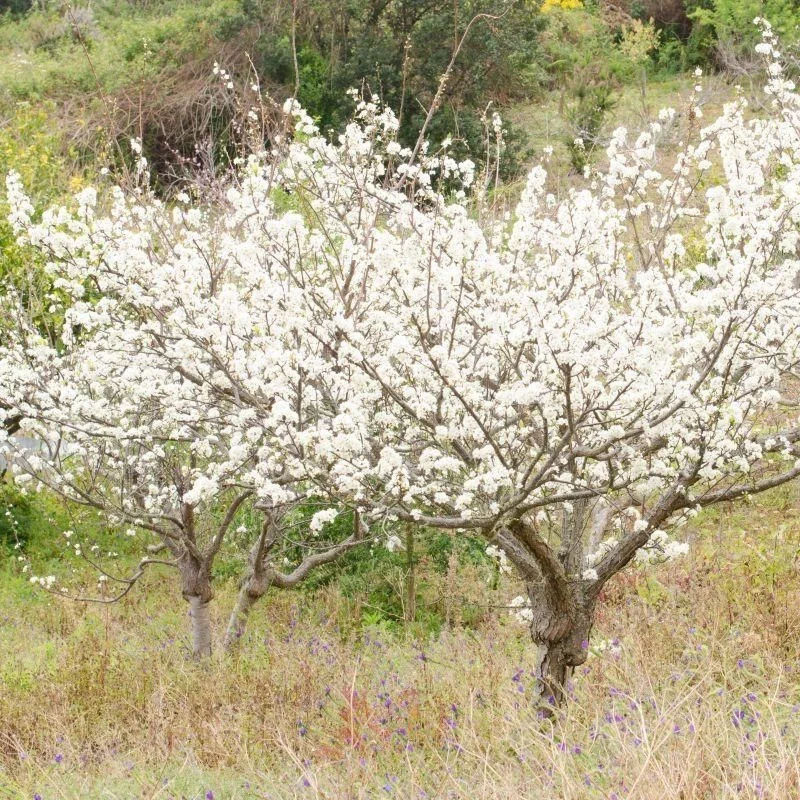
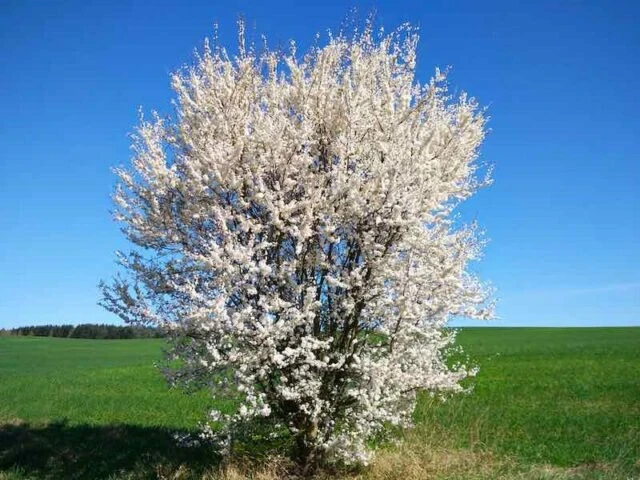
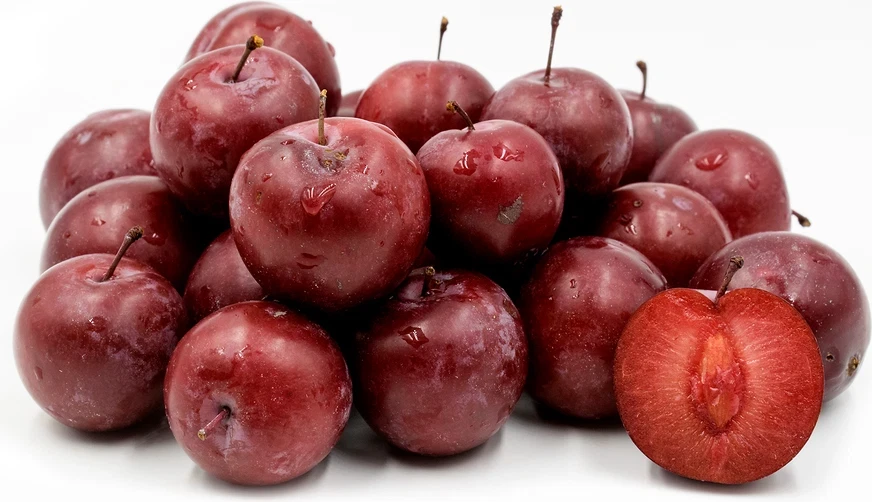
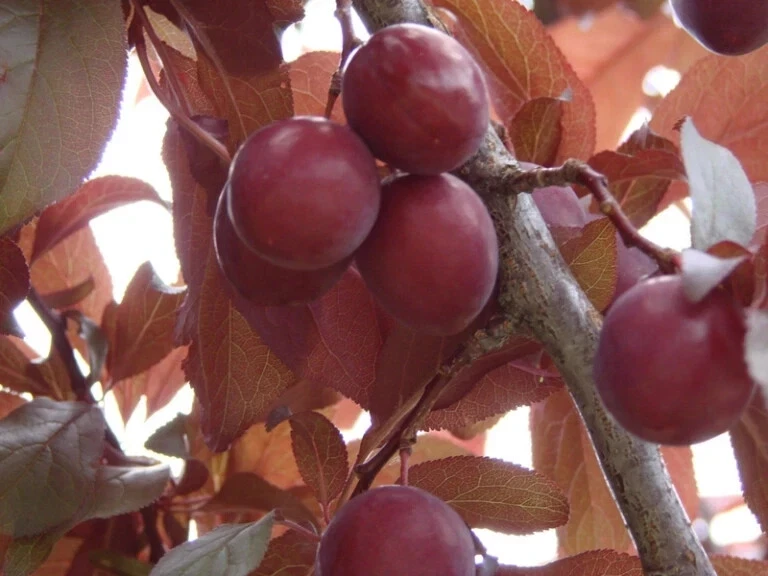
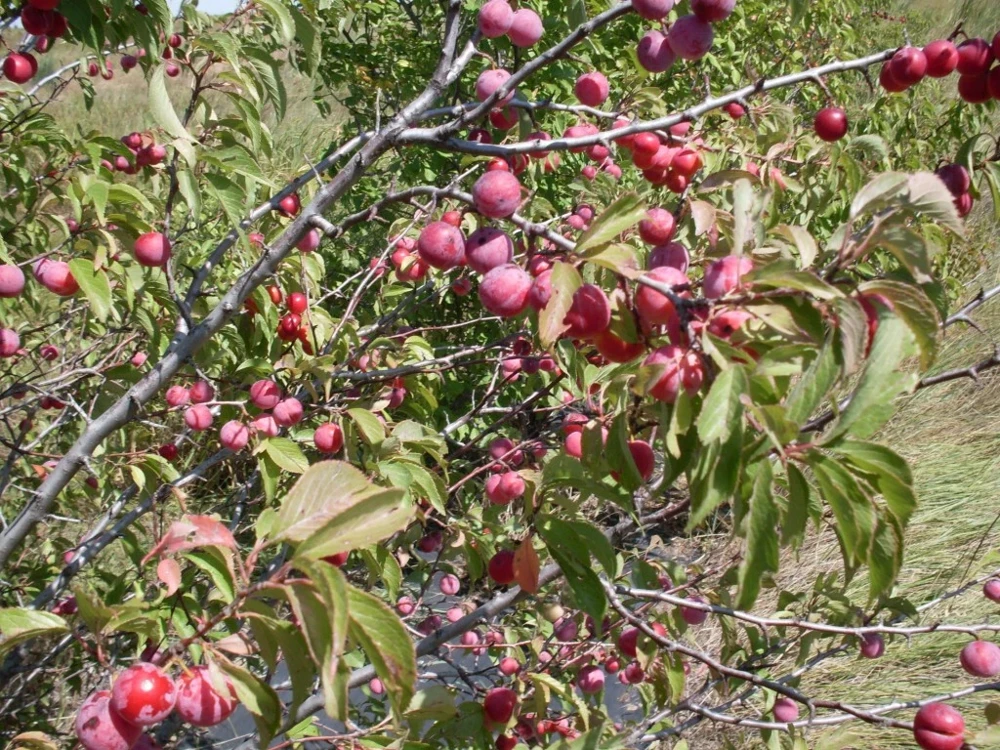
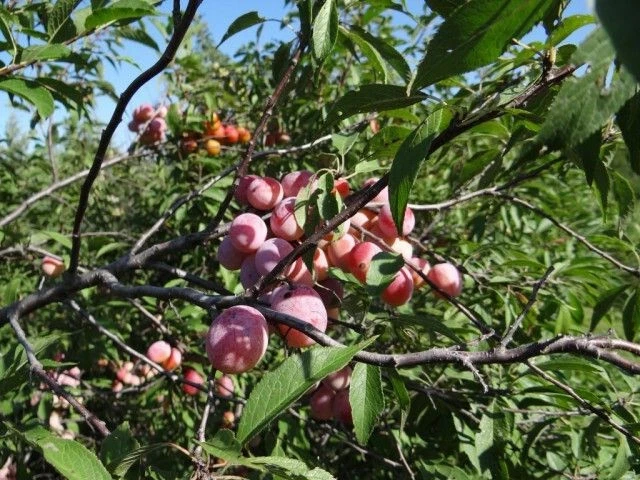
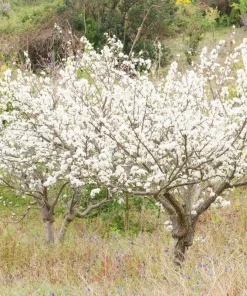
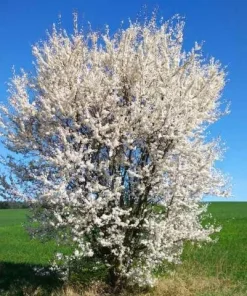
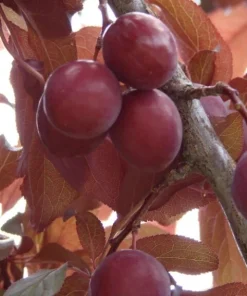
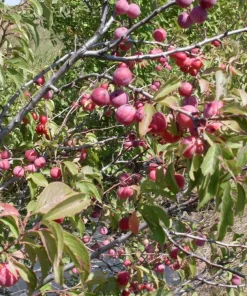
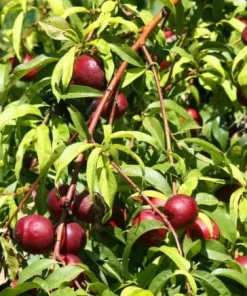
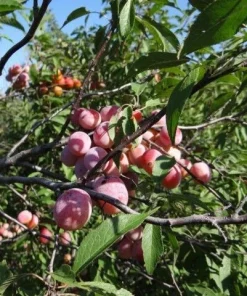
Discover the joy of growing your own fruit with this exceptional offering: a wild plum tree live plant set. Each order includes two vigorous saplings of Prunus americana, commonly known as the American Wild Plum, ranging from 12-24 inches in height. These adaptable and resilient trees are a fantastic choice for gardeners looking to add both ornamental beauty and edible bounty to their landscape. Known for their stunning white flowers in spring, followed by abundant, sweet-tart plums in late summer, the wild plum tree live plant is a valuable addition to any garden, providing food for both humans and wildlife. They are perfect for naturalizing areas, creating hedgerows, or simply as attractive specimen trees in your yard.
These bare root specimens are ready to be planted upon arrival, offering a robust start to your edible garden project. The Prunus americana care is relatively straightforward, making them suitable for both experienced gardeners and those new to fruit tree cultivation. With their native origins, they are well-suited to various climates and soil conditions, thriving in many parts of North America. Embrace sustainable gardening by incorporating these beneficial and beautiful trees into your outdoor space.
Key Benefits
Adding a wild plum tree live plant to your garden provides numerous advantages, enhancing both the aesthetic and ecological value of your property. These trees are not only beautiful but also offer practical benefits for a thriving landscape.
- Edible Fruit Production: Enjoy a harvest of delicious, juicy plums each year. These plums are excellent for fresh eating, jams, jellies, and pies, offering a seasonal treat directly from your garden.
- Attracts Wildlife: The flowers provide early nectar for pollinators like bees, while the fruit is a food source for birds and other small animals, contributing to local biodiversity.
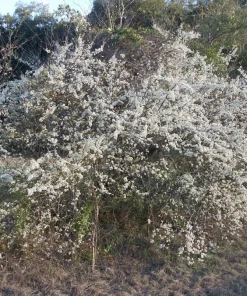
- Beautiful Spring Blossoms: Early spring brings a spectacular display of fragrant white flowers, creating a stunning visual impact in your garden before most other trees begin to leaf out.
- Hardy and Adaptable: The wild plum tree live plant is remarkably resilient, tolerating a wide range of soil types and climatic conditions, making growing plum trees accessible to many regions.
- Erosion Control and Soil Stabilization: With a strong root system, these trees can help prevent soil erosion, especially on slopes or along waterways, contributing to overall landscape health.
- Low Maintenance: Once established, these trees require minimal care, making them an ideal choice for gardeners seeking productive plants without intensive upkeep.
- Native Species Advantage: As a native species, Prunus americana is naturally adapted to local ecosystems, often requiring less water and pest management compared to non-native alternatives.
Plant Care & Growing Tips
Proper Prunus americana care is essential for a healthy and productive tree. These adaptable trees are relatively easy to grow, but understanding their specific needs will ensure optimal growth and fruit production. For successful growing plum trees, consider the following environmental factors and care routines.
Sunlight requirements:Wild plum tree live plant thrives in full sun, meaning at least 6-8 hours of direct sunlight per day. While they can tolerate partial shade, full sun exposure will result in the best fruit yield and overall tree health. Ensure your chosen planting site receives ample light throughout the growing season. Watering schedule: During the first year after planting, consistent watering is crucial. Keep the soil consistently moist but not waterlogged. Water deeply once or twice a week, depending on rainfall and soil type. Once established, wild plum trees are quite drought-tolerant, but supplemental watering during prolonged dry spells will benefit fruit development. Soil type and drainage: These trees are adaptable to a variety of soil types, including clay, loam, and sandy soils, but they prefer well-draining soil with a pH between 6.0 and 8.0. Avoid planting in areas where water tends to collect, as poor drainage can lead to root rot. Amending heavy clay soils with organic matter can improve drainage. Temperature range and USDA hardiness zone:Prunus americana is very cold hardy, typically thriving in USDA Zones 3-8. It can withstand harsh winter temperatures, making it an excellent choice for many northern climates. Fertilization schedule: Generally, wild plum trees do not require heavy fertilization. A balanced slow-release fertilizer can be applied in early spring, especially if your soil is poor. Avoid over-fertilizing, as this can lead to excessive foliage growth at the expense of fruit production. Common problems and solutions: Watch for common pests like plum curculio and diseases such as brown rot. Good air circulation and proper sanitation (removing fallen fruit and leaves) can help prevent issues. Consult local extension services for specific pest and disease management strategies in your area.
Size & Details
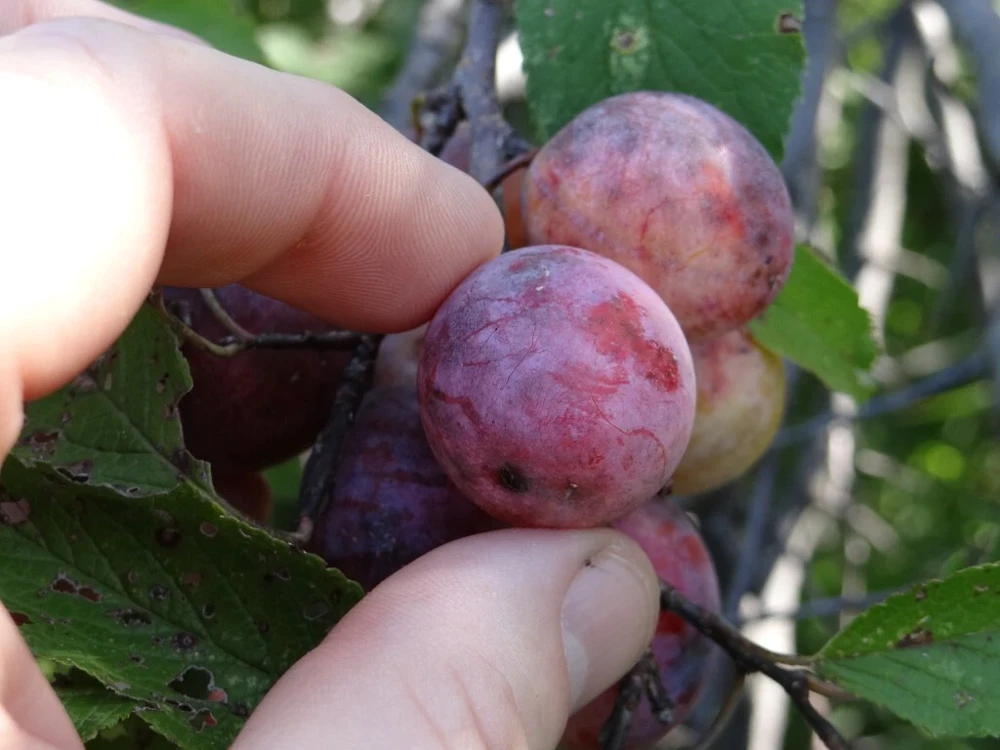
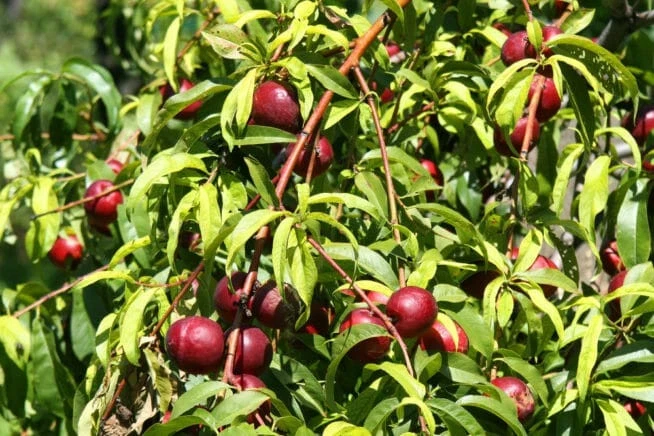
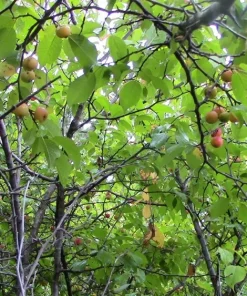
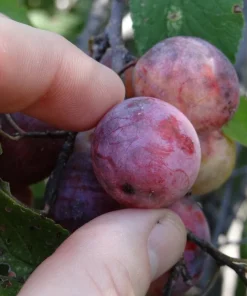
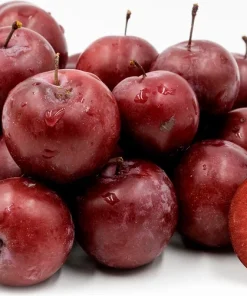
This offering includes a set of two wild plum tree live plant specimens. Each bare root sapling measures between 12 and 24 inches in height upon arrival, ready for immediate planting. When mature, these trees typically reach a height of 15 to 25 feet with a similar spread, forming a rounded crown. They are considered fast-growing, quickly establishing themselves in the landscape. The growth habit is typically spreading or somewhat rounded, creating a lovely shade tree or natural barrier. These trees are shipped in a bare root form, meaning they are dormant and without soil around their roots, which is the ideal and safest way to ship deciduous trees for transplanting. Expect to see significant growth in the first few years, with fruit production typically beginning within 3-5 years after planting. The small, often red or yellow plums ripen in late summer, usually between July and September, depending on your climate and specific conditions. This bare root plum tree offers an economical and effective way to establish a productive orchard or natural area.
Frequently Asked Questions
- Q: How big does this wild plum tree live plant get? A: A: When mature, the American Wild Plum typically reaches a height of 15 to 25 feet with a similar spread, forming a rounded, attractive canopy. Its size makes it suitable for various garden settings, from small yards to larger landscapes.
- Q: Is this an indoor or outdoor plant? A: The wild plum tree live plant (Prunus americana) is an outdoor tree. It requires ample sunlight and space to grow to its mature size and produce fruit effectively. It is not suitable for indoor cultivation.
- Q: How much sunlight does it need for optimal fruit production? A: For the best fruit yield and overall health, your wild plum tree live plant needs at least 6-8 hours of direct sunlight per day. Planting in a full sun location is highly recommended.
- Q: Is this plant easy to care for, especially for beginners growing plum trees? A: Yes, Prunus americana care is considered relatively easy, making it a good choice for beginner gardeners. Once established, it is quite hardy and drought-tolerant, requiring minimal maintenance compared to many other fruit trees.
- Q: What condition will the trees arrive in? Is it a bare root plum tree? A: Yes, the trees will arrive as dormant, bare root saplings, typically 12-24 inches tall. This is a standard and effective method for shipping deciduous trees, ensuring they are ready for planting upon arrival.
- Q: When is the best time to plant this wild plum tree? A: The best time to plant bare root wild plum trees is in early spring, after the last hard frost, or in late fall after the leaves have dropped. This allows the roots to establish before extreme temperatures.
- Q: Will it survive winter in my zone? What’s the minimum temperature it can tolerate? A: The American Wild Plum is very cold hardy and thrives in USDA Zones 3-8. It can tolerate winter temperatures well below freezing, making it suitable for many regions with cold winters.
- Q: What kind of soil is best for Prunus americana care? A: While adaptable to many soil types, the wild plum tree prefers well-draining soil with a pH between 6.0 and 8.0. Amending heavy clay soils with organic matter can improve drainage.
- Q: How long until the tree starts producing plums? A: You can typically expect your wild plum tree live plant to begin producing fruit within 3-5 years after planting, depending on growing conditions and care.
- Q: Are the plums edible directly from the tree? A: Yes, the plums are edible directly from the tree and are known for their sweet-tart flavor. They are also excellent for making preserves, pies, and other culinary delights.
Be the first to review “Wild Plum Tree Live Plant (Prunus americana) – Set of 2, 12-24 Inches Tall, Outdoor”
People Also Viewed
Reviews
There are no reviews yet.