


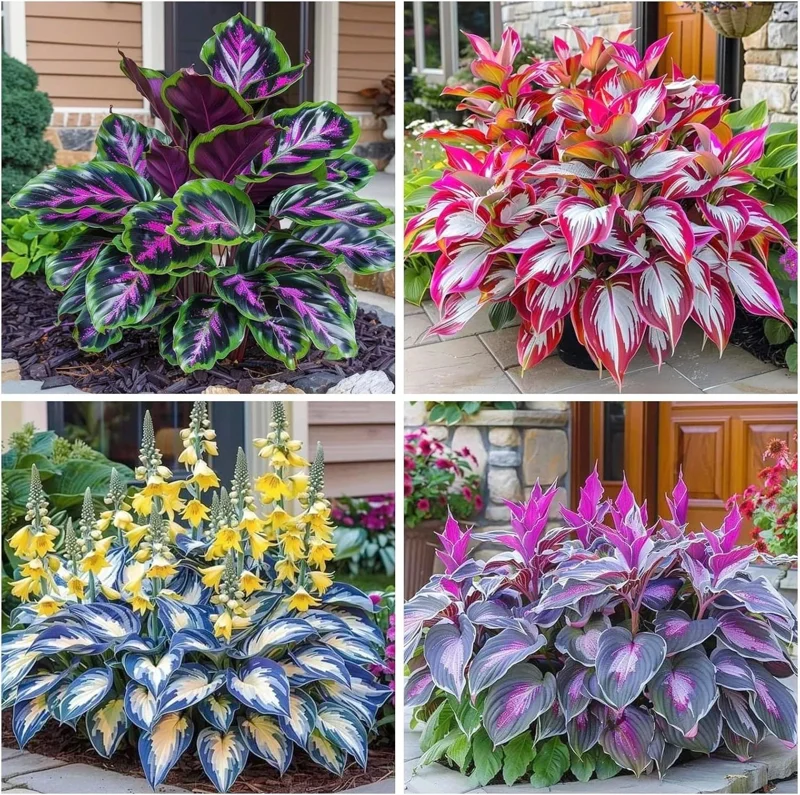
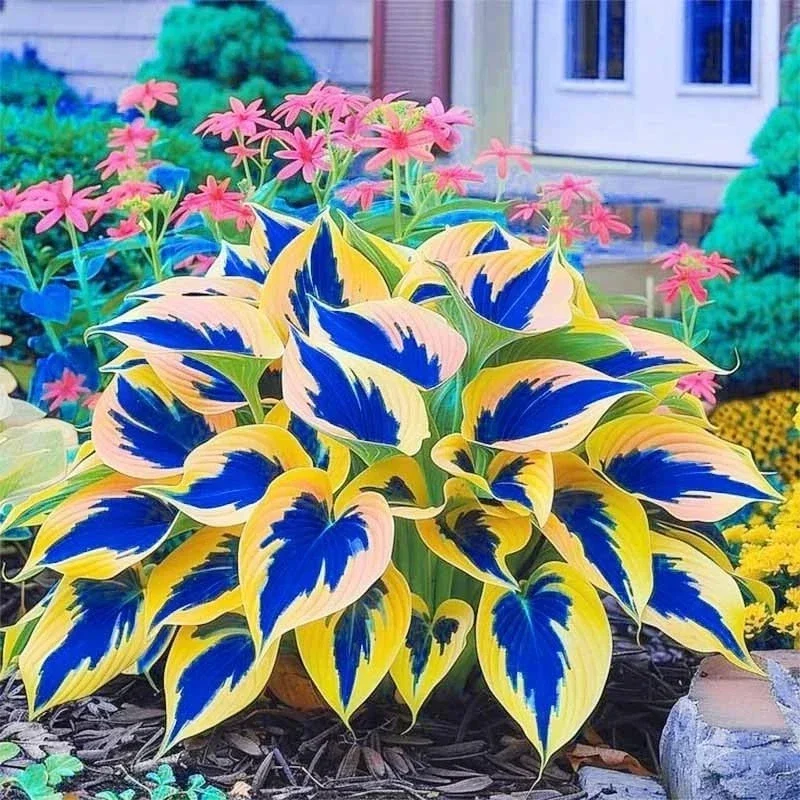
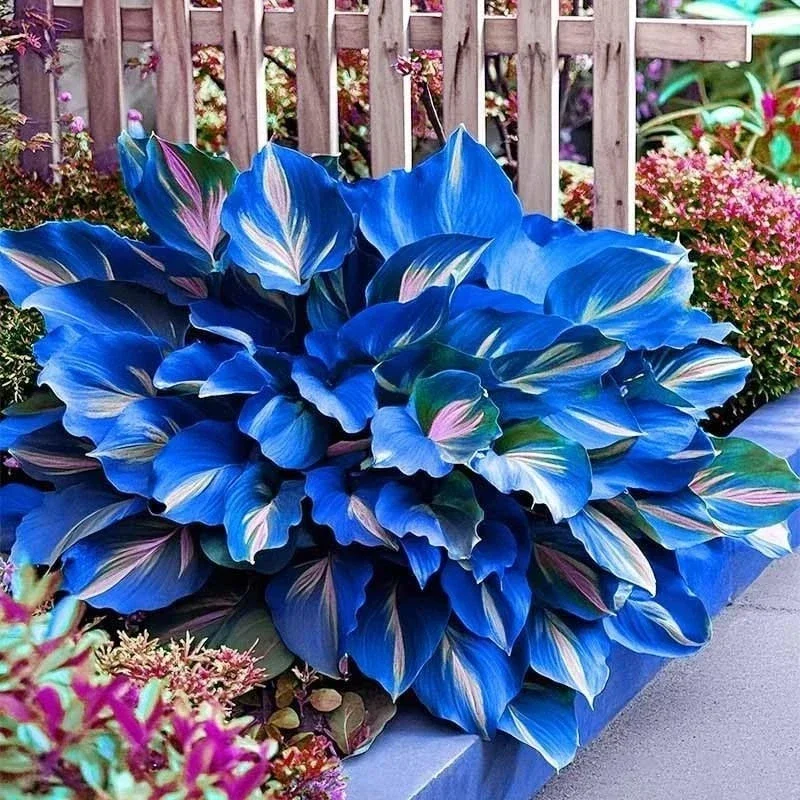
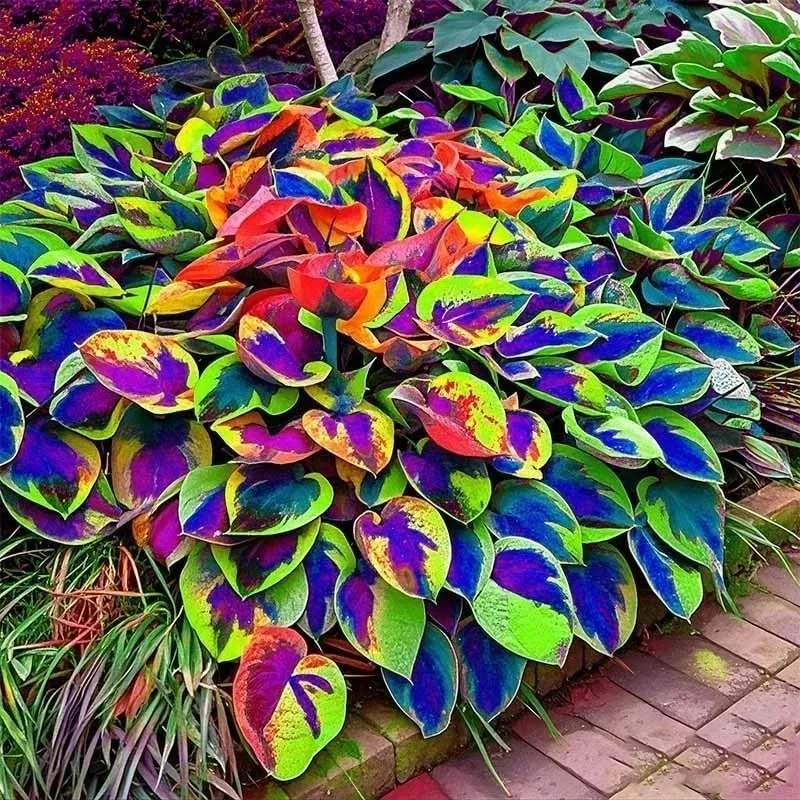




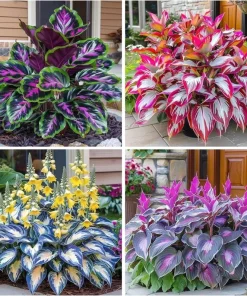
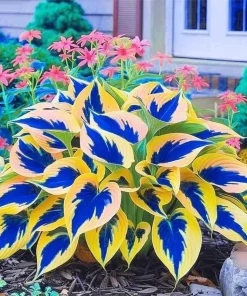
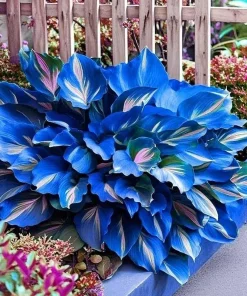
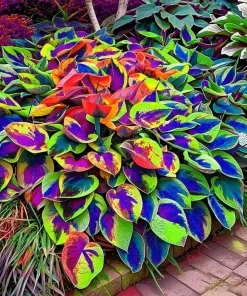



120+ Hosta Seeds – Perennial Outdoor Shade Garden Plant Seeds – Ornamental
Original price was: $41.99.$16.99Current price is: $16.99.
Cultivate a lush shade garden with this pack of hosta seeds. Each pack contains 120+ perennial hosta seeds, perfect for adding vibrant, ornamental foliage to outdoor spaces. Enjoy easy-to-grow plants that thrive in shaded areas.
Estimated arrival
Oct 15
Oct 20 - Oct 22
Oct 25 - Oct 29
Shop With Confidence
30-Day Plant Health Guarantee
Arrives damaged? We’ll replace it free — see our return policy.
Responsive Support
Email us anytime, we reply within 1 business day.
Expert Packaging
Temperature-controlled shipping to protect your plants in transit.
Secure Checkout
Pay safely with Visa, Mastercard, PayPal.
Plant Specifications
-
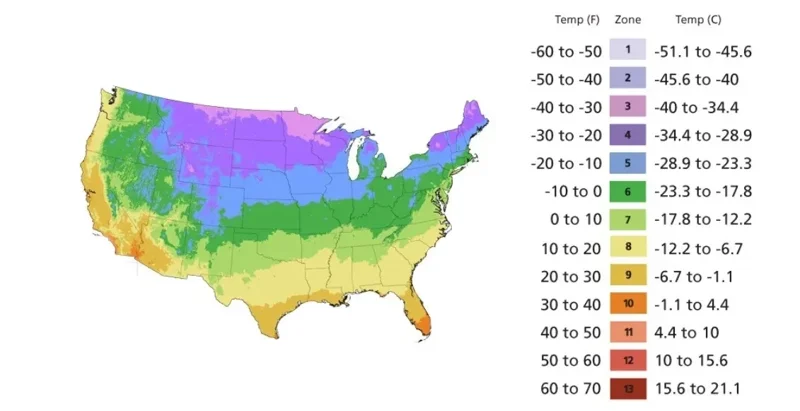
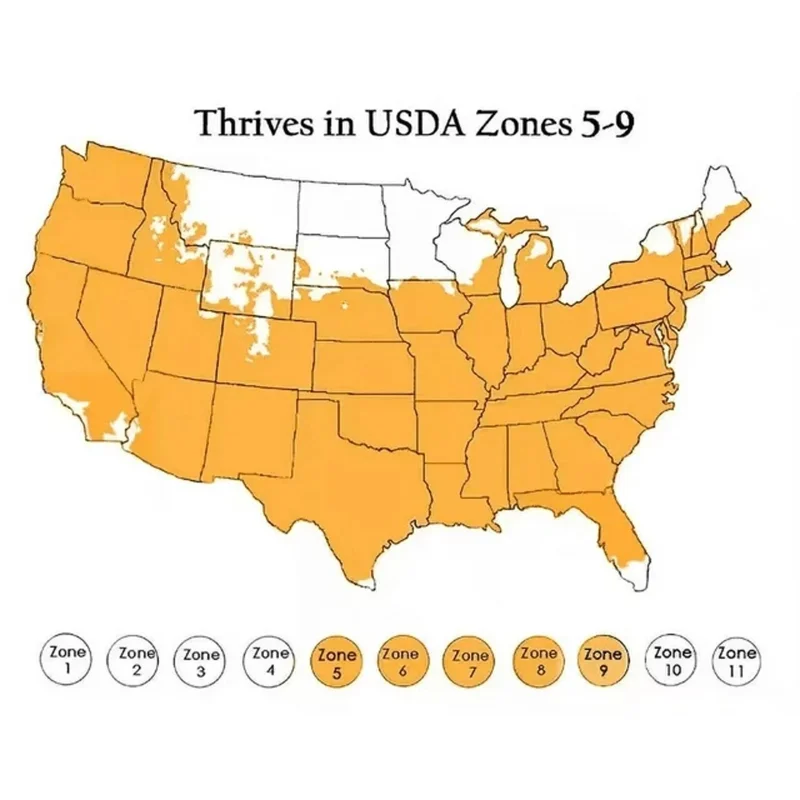
USDA Hardiness Zone
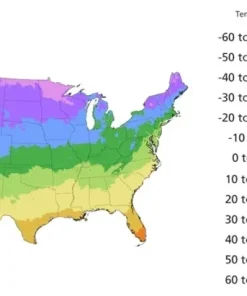
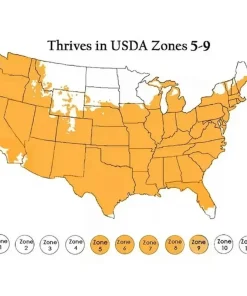
USDA Zones 3-9 -
Soil Type
Rich, well-draining, slightly acidic to neutral loam -
Sunlight Exposure
Partial to full shade -
Expected Planting Period
Spring (after starting indoors)
Overview
Transform your outdoor living space into a serene haven with these exceptional hosta seeds. Each packet contains over 120 high-quality seeds, providing ample opportunity to cultivate a stunning collection of perennial hostas. Known for their magnificent foliage, hostas are a cornerstone of shade gardening, offering a diverse palette of greens, blues, and variegated patterns that bring texture and elegance to any landscape. These ornamental plants are celebrated for their resilience and ability to thrive in conditions where many other plants struggle, making them an ideal choice for shaded beds, borders, or container arrangements. Whether you’re a seasoned gardener or just starting, growing hostas from seed is a rewarding experience that allows you to witness the fascinating development of these beautiful plants from tiny seedlings into mature, majestic specimens.
Hosta, often referred to as plantain lilies, are native to Northeast Asia and have become incredibly popular worldwide due to their striking leaves and ease of care. This offering of perennial hosta seeds ensures that once established, your plants will return year after year, providing continuous beauty with minimal effort. Imagine a garden filled with the cool, refreshing hues of hosta leaves, creating a tranquil backdrop for your outdoor activities. These seeds promise to deliver robust plants that will enhance the aesthetic appeal of your home and garden, turning underutilized shaded areas into vibrant, flourishing displays.
Key Benefits
Embrace the many advantages of incorporating hostas into your garden. These shade-loving perennials offer a wealth of benefits that make them a favorite among gardeners:
- Stunning Foliage: Hostas are primarily grown for their incredible leaves, which come in various shapes, sizes, and colors, including deep green, blue-green, chartreuse, and variegated patterns. They provide year-round interest and texture to the garden.
- Shade Tolerance: Thrive in low-light conditions, making them perfect for planting under trees, on the north side of buildings, or in other shaded areas where few other plants flourish.
- Long-Lived Perennials: Once established, these perennial hosta seeds will produce plants that return each spring, growing larger and more impressive with each passing year, offering lasting beauty.
- Low Maintenance: Hostas are relatively easy to care for, requiring minimal attention once established. They are generally pest-resistant and drought-tolerant once mature.
- Versatile Landscaping: Excellent for mass plantings, borders, ground cover, or container gardening. They pair beautifully with other shade-loving plants like ferns and astilbes.
- Ornamental Appeal: Beyond their foliage, many hosta varieties produce delicate, bell-shaped flowers on tall scapes, adding another layer of beauty to these ornamental hosta plants.
- Erosion Control: Their dense root systems can help stabilize soil on slopes, reducing erosion in shaded areas.
Plant Care & Growing Tips
Successfully cultivating hosta seeds into thriving plants is a rewarding endeavor. Hostas are known for being relatively low-maintenance, but understanding their specific needs will ensure the best possible growth and display. For optimal results, start your hosta seeds indoors about 8-10 weeks before the last frost date in your area. Use a high-quality seed starting mix and sow the seeds thinly on the surface, gently pressing them into the soil without covering them completely, as some light aids germination. Maintain consistent moisture and warmth, ideally around 65-75°F (18-24°C). Germination can be erratic and may take anywhere from 30 to 90 days, so patience is key when growing hosta from seed.
Once seedlings emerge, provide them with bright, indirect light. As they grow and develop a few sets of true leaves, they can be transplanted into individual pots. Harden off the young plants gradually before moving them outdoors. When planting outdoors, choose a location with partial to full shade. While some hostas can tolerate a bit of morning sun, intense afternoon sun can scorch their leaves, especially for blue varieties. The ideal soil for hostas is rich, well-draining, and slightly acidic to neutral (pH 6.0-7.0). Amend heavy clay soils with organic matter like compost to improve drainage and fertility. Water regularly, especially during dry periods, to keep the soil consistently moist but not waterlogged. Hostas are generally hardy in USDA Zones 3-9. Fertilize in early spring with a balanced slow-release fertilizer or a liquid feed at half strength every few weeks during the growing season. Watch out for slugs and snails, which are common hosta pests; various organic and chemical controls are available. Dividing mature clumps every few years can help maintain vigor and create new plants.
Size & Details
This package includes 120+ hosta seeds, providing a generous quantity for starting a new shade garden or expanding an existing one. When mature, hosta plants can vary significantly in size depending on the specific variety, ranging from miniature types that are only a few inches tall to giants that can reach over 3 feet in height and spread. The seeds typically produce plants that will establish and grow over several seasons, with noticeable foliage development in the first year. Full maturity and impressive size are usually achieved within 3-5 years from seeding. The plants will arrive in seed form, ready for planting, offering the satisfaction of watching your garden grow from scratch. With proper care, these perennial plants will develop into robust, clumping specimens, offering dense foliage that can spread to cover significant ground. The exact color of the resulting plants will vary, as these are mixed seeds, providing an exciting surprise as your garden develops.
Frequently Asked Questions
- Q: How big do these hosta plants get? A: The mature size of hosta plants grown from these seeds will vary by specific variety, but they can range from small (6 inches tall) to large (over 3 feet tall and wide). Expect significant growth over several seasons.
- Q: How much sunlight do hostas need? A: Hostas thrive in partial to full shade. While some morning sun is acceptable, they generally prefer protection from intense afternoon sun to prevent leaf scorch. This makes them ideal for a shade garden seeds project.
- Q: Are these perennial hosta seeds easy to care for? A: Yes, hostas are generally considered easy to care for once established. They require consistent moisture, good drainage, and protection from intense sun.
- Q: When is the best time to plant hosta seeds? A: It’s best to start hosta seeds indoors 8-10 weeks before the last expected frost. You can then transplant the seedlings outdoors after they’ve been hardened off and all danger of frost has passed.
- Q: What condition will the seeds arrive in? A: The product will arrive as a packet of dry seeds, ready for you to plant and begin the germination process.
- Q: What kind of soil is best for growing hosta from seed? A: Hostas prefer rich, well-draining soil with a slightly acidic to neutral pH. Amending with compost can improve soil structure and fertility.
- Q: Will these hostas survive winter in my area? A: Hostas are hardy perennials and are typically suitable for USDA Zones 3-9, meaning they will survive winter and return year after year in most temperate climates.
- Q: Do these ornamental hosta plants flower? A: Yes, most hosta varieties produce attractive, often fragrant, bell-shaped flowers on tall scapes during the summer months, adding to their ornamental value.
- Q: How long does it take for hosta seeds to germinate? A: Germination can be variable, typically taking anywhere from 30 to 90 days. Patience and consistent conditions are important during this phase.
- Q: Can I grow hostas in containers? A: Absolutely! Hostas are excellent container plants, especially for shaded patios or balconies. Ensure the containers have good drainage.
Be the first to review “120+ Hosta Seeds – Perennial Outdoor Shade Garden Plant Seeds – Ornamental”
People Also Viewed
Flower Plants
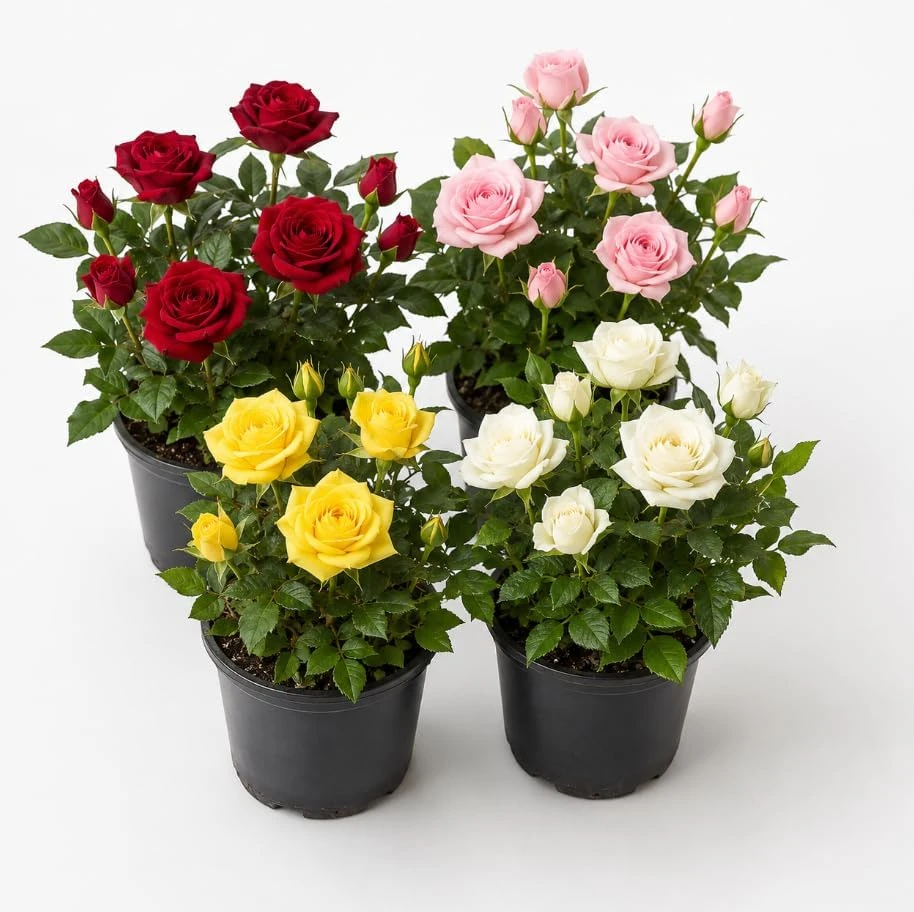
Miniature Rose Live Plants – Set of 2, Assorted Colors, 4-6 Inches Tall, 4 Inch Pot, Outdoor
Reviews
There are no reviews yet.