
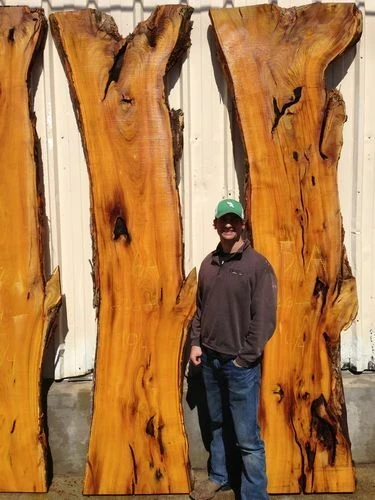
Osage Orange Tree (Maclura pomifera) Live Hedge Plant 16-24 Inches Tall
Original price was: $62.79.$42.79Current price is: $42.79.
Cultivate a robust and natural boundary with the Osage Orange tree live plant. This hardy Maclura pomifera is ideal for creating a dense, thorny hedge, offering both privacy and a unique landscape feature. Standing 16-24 inches tall, it’s ready to establish in your garden.
Estimated arrival
Oct 15
Oct 20 - Oct 22
Oct 25 - Oct 29
Shop With Confidence
30-Day Plant Health Guarantee
Arrives damaged? We’ll replace it free — see our return policy.
Responsive Support
Email us anytime, we reply within 1 business day.
Expert Packaging
Temperature-controlled shipping to protect your plants in transit.
Secure Checkout
Pay safely with Visa, Mastercard, PayPal.
Plant Specifications
-
USDA Hardiness Zone
USDA Zones 4-9 -
Soil Type
Well-draining soil, adaptable to various types -
Sunlight Exposure
Full sun (6-8+ hours daily) -
Expected Planting Period
Early spring or late fall
Overview
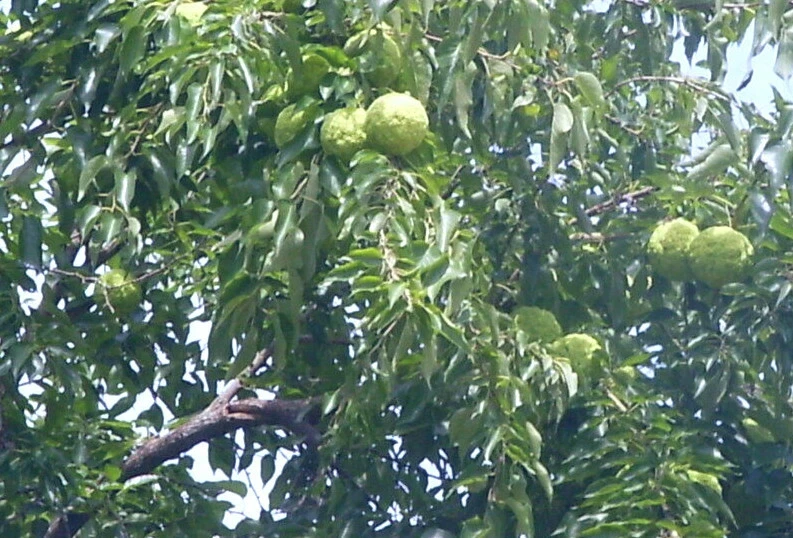
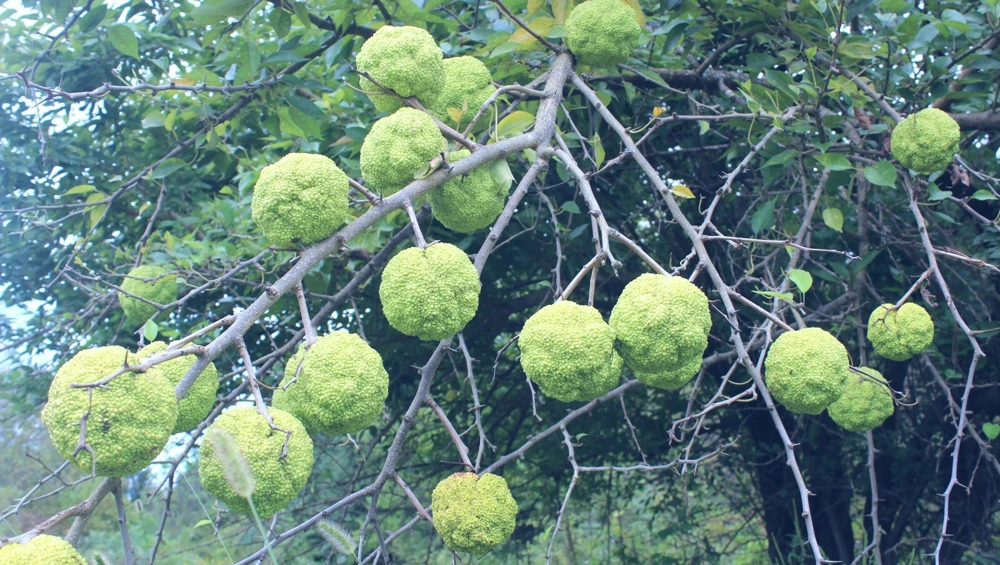
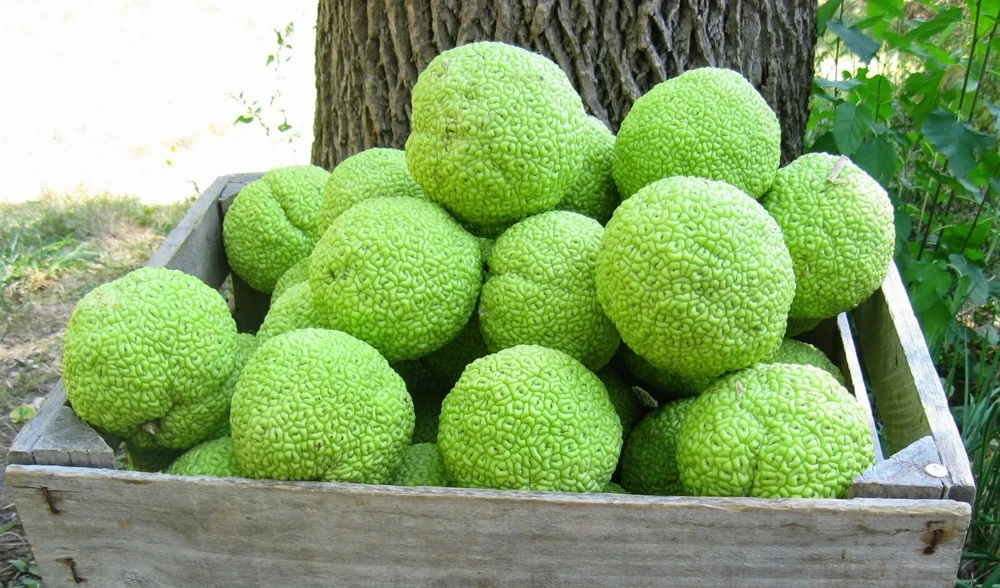
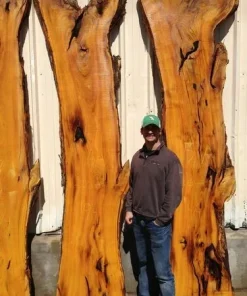
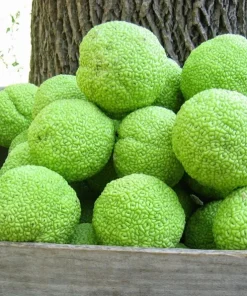
Introduce a piece of American history and natural resilience to your landscape with the Osage Orange tree live plant (Maclura pomifera). Known for its dense growth and formidable thorns, this tree is an excellent choice for creating an impenetrable living fence or a robust hedge. Historically used for property demarcation and windbreaks, the Osage Orange is a remarkably adaptable and long-lived species. Our live plants are typically 16-24 inches in height, providing a strong foundation for your landscaping project. This deciduous tree is not only functional but also offers interesting visual appeal with its furrowed bark and bright green leaves, eventually producing distinctive, large, green, brain-like fruits, though these are typically not eaten by humans.
The Maclura pomifera is celebrated for its toughness and ability to thrive in a wide range of conditions, making it a fantastic option for both experienced gardeners and those new to cultivating trees. Its rapid growth rate ensures quick establishment, and its natural resistance to pests and diseases means less maintenance for you. Whether you’re looking to enhance privacy, define a boundary, or add a unique specimen to your garden, the Osage Orange tree live plant is a versatile and rewarding choice that will stand the test of time.
Key Benefits
The Osage Orange tree live plant offers a multitude of benefits for your landscape, combining practical utility with natural beauty. Its robust nature makes it a valuable addition to many garden settings.
- Excellent Natural Barrier: The dense, thorny branches of the Osage Orange create an incredibly effective and aesthetically pleasing natural fence or hedge, deterring unwanted access and providing significant privacy. This makes it a superior option for security and boundary marking.
- Drought & Pest Tolerant: Once established, the Maclura pomifera is highly resistant to drought conditions and generally unfazed by common pests and diseases, requiring minimal intervention and care. This resilience contributes to its low-maintenance appeal.
- Fast Growing: This tree exhibits a relatively fast growth rate, allowing you to quickly achieve your desired hedge height or establish a significant specimen tree in a shorter timeframe compared to many other species.
- Soil Adaptability: The Osage Orange tree live plant is not particular about soil type and can thrive in poor or compacted soils where other plants might struggle. This makes it a versatile choice for various garden conditions.
- Unique Ornamental Value: Beyond its practical uses, the tree offers unique ornamental interest with its distinctive, large, green fruits (often called “hedge apples”) in the fall, and its attractive foliage and bark throughout the seasons.
- Wildlife Habitat: While the fruits are generally not consumed by humans, they provide food for some wildlife, and the dense thorny branches offer excellent shelter and nesting sites for birds and small animals.
- Erosion Control: Its strong root system and dense growth can help stabilize soil and prevent erosion, particularly on slopes or in areas prone to soil loss.
Plant Care & Growing Tips
Caring for your Osage Orange tree live plant is relatively straightforward, thanks to its hardy and adaptable nature. To ensure optimal growth and establishment, consider the following guidelines. This tree thrives in full sun, requiring at least 6-8 hours of direct sunlight per day for the best growth and fruit production. While it can tolerate partial shade, its growth may be less vigorous, and the hedge will be less dense. When planting, choose a location with ample space, as these trees can grow quite large if not pruned into a hedge. For a strong Maclura pomifera hedge, space plants appropriately to allow for dense growth without overcrowding.
Watering is crucial during the establishment phase. Water regularly, about 1-2 times per week, during the first year, ensuring the soil remains consistently moist but not waterlogged. Once established, the Osage Orange is remarkably drought-tolerant and will generally only require supplemental watering during extended dry periods. It adapts to a wide range of soil types, from sandy to clay, but prefers well-draining soil. While not strictly necessary, an annual application of a balanced, slow-release fertilizer in early spring can promote healthier growth. Pruning is essential for maintaining a dense hedge; begin shaping your hedge early and prune annually in late winter or early spring before new growth appears. Watch out for suckers at the base of the tree and remove them to maintain a clean trunk or a tidy hedge line. The Osage Orange plant care routine is minimal, making it a great choice for low-maintenance landscaping.
The Osage Orange is hardy in USDA Zones 4-9, demonstrating excellent cold tolerance. It can withstand harsh winters and hot, dry summers, making it suitable for a broad range of climates across the United States. While generally pest and disease-free, ensure good air circulation around your plants, especially if growing a dense hedge, to prevent fungal issues. Regular inspection for any signs of trouble will help you address them promptly, though problems are rare for this resilient species. This tree is a natural choice for those seeking a robust and easy-to-manage natural fence tree.
Size & Details
This offering is for a Osage Orange tree live plant, typically measuring between 16 to 24 inches in height upon arrival. These young trees are grown and shipped as bare-root specimens, ensuring they are dormant and ready for planting, which minimizes transplant shock. The bare-root format allows for easier handling and planting, particularly when establishing multiple plants for a hedge. While the initial growth rate can be moderate, once established, the Maclura pomifera hedge can grow quite rapidly, adding significant height and density each year. When mature and unpruned, an Osage Orange tree can reach heights of 30-50 feet with a similar spread, though regular pruning will keep it at your desired hedge height and width.
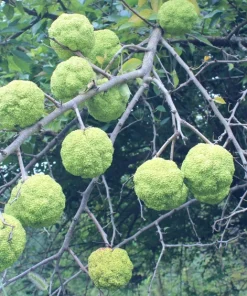
The thorns are a natural defense mechanism and are present on the branches, contributing to its effectiveness as a barrier plant. The plant will develop its characteristic large, bumpy, green fruits in the fall, which can be quite striking. Expect these plants to establish well within their first growing season, showing vigorous new growth if provided with appropriate care. These trees are robust and designed for longevity, providing decades of service as a natural fence or ornamental feature.
Frequently Asked Questions
- Q: How big does this Osage Orange tree live plant get? A: Our live plants are 16-24 inches tall upon arrival. If left unpruned, a mature Osage Orange tree can reach 30-50 feet tall and wide. When used as a hedge, its size can be maintained through regular pruning.
- Q: Is this an indoor or outdoor plant? A: The Osage Orange tree live plant is an outdoor plant, best suited for planting in gardens, fields, or property lines where it can receive ample sunlight and space to grow. It is not suitable for indoor cultivation.
- Q: How much sunlight does the Maclura pomifera hedge need? A: For optimal growth and density, this tree requires full sun, meaning at least 6-8 hours of direct sunlight per day. It can tolerate partial shade, but growth may be slower and less vigorous.
- Q: What condition will the Osage Orange plant arrive in? A: Your Osage Orange tree live plant will arrive as a bare-root specimen, meaning it will be dormant with no soil around its roots. This is a common and effective way to ship deciduous trees for successful transplanting.
- Q: Is this plant easy to care for? A: Yes, the Osage Orange is known for its hardiness and low maintenance. Once established, it is drought-tolerant and generally resistant to pests and diseases, making it an easy-care option for many gardeners.
- Q: When is the best time to plant a natural fence tree like this? A: The best time to plant bare-root Osage Orange trees is in early spring, after the last frost, or in late fall after the leaves have dropped and before the ground freezes.
- Q: What USDA Hardiness Zones is this plant suitable for? A: The Osage Orange tree is extremely hardy and thrives in USDA Zones 4-9, making it adaptable to a wide range of climates across the United States.
- Q: What kind of soil does an Osage Orange plant care for? A: This tree is highly adaptable and can grow in various soil types, including poor or compacted soils. However, it prefers well-draining soil for best performance.
- Q: Will the Osage Orange tree produce fruit? A: Yes, established Osage Orange trees will produce large, green, textured fruits, often called “hedge apples,” in the fall. These fruits are generally not consumed by humans.
- Q: Can I use this tree for erosion control? A: Absolutely. The strong and extensive root system of the Osage Orange makes it an excellent choice for stabilizing soil and preventing erosion, particularly on slopes or in areas prone to soil loss.
Be the first to review “Osage Orange Tree (Maclura pomifera) Live Hedge Plant 16-24 Inches Tall”
People Also Viewed
Reviews
There are no reviews yet.