
Purple Passion Plant Live Plant – Gynura Aurantiaca in 4 inch Pot – Indoor Houseplant
Original price was: $42.99.$17.99Current price is: $17.99.
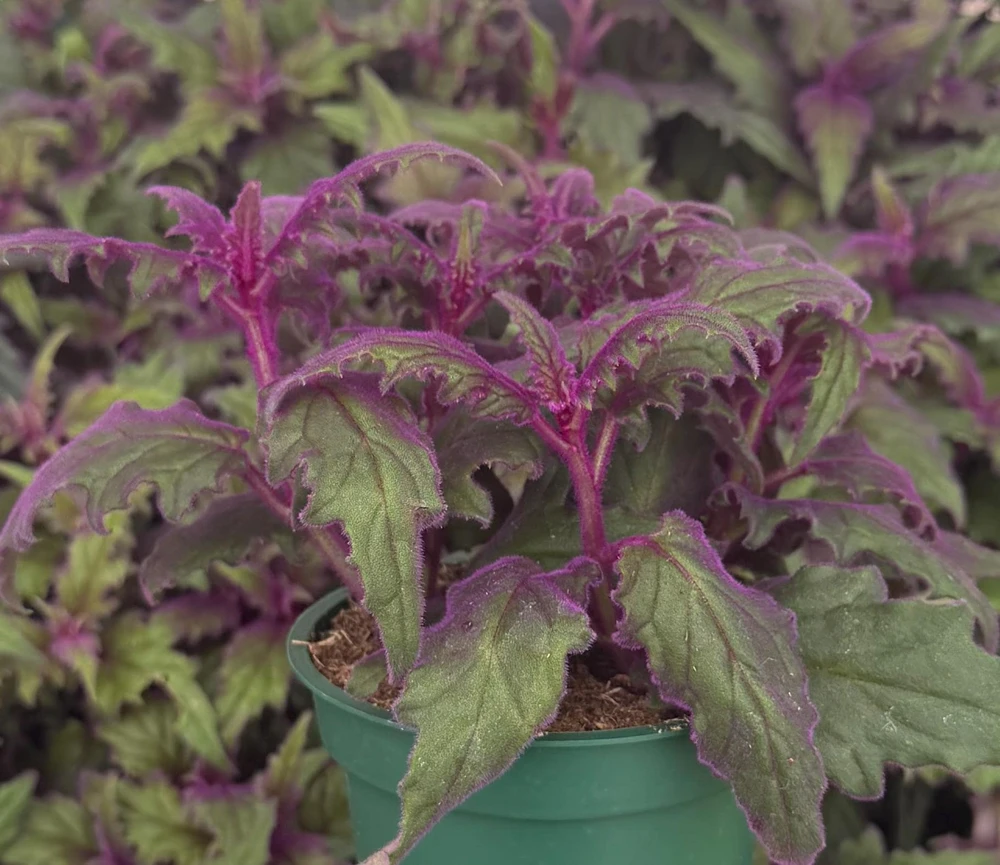
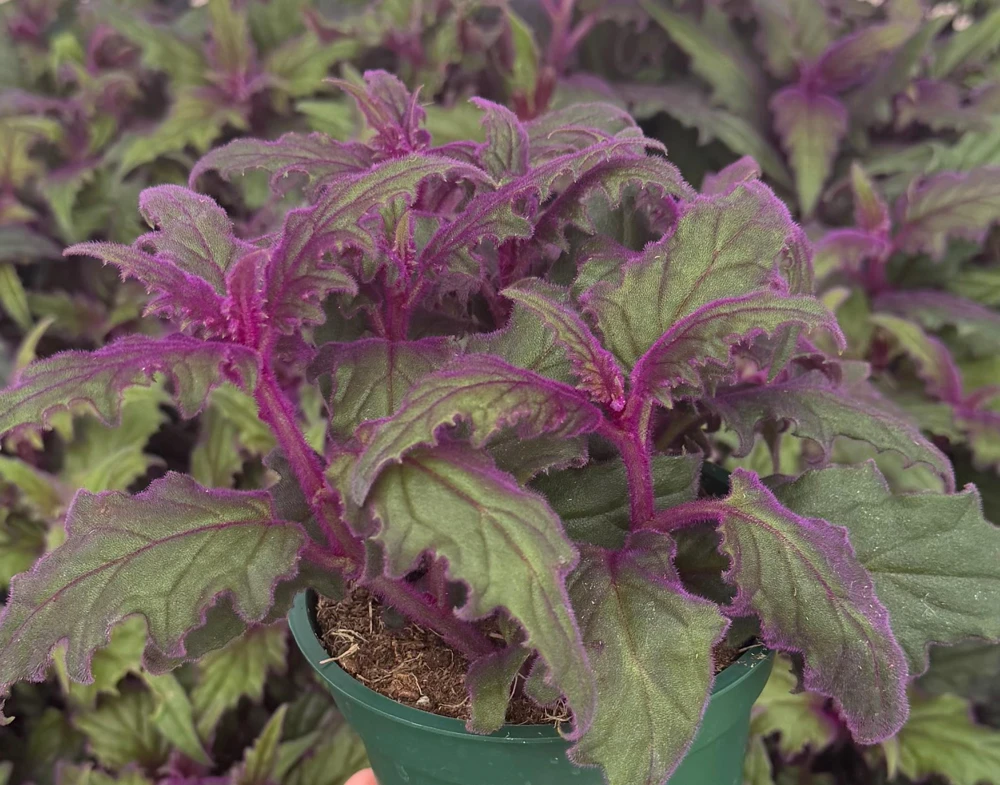
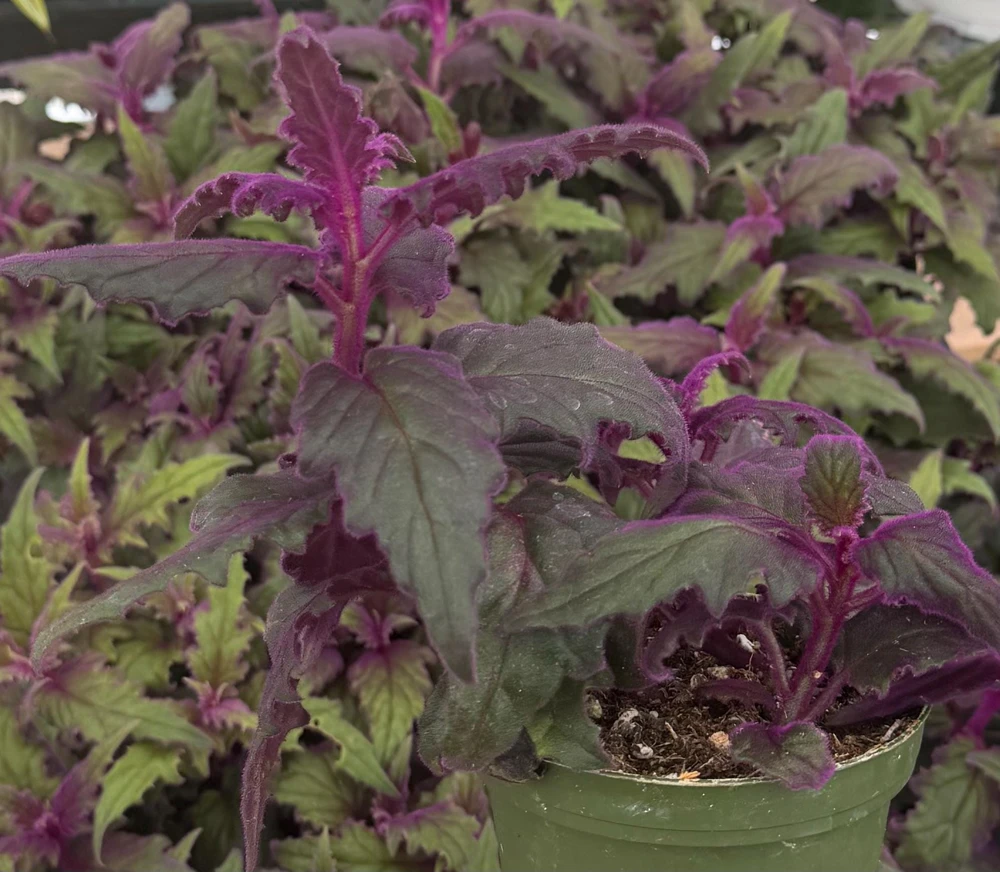
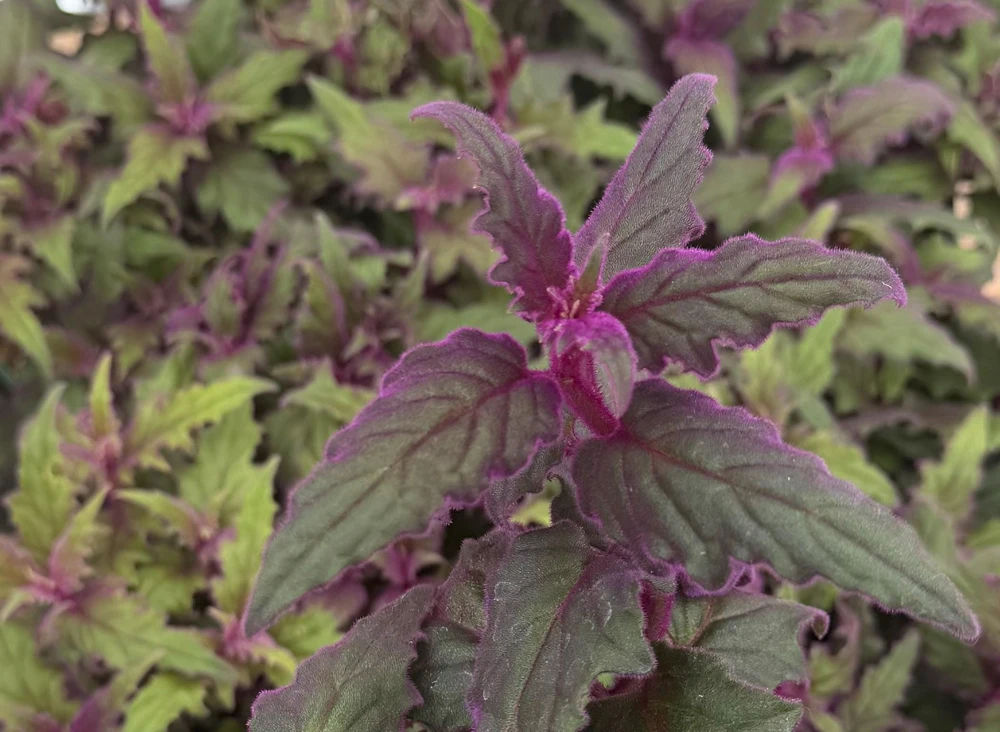
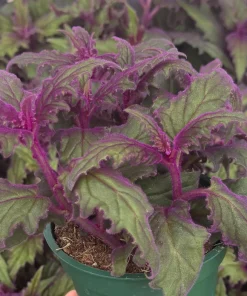
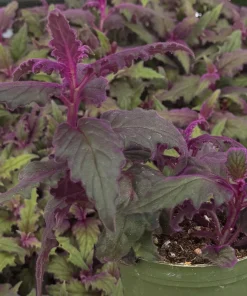
Add a vibrant splash of color to your home with the purple passion plant (Gynura Aurantiaca). This indoor trailing plant features unique velvety leaves covered in striking purple hairs, making it a truly eye-catching addition. Perfect for hanging baskets or decorative pots, this easy care houseplant thrives with bright, indirect light and minimal fuss.
Estimated arrival
Oct 15
Oct 20 - Oct 22
Oct 25 - Oct 29
Shop With Confidence
30-Day Plant Health Guarantee
Arrives damaged? We’ll replace it free — see our return policy.
Responsive Support
Email us anytime, we reply within 1 business day.
Expert Packaging
Temperature-controlled shipping to protect your plants in transit.
Secure Checkout
Pay safely with Visa, Mastercard, PayPal.
Plant Specifications
-
USDA Hardiness Zone
year-round indoors (USDA zones 10-11 if outdoors) -
Soil Type
well-draining potting mix -
Sunlight Exposure
bright indirect light -
Expected Planting Period
year-round indoors
Overview
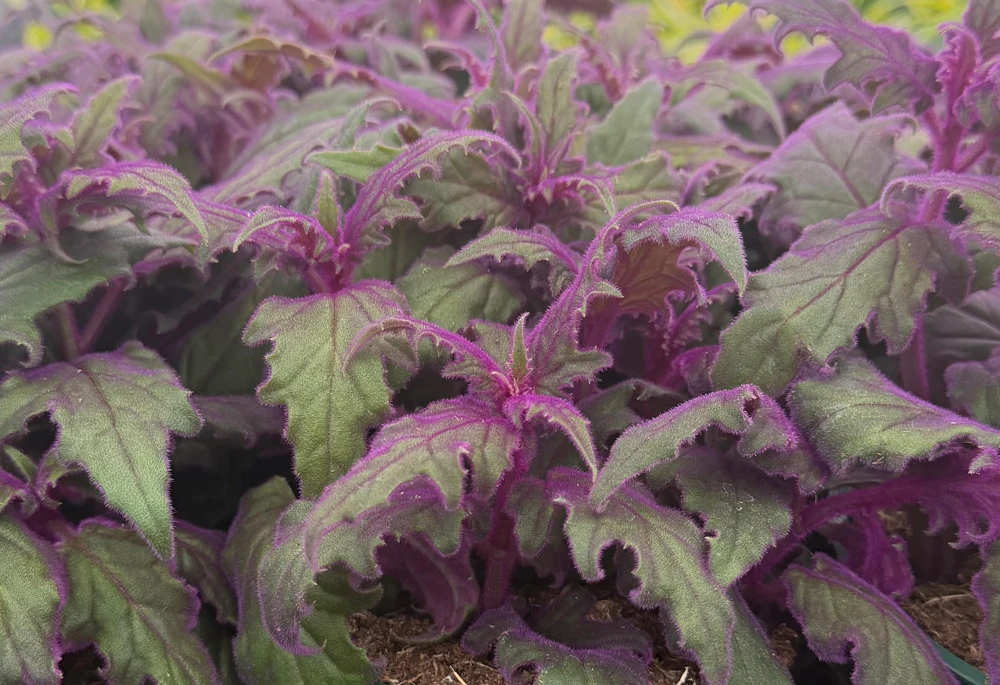
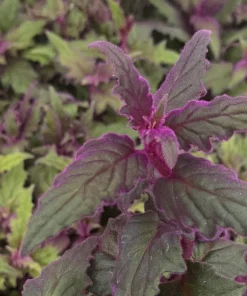
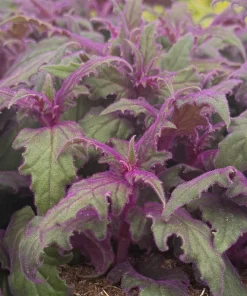
Introduce a captivating pop of color and unique texture to your indoor garden with the magnificent purple passion plant. Also known by its scientific name, Gynura aurantiaca, and sometimes referred to as the purple velvet plant, this tropical houseplant is celebrated for its extraordinary foliage. Its deep green leaves are adorned with fine, soft purple hairs, creating a velvety texture that shimmers with an iridescent purple glow when kissed by light. Originating from Southeast Asia, this fast-growing beauty is a member of the daisy family (Asteraceae) and brings an exotic, vibrant touch to any interior space. Unlike many houseplants, its allure lies not in its flowers, but in its dramatic, colorful leaves, making it a focal point in any room. Our gynura aurantiaca live plant comes ready to thrive in a 4-inch nursery pot, perfectly sized for immediate display or transplanting.
The purple passion plant is an ideal choice for both novice and experienced plant enthusiasts due to its relatively straightforward care requirements and rapid growth. Its trailing stems make it a versatile addition, perfect for elevating in hanging baskets where its vibrant tendrils can cascade gracefully, or as a striking accent in decorative indoor planters. This plant offers a constant display of color and intriguing texture, ensuring your living space feels lively and refreshed. Embrace the unique charm of this stunning plant and watch as its intense purple coloration transforms your home.
Key Benefits
The purple passion plant offers a multitude of benefits beyond its stunning aesthetics, making it a highly desirable addition to any indoor plant collection. Its unique attributes contribute to both visual appeal and ease of care, ensuring a rewarding gardening experience.
- Exceptional Visual Appeal: The most striking feature of the purple passion plant is its incredibly vibrant, velvety purple foliage. The rich green leaves are covered in soft, iridescent purple hairs that create a shimmering effect, providing a unique and captivating display unlike any other houseplant. It instantly draws attention and adds a bold statement to your decor.
- Versatile Decor Element: With its trailing growth habit, this plant is incredibly versatile. It looks spectacular in hanging baskets, allowing its colorful stems to cascade downwards, or can be trained to climb. It also makes an excellent centerpiece in a decorative pot on a shelf or desk, adding a dynamic vertical element.
- Fast-Growing & Rewarding: The gynura aurantiaca live plant is known for its relatively fast growth rate, quickly filling out its space and creating a lush appearance. This rapid development is satisfying for growers, as you can visibly see the plant thriving and expanding, offering a continuous sense of accomplishment.
- Easy Care for Beginners: Considered an easy care houseplant, the purple passion plant is forgiving and straightforward to maintain, making it an excellent choice for those new to indoor gardening. Its basic needs are easily met, allowing beginners to enjoy the beauty of houseplants without extensive knowledge or effort.
- Unique Texture & Color: The combination of its velvety texture and vivid purple hue sets the purple passion plant apart. This tactile and visual experience adds depth and interest to your plant collection, offering a sensory delight that is both uncommon and beautiful. It’s a true conversation starter.
- Air Purifying Qualities: Like many houseplants, the Gynura Aurantiaca contributes to a healthier indoor environment by helping to filter airborne toxins. While not as potent as some dedicated air purifiers, it still aids in improving air quality, making your living space fresher.
Plant Care & Growing Tips
Caring for your purple passion plant (Gynura Aurantiaca) is relatively simple, allowing even beginner plant enthusiasts to enjoy its vibrant beauty. The key to maintaining its intense purple coloration and healthy growth lies in providing the right environmental conditions.
Sunlight Requirements: This plant thrives in bright, indirect light. Placing it near a window that receives plenty of bright, filtered sunlight, such as an east or west-facing window, is ideal. Direct, harsh sunlight can scorch its delicate leaves and fade the purple coloration, while too little light will result in a duller green appearance with less prominent purple hairs. Rotate your plant periodically to ensure even growth and consistent light exposure on all sides. An indoor trailing plant like this will appreciate consistent light to develop its best color.
Watering Schedule and Soil Moisture: Water your gynura aurantiaca live plant when the top inch of soil feels dry to the touch. It prefers consistently moist, but not waterlogged, soil. Overwatering can lead to root rot, so ensure adequate drainage. During the colder months or periods of slower growth, reduce watering frequency. Always use room-temperature water to avoid shocking the plant. This easy care houseplant is quite resilient, but consistent watering is crucial.
Soil Type and Drainage: The purple passion plant prefers a well-draining potting mix. A standard indoor potting mix amended with perlite or orchid bark will provide the necessary drainage and aeration for its roots. Good drainage is paramount to prevent waterlogging and promote healthy root development. Ensure the pot has drainage holes.
Temperature Range and USDA Hardiness Zone: Gynura Aurantiaca is a tropical plant and prefers warm temperatures, ideally between 65–80°F (18–27°C). Avoid exposing it to temperatures below 50°F (10°C), as cold drafts can damage the foliage. As an indoor plant, it’s not typically grown outdoors in most USDA zones, but if you live in a tropical climate (USDA zones 10-11), it can be grown outside in shaded areas. Moderate humidity is preferred, so consider misting occasionally or placing it near a humidifier, especially in dry environments.
Fertilization Schedule and Type: Feed your purple passion plant every 2-4 weeks during the growing season (spring and summer) with a balanced liquid houseplant fertilizer diluted to half strength. Reduce or stop fertilization during the fall and winter months when the plant’s growth slows down. Over-fertilization can lead to nutrient burn, so always follow product instructions.
Common Problems and Solutions: Watch out for common houseplant pests like spider mites, mealybugs, and aphids. Inspect your plant regularly and treat any infestations promptly with insecticidal soap or neem oil. Yellowing leaves can indicate overwatering, while crispy brown edges may suggest underwatering or low humidity. If the purple coloration fades, it’s likely receiving insufficient light, indicating a need to move your purple velvet plant to a brighter spot.
Size & Details
This offering includes one vibrant purple passion plant (Gynura Aurantiaca), meticulously grown and delivered in a standard 4-inch nursery pot. The plant’s overall height will vary slightly but typically measures between 4 to 8 inches from the base of the pot to the top of the foliage upon arrival, ready to begin its journey in your home. The plant’s trailing stems can grow quite long, reaching lengths of up to 2-3 feet or more when mature, making it an excellent choice for hanging baskets or shelves where it can elegantly cascade. Its growth rate is considered fast, allowing you to enjoy a lush, full plant relatively quickly with proper care.
Our gynura aurantiaca live plant is carefully packaged to ensure it arrives in optimal health, ready to thrive in its new environment. While the primary appeal of this purple velvet plant lies in its stunning foliage, it may produce small, orange, daisy-like flowers. However, these flowers are often considered insignificant and can have an unpleasant odor, so many growers opt to pinch them off to encourage more foliage growth. This indoor trailing plant is a fantastic way to add continuous color and unique texture to your living space, growing into a substantial and eye-catching specimen over time.
Frequently Asked Questions
- Q: How big does this plant get and what size pot does it come in? A: Your purple passion plant arrives in a 4-inch nursery pot. Its trailing stems can grow quite long, typically reaching 2-3 feet or more in length, making it ideal for hanging displays or allowing it to cascade from shelves.
- Q: Is this an indoor or outdoor plant? How much sunlight does it need? A: The purple passion plant is primarily an indoor houseplant. It thrives in bright, indirect light. Direct sunlight can scorch its leaves, while too little light will diminish its vibrant purple color.
- Q: Is this plant easy to care for? Is it good for beginners? A: Yes, the purple passion plant is considered an easy care houseplant and is an excellent choice for beginners. It has relatively simple needs for light, water, and humidity, making it forgiving and rewarding to grow.
- Q: What condition will it arrive in? Is it shipped in soil? A: Our gynura aurantiaca live plant is shipped securely in its 4-inch nursery pot with soil, carefully packaged to minimize stress and ensure it arrives healthy and ready to thrive in your home.
- Q: Can I propagate my purple passion plant? A: Yes, the purple passion plant is very easy to propagate from stem cuttings. Simply take a cutting, remove the lower leaves, and place it in water or moist potting mix. Roots typically form within a few weeks.
- Q: How often should I water my purple velvet plant? A: Water your purple velvet plant when the top inch of soil feels dry to the touch. Ensure the pot has good drainage to prevent root rot. It prefers consistently moist, but not soggy, soil.
- Q: What is the ideal temperature range for this indoor trailing plant? A: This tropical plant prefers warm indoor temperatures between 65–80°F (18–27°C). Avoid cold drafts and temperatures below 50°F (10°C), as these can harm the plant.
- Q: Why is my purple passion plant losing its vibrant color? A: If your purple passion plant is losing its intense purple coloration and appearing more green, it’s likely not receiving enough bright, indirect light. Move it to a brighter location to restore its vibrant hues.
- Q: Does the purple passion plant flower? A: Yes, it can produce small, orange, daisy-like flowers. However, these flowers are often considered unappealing and can have an unpleasant odor, so many growers choose to pinch them off to encourage more foliage growth from their indoor trailing plant.
Be the first to review “Purple Passion Plant Live Plant – Gynura Aurantiaca in 4 inch Pot – Indoor Houseplant”
People Also Viewed

Reviews
There are no reviews yet.