
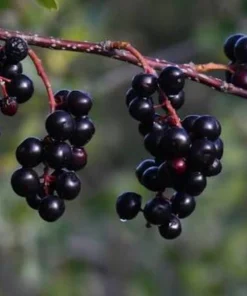
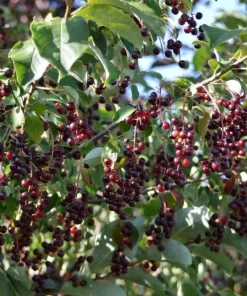
Live Chokecherry Plant – Small – 8″ Tall – 5″ Pot – Deciduous Native Fruit Shrub/Small Tree – Cold-Hardy Wildlife & Ornamental Plant
Original price was: $47.99.$27.99Current price is: $27.99.
Estimated arrival
Sep 29
Oct 04 - Oct 06
Oct 09 - Oct 13
Shop With Confidence
30-Day Plant Health Guarantee
Arrives damaged? We’ll replace it free — see our return policy.
Responsive Support
Email us anytime, we reply within 1 business day.
Expert Packaging
Temperature-controlled shipping to protect your plants in transit.
Secure Checkout
Pay safely with Visa, Mastercard, PayPal.
Plant Specifications
“`json { “meta_title”: “Live Chokecherry Plant – 8″ Tall Deciduous Native Fruit Shrub”, “google_title”: “Chokecherry Live Plant – 8″ Tall Deciduous Native Fruit Shrub – 5″ Pot – Outdoor”, “meta_description”: “Grow a chokecherry live plant, a cold-hardy native fruit shrub or small tree. Attract wildlife with beautiful blossoms and edible berries.”, “meta_focus_keyword”: “chokecherry live plant, native fruit shrub, Prunus virginiana, chokecherry care, wildlife garden plant”, “categories”: “Shrubs”, “google_product_category_path”: “Home & Garden> Plants> Indoor & Outdoor Plants> Bushes & Shrubs”, “google_product_category_id”: “unknown”, “short_description”: “
Bring a resilient chokecherry live plant to your landscape. This 8-inch tall deciduous shrub or small tree, grown in a 5-inch pot, offers attractive spring blossoms and dark purple-black berries, perfect for wildlife and native gardens. It’s a cold-hardy and ornamental choice for any outdoor space.
“, “long_description”: “
Overview
n
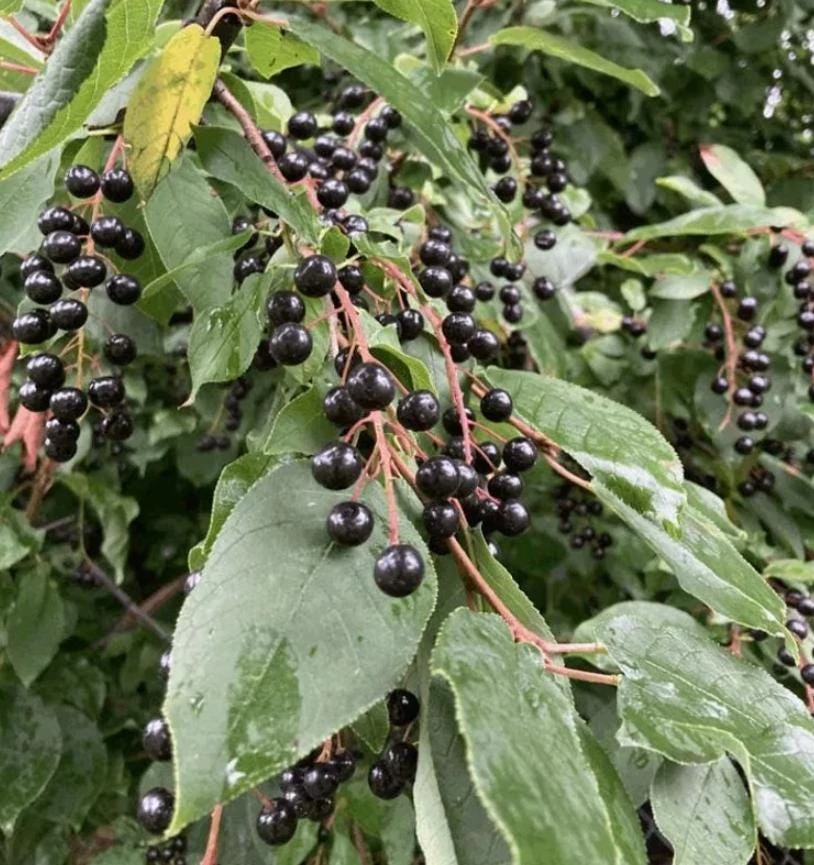
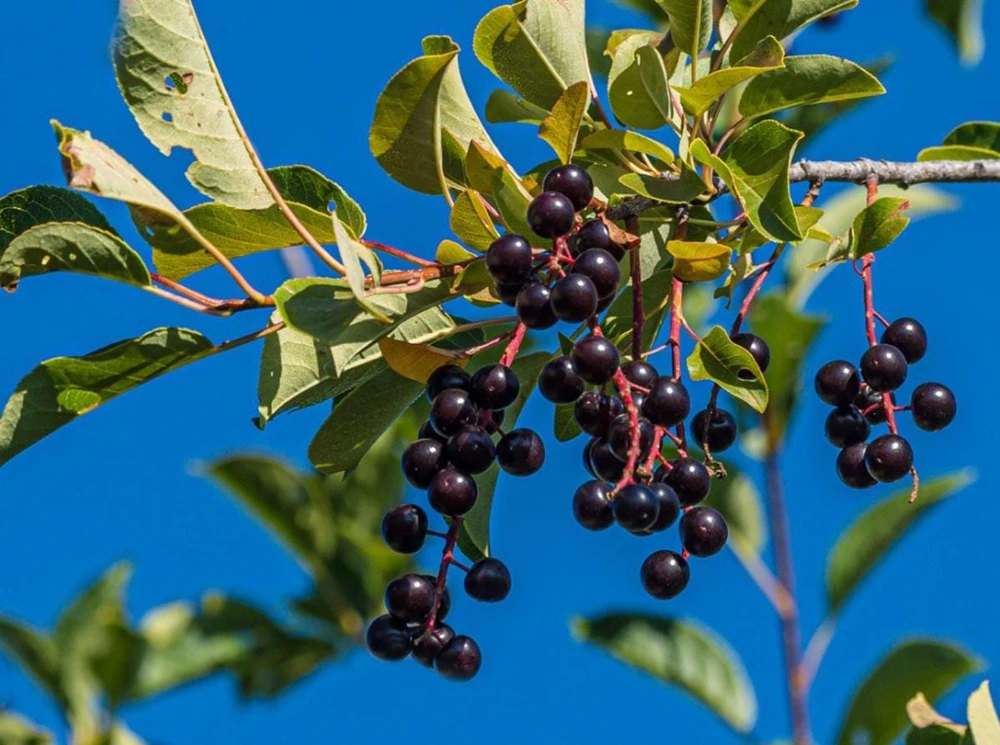
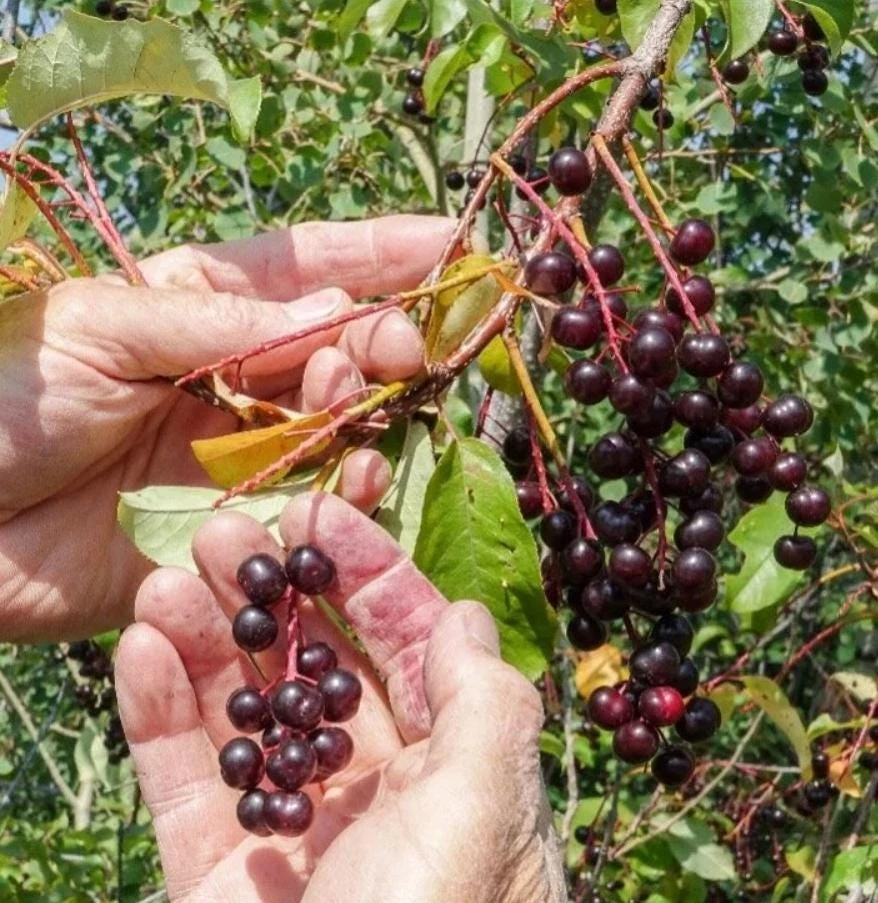
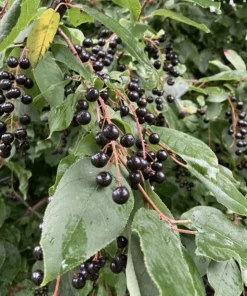
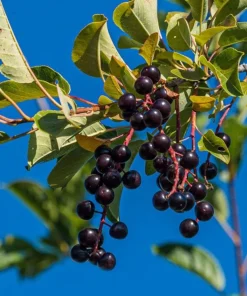
Cultivate a piece of native beauty with this chokecherry live plant, a stunning addition to any garden or landscape. This particular specimen arrives as a healthy, young plant, approximately 8 inches tall and nestled in a 5-inch nursery pot, ready for transplanting. Known botanically as Prunus virginiana, the chokecherry live plant is a versatile deciduous shrub or small tree celebrated for its hardiness and multi-seasonal appeal. From its delicate white spring flowers that attract pollinators to its clusters of dark, edible berries in late summer that are a favorite of birds and other wildlife, this plant offers continuous interest. It’s an excellent choice for those looking to enhance biodiversity, add ornamental value, or grow a resilient native fruit producer in their outdoor environment. Whether you’re designing a wildlife garden, a naturalized area, or simply seeking a tough, beautiful plant, the chokecherry is an outstanding option.
n
The chokecherry live plant adapts well to various growing conditions, making it a reliable choice for gardeners across many regions. Its robust nature and ability to thrive in diverse soils contribute to its popularity. As a native species, it requires less maintenance once established compared to many non-native alternatives, making it an eco-friendly and practical selection. This young plant provides an excellent starting point for establishing a long-lived, beneficial element in your landscape.
nn
Key Benefits
n
Adding a chokecherry live plant to your garden offers a multitude of advantages, blending aesthetic appeal with ecological benefits. Its hardiness and adaptability make it a low-stress choice for many gardeners, while its natural beauty enhances any setting.
n
- n
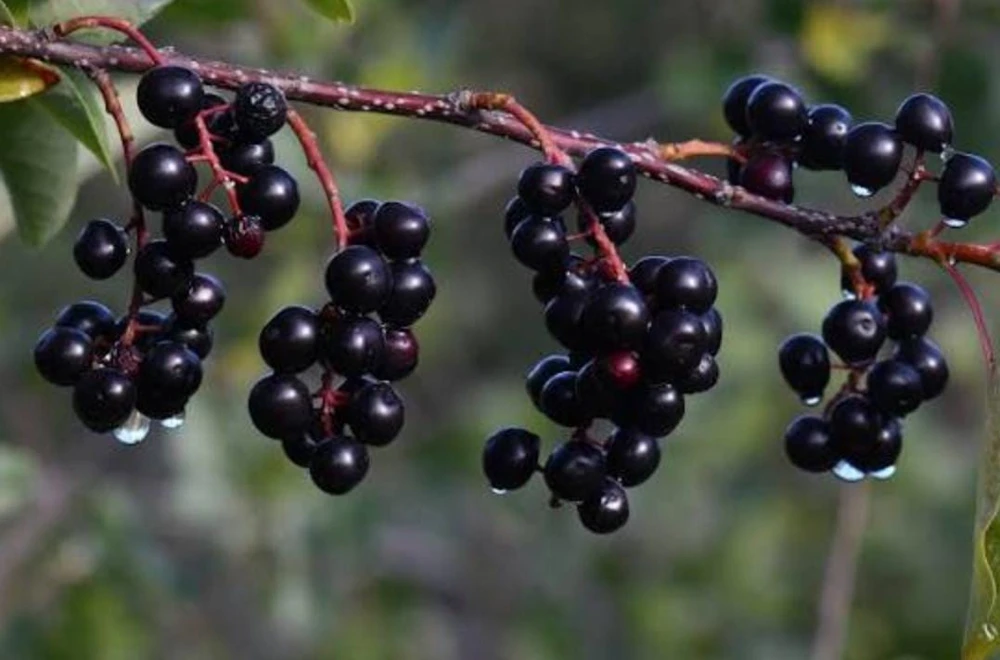
- Wildlife Attraction: The flowers provide nectar for pollinators, and the dark purple-black berries are a crucial food source for birds, small mammals, and other wildlife, making it an excellent choice for a wildlife garden plant.
- Ornamental Value: Enjoy beautiful white flower clusters in spring, followed by attractive green foliage that turns yellow-orange in fall, providing seasonal interest throughout the year.
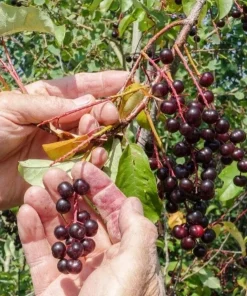
- Edible Fruit Production: The berries, while tart, are edible when mature and can be used to make jams, jellies, pies, and wines, offering a unique homegrown treat.
- Cold Hardiness: This native plant is exceptionally cold-hardy, thriving in a wide range of USDA zones and requiring minimal winter protection in most climates.
- Erosion Control: Its extensive root system helps stabilize soil, making it useful in preventing erosion on slopes or along banks.
- Adaptability: The chokecherry live plant is highly adaptable to various soil types and can tolerate both full sun and partial shade, providing flexibility in placement.
- Native Species: By planting a native species like Prunus virginiana, you support local ecosystems and biodiversity, contributing to a healthier environment.
n
n
n
n
n
n
n
nn
Plant Care & Growing Tips
n
Caring for your chokecherry live plant is relatively straightforward, thanks to its native resilience. Upon arrival, carefully unpack your 8-inch tall plant and prepare it for transplanting. Choose a location in your garden that receives full sun to partial shade; while it tolerates partial shade, more sun generally leads to better flowering and fruiting. Ensure the soil is well-draining, though chokecherries are adaptable to a variety of soil types including clay, loam, and sand. Dig a hole twice as wide as the root ball and just as deep, then carefully place the plant, backfill with soil, and water thoroughly.
n
During its establishment period, which typically lasts for the first year, water your chokecherry live plant regularly to keep the soil consistently moist but not waterlogged. Once established, it becomes moderately drought-tolerant, requiring less frequent watering. Fertilization is generally not heavily needed; a light application of a balanced slow-release fertilizer in early spring can support vigorous growth and fruit production. Pruning should be done in late winter while the plant is dormant to maintain its desired shape, remove any dead or diseased branches, and encourage new growth. The plant is very cold-hardy, making specific overwintering protection largely unnecessary in most suitable climates. Understanding proper chokecherry care will ensure a thriving plant for years to come.
n
Monitor your plant for common pests and diseases, though chokecherries are generally robust. Ensure good air circulation around the plant to deter fungal issues. With proper siting and minimal ongoing maintenance, your native fruit shrub will flourish, providing beauty and ecological benefits to your landscape.
nn
Size & Details
n
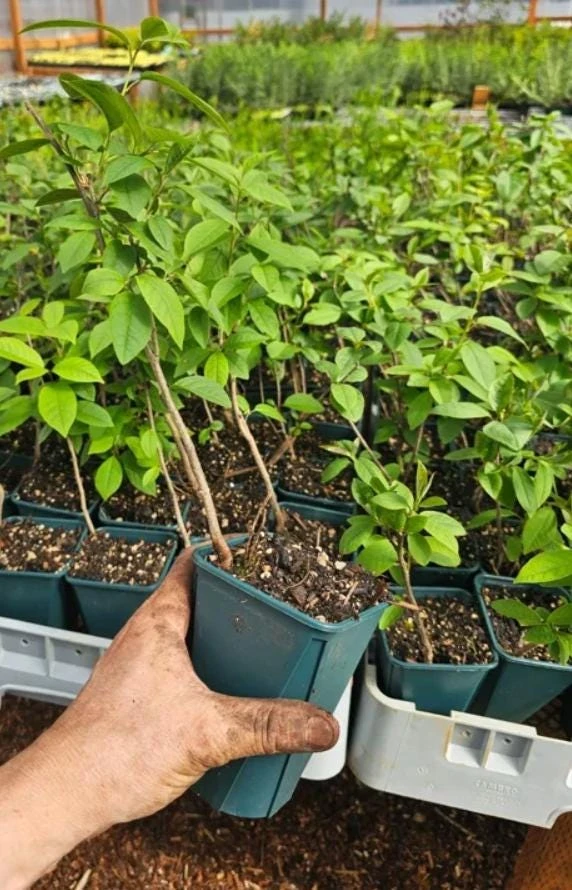
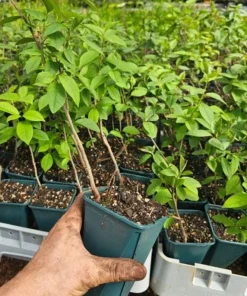
This offering is for one healthy chokecherry live plant, approximately 8 inches tall at the time of shipping. It is cultivated in an individual 5-inch nursery pot, providing a well-developed root system ready for transplanting into your garden. The pot size indicates the root ball’s development, which is crucial for successful establishment, rather than just the visible height of the plant. As a deciduous perennial, this plant will shed its leaves in the fall and regrow them in spring, displaying its full life cycle. When mature, chokecherry plants can grow into a multi-stemmed shrub or a small tree, typically reaching heights of 10 to 20 feet with a similar spread, depending on growing conditions and pruning practices. Its growth rate is moderate, allowing it to establish and mature within a few years, providing a long-term addition to your landscape.
n
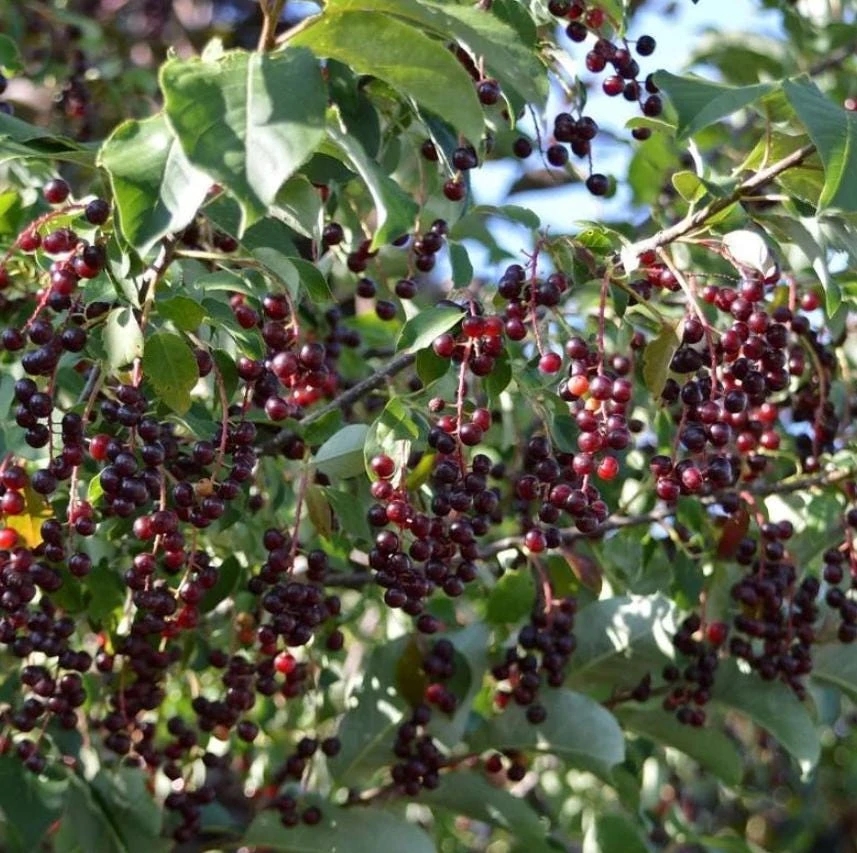
The plant is shipped as a young live specimen, and while care is taken to ensure consistency, slight variations in size and appearance are natural. The images often depict mature plants for reference, but your shipped plant will be a smaller, starter size, ideal for establishing a strong root system in its new home. This native fruit shrub is a long-term investment, offering seasonal beauty and wildlife benefits for many years.
nn
Frequently Asked Questions
n
- n
- Q: How big does this plant get? A: This chokecherry live plant ships at about 8 inches tall in a 5-inch pot. Mature chokecherry plants can grow into a shrub or small tree, typically reaching 10-20 feet in height and spread, depending on growing conditions and pruning.
- Q: Is this an indoor or outdoor plant? A: The chokecherry is an outdoor plant. It is a cold-hardy deciduous shrub or small tree native to North America, best suited for planting in garden landscapes, wildlife areas, or as part of a windbreak.
- Q: How much sunlight does it need? A: This plant thrives in full sun to partial shade. For the best flowering and fruiting, aim for at least 6 hours of direct sunlight per day. It can tolerate some shade, but performance may be reduced.
- Q: Is this plant easy to care for? A: Yes, the chokecherry is considered an easy-to-care-for plant, especially once established. Its native resilience means it’s adaptable to various conditions and generally low-maintenance, making it suitable for gardeners of all experience levels.
- Q: What condition will it arrive in? A: Your chokecherry live plant will arrive as a young, healthy specimen in a 5-inch nursery pot, with its root system intact. We take great care in packaging to ensure it reaches you in the best possible condition, ready for transplanting.
- Q: Can I eat the berries from this plant? A: Yes, the dark purple-black berries are edible when mature. They are quite tart but can be used to make delicious jams, jellies, pies, and wines. They are also a valuable food source for wildlife.
- Q: When is the best time to plant this chokecherry? A: The best time to plant your chokecherry is in spring or early fall when temperatures are moderate. This allows the plant to establish its root system before extreme heat or cold sets in.
- Q: Will it survive winter in my zone? A: Yes, the chokecherry is very cold-hardy. It is native to regions with cold winters and typically requires no special winter protection in its suitable USDA hardiness zones.
- Q: What kind of soil does this plant prefer? A: The chokecherry is adaptable to many soil types but prefers well-draining conditions. It can tolerate a range from sandy to clay soils, as long as they are not waterlogged.
- Q: Why is it called “chokecherry”? A: The name comes from the tart, astringent taste of the raw berries, which can make your mouth pucker or “choke.” This tartness mellows significantly when the berries are cooked or processed.
n
n
n
n
n
n
n
n
n
n
“, “key_features”: { “usda_zone”: “USDA zones 2-7”, “soil_type”: “Well-draining soil”, “sunlight_exposure”: “Full sun to partial shade”, “expected_planting_period”: “Spring to early summer” } } “`
Be the first to review “Live Chokecherry Plant – Small – 8″ Tall – 5″ Pot – Deciduous Native Fruit Shrub/Small Tree – Cold-Hardy Wildlife & Ornamental Plant”
People Also Viewed
Houseplants
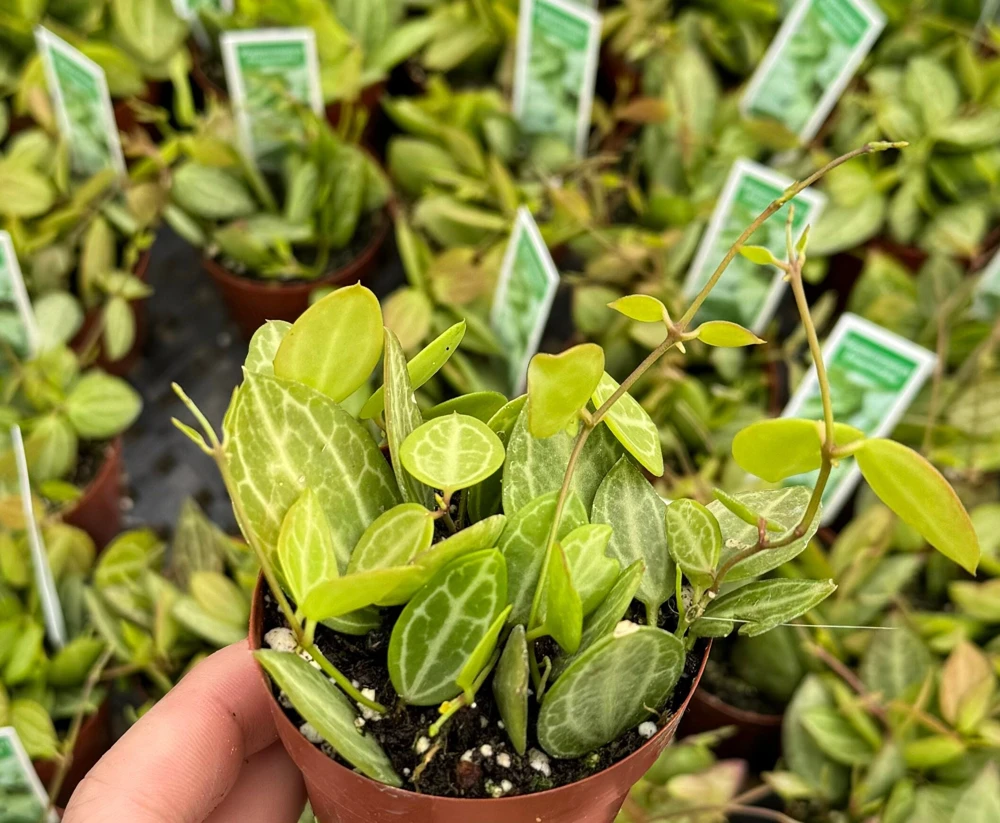
Rainbow Vine Pellionia Daveauana Live Plant – 2.5″ Pot – Terrarium & Fairy Garden Houseplant
Reviews
There are no reviews yet.