

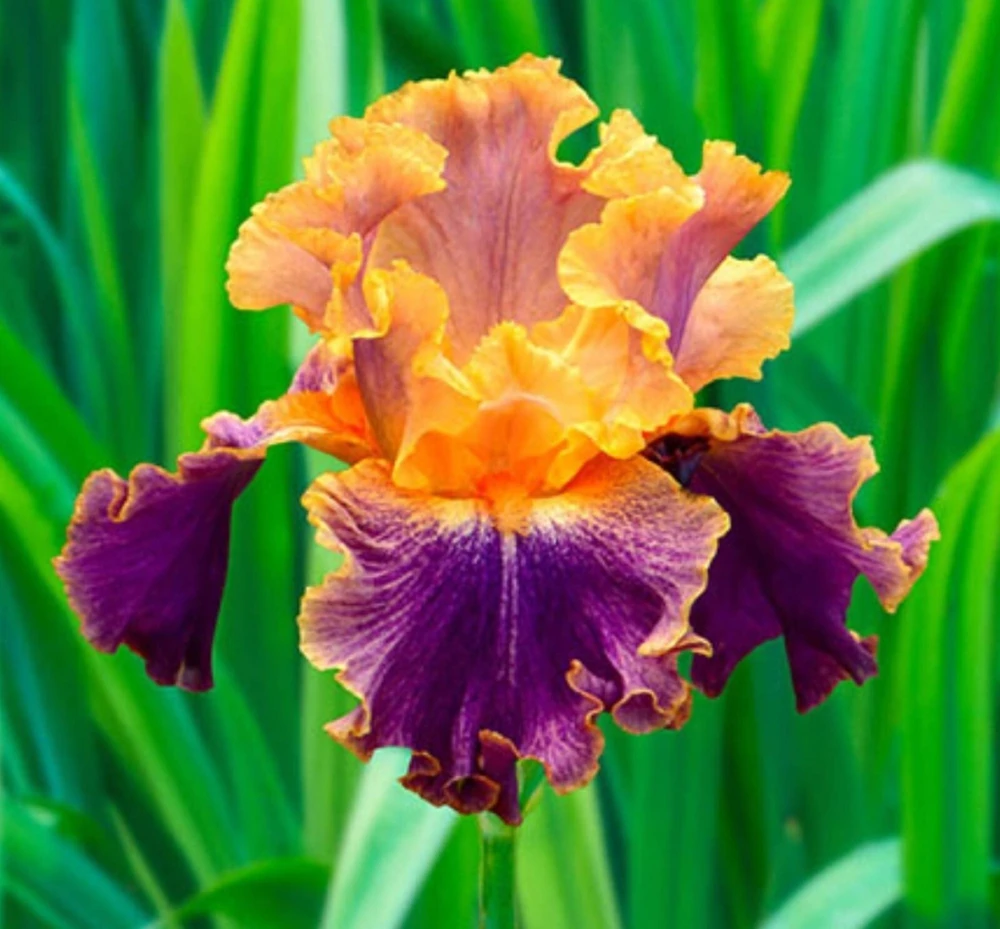
Iris Seeds – Flowering Iris Plant Seeds – Easy to Grow Garden Seeds
Original price was: $55.99.$30.99Current price is: $30.99.
Cultivate a breathtaking garden with our premium iris seeds. These easy-to-grow seeds promise vibrant, beautiful iris flower seeds that will add elegance and color to any outdoor space.
Estimated arrival
Oct 27
Nov 01 - Nov 03
Nov 06 - Nov 10
Shop With Confidence
30-Day Plant Health Guarantee
Arrives damaged? We’ll replace it free — see our return policy.
Responsive Support
Email us anytime, we reply within 1 business day.
Expert Packaging
Temperature-controlled shipping to protect your plants in transit.
Secure Checkout
Pay safely with Visa, Mastercard, PayPal.
Plant Specifications
-
USDA Hardiness Zone
USDA zones 3-9 (general iris range) -
Soil Type
Well-draining sandy loam -
Sunlight Exposure
Full sun to partial shade -
Expected Planting Period
Fall or early spring
Overview
Transform your garden into a vibrant showcase of color and elegance with our premium iris seeds. These high-quality seeds provide an economical and rewarding way to cultivate stunning iris flowers, known for their intricate petals and diverse hues. Growing irises from seed allows you to experience the full life cycle of these magnificent plants, offering a deep connection to nature and a sense of accomplishment. Whether you’re an experienced gardener or just starting, our iris seeds are selected for their viability and potential to produce robust, healthy plants. Irises are a classic choice for garden beds, borders, and even containers, bringing a touch of sophistication wherever they bloom.
Our iris seeds are a fantastic alternative to bulbs, often providing a wider variety of genetic traits and a more cost-effective approach to expanding your iris collection. Each seed holds the promise of a unique bloom, making every successful germination an exciting surprise. These seeds are suitable for a wide range of climates and soil types, making them a versatile option for gardeners across the United States. Prepare to enjoy the delicate beauty and captivating presence of freshly grown irises in your very own garden.
Key Benefits
Our iris seeds offer numerous advantages for gardeners looking to enhance their outdoor spaces. From their aesthetic appeal to their relative ease of cultivation, these seeds are an excellent choice for a rewarding gardening experience. Discover the many benefits of incorporating iris flowers into your landscape:
- Stunning Floral Displays: Irises produce some of the most visually striking flowers, featuring intricate patterns and a vast spectrum of colors, from deep purples and blues to bright yellows and whites. They create an immediate focal point in any garden.
- Cost-Effective Gardening: Purchasing iris seeds is often more economical than buying mature plants or bulbs, allowing you to cultivate a larger number of irises for a fraction of the cost. This is ideal for mass plantings or creating extensive iris beds.
- Rewarding Growing Process: There’s immense satisfaction in watching a plant grow from a tiny seed to a magnificent flowering specimen. The journey of growing iris from seed is a fulfilling experience for any gardening enthusiast.
- Attracts Pollinators: Iris flowers are known to attract beneficial pollinators like bees and butterflies to your garden, contributing to a healthier ecosystem and supporting local wildlife.
- Versatile Landscape Use: Irises are incredibly versatile and can be planted in various garden settings, including perennial borders, rock gardens, cottage gardens, or as striking specimen plants. They also make excellent cut flowers.
- Drought Tolerance: Once established, many iris varieties exhibit good drought tolerance, making them a relatively low-maintenance option for gardeners in drier climates or those seeking water-wise landscaping solutions.
- Variety and Uniqueness: Growing iris flower seeds can sometimes result in unique color combinations and forms due to genetic variations, giving you exclusive blooms that are truly one-of-a-kind.
Plant Care & Growing Tips
Successful cultivation of iris seeds begins with proper planting and attentive care. While irises are generally hardy, understanding their specific needs will ensure robust growth and abundant blooms. Start by selecting a site that receives at least 6 hours of direct sunlight per day. Irises thrive in full sun, which is crucial for strong flower production. In hotter climates, some afternoon shade can be beneficial to prevent scorching. Prepare your soil by ensuring it is well-draining, as irises are prone to rot in waterlogged conditions. A sandy loam soil with a slightly acidic to neutral pH (6.0-7.0) is ideal. Amend heavy clay soils with organic matter like compost and sand to improve drainage.
When planting iris seeds, consider scarifying them gently (lightly scratching the hard outer coat) or stratifying them (exposing them to cold temperatures) to encourage germination. Sow the seeds about 1/4 to 1/2 inch deep, spacing them a few inches apart. Keep the soil consistently moist but not soggy until germination occurs, which can take anywhere from a few weeks to several months depending on the variety and conditions. Once seedlings emerge, thin them to their final spacing, typically 12-18 inches apart for mature plants. Water established irises regularly during dry periods, especially when they are actively growing or flowering, but allow the soil to dry out between waterings. Fertilize sparingly with a low-nitrogen fertilizer in early spring, as too much nitrogen can promote foliage at the expense of flowers.
For optimal health and bloom, divide your iris clumps every 3-5 years, typically after flowering. This prevents overcrowding and rejuvenates the plants. Protect young plants from pests like slugs and snails, and watch out for common iris diseases such as bacterial soft rot, which is often a result of poor drainage. By following these guidelines for planting iris seeds and ongoing care, you can enjoy a spectacular display of iris flowers in your garden for years to come. Remember that patience is key when you grow iris from seed, but the reward is truly worth the wait.
Size & Details
These iris seeds are suitable for growing a diverse range of iris varieties, with mature plant sizes varying depending on the specific type cultivated. Most garden irises typically grow to a height of 18 to 36 inches (45-90 cm) with a spread of 12-24 inches (30-60 cm) once fully established. The seeds are shipped in a protective packet, ensuring their viability upon arrival. Expect germination to occur over several weeks to months, and flowering usually begins in the second year after planting, though some varieties may bloom sooner under ideal conditions. The growth rate is moderate, with plants reaching full maturity within 2-3 years. These seeds offer a flexible approach to starting your iris collection, allowing for a natural and robust development cycle.
Frequently Asked Questions
- Q: How long does it take for iris seeds to germinate? A: Germination time for iris seeds can vary significantly, often taking several weeks to several months. Some varieties may even require a period of stratification (cold treatment) to break dormancy and encourage sprouting. Patience is key with planting iris seeds.
- Q: Is it difficult to grow iris from seed? A: Growing iris from seed is generally considered moderately challenging but highly rewarding. It requires attention to detail regarding soil preparation, moisture, and temperature, but with proper care, it’s a very fulfilling endeavor.
- Q: How much sunlight do iris plants need? A: Irises thrive in full sun, requiring at least 6 hours of direct sunlight per day for optimal growth and flowering. In very hot climates, a little afternoon shade can protect the blooms from scorching.
- Q: What type of soil is best for iris seeds? A: Well-draining soil is crucial for irises to prevent root rot. A sandy loam with a slightly acidic to neutral pH (6.0-7.0) is ideal. Amend heavy clay soils with organic matter to improve drainage.
- Q: When is the best time to plant iris seeds? A: The best time to plant iris seeds is typically in the fall or early spring. Fall planting allows for natural stratification over winter, which can aid germination. You can also stratify them artificially.
- Q: What condition will the iris seeds arrive in? A: The iris seeds will arrive in a sealed, protective packet designed to maintain their freshness and viability until you are ready to plant them in your garden.
- Q: Will these iris seeds produce different colored flowers? A: When you grow iris from seed, especially from open-pollinated sources, there’s a good chance of genetic variation, which can result in a delightful array of different flower colors and patterns, adding unique diversity to your garden.
- Q: How often should I water my iris seedlings? A: Keep the soil consistently moist but not waterlogged for young iris seedlings. Once established, irises prefer the soil to dry out slightly between waterings, especially during the dormant season.
- Q: Are irises deer resistant? A: While no plant is entirely deer-proof, irises are generally considered to be deer-resistant due to their tough foliage and sometimes bitter taste. This makes them a good choice for gardens in areas with deer.
- Q: Can I grow iris seeds in containers? A: Yes, you can successfully grow iris seeds in containers. Choose pots with good drainage holes and use a well-draining potting mix. Ensure the containers are large enough to accommodate the mature root system of the iris.
Be the first to review “Iris Seeds – Flowering Iris Plant Seeds – Easy to Grow Garden Seeds”
People Also Viewed
Shrub Seeds
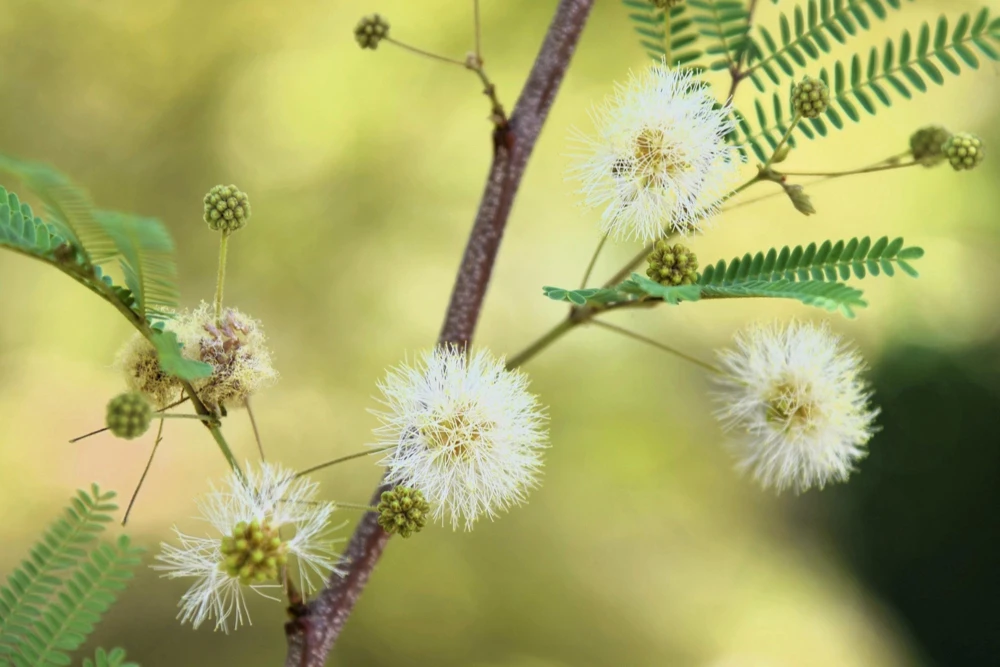
Feather Tree Seeds – Lysiloma Thornberi Desert Shrub, 20 Seeds, White Flowers, USDA Zones 9-11
Reviews
There are no reviews yet.