

Iris Seeds – Fresh Flowering Plant Seeds for Garden – 100 Seeds
Original price was: $55.99.$30.99Current price is: $30.99.
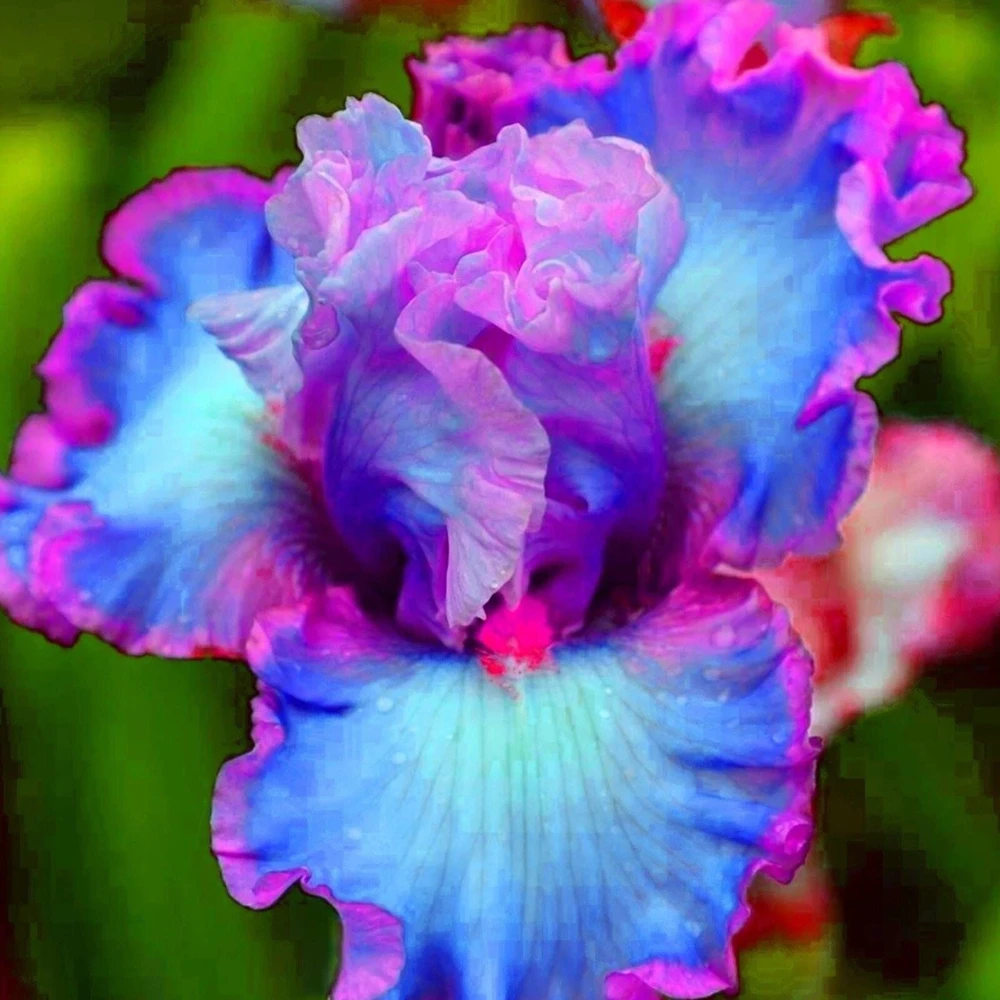
Cultivate stunning iris flowers with this packet of iris seeds. These fresh, high-quality iris flower seeds are ideal for creating a captivating garden display, offering vibrant blooms and a rewarding gardening experience.
Estimated arrival
Oct 27
Nov 01 - Nov 03
Nov 06 - Nov 10
Shop With Confidence
30-Day Plant Health Guarantee
Arrives damaged? We’ll replace it free — see our return policy.
Responsive Support
Email us anytime, we reply within 1 business day.
Expert Packaging
Temperature-controlled shipping to protect your plants in transit.
Secure Checkout
Pay safely with Visa, Mastercard, PayPal.
Plant Specifications
-
USDA Hardiness Zone
USDA zones 3-9 -
Soil Type
Well-draining, rich soil -
Sunlight Exposure
Full sun -
Expected Planting Period
Late summer to early fall or early spring
Overview
Embark on a rewarding gardening journey with our premium iris seeds. These fresh, viable seeds offer an economical and satisfying way to cultivate the iconic iris flower in your own garden. Known for their striking beauty and diverse color palette, irises add an unparalleled elegance to any landscape. Growing irises from seed allows you to experience the full lifecycle of these magnificent plants, from tiny seed to glorious bloom. Our iris seeds are carefully selected to ensure high germination rates, giving you the best possible start for your floral adventure.
Irises, belonging to the genus Iris, are perennial flowering plants recognized for their ornate, intricate blossoms. The name ‘Iris’ is derived from the Greek word for ‘rainbow’, a fitting tribute to the wide array of flower colors they present. While many people are familiar with iris bulbs, growing iris flower seeds provides a unique opportunity to potentially discover new color variations and to propagate a large number of plants for mass plantings or sharing with fellow gardening enthusiasts.
Whether you’re a seasoned gardener or just starting out, learning how to plant iris seeds is a fulfilling endeavor. These seeds promise a future of brilliant color and delicate fragrance, transforming your garden into a vibrant sanctuary. With proper care and a little patience, you’ll soon be enjoying the spectacular display of your home-grown irises.
Key Benefits
Our iris seeds offer numerous advantages for gardeners looking to enhance their outdoor spaces with beautiful, resilient flowers. These benefits extend from the joy of cultivation to the lasting beauty they bring to your landscape.
- Economical Gardening: Growing iris seeds is a cost-effective way to produce a large number of iris plants compared to purchasing mature bulbs or plants, allowing for extensive garden coverage.
- Rewarding Experience: There’s immense satisfaction in watching your irises grow from tiny seeds to magnificent flowering plants, providing a deeper connection to your garden.
- Vibrant Blooms: Irises are renowned for their spectacular, diverse blooms that come in a rainbow of colors, adding stunning visual appeal and elegance to any garden bed or border.
- Attracts Pollinators: The vibrant flowers attract beneficial pollinators like bees and butterflies, contributing to a healthy garden ecosystem.
- Versatile Landscaping: Ideal for borders, rock gardens, mass plantings, or as cut flowers, these flowering plant seeds offer great flexibility in garden design.
- Drought Tolerance: Once established, many iris varieties are quite drought-tolerant, making them a good choice for water-wise gardening.
- Perennial Beauty: As perennial plants, irises return year after year, providing continuous beauty with minimal effort once established, making these iris flower seeds a long-term investment in your garden.
Plant Care & Growing Tips
Successful cultivation of irises from iris seeds requires attention to a few key growing conditions. While irises are generally hardy, providing them with the right environment will ensure robust growth and abundant flowering. Understanding how to plant iris seeds and care for the emerging seedlings is crucial for the best results.
Sunlight Requirements: Irises thrive in full sun, meaning they need at least 6-8 hours of direct sunlight per day. While some varieties can tolerate partial shade, too little sun can result in fewer blooms and weaker plants. Choose a location in your garden that receives ample morning and afternoon sun for optimal growth. For young seedlings, a slightly more sheltered spot with bright, indirect light can be beneficial initially before transplanting to full sun.
Watering Schedule and Soil Moisture: During germination and active growth, keep the soil consistently moist but not waterlogged. Once established, irises are relatively drought-tolerant. Water deeply when the top few inches of soil feel dry to the touch, especially during dry spells. Avoid overhead watering, which can encourage fungal diseases. Good drainage is paramount for iris health; standing water can lead to rot.
Soil Type and Drainage Requirements: Irises prefer well-draining soil that is rich in organic matter. A slightly acidic to neutral pH (6.0-7.0) is ideal. If your soil is heavy clay, amend it with compost, sand, or grit to improve drainage. Raised beds are an excellent option for areas with poor drainage. Proper soil preparation is a critical step when you are learning how to plant iris seeds effectively.
Temperature Range and USDA Hardiness Zone: Most iris varieties are hardy in USDA Zones 3-9. They generally require a chilling period to promote flowering. Protect young seedlings from extreme temperatures. Fertilization is typically not heavy; a balanced slow-release fertilizer in early spring can encourage vigorous growth. Watch out for common pests like aphids and iris borers, and address them promptly with appropriate organic or chemical controls.
Size & Details
These iris seeds offer the potential to grow plants that typically reach heights of 18 to 36 inches, depending on the specific iris variety and growing conditions. The spread can be similar, forming attractive clumps over time. When planting these flowering plant seeds, consider providing adequate spacing for mature growth. The seeds are supplied in a packet containing approximately 100 seeds, offering a generous quantity for planting a significant area or for multiple planting seasons. Each seed holds the promise of a future bloom, making them an exciting addition to any garden.
The growth rate of irises from seed can vary; germination typically occurs within a few weeks to a few months, and flowering usually begins in the second year after planting. These perennial plants will establish themselves over time, providing increasingly robust displays each season. The seeds are suitable for direct sowing outdoors after the last frost or for starting indoors several weeks before the last frost for an earlier head start. Proper care will ensure these iris flower seeds develop into healthy, mature plants.
Frequently Asked Questions
- Q: How big do irises grown from seed get? A: Irises grown from seed typically reach a height of 18 to 36 inches, with a similar spread, depending on the specific variety and growing conditions. They form attractive clumps over time and can be divided as they mature.
- Q: Is this an indoor or outdoor plant? A: Irises are primarily outdoor plants that thrive in garden beds, borders, and rock gardens. While you can start iris seeds indoors to get a head start, they should be transplanted outdoors once established and after the danger of frost has passed.
- Q: How much sunlight do irises need? A: Irises require full sun, meaning at least 6-8 hours of direct sunlight daily for optimal growth and abundant flowering. Adequate sun is crucial for healthy development of plants from your iris seeds.
- Q: Are these iris seeds easy to care for? A: Yes, once established, irises are relatively low-maintenance plants. The initial care involves proper planting and consistent watering for seedlings, but mature plants are quite hardy and drought-tolerant.
- Q: What condition will the seeds arrive in? A: The iris seeds will arrive as fresh, dry seeds, ready for planting. They are carefully packaged to maintain viability during transit, ensuring you receive quality flowering plant seeds.
- Q: How long until irises grown from seed bloom? A: Irises typically bloom in their second year after being grown from seed. While germination occurs within weeks or months, the first flowering season usually happens the following spring or summer.
- Q: When is the best time to plant iris seeds? A: The best time to plant iris seeds is in late summer to early fall, allowing them to undergo a natural cold stratification period over winter. Alternatively, you can cold stratify them artificially and plant in early spring.
- Q: Will irises grown from these seeds survive winter in my zone? A: Most iris varieties are hardy in USDA Zones 3-9. If you are within these zones, your irises should survive winter once established. Always check your specific hardiness zone to confirm suitability.
- Q: What is the minimum temperature irises can tolerate? A: Established irises can tolerate freezing temperatures down to -30°F (-34°C) or colder, depending on the variety, provided they have proper drainage and are well-mulched in colder climates.
- Q: How do I know how to plant iris seeds correctly for the best results? A: To plant iris seeds correctly, sow them about 1/4 inch deep in well-draining soil, spaced a few inches apart. Keep the soil consistently moist until germination. Cold stratification is often beneficial or necessary for good germination rates.
Be the first to review “Iris Seeds – Fresh Flowering Plant Seeds for Garden – 100 Seeds”
People Also Viewed
Reviews
There are no reviews yet.