
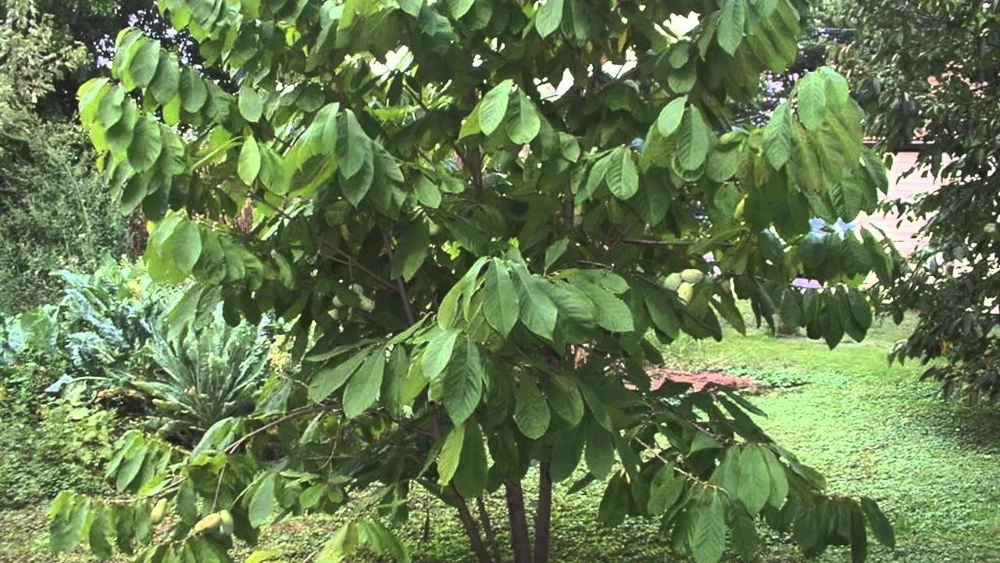
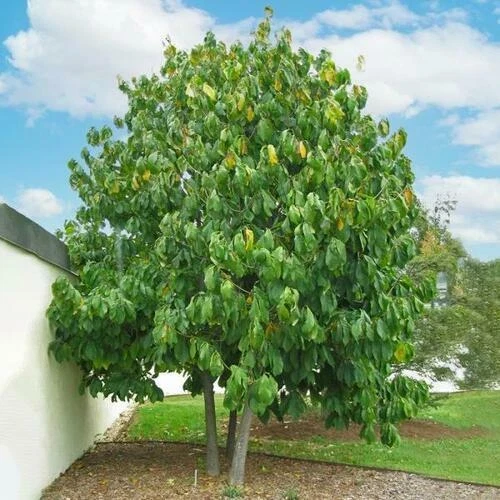
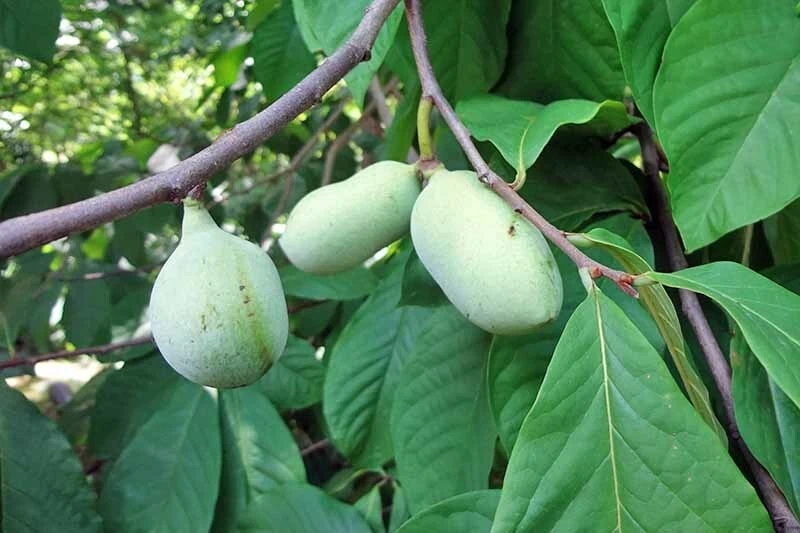
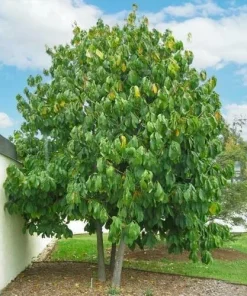
Paw Paw Tree Live Plant – Asimina triloba – 8-12 Inches Tall – Set of 2
Original price was: $56.49.$36.49Current price is: $36.49.
Cultivate your own unique, tropical-tasting fruit with this paw paw tree live plant set. You’ll receive two healthy asimina triloba tree plants, each 8-12 inches tall, ready to thrive in your garden.
Estimated arrival
Oct 15
Oct 20 - Oct 22
Oct 25 - Oct 29
Shop With Confidence
30-Day Plant Health Guarantee
Arrives damaged? We’ll replace it free — see our return policy.
Responsive Support
Email us anytime, we reply within 1 business day.
Expert Packaging
Temperature-controlled shipping to protect your plants in transit.
Secure Checkout
Pay safely with Visa, Mastercard, PayPal.
Plant Specifications
-
USDA Hardiness Zone
USDA Zones 5-9 -
Soil Type
Well-draining, rich, slightly acidic loam -
Sunlight Exposure
Partial shade (young plants), full sun (established) -
Expected Planting Period
Spring or early fall
Overview
Bring the taste of the tropics to your backyard with this exceptional paw paw tree live plant set. Known for their unique, custard-like fruit, Paw Paws (Asimina triloba) are America’s largest native edible fruit. This offering includes two vigorous paw paw tree live plant specimens, each measuring 8 to 12 inches in height, perfect for establishing your own fruit-bearing grove. These deciduous trees are not only prized for their delectable fruit but also for their attractive foliage and resistance to pests and diseases, making them a low-maintenance and rewarding addition to any landscape. The asimina triloba tree is a fascinating plant, offering both ornamental beauty and a delicious harvest, truly a conversation starter in any garden.
Often referred to as the ‘poor man’s banana’ or ‘custard apple’, the fruit of the paw paw tree live plant has a creamy texture and a flavor profile reminiscent of banana, mango, and pineapple. Historically, these fruits were a staple for Native Americans and early American settlers. Now, you can experience the joy of growing paw paw trees and harvesting your own fresh, organic paw paws right from your garden. This set of two plants ensures better cross-pollination, which is crucial for fruit production, increasing your chances of a bountiful yield.
Key Benefits
Investing in a paw paw tree live plant offers a multitude of advantages for both the avid gardener and the culinary enthusiast. These trees provide not only a unique food source but also contribute significantly to the local ecosystem. Here are some of the key benefits:
-
Delicious and Nutritious Fruit: Enjoy sweet, tropical-flavored fruit with a creamy texture, rich in vitamins and minerals. The fruit of the paw paw tree live plant is highly sought after and rarely found in grocery stores, offering a truly unique culinary experience.
-
Native American Fruit: Cultivate a piece of American history with this native fruit tree. The asimina triloba tree is well-adapted to many North American climates, making it a sustainable choice for your garden.
-
Pest and Disease Resistant: Paw Paw trees are naturally resistant to many common pests and diseases, reducing the need for chemical interventions and making paw paw tree care relatively straightforward.
-
Ornamental Value: Beyond their fruit, these trees offer attractive foliage and unique, deep maroon flowers in the spring, adding aesthetic appeal to your landscape.
-
Wildlife Attractor: The fruit and foliage attract various wildlife, including birds and the beautiful zebra swallowtail butterfly, whose larvae feed exclusively on Paw Paw leaves.
-
Low Maintenance: Once established, growing paw paw trees require minimal care, making them an excellent choice for both experienced and novice gardeners.
-
Cold Hardy: Unlike many tropical fruit trees, the Paw Paw is remarkably cold hardy, thriving in a wide range of USDA zones.
Plant Care & Growing Tips
Proper paw paw tree care is essential for a healthy and productive tree. While generally low-maintenance, understanding their specific needs will ensure successful establishment and bountiful harvests. These young paw paw tree live plant specimens are typically shipped with their roots carefully protected, ready for planting.
Sunlight Requirements: Young asimina triloba tree plants prefer partial shade for their first year or two, as direct sunlight can scorch their tender leaves. Once established, they can tolerate full sun, which is ideal for maximum fruit production. Aim for at least 6-8 hours of direct sunlight per day for mature trees. In hotter climates, a location with afternoon shade can be beneficial to prevent stress.
Watering and Soil: Paw Paws thrive in consistently moist, well-draining soil. They do not tolerate prolonged drought or waterlogging. Water regularly, especially during dry spells and when the trees are young. A good layer of mulch around the base of the tree will help retain soil moisture and regulate soil temperature. The ideal soil type is a rich, deep, slightly acidic (pH 5.5-7.0) loam. Ensure good drainage to prevent root rot, which can be a common issue if the soil is too heavy.
Temperature and Hardiness: The paw paw tree live plant is remarkably cold hardy, typically thriving in USDA Zones 5-9. They require a certain number of chill hours in winter to produce fruit. While they can withstand cold temperatures, protecting young plants from harsh winter winds in their first year can be beneficial. They are deciduous, meaning they will lose their leaves in the fall and enter dormancy during winter.
Fertilization: Fertilize young trees sparingly in their first year. Once established, a balanced slow-release fertilizer or organic compost can be applied in early spring before new growth begins. Avoid over-fertilizing, which can burn the roots. For optimal fruit production when growing paw paw trees, ensure they receive adequate nutrients.
Pollination: Paw Paws are not reliably self-pollinating, meaning you typically need at least two genetically different trees for good fruit set. This set of two paw paw tree live plant specimens is perfect for ensuring cross-pollination. Hand pollination can also be done to improve fruit yield. The flowers are pollinated by flies and beetles, not bees, so avoid using insecticides that might harm these beneficial insects.
Size & Details
This offering includes a set of two paw paw tree live plant specimens, each standing approximately 8 to 12 inches tall from the base of the plant to the tip of the highest stem. These are young, healthy plants, ideal for transplanting into your garden or a larger container. Paw Paw trees are considered medium-sized deciduous trees, typically reaching a height of 15 to 20 feet at maturity, with a spread of 10 to 15 feet. Their growth rate is moderate, and you can expect them to begin bearing fruit within 3 to 5 years after planting, depending on growing conditions and care. They are shipped with their roots protected, often in a dormant state during cooler months, ready to burst into growth once planted. The asimina triloba tree forms a pyramidal shape when young, maturing into a more rounded crown, providing excellent shade and a beautiful landscape element.
Frequently Asked Questions
-
Q: How big will my paw paw tree live plant get at maturity? A: A mature Paw Paw tree typically reaches a height of 15 to 20 feet with a spread of 10 to 15 feet. However, their size can be managed with proper pruning if you prefer a smaller tree.
-
Q: What size pot does the plant come in? A: These paw paw tree live plant specimens are typically shipped with their root systems carefully packaged to ensure health during transit, rather than in a specific pot size. They are ready for immediate planting upon arrival.
-
Q: Is this an indoor or outdoor plant? A: The asimina triloba tree is an outdoor plant. While young plants can be started in pots indoors during harsh weather, they need to be planted in the ground to thrive and produce fruit.
-
Q: How much sunlight does a paw paw tree live plant need? A: Young Paw Paw trees prefer partial shade, especially in the afternoon, for their first year or two. Established trees require at least 6-8 hours of full sun daily for optimal fruit production.
-
Q: Is this plant easy to care for? A: Yes, growing paw paw trees is relatively easy once they are established. They are known for being low-maintenance and resistant to many common pests and diseases, making paw paw tree care simple.
-
Q: What condition will the plants arrive in? A: Your paw paw tree live plant set will be carefully packaged to ensure they arrive in healthy condition, ready for planting. They may be dormant if ordered during cooler months.
-
Q: How long until it blooms or produces fruit? A: Paw Paw trees typically begin to bloom and produce fruit 3 to 5 years after planting, given proper care and environmental conditions. Having two plants, as in this set, significantly aids in pollination and fruit set.
-
Q: When is the best time to plant a paw paw fruit tree? A: The best time to plant Paw Paw trees is in the spring after the last frost, or in early fall before the ground freezes. This allows the roots to establish before extreme temperatures.
-
Q: Will the asimina triloba tree survive winter in my zone? A: Paw Paw trees are very cold hardy and thrive in USDA Zones 5-9. They are deciduous and naturally lose their leaves in winter, entering a dormant state.
-
Q: Do I need more than one paw paw tree live plant for fruit production? A: Yes, Paw Paw trees are not reliably self-pollinating. You typically need at least two genetically different trees for successful cross-pollination and fruit production, which is why this offering includes a set of two.
Be the first to review “Paw Paw Tree Live Plant – Asimina triloba – 8-12 Inches Tall – Set of 2”
People Also Viewed

Vegetables
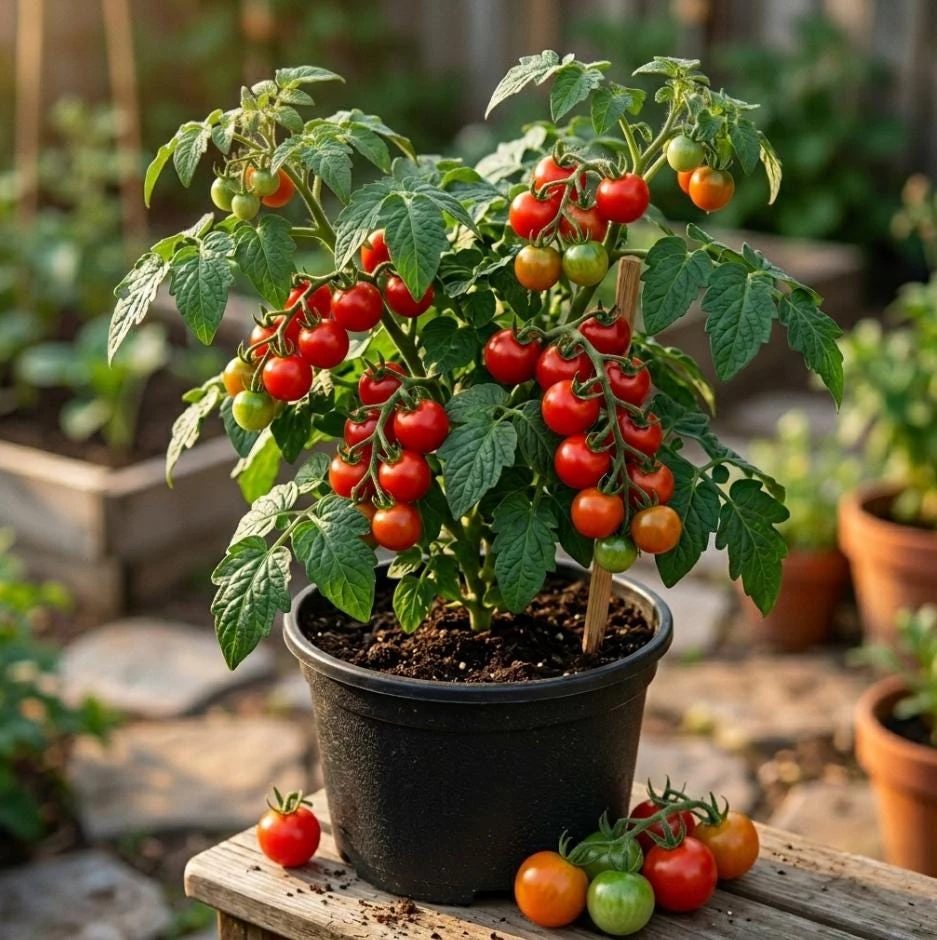
Cherry Tomato Plants Live – Set of 2, 3-5 Inch Tall in 4-Inch Pot, Sweet Edible Garden Vegetables
Reviews
There are no reviews yet.