
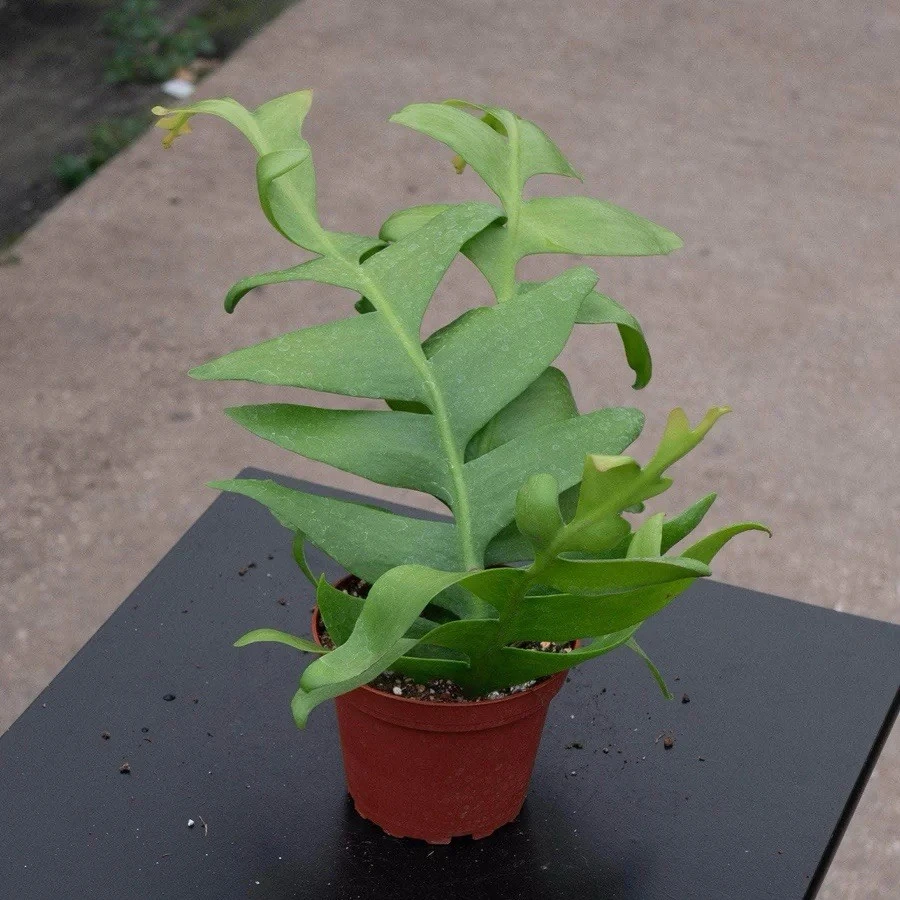
Fishbone Cactus Live Plant – Zig Zag Epiphyllum anguliger Houseplant
Original price was: $43.99.$35.99Current price is: $35.99.
Bring exotic beauty indoors with the unique fishbone cactus live plant. This striking Zig Zag Cactus (Epiphyllum anguliger) features distinctive serrated foliage, perfect for hanging baskets or shelves, adding a touch of jungle charm to any space. Easy to care for and a true conversation starter.
Estimated arrival
Oct 27
Nov 01 - Nov 03
Nov 06 - Nov 10
Shop With Confidence
30-Day Plant Health Guarantee
Arrives damaged? We’ll replace it free — see our return policy.
Responsive Support
Email us anytime, we reply within 1 business day.
Expert Packaging
Temperature-controlled shipping to protect your plants in transit.
Secure Checkout
Pay safely with Visa, Mastercard, PayPal.
Plant Specifications
-
USDA Hardiness Zone
USDA zones 10-11 (outdoors); suitable for year-round indoors in all zones -
Soil Type
Well-draining potting mix (cactus/succulent blend) -
Sunlight Exposure
Bright indirect light -
Expected Planting Period
Year-round indoors
Overview
Introduce a touch of the exotic to your indoor plant collection with the captivating fishbone cactus live plant. Also widely known as the Zig Zag Cactus or Ric Rac Cactus, this Epiphyllum anguliger is a truly unique houseplant celebrated for its distinctive, wavy, and deeply lobed stems that resemble fishbones. Native to the rainforests of Mexico, this epiphytic cactus thrives in conditions that mimic its natural habitat – bright, indirect light and high humidity. Unlike desert cacti, the epiphyllum anguliger indoor plant prefers a more tropical environment, making it an ideal choice for adding a lush, architectural element to your home. Its striking foliage makes it a popular choice for hanging baskets, where its zig-zagging stems can cascade gracefully, creating a stunning visual display. This easy-to-grow plant is perfect for both seasoned plant enthusiasts and beginners looking for something out of the ordinary.
The fishbone cactus live plant is not only visually appealing but also relatively low-maintenance, offering a rewarding experience for any plant parent. Its unique form provides year-round interest, and with proper care, it can even produce beautiful, fragrant, nocturnal flowers in the spring or fall, adding another layer of allure to this already fascinating specimen. Whether you’re searching for a fishbone cactus for sale to enhance your urban jungle or a distinctive gift for a plant lover, this Epiphyllum anguliger is sure to impress.
Key Benefits
The fishbone cactus live plant offers a multitude of benefits, making it a highly desirable addition to any indoor space. Its unique aesthetic and relatively simple care requirements contribute to its popularity. Here are some of the key advantages of owning this remarkable plant:
- Unique Aesthetic Appeal: The most striking feature of the Zig Zag Cactus is its distinct, deeply serrated stems that resemble fishbones or ric rac ribbon. This unusual foliage creates a captivating visual interest, making it a focal point in any room and a conversation starter among guests. It adds a sculptural and exotic touch to modern and bohemian decor alike.
- Low Maintenance: Despite its exotic appearance, the fishbone cactus live plant is surprisingly easy to care for. It doesn’t demand constant attention, making it suitable for busy individuals or those new to plant care. Its resilience and adaptability contribute to its low-maintenance nature.
- Adaptable to Indoor Environments: As an epiphytic jungle cactus, the epiphyllum anguliger indoor plant thrives in typical home environments, provided it receives adequate light and humidity. It’s well-suited for hanging baskets, shelves, or bright corners, bringing a tropical vibe without requiring special outdoor conditions.
- Air Purification Qualities: Like many houseplants, the fishbone cactus live plant contributes to a healthier indoor environment by helping to filter airborne toxins and improve air quality. While not as potent as some, its presence still aids in creating a fresher living space.
- Potential for Beautiful Blooms: With proper care and maturity, the fishbone cactus live plant can produce stunning, large, fragrant white or pale yellow flowers that typically open at night. These ephemeral blooms are a spectacular reward for dedicated plant parents and add an extra layer of enjoyment.
- Non-Toxic: The ric rac cactus plant is generally considered non-toxic to pets and humans, making it a safer choice for households with curious animals or small children compared to many other houseplants.
Plant Care & Growing Tips
Caring for your fishbone cactus live plant, or Zig Zag Cactus, is straightforward once you understand its preferences as a jungle cactus. Unlike desert cacti, it appreciates more humidity and indirect light. For optimal growth, place your epiphyllum anguliger indoor plant in a location where it receives bright, indirect sunlight. East or north-facing windows are often ideal, providing ample light without the harsh intensity of direct sun, which can scorch its delicate stems. If you notice the stems turning reddish or yellow, it might be getting too much direct light. Conversely, insufficient light can lead to leggy growth and a lack of flowering.
Watering is crucial for the health of your fishbone cactus live plant. Allow the top inch or two of soil to dry out completely between waterings, then water thoroughly until water drains from the bottom of the pot. Avoid overwatering, as this can lead to root rot, a common issue for many houseplants. During its active growing season (spring and summer), it will require more frequent watering, while in winter, watering can be reduced. Use a well-draining potting mix specifically formulated for cacti and succulents, or create your own by mixing equal parts potting soil, perlite, and orchid bark. This ensures excellent drainage and aeration, preventing waterlogged roots.
The fishbone cactus live plant thrives in warm temperatures, ideally between 60-75°F (15-24°C). Protect it from cold drafts and temperatures below 50°F (10°C), as it is not frost-tolerant. High humidity is also beneficial, so consider misting the plant regularly, placing it near a humidifier, or using a pebble tray filled with water. Fertilize your ric rac cactus plant every 2-4 weeks during the growing season with a balanced liquid fertilizer diluted to half strength. Reduce or stop fertilizing during the dormant winter months. Repotting is generally needed every 2-3 years or when the plant becomes root-bound. Choose a pot that is only slightly larger than the current one to avoid excessive moisture retention.
Size & Details
The fishbone cactus live plant typically grows as an epiphyte, meaning it naturally grows on other plants in its native habitat, rather than in the soil. When cultivated as a houseplant, its distinctive, flat, and serrated stems can grow quite long, often trailing or cascading, making it an excellent choice for hanging baskets or tall shelves. Individual stems can reach lengths of 2-3 feet or more under ideal conditions, creating a lush and full appearance over time. The plant’s growth rate is moderate, allowing it to develop into a substantial specimen within a few years.
When you acquire a fishbone cactus for sale, it will typically arrive as a well-rooted cutting or a young potted plant, ready to establish itself in your home. These plants are often shipped in a small nursery pot, usually 2-4 inches in diameter, depending on the maturity of the specimen. The plant will continue to grow and develop its characteristic zig-zagging foliage, eventually forming a dense cascade. While it can produce beautiful, large, nocturnal flowers, these usually appear on more mature plants, often in the spring or fall, and only last for a single night, offering a unique and fleeting spectacle.
Frequently Asked Questions
- Q: How big does this plant get? A: The stems of a fishbone cactus live plant can grow quite long, often trailing up to 2-3 feet or more, especially when given ample space to cascade. Its overall width will depend on how many stems it develops.
- Q: What size pot does it come in? A: Our fishbone cactus live plant typically ships in a nursery pot, generally 2-4 inches in diameter, providing a healthy start for your new houseplant. You may choose to repot it into a slightly larger decorative pot upon arrival.
- Q: Is this an indoor or outdoor plant? A: The epiphyllum anguliger indoor plant is primarily grown as a houseplant in most climates due to its tropical origins. It can be moved outdoors in shaded areas during warm summer months in USDA zones 10-11, but must be brought inside before temperatures drop.
- Q: How much sunlight does it need? A: The Zig Zag Cactus thrives in bright, indirect light. Avoid direct, harsh sunlight, which can scorch its delicate stems. An east or north-facing window is often ideal.
- Q: Is this plant easy to care for? A: Yes, the fishbone cactus live plant is considered relatively easy to care for, making it suitable for beginners. It requires consistent watering when the soil dries out and bright, indirect light.
- Q: What condition will it arrive in? A: Your fishbone cactus live plant will arrive as a healthy, well-rooted specimen, carefully packaged to ensure its safe journey. We take great care to protect the plant during transit.
- Q: Is it shipped in soil? A: Yes, the fishbone cactus live plant is shipped potted in its nursery container with appropriate soil to minimize stress and ensure it’s ready for its new home.
- Q: When is the best time to repot a fishbone cactus? A: The best time to repot your ric rac cactus plant is in the spring or early summer, during its active growing season. Repot only when it becomes root-bound, typically every 2-3 years.
- Q: How often should I fertilize my fishbone cactus? A: Fertilize your fishbone cactus live plant every 2-4 weeks during the spring and summer growing seasons with a diluted, balanced liquid fertilizer. Reduce or stop fertilization during fall and winter.
- Q: Are fishbone cacti pet-safe? A: Yes, the fishbone cactus live plant (Epiphyllum anguliger) is generally considered non-toxic to pets, making it a safe choice for homes with cats and dogs.
Be the first to review “Fishbone Cactus Live Plant – Zig Zag Epiphyllum anguliger Houseplant”
People Also Viewed

Houseplants
Vegetable Seeds
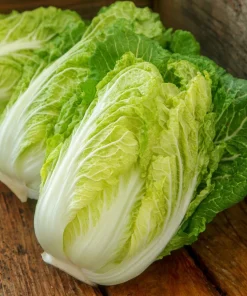
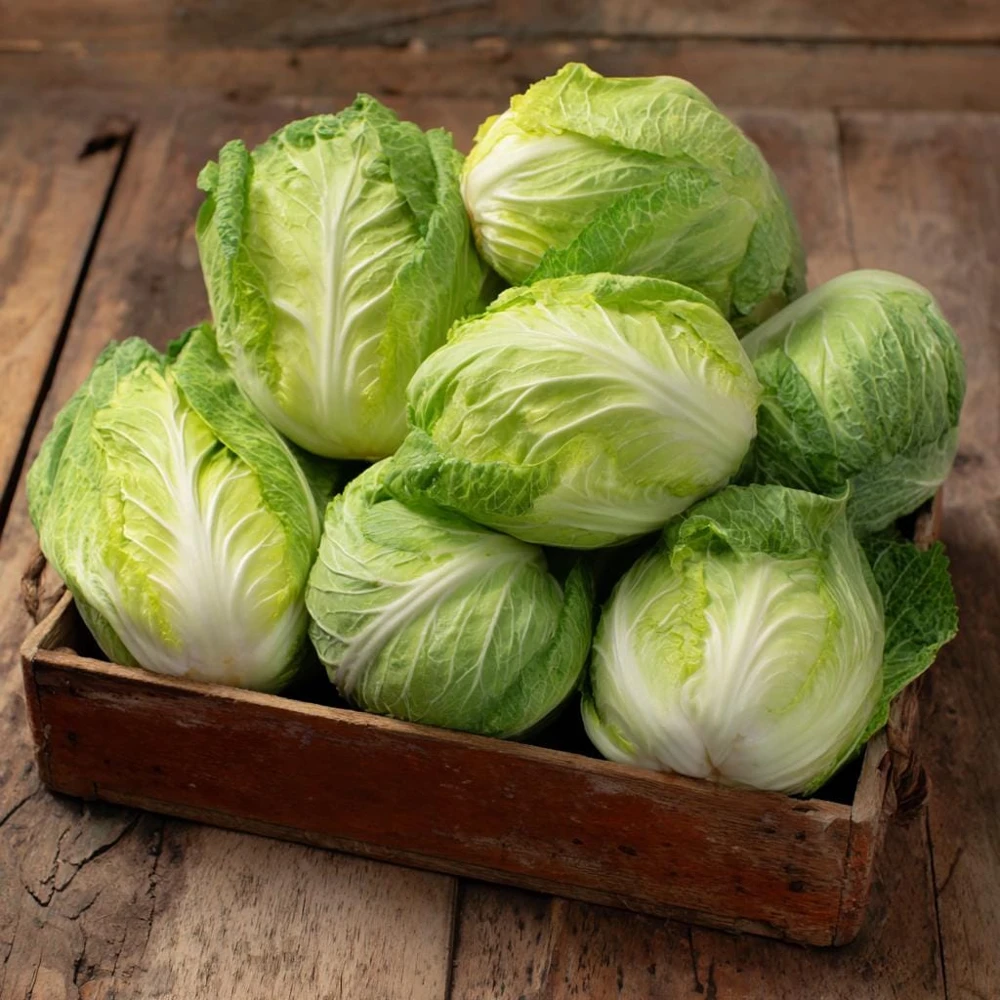
Mini Napa Cabbage Seeds – 50 Seeds – Compact Chinese Cabbage for Containers & Gardens

Reviews
There are no reviews yet.