
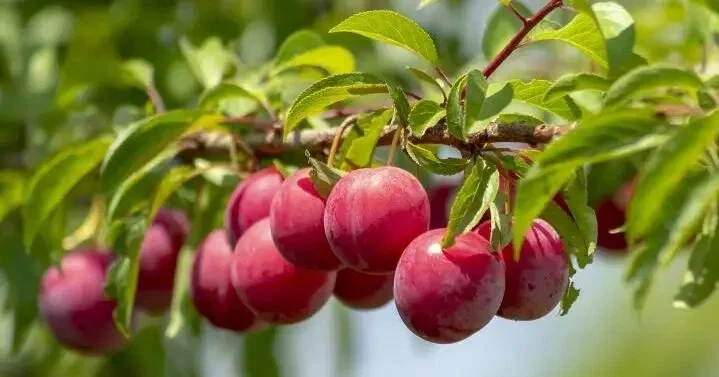
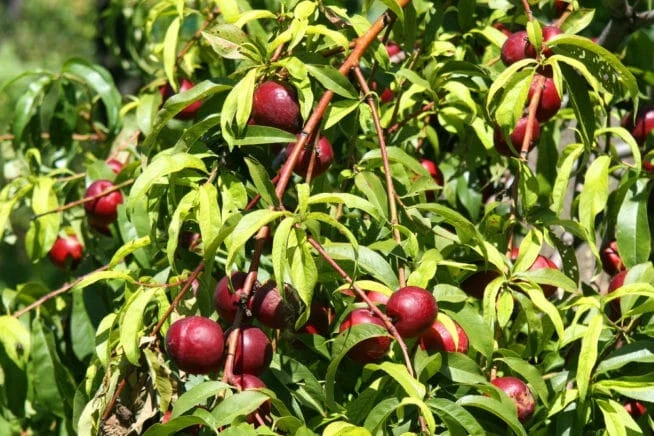
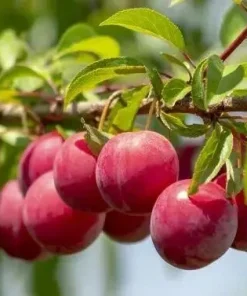
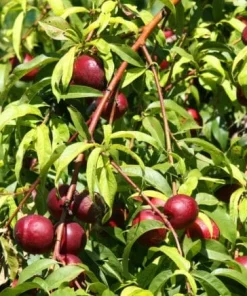
Wild Plum Cuttings Set of 12 Unrooted – Grow Your Own Plum Trees
Original price was: $35.49.$15.49Current price is: $15.49.
Start your own wild plum trees with this set of 12 unrooted plum cuttings. These cuttings are ready for propagation, ideal for gardeners looking to establish new fruit trees or expand their landscape. Cultivate delicious wild plums in your garden.
Estimated arrival
Oct 15
Oct 20 - Oct 22
Oct 25 - Oct 29
Shop With Confidence
30-Day Plant Health Guarantee
Arrives damaged? We’ll replace it free — see our return policy.
Responsive Support
Email us anytime, we reply within 1 business day.
Expert Packaging
Temperature-controlled shipping to protect your plants in transit.
Secure Checkout
Pay safely with Visa, Mastercard, PayPal.
Plant Specifications
-
USDA Hardiness Zone
USDA zones 3-8 -
Soil Type
Well-draining, rich in organic matter -
Sunlight Exposure
Full sun -
Expected Planting Period
Late winter to early spring
Overview
Embark on your gardening journey with this exceptional set of wild plum cuttings. Each order includes 12 fresh, viable, and unrooted plum cuttings, perfect for those eager to propagate their own fruit-bearing trees. Wild plum trees, known for their resilience and abundant fruit, are a fantastic addition to any garden or orchard. These cuttings provide an economical and rewarding way to grow new trees from existing stock. Whether you’re an experienced horticulturist or a budding enthusiast, propagating wild plums from cuttings is a fulfilling project that yields delicious results. These specific cuttings are harvested from healthy, mature wild plum trees, ensuring genetic vigor and a strong start for your future plants.
Wild plum propagation is a popular method for gardeners to expand their fruit tree collection or to share with friends. By starting with these unrooted sections, you gain control over the rooting process and can adapt methods to your specific growing environment. The resulting trees will produce tart yet sweet plums, excellent for fresh eating, jams, jellies, and desserts. Imagine harvesting your own fruit, knowing you nurtured it from a simple cutting. This set makes it easy to grow plum trees in your backyard, contributing to local biodiversity and providing a sustainable food source.
Key Benefits
Investing in these wild plum cuttings offers a multitude of benefits for the enthusiastic gardener:
- Cost-Effective Propagation: Starting with unrooted plum cuttings is significantly more economical than purchasing established trees, allowing you to expand your orchard or garden without a large initial investment.
- Genetic Purity: Cuttings are clones of the parent plant, ensuring that the new trees will possess the same desirable characteristics, including fruit quality and disease resistance, as the original wild plum tree.
- Abundant Fruit Production: Once established, these wild plum trees will yield a plentiful harvest of delicious plums, perfect for fresh consumption, baking, canning, or making preserves.
- Wildlife Attraction: Wild plum trees provide food and habitat for various wildlife, including birds and pollinators, enhancing the ecological balance of your garden space.
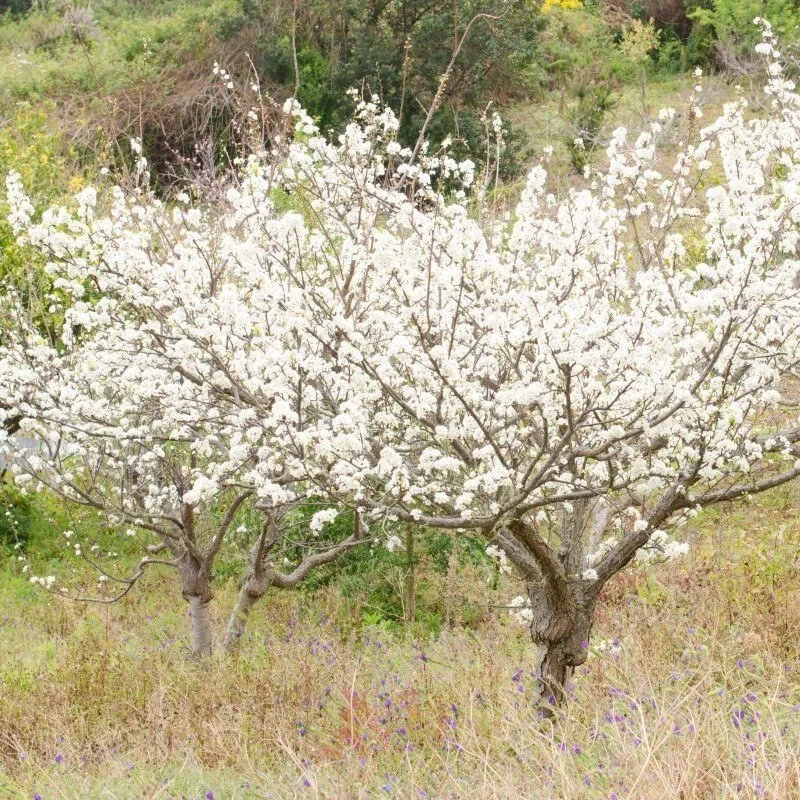
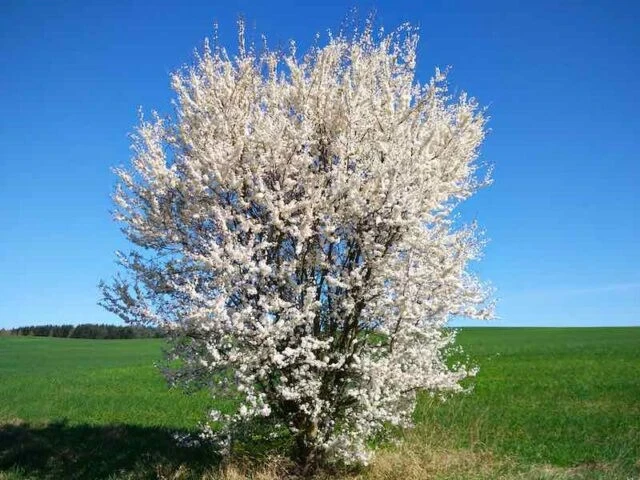
- Landscape Enhancement: Beyond their fruit, wild plum trees offer beautiful blossoms in spring and attractive foliage throughout the growing season, adding aesthetic value to your property.
- Sustainable Gardening: Propagating your own trees is an environmentally friendly practice, reducing the carbon footprint associated with commercial plant production and transportation.
- Educational Experience: The process of rooting and growing these wild plum cuttings offers a valuable learning experience, connecting you more deeply with the natural world and horticultural practices.
Plant Care & Growing Tips
Successful wild plum propagation begins with proper care for your unrooted plum cuttings. Upon arrival, it’s crucial to prepare them for rooting. You can dip the cut ends in rooting hormone (though not strictly necessary for many wild plum varieties, it can enhance success rates) and then plant them in a well-draining rooting medium. A mix of peat moss and perlite or sand works well. Ensure the medium stays consistently moist but not waterlogged. Place the potted cuttings in a warm location with bright, indirect light. High humidity is beneficial, so covering the pots with a plastic dome or bag can help create a mini-greenhouse effect, fostering root development.
Once roots begin to form, usually within a few weeks to a couple of months, you can gradually acclimate the young plants to less humid conditions. Transplant them into larger pots with a rich, well-draining potting mix. For outdoor planting, choose a site with full sun exposure (at least 6-8 hours of direct sunlight daily) and soil that drains well. Wild plum trees are adaptable but prefer slightly acidic to neutral soil. They are generally hardy in USDA zones 3-8, enduring cold winters and hot summers. Water regularly during their first year to help establish a strong root system. Fertilize sparingly with a balanced, slow-release fertilizer in early spring. Pruning should focus on removing dead or diseased branches and shaping the tree for optimal fruit production and air circulation. Watch out for common pests like aphids and plum curculio, and treat organically if possible. With proper care, you’ll soon be able to grow plum trees that flourish.
Size & Details
This offering includes a set of 12 unrooted plum cuttings, each carefully selected for optimal propagation potential. The cuttings typically range from 6 to 10 inches in length, providing ample stem for successful rooting. These are freshly cut, dormant sections of wild plum branches, ready for immediate planting upon arrival. They are not yet rooted and do not come with soil or pots. The goal is for you to facilitate root development using your preferred propagation methods, such as water rooting, soil rooting, or grafting. The success rate of rooting can vary depending on environmental conditions, care, and the specific wild plum variety, but these cuttings are sourced to maximize your chances of success. Once rooted and established, these young plants can quickly grow into productive wild plum trees, reaching heights of 10-20 feet at maturity, depending on variety and growing conditions. Expect initial growth to be focused on root development, followed by vegetative growth in the subsequent seasons. The time to first fruit can range from 3-5 years after successful establishment.
Frequently Asked Questions
- Q: How do I root these wild plum cuttings? A: We recommend dipping the cut end in a rooting hormone (optional but helpful) and planting them in a moist, well-draining rooting medium like perlite or a sand/peat mix. Keep them in a warm place with indirect light and high humidity until roots form.
- Q: What condition will the unrooted plum cuttings arrive in? A: The unrooted plum cuttings will arrive fresh and ready for propagation. They will be carefully packaged to maintain viability during transit, typically wrapped to retain moisture.
- Q: Can I grow plum trees from these cuttings indoors? A: While you can start the rooting process indoors in a controlled environment, wild plum trees are best grown outdoors in a garden or orchard setting once established. They require significant sunlight and space to thrive and produce fruit.
- Q: What is the best time to plant these wild plum cuttings? A: The best time for planting and rooting these dormant cuttings is typically in late winter or early spring, just before the growing season begins. This allows the cuttings to establish roots before the demands of foliage growth.
- Q: How long does it take for the cuttings to root? A: Rooting time can vary, but generally, you can expect to see root development within 4-8 weeks. Patience and consistent care are key to successful wild plum propagation.
- Q: What kind of soil do wild plum trees prefer? A: Wild plum trees prefer well-draining soil that is rich in organic matter. They can tolerate a range of soil types but perform best in slightly acidic to neutral pH levels.
- Q: How much sunlight do wild plum trees need? A: For optimal growth and fruit production, wild plum trees require full sun, meaning at least 6 to 8 hours of direct sunlight per day.
- Q: Are these wild plum cuttings suitable for grafting? A: Yes, these fresh wild plum cuttings can also be used as scion wood for grafting onto established plum rootstock, offering another method to grow plum trees.
- Q: Will these cuttings produce fruit? A: Once successfully rooted and grown into mature trees, these wild plum trees will produce fruit. The time to first fruiting usually ranges from 3 to 5 years after successful establishment.
- Q: What USDA hardiness zones are suitable for wild plums? A: Wild plum trees are quite hardy and typically thrive in USDA hardiness zones 3 through 8, making them suitable for a wide range of climates across the US.
Be the first to review “Wild Plum Cuttings Set of 12 Unrooted – Grow Your Own Plum Trees”
People Also Viewed
Flower Plants
Yellow Evening Primrose Live Plant Set – 2-4 Inch Tall in 3 Inch Pot – Outdoor Perennial
Reviews
There are no reviews yet.