
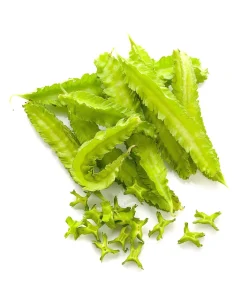
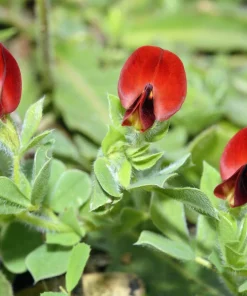
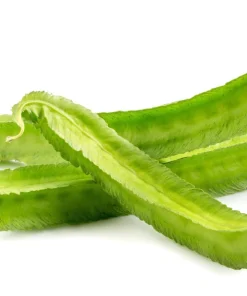
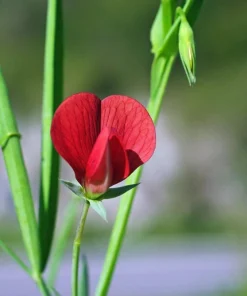
Asparagus Pea Seeds – 50 Count Winged Pea Vegetable Seeds for Gardening
Original price was: $36.99.$16.99Current price is: $16.99.
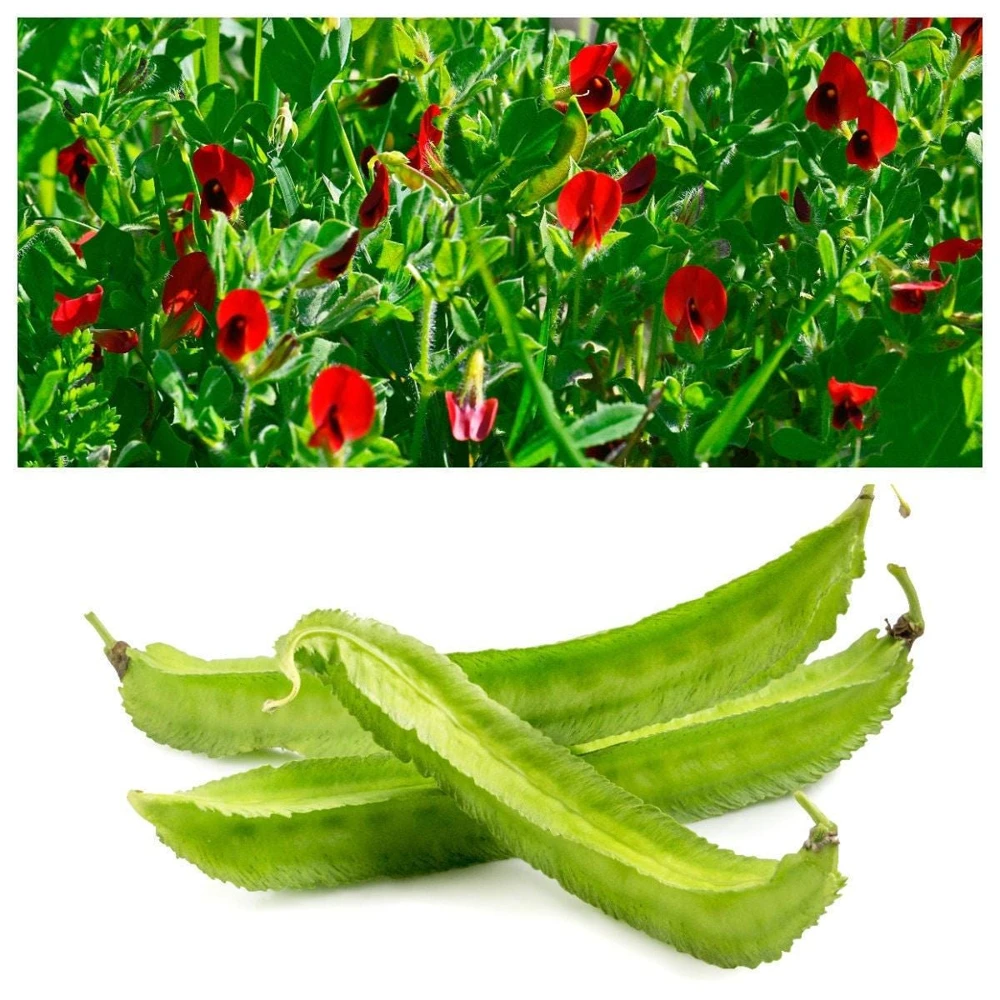
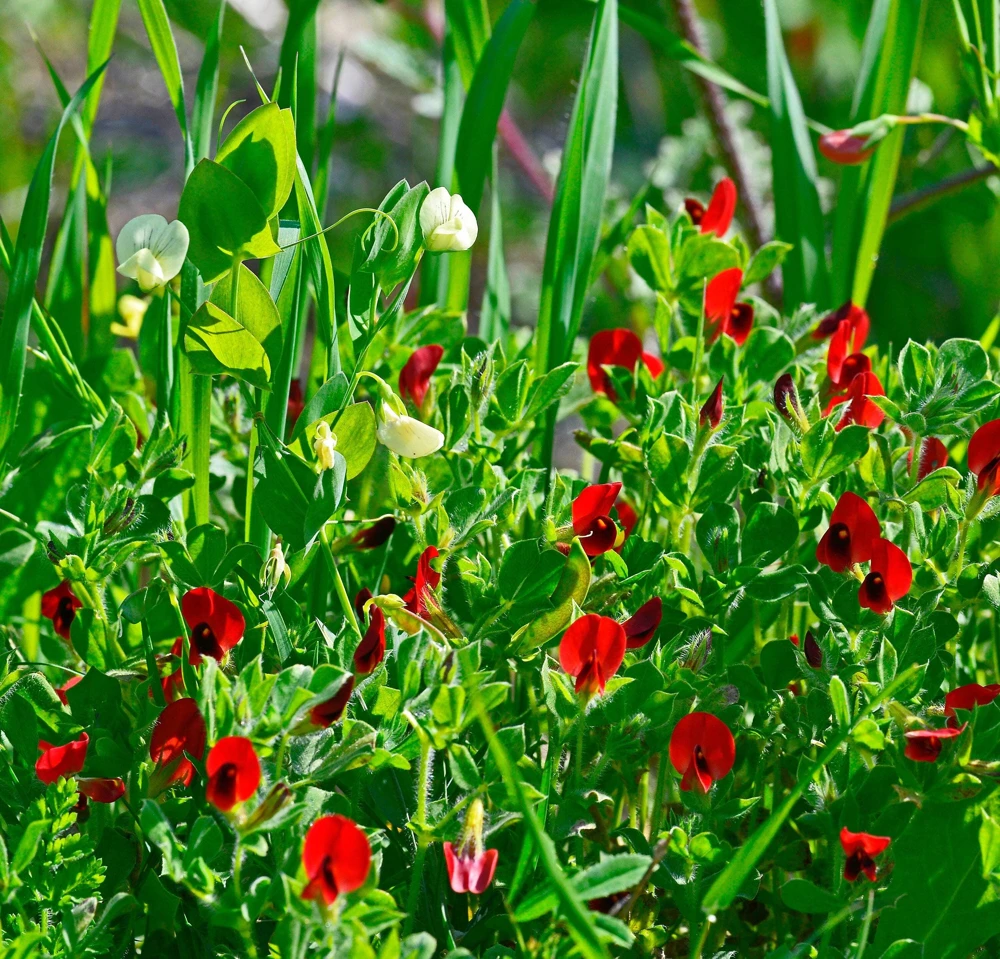
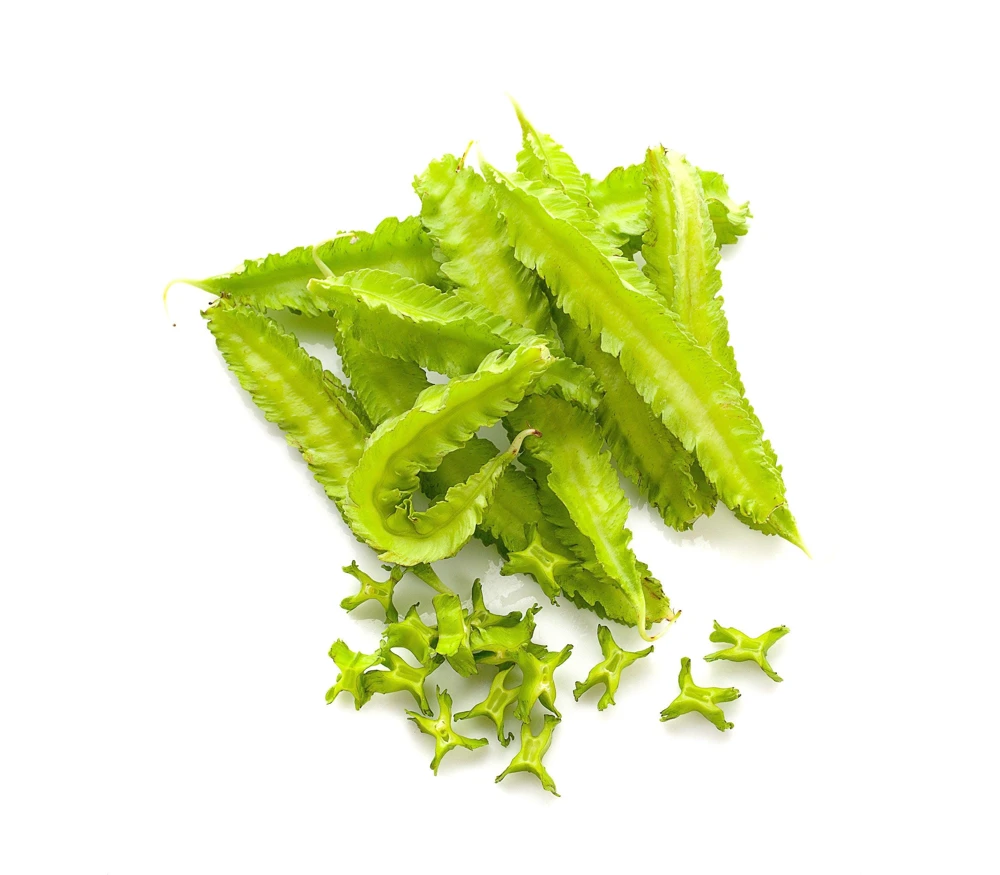
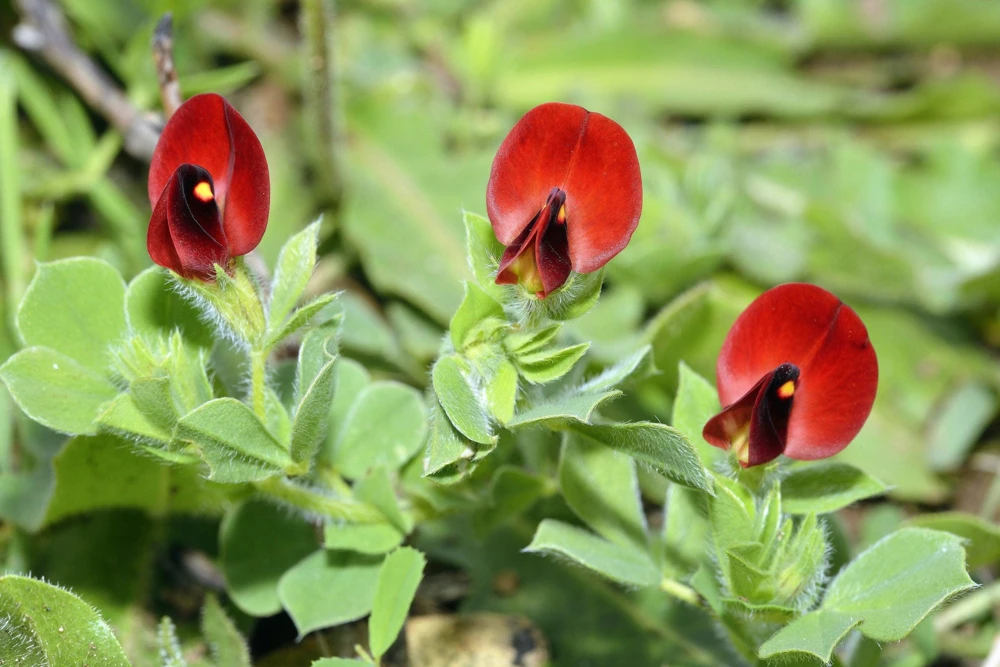
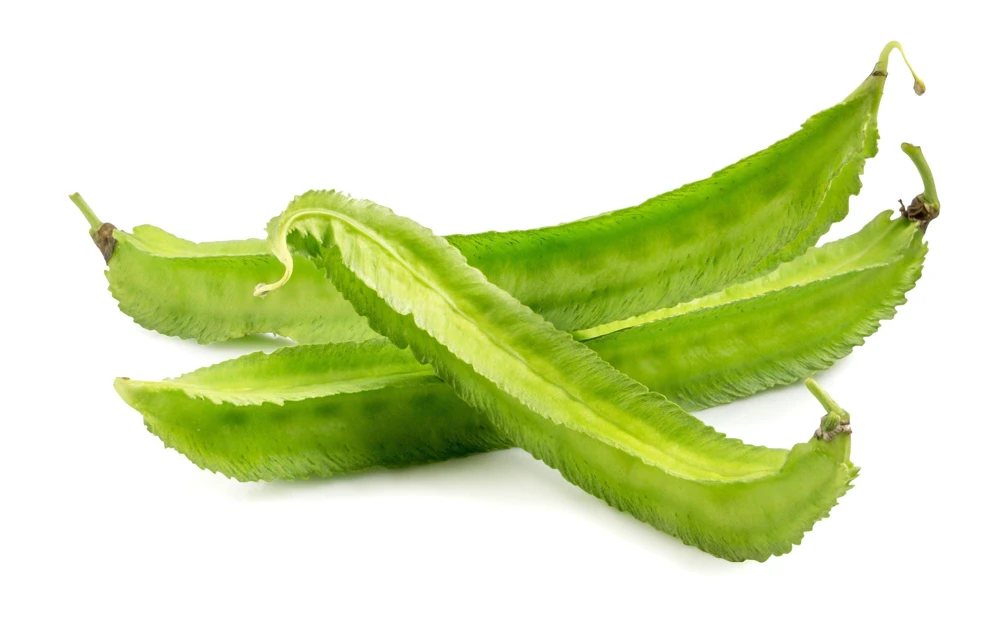
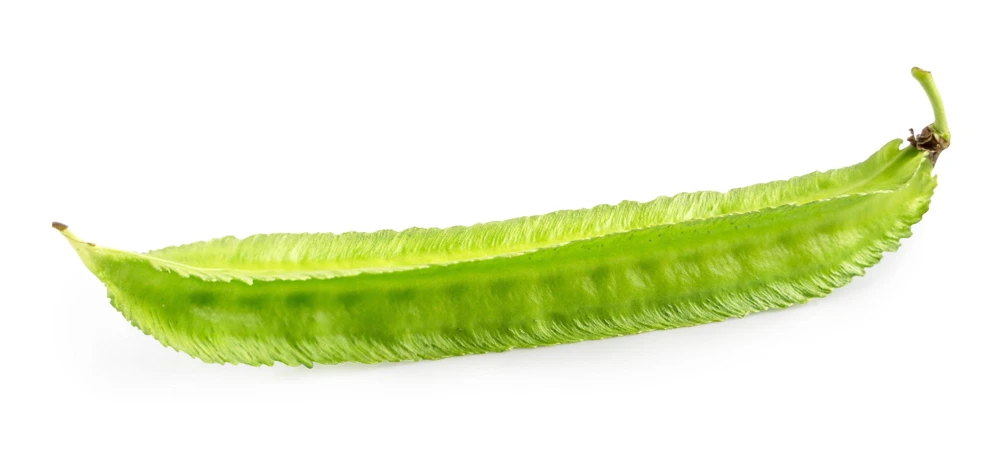
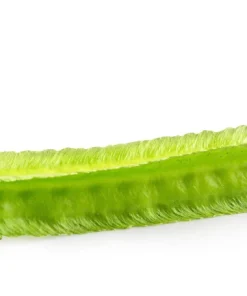
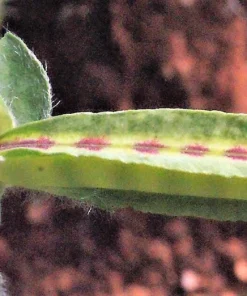
Discover the unique flavor of asparagus pea seeds, also known as winged pea vegetable seeds. This pack contains 50 Lotus Tetragonolobus seeds, perfect for adding an exotic edible legume to your garden. Enjoy beautiful red flowers and tender, edible pods that taste like asparagus.
Estimated arrival
Sep 14
Sep 19 - Sep 21
Sep 24 - Sep 28
Shop With Confidence
30-Day Plant Health Guarantee
Arrives damaged? We’ll replace it free — see our return policy.
Responsive Support
Email us anytime, we reply within 1 business day.
Expert Packaging
Temperature-controlled shipping to protect your plants in transit.
Secure Checkout
Pay safely with Visa, Mastercard, PayPal.
Plant Specifications
-
USDA Hardiness Zone
unknown -
Soil Type
average, well-draining soil -
Sunlight Exposure
full sun -
Expected Planting Period
outdoors after last frost / indoors weeks before last frost
Overview
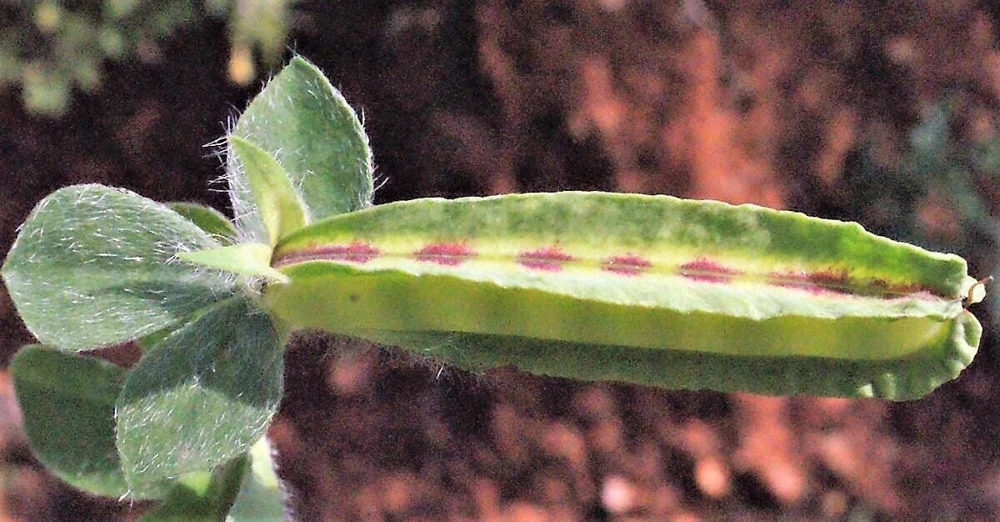
Introduce a fascinating and delicious addition to your vegetable garden with our premium asparagus pea seeds. These unique and ornamental seeds, scientifically known as Lotus Tetragonolobus (syn. Tetragonolobus Purpureus), are commonly referred to as winged pea vegetable seeds or square podded pea. Each packet contains 50 high-quality seeds, ready to transform your garden into a culinary and visual delight. The asparagus pea is celebrated for its distinctive winged pods and vibrant red flowers, making it a dual-purpose plant that is both beautiful and edible. Originating from the Mediterranean, this legume offers a gourmet flavor profile, often described as a delicate blend of asparagus and peas. Ideal for gardeners seeking something out of the ordinary, growing asparagus pea is a rewarding experience that yields tender, young pods perfect for various culinary applications.
Cultivating asparagus pea seeds allows you to enjoy fresh, gourmet vegetables directly from your backyard. The plant typically grows to a manageable height of 16-20 inches, making it suitable for various garden sizes, including raised beds and containers. Beyond its edible qualities, the red flowers add an attractive touch to garden landscapes, attracting beneficial pollinators. These edible legume seeds are a fantastic choice for those interested in expanding their home-grown produce with interesting and flavorful varieties. With a relatively short harvest time of approximately 65 days, you can quickly enjoy the fruits of your labor.
Key Benefits
Planting asparagus pea seeds offers a multitude of benefits for both your garden and your palate, making them a worthwhile addition to any home gardener’s collection. These versatile winged pea vegetable seeds provide both ornamental beauty and culinary delight.
- Unique Gourmet Flavor: The young pods boast a delicate taste reminiscent of asparagus, providing a gourmet addition to salads, stir-fries, and other dishes. This distinctive flavor sets them apart from common garden vegetables.
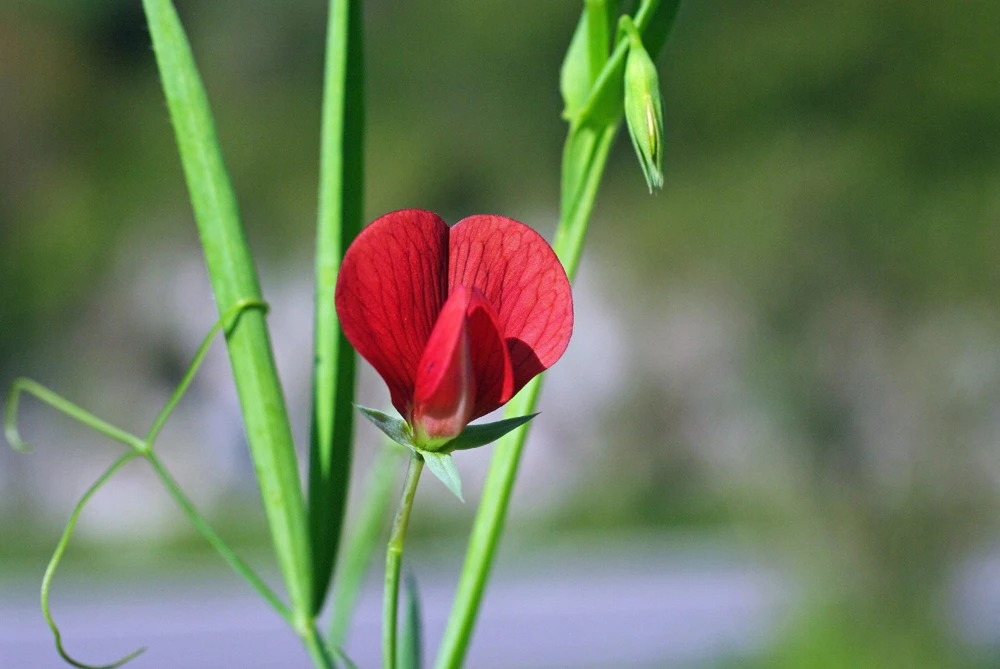
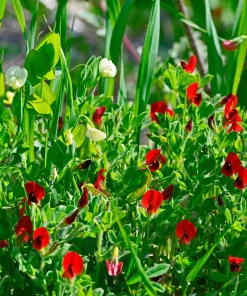
- Attractive Red Flowers: Beyond their edible pods, Lotus Tetragonolobus seeds produce striking red flowers that enhance the aesthetic appeal of your garden, attracting beneficial insects and adding a touch of vibrant color.
- Easy to Grow: These seeds are relatively easy to cultivate, making them suitable for gardeners of all experience levels. With basic care, you can expect a good harvest of these unique legumes.
- Versatile Culinary Use: The young pods can be enjoyed raw in salads, cooked as a side vegetable, or added to soups and stews. The mature seeds can also be cooked like peas, and roasted seeds can even serve as a coffee substitute.
- Compact Growth Habit: Growing to a height of 16-20 inches, the asparagus pea plant is well-suited for smaller gardens, containers, or as a border plant, maximizing space efficiency.
- Quick Harvest: With a harvest time of approximately 65 days from planting, you won’t have to wait long to enjoy the fresh, tender pods from your asparagus pea seeds.
- Nutritious Edible Legume: As an edible legume seed, the asparagus pea is a healthy addition to your diet, offering nutritional value and a fresh, wholesome ingredient for your meals.
Plant Care & Growing Tips
Successful cultivation of asparagus pea seeds begins with proper planting and ongoing care. These plants thrive in conditions that mimic their natural Mediterranean habitat. For optimal growth, sow Lotus Tetragonolobus seeds outdoors after the last spring frost, or start them indoors a few weeks before the last frost to get a head start on the growing season. When planting outdoors, ensure the soil temperature has warmed sufficiently. Choose a location that receives full sun, as these plants require ample sunlight to produce abundant pods and flowers. A minimum of 6-8 hours of direct sunlight per day is recommended for healthy growth and prolific yields from your winged pea vegetable seeds.
The asparagus pea prefers average soil conditions, but good drainage is crucial to prevent root rot. Amend heavy clay soils with organic matter to improve aeration and drainage. Plant the seeds about 6 inches apart in rows spaced 12 inches apart to allow for proper air circulation and growth. Consistent watering is important, especially during dry spells and when the plants are flowering and setting pods. Aim for evenly moist soil, but avoid overwatering. Fertilization is generally not heavily required for legumes as they fix nitrogen in the soil, but a balanced, slow-release fertilizer can be applied at planting if your soil is particularly poor. Monitor your plants for pests and diseases, though asparagus peas are generally quite resilient. Harvesting the pods when they are young, typically less than 1 inch long, is key to enjoying their tender, asparagus-like flavor and preventing them from becoming fibrous. Regular harvesting also encourages the plant to produce more pods, extending your harvest period. These edible legume seeds are a great way to explore unique vegetables in your garden.
Size & Details
This offering includes a packet containing 50 asparagus pea seeds, providing ample opportunity to establish a thriving patch of these distinctive plants in your garden. The plants themselves grow to a modest height of 16 to 20 inches, making them suitable for various garden layouts, including smaller plots or container gardening. They have a spreading habit, which is accommodated by the recommended spacing of 6 inches apart in rows that are 12 inches apart. The vibrant red flowers typically bloom from June through August, adding a decorative element to your garden while attracting pollinators. The harvest period for the delicious pods is approximately 65 days from planting, allowing for a relatively quick turnaround from seed to table. These Lotus Tetragonolobus seeds are shipped as dry seeds, ready for planting according to your local conditions and preferred sowing method.
Frequently Asked Questions
- Q: How big does the asparagus pea plant get? A: The asparagus pea plant typically grows to a height of 16 to 20 inches. This compact size makes it suitable for various garden spaces, including small beds and containers.
- Q: Is this an indoor or outdoor plant? A: While you can start asparagus pea seeds indoors, they are primarily grown outdoors. They thrive in full sun conditions in a garden setting, producing both edible pods and attractive red flowers.
- Q: How much sunlight does it need? A: Asparagus pea plants require full sun, meaning at least 6-8 hours of direct sunlight per day, to ensure robust growth and a good harvest.
- Q: Is this plant easy to care for? A: Yes, growing asparagus pea is considered relatively easy. They are low-maintenance plants that require average soil, consistent watering, and plenty of sunlight to flourish.
- Q: Can I use asparagus pea in cooking? A: Absolutely! The young, tender pods, when less than 1 inch long, are delicious raw or cooked and have a unique asparagus-like flavor. The mature seeds can also be cooked like peas.
- Q: How long until it blooms and produces pods? A: Asparagus pea plants typically bloom from June to August, and the pods are ready for harvest approximately 65 days after planting the asparagus pea seeds.
- Q: What’s the best time to plant asparagus pea seeds? A: The best time to plant asparagus pea seeds outdoors is after the last frost in spring. You can also start them indoors a few weeks before the last frost for an earlier harvest.
- Q: What kind of soil does asparagus pea prefer? A: Asparagus pea prefers average, well-draining soil. Amending heavy soils with organic matter can improve drainage and provide a better growing environment for your edible legume seeds.
Be the first to review “Asparagus Pea Seeds – 50 Count Winged Pea Vegetable Seeds for Gardening”
People Also Viewed
Houseplants
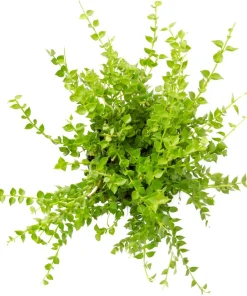
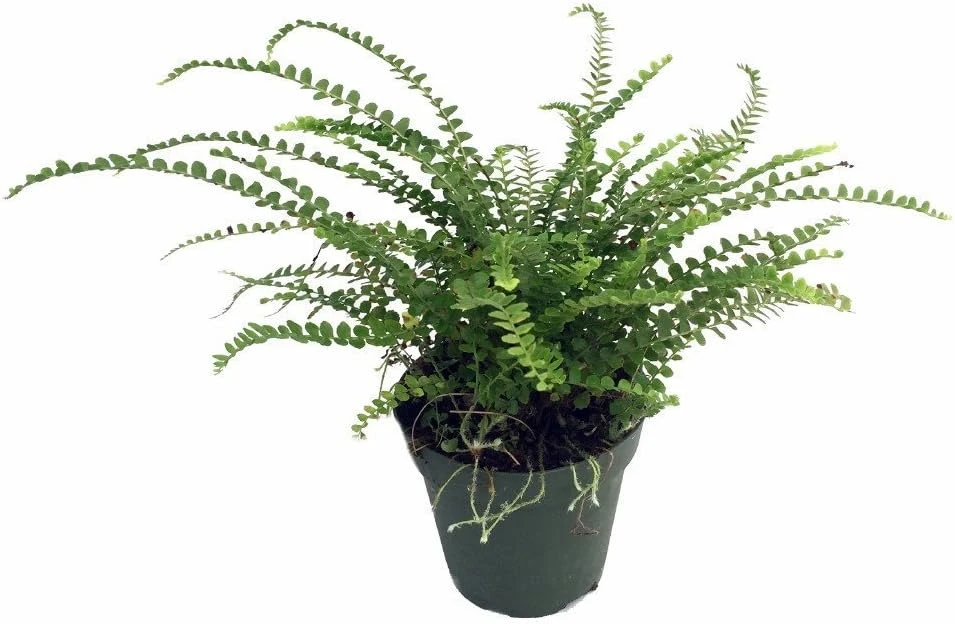
Lemon Button Fern Live Plant – 3.5″ Pot – Nephrolepis cordifolia Duffii – Indoor Houseplant
Reviews
There are no reviews yet.