
Osage Orange Tree Live Plant (Maclura pomifera) – Hedge 16-24 Inches Tall
Original price was: $62.79.$42.79Current price is: $42.79.
Cultivate a strong and beautiful barrier with this Osage Orange Tree live plant. Also known as Maclura pomifera hedge or Horse Apple tree, this vigorous grower is ideal for creating a natural fence or windbreak, reaching 16-24 inches tall. It’s a hardy, deciduous species perfect for outdoor landscapes.
Estimated arrival
Oct 15
Oct 20 - Oct 22
Oct 25 - Oct 29
Shop With Confidence
30-Day Plant Health Guarantee
Arrives damaged? We’ll replace it free — see our return policy.
Responsive Support
Email us anytime, we reply within 1 business day.
Expert Packaging
Temperature-controlled shipping to protect your plants in transit.
Secure Checkout
Pay safely with Visa, Mastercard, PayPal.
Plant Specifications
-
USDA Hardiness Zone
4-9 -
Soil Type
Well-draining, adaptable to various types -
Sunlight Exposure
Full sun -
Expected Planting Period
Early spring to fall
Overview
Introduce a classic and resilient addition to your landscape with the Osage Orange Tree live plant. Scientifically known as Maclura pomifera, this robust tree is renowned for its dense growth habit and ability to form an impenetrable hedge. Often referred to as a Horse Apple tree due to its distinctive fruit, the Osage Orange is a native North American species celebrated for its hardiness and adaptability. This live plant offers an excellent solution for those seeking a natural privacy screen, windbreak, or a sturdy border for their property. Its distinctive fruit, though not typically consumed by humans, provides a unique visual interest in the fall. The Osage Orange is a deciduous tree, showcasing vibrant green foliage through the warmer months before shedding its leaves in winter.
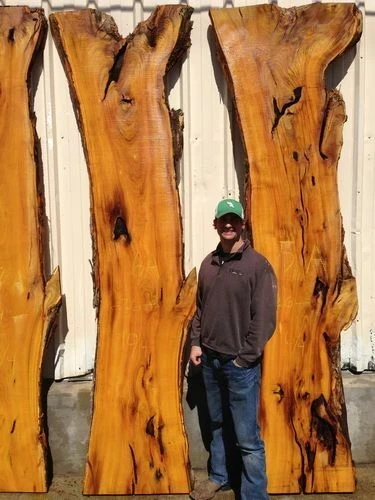
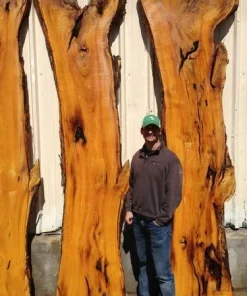
Each Osage Orange Tree live plant is carefully cultivated to ensure a healthy start in your garden. Standing at 16-24 inches tall, these young trees are at an ideal size for planting and establishing quickly. They are dug up as ordered to ensure freshness and vitality upon arrival. Whether you’re looking to create a living fence or add a unique specimen tree, the Maclura pomifera is a choice that offers both aesthetic appeal and practical benefits, including its strong, rot-resistant wood traditionally used for fence posts and archery bows.
Key Benefits
The Osage Orange Tree live plant offers a multitude of benefits for various landscaping needs, making it a valuable addition to any outdoor space. Its exceptional hardiness and versatility are just a few reasons why it remains a popular choice for gardeners and landowners alike.
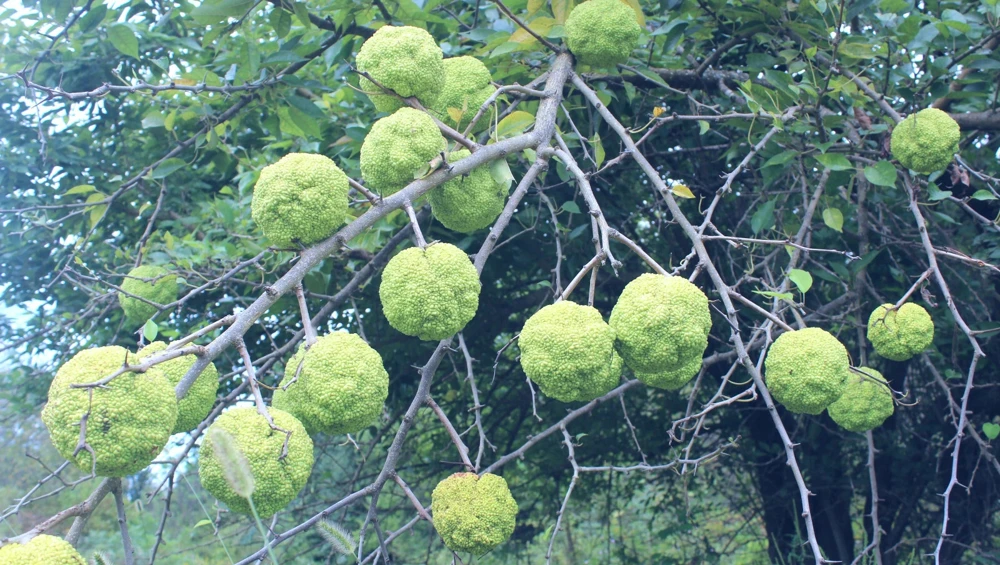
- Excellent Privacy and Security: With its dense, thorny branches, the Maclura pomifera hedge forms an effective and natural barrier, providing unparalleled privacy and security for your property. It’s an ideal choice for creating living fences that deter unwanted visitors.
- Windbreak Capabilities: The thick foliage and strong structure of these trees make them an outstanding choice for windbreaks, protecting your home and other garden plants from strong gusts and harsh weather conditions.
- Drought and Pest Resistance: This species is remarkably tough, exhibiting high tolerance to drought once established and generally resisting common pests and diseases, reducing the need for extensive care and chemical treatments.
- Adaptable to Various Soils: The Osage Orange Tree live plant thrives in a wide range of soil types, from poor to rich, as long as there is adequate drainage, making it suitable for many different environments.
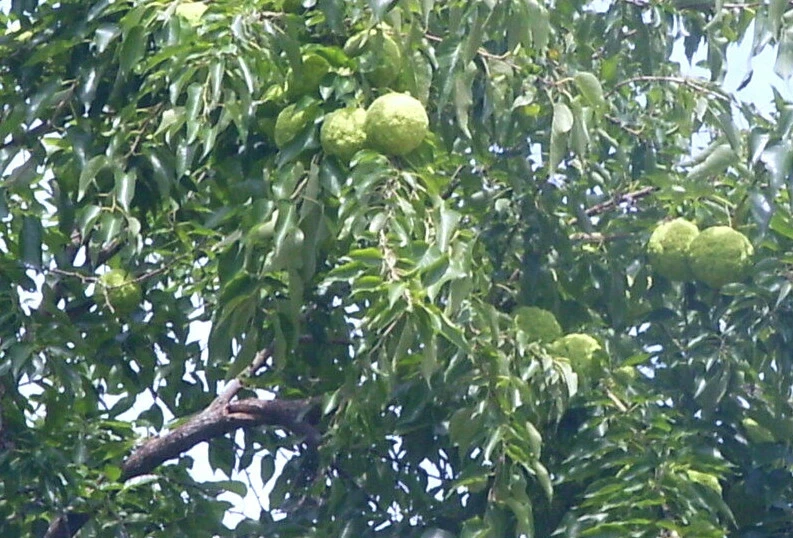
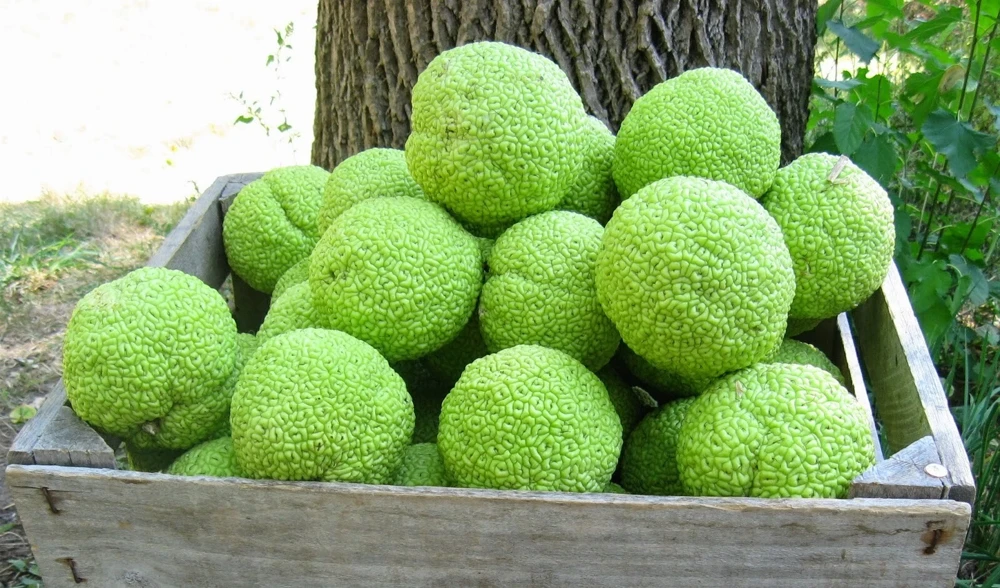
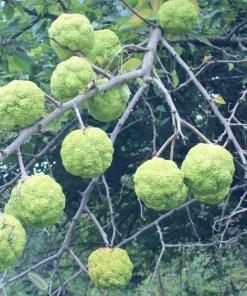
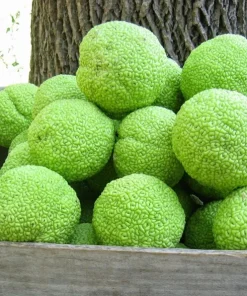
- Unique Ornamental Features: Beyond its practical uses, the Osage Orange produces distinctive, grapefruit-sized, bumpy green fruits in the fall, adding an unusual and interesting visual element to your landscape.
- Wildlife Habitat: The dense canopy and thorny nature provide shelter and nesting sites for various bird species, contributing to local biodiversity.
- Low Maintenance: Once established, this thorny hedge plant requires minimal care, making it an excellent option for gardeners seeking a robust and self-sufficient landscape feature.
Plant Care & Growing Tips
Caring for your Osage Orange Tree live plant is straightforward, thanks to its resilient nature. These trees are known for their ability to thrive in challenging conditions, but providing optimal care, especially during establishment, will ensure vigorous growth and a healthy, long-lived plant. Understanding the basic requirements for this Maclura pomifera hedge will help you cultivate a successful landscape feature.
For sunlight, the Osage Orange prefers full sun, meaning at least 6-8 hours of direct sunlight per day. While it can tolerate partial shade, its growth will be less dense, and fruit production may be reduced. When it comes to watering, young plants require regular moisture to establish a strong root system. Water deeply once or twice a week, especially during dry spells, for the first year. Once established, the Osage Orange Tree live plant is remarkably drought-tolerant and will generally only need supplemental watering during extended periods of extreme dryness. Ensure the soil is well-draining to prevent root rot.
The Osage Orange is highly adaptable to various soil types, from sandy to heavy clay, and can tolerate a wide pH range. However, it thrives best in well-draining, moderately fertile soil. It is very tolerant of urban conditions and compacted soils. In terms of temperature, this tree is incredibly hardy, typically thriving in USDA Hardiness Zones 4-9. It is tolerant of both heat and cold once mature. Fertilization is generally not necessary for established trees, especially if planted in reasonably fertile soil. For newly planted trees, a balanced slow-release fertilizer can be applied in the spring of the second year to encourage robust growth. Pruning can be done to shape the tree, especially if you are forming a dense Osage Orange privacy screen. Trim in late winter or early spring before new growth begins, removing any dead, damaged, or crossing branches.
Size & Details
This offering is for a single Osage Orange Tree live plant, specifically a Maclura pomifera, ready for planting to establish your desired landscape feature. Each plant measures between 16-24 inches tall, providing a substantial starting point for growth. These trees are typically shipped as bare root plants or in small containers, offering a healthy root system ready to adapt to your garden soil. The Osage Orange is known for its relatively fast growth rate, especially in ideal conditions, allowing it to quickly establish and begin forming a dense hedge or shade tree. Expect the tree to begin producing its distinctive ‘horse apple’ fruits once it reaches maturity, typically within 5-10 years, though this can vary based on growing conditions and local climate. This deciduous tree will grow into a large specimen if left unpruned, potentially reaching heights of 30-40 feet with a similar spread, making it a truly impactful addition to any large property.
Frequently Asked Questions
- Q: How big does this Osage Orange Tree live plant get? A: This particular plant is 16-24 inches tall upon arrival. When mature, if left unpruned, the Osage Orange Tree live plant can reach heights of 30-40 feet with a spread of 20-40 feet, depending on growing conditions and climate.
- Q: Is this an indoor or outdoor plant? A: The Osage Orange Tree live plant is strictly an outdoor plant. It requires full sun and is very hardy, making it unsuitable for indoor cultivation.
- Q: How much sunlight does it need? A: For optimal growth and to ensure a dense Maclura pomifera hedge, this tree requires full sun, meaning at least 6-8 hours of direct sunlight per day. It can tolerate partial shade, but growth may be less vigorous.
- Q: Is this plant easy to care for? A: Yes, the Osage Orange Tree is considered very easy to care for once established. It is highly drought-tolerant and resistant to most pests and diseases, making it a low-maintenance option for gardeners.
- Q: What condition will it arrive in? A: Your Osage Orange Tree live plant will arrive as a healthy, live plant, typically bare root or in a small pot, carefully packaged to ensure its vitality during transit. It will be dug up as ordered for maximum freshness.
- Q: When is the best time to plant an Osage Orange Tree? A: The best time to plant an Osage Orange Tree is in early spring or fall, allowing the plant time to establish its root system before the extreme temperatures of summer or winter.
- Q: Will it survive winter in my zone? A: The Osage Orange Tree is remarkably cold hardy and can survive winters in USDA Hardiness Zones 4-9. It is well-adapted to a wide range of climates.
- Q: Can I use the Osage Orange Tree for a privacy screen? A: Absolutely! The dense, thorny branches of the Osage Orange privacy screen make it an excellent choice for creating a natural, impenetrable barrier for privacy and security.
- Q: Does the Horse Apple tree produce edible fruit? A: While the fruit, often called ‘horse apples,’ is distinctive, it is generally not considered edible for humans. It can be messy when it drops in the fall.
- Q: What kind of soil does this tree prefer? A: The Osage Orange Tree live plant is highly adaptable to various soil types, but it thrives best in well-draining, moderately fertile soil. It can tolerate poor and compacted soils.
Be the first to review “Osage Orange Tree Live Plant (Maclura pomifera) – Hedge 16-24 Inches Tall”
People Also Viewed
Uncategorized

Flower Seeds
Rose of Sharon Hibiscus Moscheutos Seeds – Pink Flower Seed Pack for Indoor & Outdoor Planting
Reviews
There are no reviews yet.