
Silver Squill Live Plant – Ledebouria Socialis – Leopard Lily – 2 inch pot – Indoor
Original price was: $47.99.$22.99Current price is: $22.99.
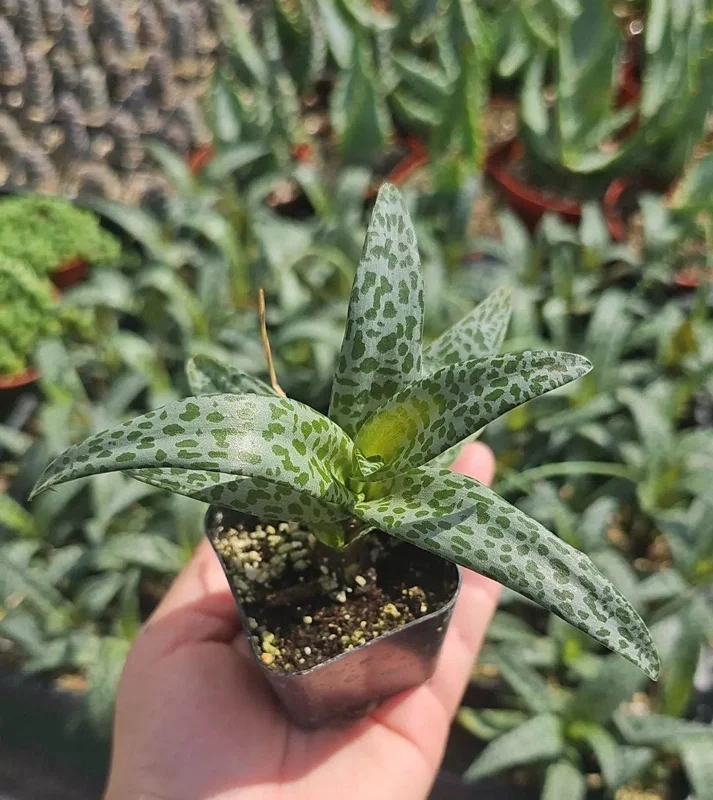
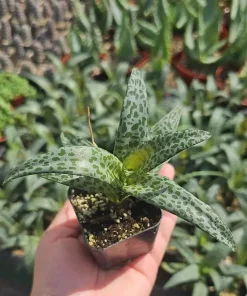
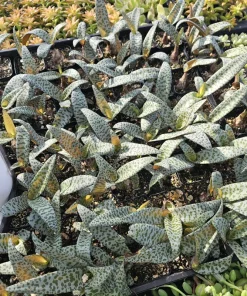
Add a touch of exotic beauty to your home with the silver squill live plant. This captivating succulent, also known as leopard lily plant or ledebouria socialis care, features striking silver-spotted foliage and is renowned for being one of the easy care houseplants. Perfect for windowsills or desks, it arrives ready to thrive in a 2 inch pot.
Estimated arrival
Oct 15
Oct 20 - Oct 22
Oct 25 - Oct 29
Shop With Confidence
30-Day Plant Health Guarantee
Arrives damaged? We’ll replace it free — see our return policy.
Responsive Support
Email us anytime, we reply within 1 business day.
Expert Packaging
Temperature-controlled shipping to protect your plants in transit.
Secure Checkout
Pay safely with Visa, Mastercard, PayPal.
Plant Specifications
-
USDA Hardiness Zone
USDA zones 10-11 (outdoors) / year-round indoors -
Soil Type
Well-draining succulent or cactus mix -
Sunlight Exposure
Bright indirect light -
Expected Planting Period
Year-round indoors
Overview
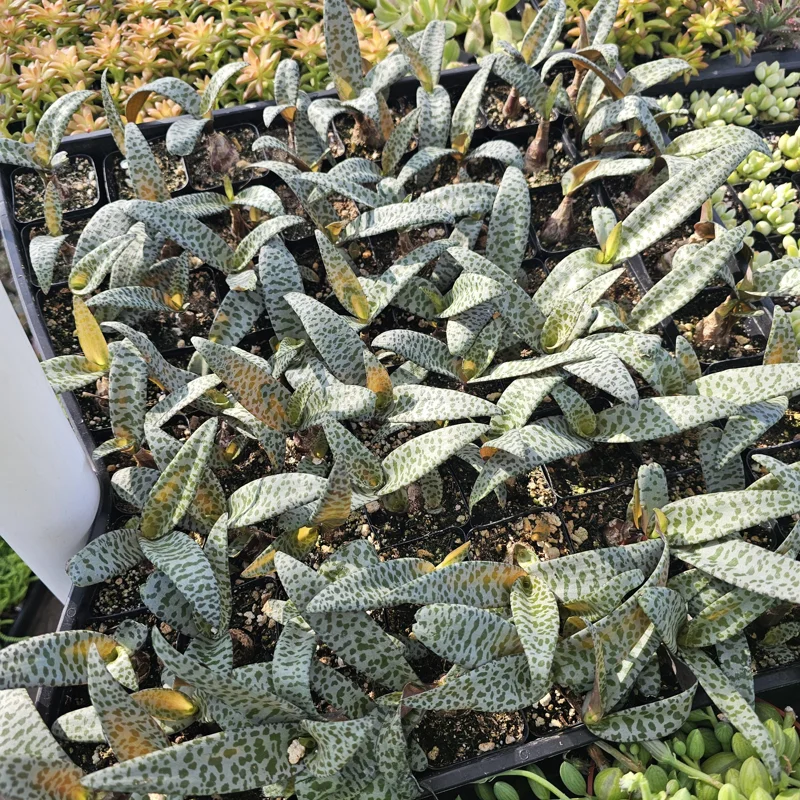
Introduce a fascinating botanical specimen to your collection with the silver squill live plant. Also known by its scientific name, Ledebouria socialis, and the charming common name Leopard Lily, this succulent offers a truly unique visual appeal. Originating from South Africa, this small, bulbous perennial is cherished for its distinctive foliage featuring silver-green leaves adorned with dark green spots, creating a striking leopard-like pattern. Beyond its captivating looks, the Silver Squill is a remarkably resilient and low-maintenance houseplant, making it an excellent choice for both novice and experienced plant enthusiasts. This particular offering provides a healthy, vibrant specimen in a 2 inch pot, ready to settle into its new home and begin flourishing.
The silver squill live plant is not just a pretty face; it’s also an intriguing conversation starter. Its unique texture and pattern provide a wonderful contrast to other foliage plants, adding depth and interest to any indoor plant display. The bulbs often grow partially exposed above the soil line, contributing to its unusual and sculptural appearance. During the spring and summer months, it may also produce delicate spikes of small, greenish-white flowers, adding another layer of charm to this already delightful plant. Whether you’re seeking a distinctive desk plant or a unique addition to your succulent collection, the Leopard Lily is sure to impress.
Key Benefits
The silver squill live plant offers a multitude of advantages that make it a highly desirable addition to any indoor garden. Its unique characteristics contribute to both aesthetic appeal and ease of ownership, solidifying its reputation as a must-have succulent. Enjoy the beauty and simplicity this plant brings.
- Striking Foliage: The most prominent feature of the Silver Squill is its beautiful, silvery-green leaves speckled with dark green spots, reminiscent of a leopard’s coat. This distinctive pattern provides year-round visual interest and adds an exotic touch to any space.
- Low Maintenance: This succulent is incredibly forgiving and requires minimal attention, making it an ideal choice for busy individuals or those new to plant care. Its resilience means less worry about frequent watering or specific humidity levels. It truly is one of the easy care houseplants.
- Compact Size: Typically remaining small, the silver squill live plant is perfect for windowsills, desks, shelves, or terrariums. Its modest size allows it to fit comfortably in various indoor settings without demanding much space.
- Unique Bulb Structure: The partially exposed bulbs add an architectural element to the plant’s appearance, providing additional texture and a sculptural quality that sets it apart from other succulents.
- Drought Tolerant: As a succulent, the Leopard Lily is adapted to dry conditions, storing water in its bulbs and leaves. This means it can tolerate periods of neglect, reducing the risk of overwatering, which is a common plant killer.
- Occasional Blooms: While primarily grown for its foliage, the Silver Squill can produce delicate stalks of small, bell-shaped green and white flowers, typically in spring and summer, adding a subtle charm.
- Air Purifying Qualities: Like many houseplants, the leopard lily plant contributes to a healthier indoor environment by helping to filter airborne toxins, improving the air quality in your home or office.
Plant Care & Growing Tips
Providing proper ledebouria socialis care is straightforward, ensuring your plant thrives with minimal effort. This succulent prefers bright, indirect light. A south or west-facing window with some sheer curtain protection is ideal, or a north or east-facing window without obstruction. Direct, intense afternoon sun can scorch its leaves, so avoid placing it in such a position. If your plant starts to stretch or its colors fade, it may not be receiving enough light. Rotate the pot occasionally to ensure even growth and exposure to light on all sides.
When it comes to watering, less is often more for the silver squill live plant. Allow the soil to dry out completely between waterings. During its active growing season (spring and summer), water thoroughly until water drains from the bottom, then wait until the soil is dry again before the next watering. In the dormant winter months, reduce watering significantly, perhaps once a month or even less, depending on your home’s humidity. Overwatering is the most common cause of problems for this plant, leading to bulb rot. The ideal soil for a leopard lily plant is a well-draining succulent or cactus mix. A mix of potting soil, perlite, and coarse sand in equal parts also works well, ensuring excellent drainage to prevent waterlogging.
The Silver Squill prefers average room temperatures, typically between 65-80°F (18-27°C). It can tolerate cooler temperatures down to about 50°F (10°C) but should be protected from frost. Average household humidity is usually sufficient; it does not require high humidity. Fertilize sparingly during the growing season (spring and summer) with a diluted liquid fertilizer formulated for succulents, about once every 2-4 weeks. Avoid fertilizing in winter. Repotting is rarely needed as this plant enjoys being somewhat root-bound. When it does outgrow its pot, choose a pot only slightly larger than the previous one. Propagation is easy from offsets (small bulbs) that form around the mother plant. Gently separate them and plant them in their own pots for new unique indoor plants.
Size & Details
This offering features a healthy silver squill live plant, scientifically known as Ledebouria socialis, presented in a 2 inch nursery pot. At this size, the plant is typically compact, making it an excellent choice for a desk, small shelf, or as part of a succulent arrangement. The foliage usually reaches a height of 3-6 inches with a similar spread, though individual plant sizes may vary slightly. The bulbs are often visible above the soil line, adding to its distinct aesthetic. This leopard lily plant is a relatively slow to moderate grower, gradually forming clumps of offsets over time. It is shipped as a potted plant, ensuring minimal stress during transit and allowing for an easy transition into your home. Expect it to establish quickly and begin showcasing its unique spotted leaves soon after arrival.
Frequently Asked Questions
- Q: How big does this plant get? A: The silver squill live plant typically grows to about 3-6 inches in height and spread. It remains a relatively compact succulent, making it suitable for smaller spaces and indoor displays.
- Q: What size pot does it come in? A: This particular Silver Squill comes in a standard 2 inch nursery pot, ready for you to place in a decorative container or repot into a slightly larger one if desired.
- Q: Is this an indoor or outdoor plant? A: The Silver Squill is primarily grown as an indoor houseplant in most climates due to its sensitivity to frost. It can be grown outdoors in USDA zones 10-11 or warmer, in a protected area.
- Q: How much sunlight does it need? A: For optimal ledebouria socialis care, provide bright, indirect light. Avoid direct, intense afternoon sun, which can scorch its leaves. A few hours of morning sun or filtered light throughout the day is ideal.
- Q: Is this plant easy to care for? A: Yes, the Silver Squill is considered a very easy-care houseplant. It is drought-tolerant and forgiving of occasional neglect, making it perfect for beginners and busy plant owners looking for easy care houseplants.
- Q: What condition will it arrive in? A: Your silver squill live plant will arrive as a healthy, rooted plant in its nursery pot, carefully packaged to minimize stress during shipping. Some soil shifting may occur during transit.
- Q: Is it shipped in soil? A: Yes, the plant is shipped securely in its original 2 inch nursery pot with soil, ensuring it is well-hydrated and stable for its journey to you.
- Q: How often should I water my Leopard Lily? A: Water only when the soil has completely dried out. In warmer months, this might be every 1-2 weeks; in winter, reduce watering to once a month or less. Always err on the side of underwatering rather than overwatering.
- Q: What kind of soil is best for this plant? A: A well-draining succulent or cactus potting mix is best for the leopard lily plant. You can also create your own by mixing regular potting soil with perlite and coarse sand.
- Q: Is this plant considered a unique indoor plant? A: Absolutely! With its striking silver-spotted foliage and distinctive bulb structure, the Silver Squill is definitely considered one of the more unique indoor plants that adds character to any collection.
| Option | 2In Bundle Of 3, 2In Pot |
|---|
Be the first to review “Silver Squill Live Plant – Ledebouria Socialis – Leopard Lily – 2 inch pot – Indoor”
People Also Viewed
Flower Plants
Wilhelmara Pinot Princess ‘Nite Naulege’ Orchid Live Plant – Oncidium Type – 2.5 inch Pot
Houseplants
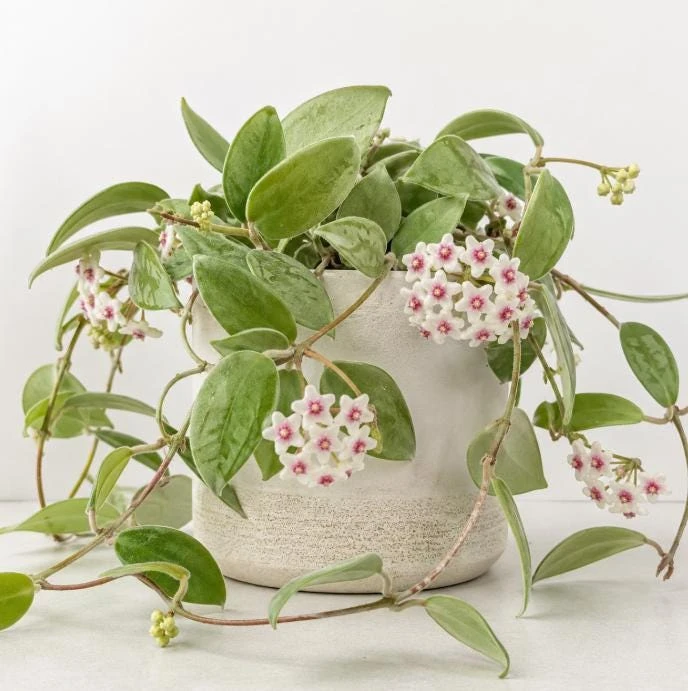
Hoya Nummularioides Live Plant – Wax Flower Vine – 4 Inch Pot – Indoor Trailing Houseplant



Reviews
There are no reviews yet.