

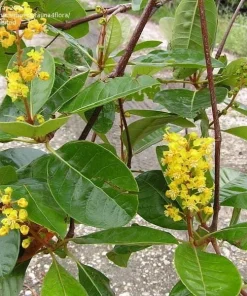
Nance Live Plant – Byrsonima Crassifolia – 1 ft Tall – Tropical Fruit Tree
$51.76
Cultivate your own delicious tropical fruit with this nance live plant. The byrsonima crassifolia tree is a fast-growing, drought-tolerant species that produces small, flavorful yellow-orange fruits. Perfect for adding a unique edible element to your garden.
Estimated arrival
Sep 14
Sep 19 - Sep 21
Sep 24 - Sep 28
Shop With Confidence
30-Day Plant Health Guarantee
Arrives damaged? We’ll replace it free — see our return policy.
Responsive Support
Email us anytime, we reply within 1 business day.
Expert Packaging
Temperature-controlled shipping to protect your plants in transit.
Secure Checkout
Pay safely with Visa, Mastercard, PayPal.
Plant Specifications
-
USDA Hardiness Zone
USDA Zones 9-11 -
Soil Type
Well-draining sandy or rocky soil -
Sunlight Exposure
Full sun -
Expected Planting Period
Year-round in warm climates, spring in cooler zones
Overview
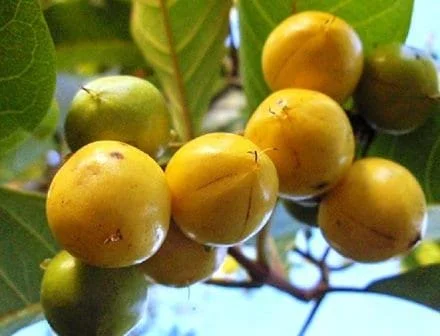
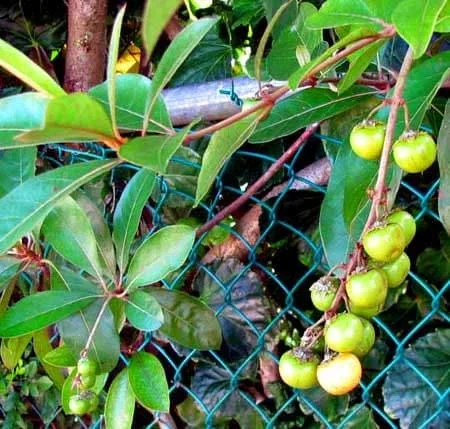
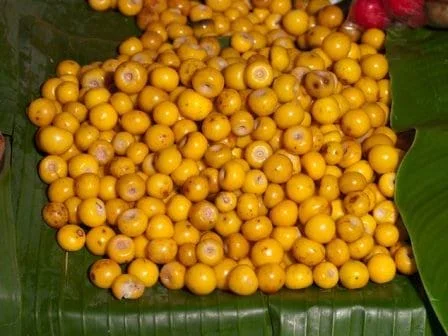
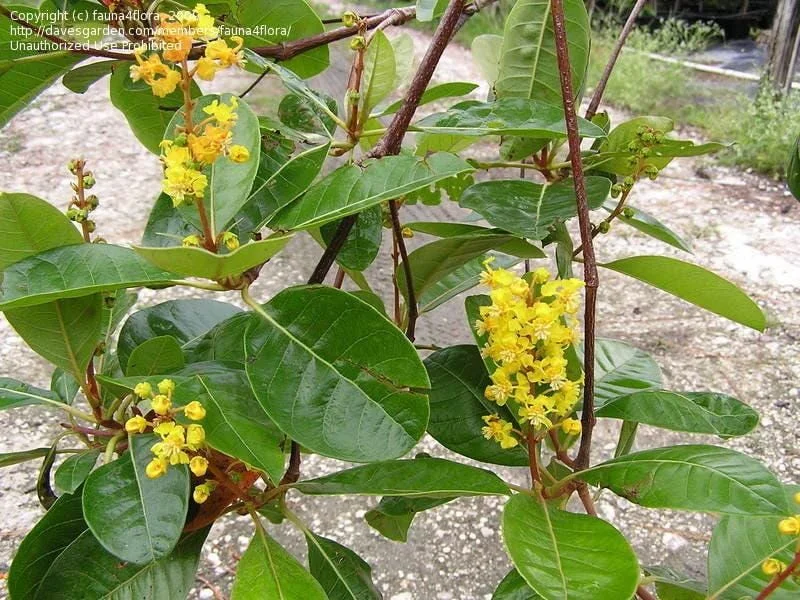
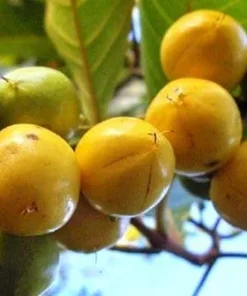
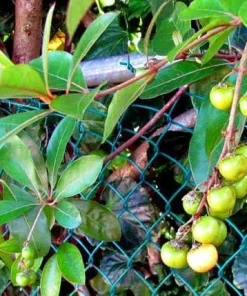
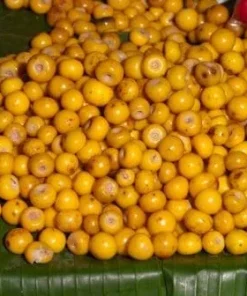
Bring the taste of the tropics to your home with the nance live plant, scientifically known as Byrsonima crassifolia tree. This attractive and fast-growing fruiting shrub or small tree, belonging to the Acerola family, is a fantastic addition for enthusiasts of exotic fruits. The Nance plant is cherished for its small, yellow-orange fruits, which are about the size and shape of a tropical cherry. While they possess a starchy texture, these fruits offer a subtle sweetness when fully ripe, making them versatile for various culinary applications, from eating raw to preparing desserts and beverages. Originating from the tropical and subtropical Americas, this plant thrives in warm climates and is valued for its resilience and decorative appeal, making it a favorite for both wild growth and ornamental gardens.
The nance live plant is not just a source of unique fruit; it’s also a beautiful ornamental specimen. Its ability to flourish in diverse conditions, particularly its drought-resistant properties, makes it an excellent choice for gardeners in suitable climates. Whether you’re looking to expand your edible garden or simply add an exotic touch, growing your own Nance tree is a rewarding experience. This plant offers a glimpse into tropical horticulture, providing both aesthetic beauty and a bountiful harvest of distinctive fruit.
Key Benefits
The nance live plant offers a multitude of benefits, making it a highly desirable addition to any garden or landscape. Its unique characteristics contribute to both its ornamental value and its practical uses.
- Exotic Fruit Production: Enjoy a continuous supply of unique, small yellow-orange fruits that can be eaten raw, juiced, or used in various culinary creations, bringing a taste of the tropics to your home.
- Drought Tolerance: This remarkable plant is highly valued for its drought-resistant properties, making it an excellent choice for regions with limited water availability or for gardeners seeking low-maintenance options.
- Fast Growth Rate: The byrsonima crassifolia tree is known for its very fast growth, allowing you to establish a mature fruiting plant quicker than many other fruit trees.
- Attractive Ornamental Features: Beyond its fruit, the Nance plant boasts decorative blooms and lush foliage, enhancing the aesthetic appeal of your garden or patio.
- Versatile Culinary Uses: The Nance fruit is incredibly versatile and can be used in a variety of ways, including fresh consumption, fermented drinks, desserts, and flavored beverages, encouraging you to grow nance fruit for diverse recipes.
- Adaptability to Various Soils: Thrives in both tropical and subtropical climates, preferring sandy and rocky soils, showcasing its resilience across different environments.
- Supports Biodiversity: As a native species to the Americas, planting a nance live plant can contribute to local biodiversity and provide a food source for local wildlife.
Plant Care & Growing Tips
Caring for your nance live plant is straightforward, especially given its hardy and adaptable nature. To ensure optimal growth and fruit production, understanding its specific needs is key. Nance trees thrive in tropical and subtropical climates, making them ideal for USDA zones where temperatures remain consistently warm. They prefer full sun exposure, meaning at least 6-8 hours of direct sunlight per day, which is crucial for maximizing fruit yield and overall plant health. While they are drought-tolerant once established, consistent watering is beneficial, especially during dry spells and when the plant is young. Ensure the soil dries out slightly between waterings to prevent root rot.
The ideal soil for a byrsonima crassifolia tree is well-draining, sandy, or rocky loam. They are not particularly fussy about soil pH but perform best in slightly acidic to neutral conditions. Fertilization can be done with a balanced, slow-release fertilizer during the growing season, typically spring and summer, to support vigorous growth and fruit development. Pruning is generally minimal, focusing on removing dead or diseased branches and shaping the tree for aesthetic or harvest convenience. While the plant is quite resilient, monitor for common pests and diseases, though serious issues are rare. Protecting young plants from strong winds can also be beneficial as they establish themselves. By following these guidelines, you can successfully grow nance fruit and enjoy its unique harvest for years to come.
Size & Details
This nance live plant is typically shipped at approximately 1 foot tall, making it a robust young specimen ready for transplanting into your garden or a larger container. It is shipped in a 6-inch pot, providing a healthy root system for successful establishment. The Nance tree is known for its fast growth rate and can reach heights of up to 20-30 feet at maturity if grown in optimal conditions, though it can be kept smaller with pruning. Its canopy can spread similarly, offering ample shade and significant fruit production. Expect the plant to begin fruiting within a few years of planting, with peak production occurring as it matures. This particular offering is a live plant, ensuring you receive a healthy, actively growing specimen ready to thrive in its new environment. It is an excellent choice for those looking to expand their collection of tropical fruit plants.
Frequently Asked Questions
- Q: How big does this plant get? A: The nance live plant can grow up to 20-30 feet tall in ideal conditions, though it can be maintained at a smaller size with regular pruning. Its spread can also be substantial, providing a good amount of shade.
- Q: What size pot does it come in? A: This Nance plant is shipped in a 6-inch pot, ensuring a well-established root system for successful transplanting and growth.
- Q: Is this an indoor or outdoor plant? A: The byrsonima crassifolia tree is primarily an outdoor plant, thriving in tropical and subtropical climates. It can be grown in containers and brought indoors in colder regions during winter months.
- Q: How much sunlight does it need? A: Nance plants require full sun exposure, meaning they need at least 6-8 hours of direct sunlight per day to produce a good fruit yield and maintain overall health.
- Q: Is this plant easy to care for? A: Yes, Nance plants are considered relatively easy to care for, especially due to their drought-tolerant nature. They are suitable for gardeners looking for resilient tropical fruit plants.
- Q: What condition will it arrive in? A: Your nance live plant will arrive as a healthy, actively growing specimen, carefully packaged to ensure its safety during transit.
- Q: How long until it blooms? A: Nance plants typically begin to bloom and produce fruit within a few years of planting, with fruit production increasing as the tree matures.
- Q: Can I use nance fruit in cooking? A: Absolutely! Nance fruit is very versatile. It can be eaten raw, made into juices, fermented beverages, desserts, and even distilled, offering many ways to enjoy your harvest when you grow nance fruit.
- Q: What’s the best soil for a Nance tree? A: Nance trees prefer well-draining, sandy, or rocky soils. Good drainage is crucial to prevent root issues.
- Q: What’s the minimum temperature this plant can tolerate? A: As a tropical plant, the Nance tree prefers warm temperatures and is not tolerant of frost. It typically thrives in USDA zones where temperatures do not drop significantly below freezing, making it an ideal drought tolerant fruit tree for warm climates.
Be the first to review “Nance Live Plant – Byrsonima Crassifolia – 1 ft Tall – Tropical Fruit Tree”
People Also Viewed
Reviews
There are no reviews yet.