


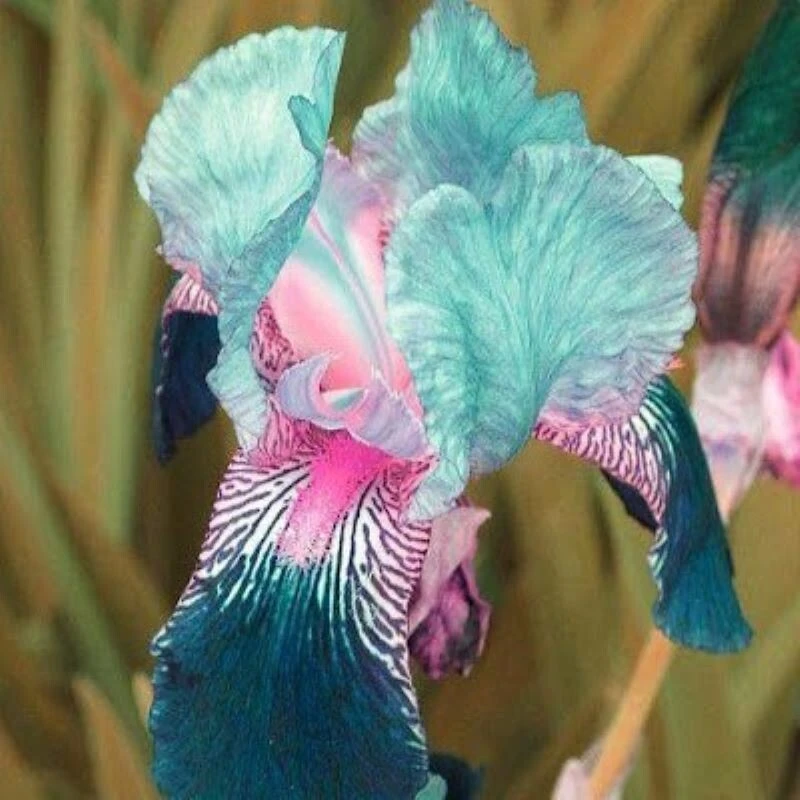
50 Iris Seeds – Flowering Iris Plants
Original price was: $49.99.$24.99Current price is: $24.99.
Start your own beautiful garden with 50 iris seeds. These fresh iris seeds are perfect for cultivating vibrant iris flower seeds, adding elegance and color to any landscape. Ideal for both beginner and experienced gardeners.
Estimated arrival
Oct 27
Nov 01 - Nov 03
Nov 06 - Nov 10
Shop With Confidence
30-Day Plant Health Guarantee
Arrives damaged? We’ll replace it free — see our return policy.
Responsive Support
Email us anytime, we reply within 1 business day.
Expert Packaging
Temperature-controlled shipping to protect your plants in transit.
Secure Checkout
Pay safely with Visa, Mastercard, PayPal.
Plant Specifications
-
USDA Hardiness Zone
USDA Zones 3-9 -
Soil Type
Well-draining sandy loam -
Sunlight Exposure
Full sun -
Expected Planting Period
Late summer to early fall or early spring after stratification
Overview
Embark on a rewarding gardening journey with this pack of 50 iris seeds. Iris, renowned for their striking beauty and diverse color palette, are a magnificent addition to any garden. These iris seeds offer an economical and fulfilling way to cultivate these classic flowering plants from scratch. Each seed holds the promise of a vibrant bloom, transforming your garden into a tapestry of color and form. Growing iris flower seeds provides a unique opportunity to witness the full life cycle of these captivating plants, offering a deeper connection to nature and the satisfaction of nurturing them from germination to full bloom. Our fresh seeds are ready to grow, ensuring a high potential for germination and successful cultivation.
The Iris, named after the Greek goddess of the rainbow, is celebrated for its intricate and often fragrant flowers. These seeds will allow you to grow a variety of iris plants, known for their distinctive three upright petals (standards) and three drooping petals (falls). Whether you’re an experienced horticulturist or just starting your gardening adventure, growing iris seeds is an accessible and enjoyable project that yields spectacular results. Prepare to be enchanted by the beauty and elegance that these flowering plants will bring to your outdoor spaces.
Key Benefits
Cultivating iris from seed offers numerous advantages, enhancing your garden and providing a fulfilling experience. These iris seeds are an excellent choice for any plant enthusiast.
-
Cost-Effective Gardening: Starting with iris seeds is significantly more economical than purchasing mature plants or bulbs, allowing you to cultivate a larger display of beautiful iris flowers without breaking the bank. This makes it possible to create expansive garden beds filled with these elegant blooms.
-
Rewarding Growing Experience: There’s immense satisfaction in watching a plant grow from a tiny seed. Nurturing iris flower seeds from germination through to their first spectacular bloom offers a unique and gratifying connection to your garden and the natural world.
-
Versatile Landscape Addition: Iris plants are incredibly versatile, fitting seamlessly into various garden designs. They are perfect for creating stunning borders, adding vertical interest to flower beds, or even as beautiful cut flowers for indoor arrangements.
-
Attracts Pollinators: The vibrant and often fragrant blooms of iris flowers are a magnet for beneficial pollinators like bees and butterflies, contributing to the health and biodiversity of your garden ecosystem. This makes your garden a more lively and active space.
-
Diverse Color Palette: Iris are famous for their incredible range of colors, from pure whites and yellows to deep blues, purples, and even multi-colored varieties. Growing from seed can sometimes offer delightful surprises in terms of bloom variations, making each plant unique.
-
Hardy and Resilient: Once established, many iris varieties are quite hardy and drought-tolerant, requiring minimal maintenance. They can thrive in a range of climates and soil conditions, proving to be a robust and long-lasting addition to your garden.
Plant Care & Growing Tips
Successfully growing iris seeds into thriving plants requires attention to a few key environmental factors and care practices. Iris are generally adaptable, but providing optimal conditions will ensure the best possible growth and bloom.
Sunlight Requirements: Iris plants, especially those grown from iris seeds, generally prefer full sun, meaning at least 6 hours of direct sunlight per day. While they can tolerate partial shade, too little sun can result in fewer blooms and weaker growth. For best results, choose a location in your garden that receives ample morning and afternoon sun.
Watering Schedule and Soil Moisture: During germination and establishment, keep the soil consistently moist but not waterlogged. Once mature, iris are relatively drought-tolerant. Water deeply when the top inch or two of soil feels dry to the touch, typically once a week during dry periods. Avoid overhead watering to prevent fungal diseases. Proper drainage is crucial to prevent rot.
Soil Type and Drainage: Iris thrive in well-draining soil. A sandy loam with a neutral to slightly acidic pH (6.0-7.0) is ideal. If your soil is heavy clay, amend it with organic matter like compost and sand to improve drainage. Good drainage is paramount for iris health, as wet feet can lead to rhizome rot. Ensure the planting area is elevated if drainage is a persistent issue. For flowering plant seeds like iris, good soil preparation is key.
Temperature Range and USDA Hardiness Zone: Most bearded iris varieties are hardy in USDA Zones 3-9. They require a period of winter dormancy to produce abundant blooms. The seeds themselves can be stratified (a cold treatment) to mimic winter conditions if planting indoors before transplanting. Protect young seedlings from extreme temperature fluctuations. The specific hardiness can vary slightly depending on the iris variety you grow from these fresh iris seeds.
Fertilization Schedule and Type: Fertilize established iris plants in early spring with a low-nitrogen fertilizer, such as a 5-10-10 or 6-10-10 blend, before new growth begins. Avoid high-nitrogen fertilizers, which can promote leafy growth at the expense of flowers and encourage rhizome rot. A second application can be made after flowering. For young seedlings, a diluted balanced liquid fertilizer can be used sparingly.
Common Problems and Solutions: The most common issues for iris include rhizome rot and iris borer. Rhizome rot is usually caused by poor drainage; ensure good air circulation and avoid overwatering. Iris borers can be managed by cleaning up old foliage in the fall and applying appropriate insecticides if the problem is severe. Keep an eye out for slugs and snails on young plants and use organic deterrents if necessary.
Size & Details
This offering includes 50 iris seeds, providing a generous quantity to start a substantial iris garden or to spread out plantings over several seasons. Each seed is small, typically a few millimeters in size, and will develop into a robust plant over time. Iris plants typically grow to a height of 2 to 3 feet (24-36 inches) when mature, depending on the variety and growing conditions. They form clumps that can spread 1 to 2 feet wide. The seeds are shipped in a protective packet to ensure their viability upon arrival. Expect germination to occur within a few weeks to several months, depending on stratification and planting conditions. While flowers may appear in the second year after planting, the wait is well worth it for the stunning display. These fresh iris seeds are an excellent way to introduce diverse iris varieties to your landscape.
Frequently Asked Questions
-
Q: How big do iris plants get from these seeds? A: From these iris seeds, you can expect mature iris plants to typically reach heights of 2 to 3 feet (24-36 inches) and spread about 1 to 2 feet wide, depending on the specific variety and growing conditions. They form attractive clumps over time, providing significant garden presence.
-
Q: Is this an indoor or outdoor plant? A: Iris plants grown from these iris seeds are primarily outdoor plants. They thrive in garden beds, borders, and naturalized areas where they can receive ample sunlight and experience seasonal changes. While they can be started indoors as seedlings, they are best suited for outdoor cultivation once established.
-
Q: How much sunlight do these iris seeds need to grow? A: To successfully grow from iris seeds, the resulting plants will need at least 6 hours of direct sunlight per day. Full sun is highly recommended for abundant flowering and strong, healthy growth. Less sunlight may lead to fewer blooms and leggy plants.
-
Q: Are these fresh iris seeds easy to care for? A: Once established, iris plants are relatively easy to care for, making them suitable for both beginner and experienced gardeners. The initial germination and seedling stage for flowering plant seeds requires consistent moisture and attention, but mature plants are quite hardy and drought-tolerant.
-
Q: What condition will the seeds arrive in? A: The 50 iris seeds will arrive in a well-protected packet, ensuring their freshness and viability. They are packaged to maintain optimal conditions during transit, ready for you to begin the planting process.
-
Q: How long until iris plants grown from seed bloom? A: Iris plants grown from iris seeds typically start blooming in their second year after planting. While some very vigorous varieties might produce a few flowers in the first year, the main floral display usually begins in the subsequent growing season, rewarding your patience with beautiful iris flower seeds.
-
Q: What’s the best time to plant these iris seeds? A: The best time to plant iris seeds is typically in late summer or early fall, allowing them to undergo natural cold stratification over winter for spring germination. Alternatively, you can start them indoors in late winter after artificial stratification, then transplant outdoors after the last frost.
-
Q: Will iris grown from these seeds attract pollinators? A: Yes, iris flowers are well-known for attracting various pollinators, including bees, butterflies, and hummingbirds. Planting these iris seeds will contribute to a vibrant and biodiverse garden ecosystem, supporting local wildlife.
-
Q: What kind of soil is best for growing iris from seed? A: Iris thrive in well-draining soil, ideally a sandy loam with a neutral to slightly acidic pH. Good drainage is crucial to prevent rhizome rot, especially when growing from fresh iris seeds and establishing young plants.
-
Q: Can I save seeds from the iris plants I grow? A: Yes, you can typically save seeds from the iris plants you grow, especially if they are open-pollinated varieties. However, if the parent plants are hybrids, the offspring from your saved iris seeds may not be identical to the parent plants, offering exciting variations.
Be the first to review “50 Iris Seeds – Flowering Iris Plants”
People Also Viewed
Flower Plants
Wilhelmara Pinot Princess ‘Nite Naulege’ Orchid Live Plant – Oncidium Type – 2.5 inch Pot
Reviews
There are no reviews yet.