


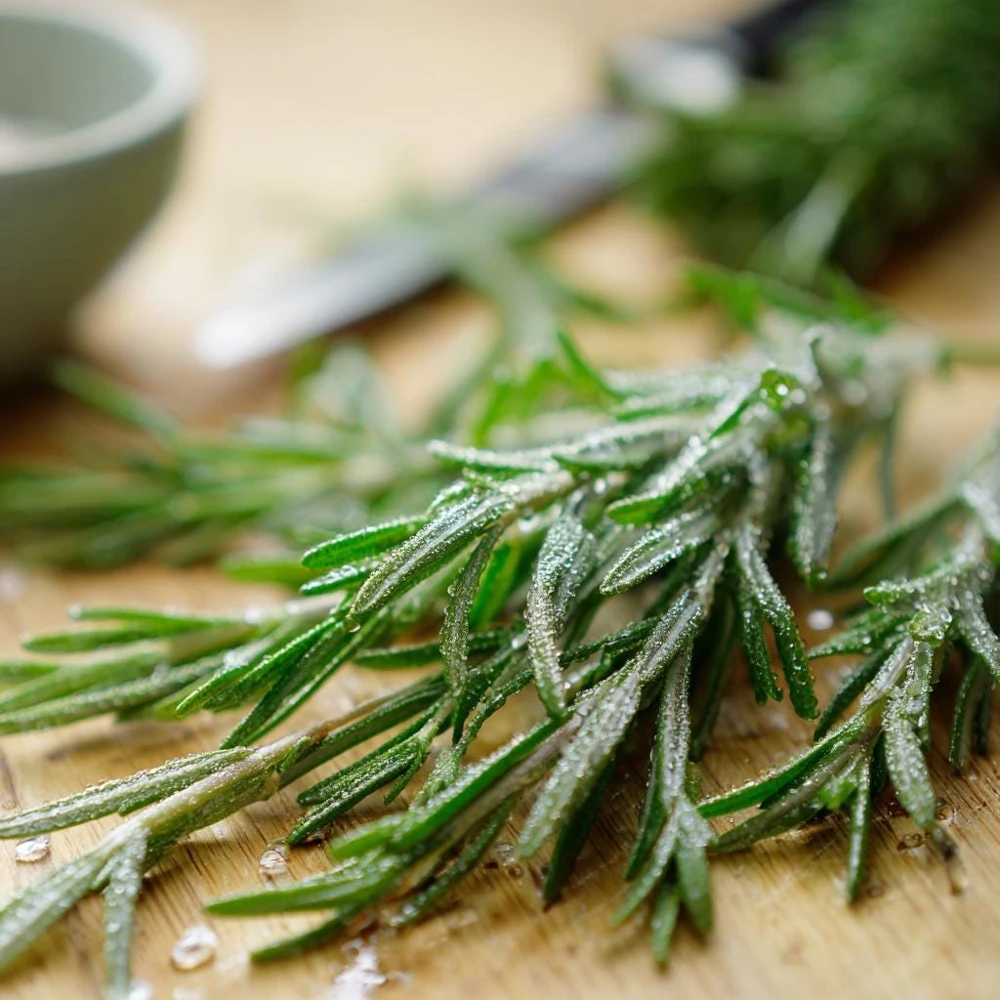
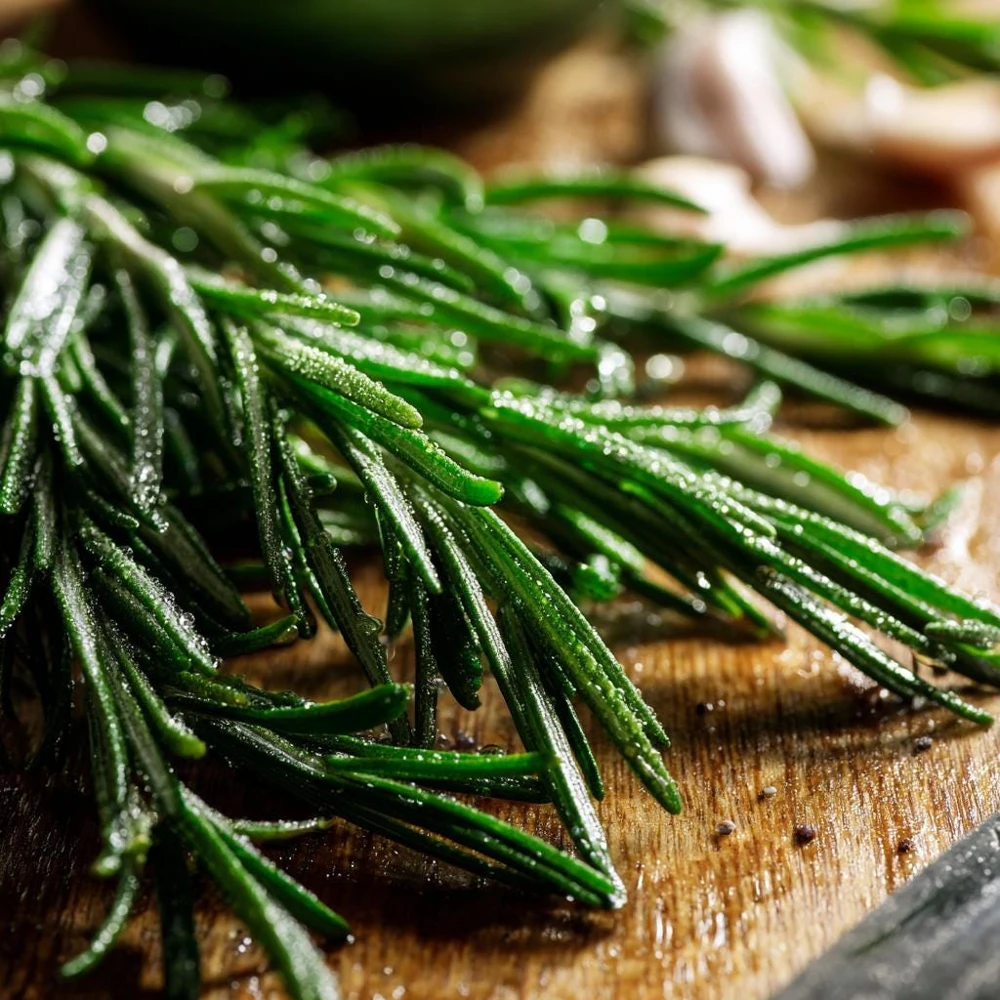
Organic Rosemary Seeds – Rosmarinus officinalis – Culinary Herb – 50 Seed Pack – Outdoor
Original price was: $32.99.$12.99Current price is: $12.99.
Cultivate your own aromatic garden with these high-quality organic rosemary seeds. Perfect for culinary use and attracting pollinators, Rosmarinus officinalis seeds yield a hardy, fragrant herb. Easy to grow rosemary from seed, ideal for herb gardens and sunny landscapes.
Estimated arrival
Oct 15
Oct 20 - Oct 22
Oct 25 - Oct 29
Shop With Confidence
30-Day Plant Health Guarantee
Arrives damaged? We’ll replace it free — see our return policy.
Responsive Support
Email us anytime, we reply within 1 business day.
Expert Packaging
Temperature-controlled shipping to protect your plants in transit.
Secure Checkout
Pay safely with Visa, Mastercard, PayPal.
Plant Specifications
-
USDA Hardiness Zone
USDA zones 7-10 (outdoor perennial) -
Soil Type
Well-draining, sandy or loamy soil -
Sunlight Exposure
Full sun (6-8 hours daily) -
Expected Planting Period
Start indoors 8-10 weeks before last frost; transplant outdoors after frost danger
Overview
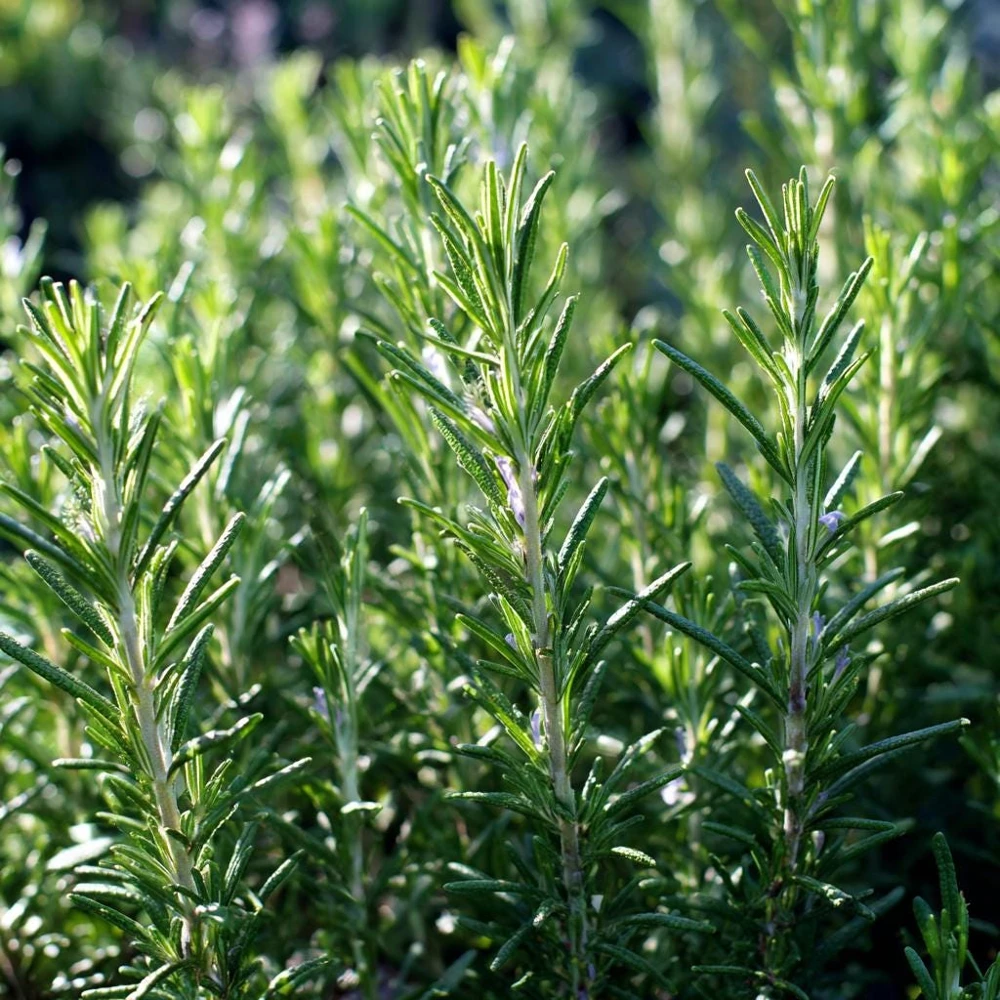
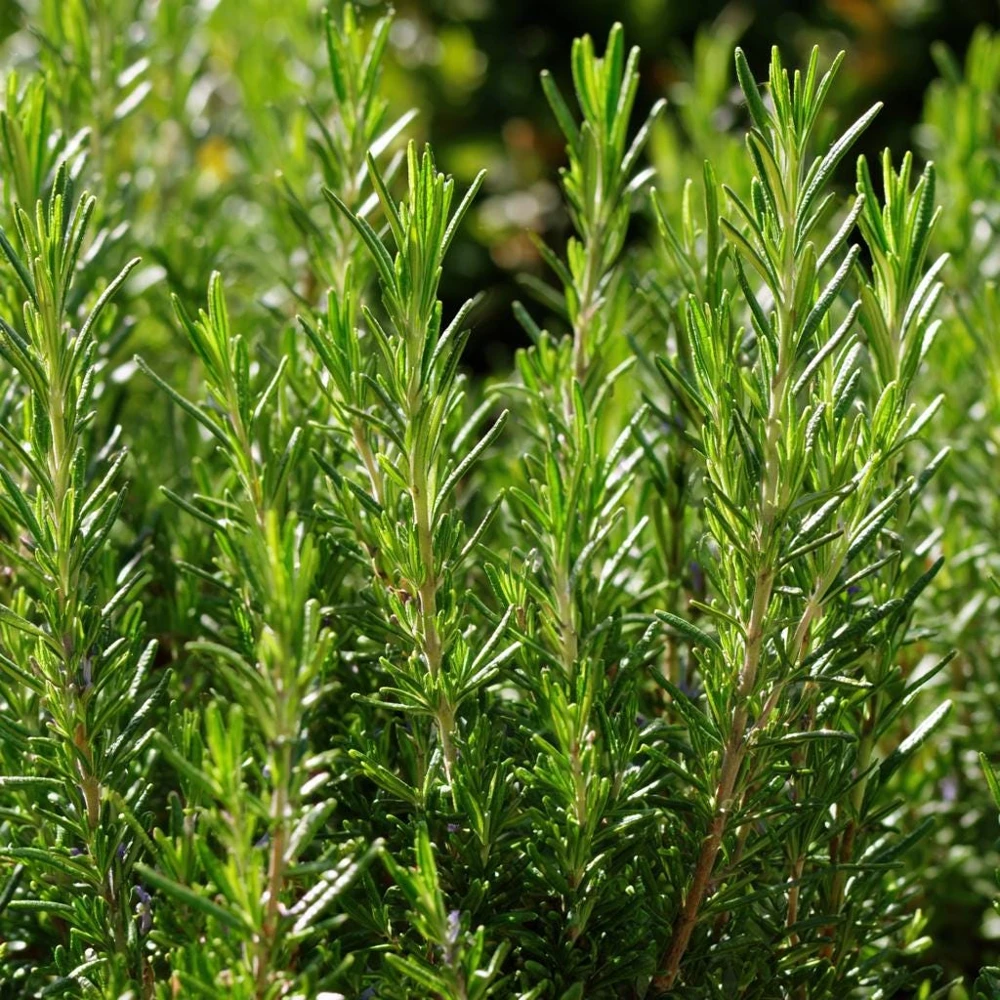
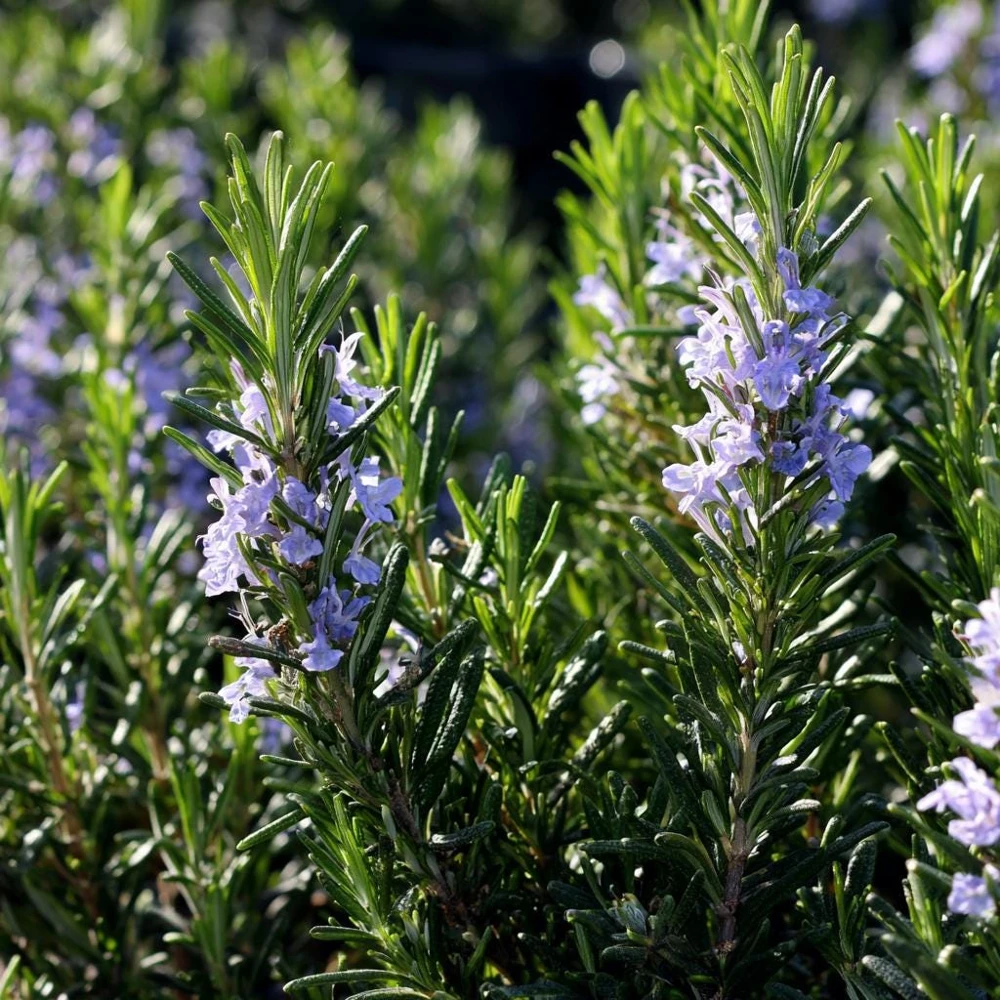
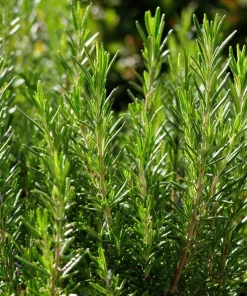
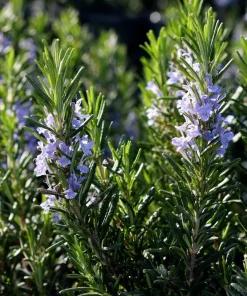
Embark on a rewarding gardening journey with our premium organic rosemary seeds. Each packet contains 50 seeds of Rosmarinus officinalis, a classic and beloved culinary herb renowned for its distinctive pine-like fragrance and robust flavor. This versatile plant is not only a staple in kitchens worldwide, enhancing everything from roasted vegetables to grilled meats, but also a beautiful addition to any garden landscape. Known for its needle-like leaves and delicate blue flowers, rosemary is a hardy perennial that brings both aesthetic appeal and practical benefits. Growing your own rosemary from seed allows you to experience the full life cycle of this remarkable plant, ensuring fresh, organic ingredients right at your fingertips.
Rosmarinus officinalis seeds are an excellent choice for gardeners looking to add a touch of Mediterranean charm and utility to their outdoor spaces. This drought-tolerant herb thrives in sunny conditions and well-drained soil, making it a relatively low-maintenance option once established. Beyond its culinary applications, rosemary’s fragrant blooms are a magnet for bees and other beneficial pollinators, contributing to a healthier and more vibrant ecosystem in your garden. Whether you’re an experienced horticulturist or a budding beginner, our organic rosemary seeds provide a fantastic opportunity to cultivate a plant that offers beauty, aroma, and delicious flavor year after year.
Key Benefits
Growing rosemary from seed offers a multitude of advantages for both the home gardener and the home chef. This essential herb provides continuous fresh flavor and contributes significantly to garden biodiversity.
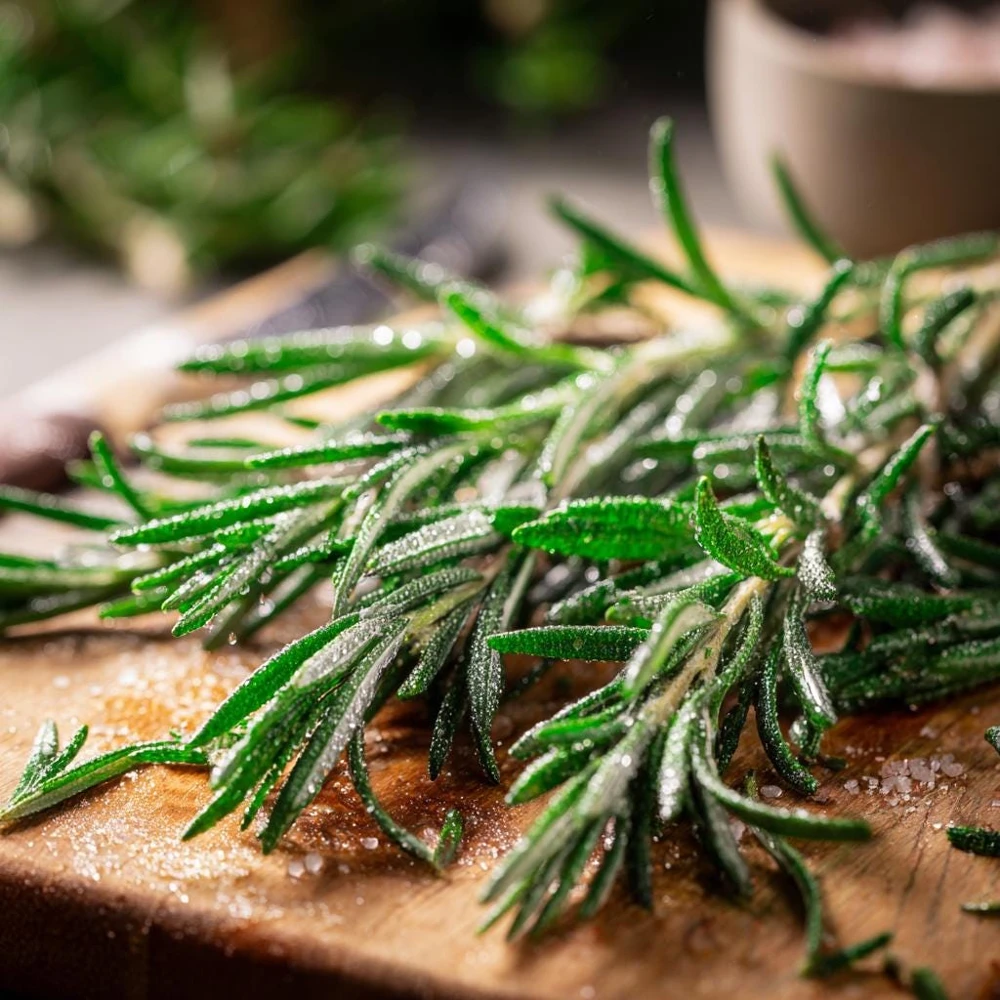
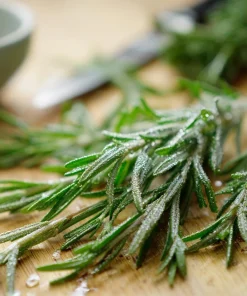
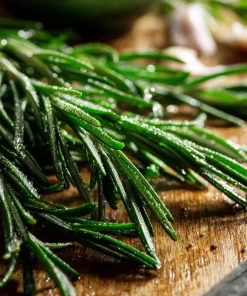
- Fresh Culinary Flavor: Enjoy the unparalleled taste of freshly harvested rosemary. These organic rosemary seeds will grow into plants that provide fragrant, flavorful leaves perfect for seasoning a wide array of dishes, including poultry, lamb, potatoes, and soups. The robust, earthy notes are far superior to dried varieties.
- Attracts Pollinators: The charming blue flowers of Rosmarinus officinalis are highly attractive to bees, butterflies, and other beneficial pollinators. By planting these Rosmarinus officinalis seeds, you’ll support local ecosystems and encourage biodiversity in your garden, contributing to healthier plant growth and fruit production.
- Aromatic Garden Addition: Rosemary’s strong, pleasant scent is released when its foliage is brushed or crushed, making it an excellent choice for planting along pathways or near seating areas. The evergreen nature of the plant also provides year-round interest and fragrance in milder climates.
- Drought Tolerant & Low Maintenance: Once established, rosemary is remarkably drought-tolerant, requiring minimal watering. This makes it an ideal plant for xeriscaping or for gardeners seeking a beautiful, productive herb that doesn’t demand constant attention.
- Versatile Landscape Plant: Beyond the herb garden, rosemary can be used in various landscape designs. Its upright growth habit and evergreen foliage make it suitable for hedges, borders, or even as a focal point in rock gardens.
- Medicinal and Aromatic Uses: Historically, rosemary has been valued for its potential medicinal properties and is often used in aromatherapy. The essential oils derived from rosemary are believed to have stimulating and invigorating effects.
- Cost-Effective Gardening: Starting with grow rosemary from seed is a very economical way to establish a large rosemary patch or numerous plants, providing a continuous supply of this valuable herb without repeated purchases of mature plants.
Plant Care & Growing Tips
Successfully growing organic rosemary seeds requires attention to a few key environmental factors to ensure healthy germination and robust plant growth. Start your seeds indoors 8–10 weeks before the last expected frost date in your region. Sow the small seeds on the surface of a well-drained seed starting mix and press them lightly; avoid covering them deeply, as light is crucial for germination. Maintain consistent moisture in the soil, but do not overwater, and keep the soil temperature between 70–75°F (21–24°C). Germination can be a bit slow and may take anywhere from 14 to 28 days, so patience is key when you grow rosemary from seed.
Once your rosemary seedlings have developed a few true leaves and all danger of frost has passed, they can be transplanted outdoors. Choose a location that receives full sun, ideally 6-8 hours of direct sunlight per day. Rosemary thrives in well-drained, sandy or loamy soil with a slightly acidic to neutral pH. Space your plants 12–18 inches apart to allow for adequate air circulation and growth. Water moderately, allowing the soil to dry out slightly between waterings to prevent root rot. While rosemary is drought-tolerant once established, young plants will need regular moisture. Prune your rosemary regularly to encourage bushy growth and prevent the plant from becoming woody and leggy. In colder climates (below USDA Zone 7), it’s best to grow Rosmarinus officinalis seeds in containers so they can be brought indoors during winter months to protect them from freezing temperatures. Providing good air circulation and avoiding overly rich soil will help prevent common issues.
Size & Details
This product offers a packet containing 50 high-quality organic rosemary seeds (Rosmarinus officinalis). Each seed has the potential to grow into a mature rosemary plant, typically reaching a height of 2 to 4 feet and a similar spread, depending on growing conditions and pruning. When grown from seed, rosemary plants generally take a full growing season to establish a significant size and begin producing abundant foliage for culinary use. Expect a moderate growth rate, with plants steadily increasing in size over several months. These seeds are ideal for starting a new herb garden or expanding an existing one, providing a cost-effective way to cultivate numerous rosemary plants. The seeds are packaged to ensure viability upon arrival, ready for immediate sowing.
Frequently Asked Questions
- Q: How big does a rosemary plant get from these seeds? A: A mature rosemary plant grown from these organic rosemary seeds typically reaches a height and spread of 2 to 4 feet. Its ultimate size can vary based on growing conditions, climate, and how regularly it is pruned.
- Q: Is this an indoor or outdoor plant? A: Rosemary can be grown both indoors and outdoors. It thrives outdoors in full sun in USDA Zones 7-10. In colder climates, it’s best grown in containers and brought indoors during winter, making it a versatile plant for many gardeners.
- Q: How much sunlight do these Rosmarinus officinalis seeds need to grow? A: Rosemary plants require at least 6-8 hours of direct sunlight per day to flourish. When starting seeds, ensure they receive ample light, either from a sunny window or under grow lights, as light aids germination.
- Q: Is growing rosemary from seed difficult for beginners? A: While germination can take some time (14-28 days), grow rosemary from seed is generally considered moderately easy for beginners. The key is providing consistent moisture and warmth during germination and plenty of sun once established.
- Q: What condition will the seeds arrive in? A: The organic rosemary seeds will arrive in a sealed packet, ensuring their freshness and viability. They are ready for immediate planting upon receipt.
- Q: Can I use the rosemary grown from these seeds in cooking? A: Absolutely! These organic rosemary seeds will produce culinary-grade rosemary plants. The leaves are perfect for flavoring a wide variety of dishes, from roasted meats to vegetables and breads.
- Q: How long until the rosemary plants are ready for harvest? A: You can typically start light harvesting from your rosemary plants once they are a few inches tall and well-established, usually a few months after germination. For more substantial harvests, allow the plant to mature for a full growing season.
- Q: What is the best time to plant these rosemary seeds? A: For best results, start these fragrant herb seeds indoors 8-10 weeks before your last expected frost date. Transplant outdoors once all danger of frost has passed in spring.
- Q: Will rosemary grown from these seeds survive winter in my zone? A: Rosemary is hardy in USDA Zones 7-10. If you are in a colder zone, you will need to protect your rosemary plants from frost by bringing them indoors or providing significant winter protection.
- Q: What kind of soil is best for these culinary herb seeds? A: Rosemary prefers well-drained, sandy or loamy soil. Good drainage is crucial to prevent root rot. A slightly acidic to neutral pH is ideal for optimal growth.
Be the first to review “Organic Rosemary Seeds – Rosmarinus officinalis – Culinary Herb – 50 Seed Pack – Outdoor”
People Also Viewed
Houseplants


Reviews
There are no reviews yet.