

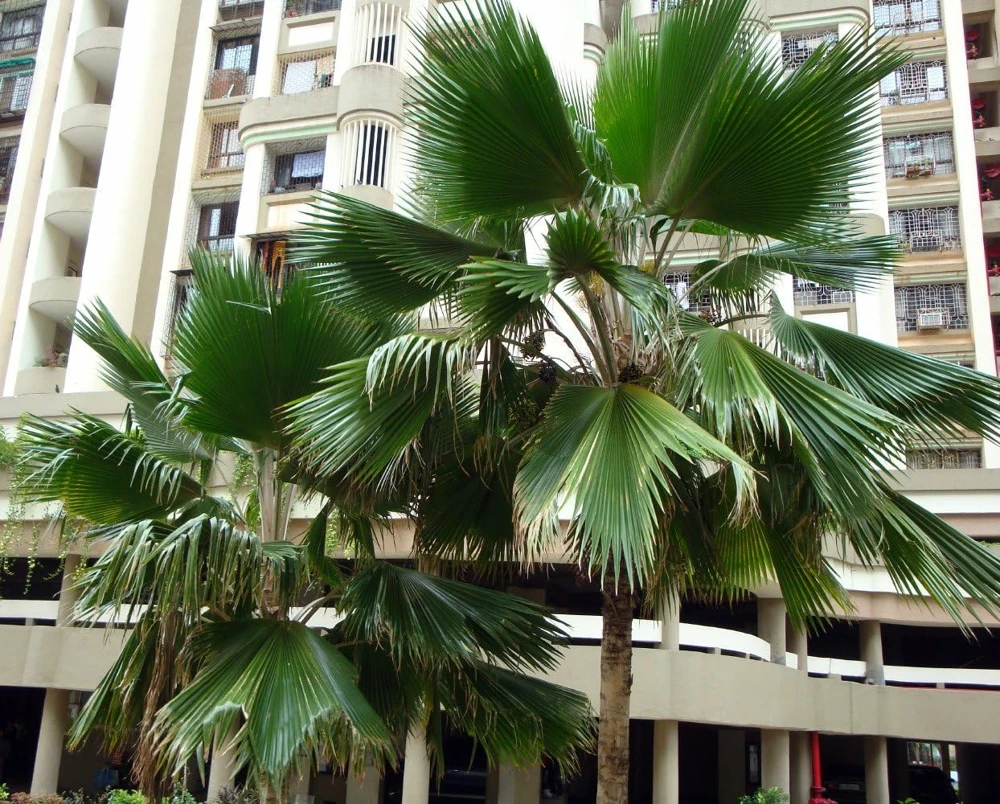
Fiji Fan Palm Seeds – Pritchardia Pacifica Tropical Tree Seeds – 5 Count
Original price was: $25.99.$15.99Current price is: $15.99.
Cultivate the exotic beauty of the Fiji Fan Palm with this pack of Pritchardia Pacifica seeds. Perfect for creating a tropical oasis, these Fiji Fan Palm seeds are a fantastic choice for collectors and enthusiasts looking to grow Fiji Fan Palm, whether indoors or in warm outdoor climates.
Estimated arrival
Sep 29
Oct 04 - Oct 06
Oct 09 - Oct 13
Shop With Confidence
30-Day Plant Health Guarantee
Arrives damaged? We’ll replace it free — see our return policy.
Responsive Support
Email us anytime, we reply within 1 business day.
Expert Packaging
Temperature-controlled shipping to protect your plants in transit.
Secure Checkout
Pay safely with Visa, Mastercard, PayPal.
Plant Specifications
-
USDA Hardiness Zone
USDA zones 10-11 (outdoors); suitable for indoor cultivation in all zones -
Soil Type
Well-draining potting mix -
Sunlight Exposure
Bright indirect light to full sun -
Expected Planting Period
Year-round indoors; Spring to early summer outdoors
Overview
Embark on a rewarding horticultural journey with our premium Fiji Fan Palm seeds. Each packet contains 5 seeds of the magnificent Pritchardia Pacifica, a striking tropical palm renowned for its majestic presence and distinctive fan-shaped leaves. These seeds offer an exciting opportunity to cultivate one of the most attractive palms, allowing you to grow Fiji Fan Palm from its very beginning. The Fiji Fan Palm is a truly captivating species, celebrated for its robust straight trunk and broad, pleated, undivided leaves that can reach impressive sizes. Whether you envision a lush outdoor landscape in a warm climate or a dramatic indoor statement plant, these Fiji Fan Palm seeds provide the foundation for a stunning botanical addition to your environment.
Originally from the tropical Pacific, the Pritchardia Pacifica is highly sought after by collectors and garden enthusiasts worldwide. Its fast-growing nature and elegant form make it a popular choice for tropical and subtropical settings. The unique morphology of its palmate leaves, which are undivided and deeply pleated, sets it apart from many other palm varieties. Growing your own Fiji Fan Palm from seed is an engaging project that connects you directly with nature’s cycles, culminating in a beautiful and enduring plant.
Key Benefits
Growing the Fiji Fan Palm from seeds offers numerous advantages, transforming your space with tropical elegance and vibrant life. These benefits extend beyond mere aesthetics, contributing to a healthier and more enjoyable environment.
- Exotic Aesthetic: The Fiji Fan Palm boasts large, undivided, fan-shaped leaves that create a bold, tropical statement, perfect for enhancing any garden or interior. Its unique foliage is a true showstopper.
- Collector’s Item: As one of the most attractive Pritchardias, these Pritchardia Pacifica seeds allow collectors to add a highly desired and relatively rare specimen to their plant collection.
- Fast Growth: Known for its relatively fast growth rate, you’ll be able to enjoy the development of your Fiji Fan Palm into a substantial plant much sooner than many other tree species.
- Versatile Placement: While thriving outdoors in tropical climates, the Fiji Fan Palm also makes an excellent and dramatic houseplant in cooler regions, bringing a touch of the tropics indoors.
- Fragrant Flowers: Although primarily grown for its foliage, mature Fiji Fan Palms produce fragrant brownish flowers, adding another layer of sensory appeal to your environment.
- Rewarding Project: The process of germinating and nurturing Fiji Fan Palm seeds into a mature palm is incredibly satisfying, offering a deep connection to nature and a sense of accomplishment.
- Adaptable Beauty: This palm is adaptable to various settings, from large garden landscapes to spacious indoor areas, providing flexibility in how you choose to grow Fiji Fan Palm.
Plant Care & Growing Tips
Successfully germinating and growing your Fiji Fan Palm seeds requires attention to specific environmental conditions. Start by soaking the Pritchardia Pacifica seeds in warm water for 24-48 hours, changing the water several times. This helps to soften the seed coat and promote germination. Plant the seeds about half an inch deep in a well-draining seed starting mix. A mix of peat moss and perlite or sand works well. Maintain consistent moisture without waterlogging, as excessive wetness can lead to rot.
The Fiji Fan Palm thrives in warmth and humidity. Ideal germination temperatures are between 80-95°F (27-35°C). Using a heat mat can significantly improve germination rates and speed. Place the planted seeds in a bright location, but avoid direct scorching sunlight during the initial germination phase. Once seedlings emerge, provide bright, indirect light. As the palm grows, it will appreciate more sunlight, eventually tolerating full sun in humid environments. Young palms benefit from protection from strong winds and intense, dry heat.
For established plants, ensure a rich, well-draining soil. Fertilize sparingly with a balanced, slow-release palm fertilizer during the growing season. Water regularly, allowing the top inch or two of soil to dry out slightly between waterings. Overwatering is a common issue, so ensure good drainage. The Fiji Fan Palm is a tropical plant, so it prefers temperatures above 50°F (10°C) and high humidity. If growing indoors, consider a humidifier or misting the leaves regularly to replicate its natural environment. Understanding proper fan palm care is crucial for a thriving plant.
Size & Details
The Fiji Fan Palm, or Pritchardia Pacifica, is a moderately fast-growing palm that can reach impressive heights of up to 30 feet in its natural habitat, though typically smaller when grown in containers or as houseplants. Its straight, smooth trunk can develop a unique fiber patterning at the base. The most distinguishing feature is its numerous palmate leaves, which can grow up to 4 feet wide and 5 feet long, remaining undivided with many pleats, giving them a very distinct fan-like appearance. These Fiji Fan Palm seeds are supplied as a count of 5 seeds, providing multiple opportunities for successful germination. Each seed holds the potential to develop into a magnificent specimen, offering a rewarding long-term gardening project.
When grown from these Pritchardia Pacifica seeds, it will take time for the palm to reach its full majestic size, but its relatively fast growth rate means you will see significant development over a few years. It is particularly striking as a young plant, with its large, pleated leaves unfurling elegantly. The palm is shipped as viable seeds, ready for you to begin the germination process. With proper fan palm care, you can expect to cultivate a beautiful and robust palm tree.
Frequently Asked Questions
- Q: How big does this plant get? A: In its natural tropical environment, the Fiji Fan Palm can grow up to 30 feet tall. When grown in containers or as an indoor plant, it typically remains smaller, often reaching 10-15 feet with proper care.
- Q: What size pot does it come in? A: This product consists of Fiji Fan Palm seeds, not a potted plant. You will receive 5 seeds to start growing your own palm. You will need to select an appropriate pot for germination and subsequent repotting.
- Q: Is this an indoor or outdoor plant? A: The Fiji Fan Palm is a tropical plant that thrives outdoors in USDA Zones 10-11. However, it also makes an excellent and popular houseplant in cooler climates, provided it receives adequate light, warmth, and humidity.
- Q: How much sunlight does it need? A: For optimal growth, the Fiji Fan Palm prefers bright, indirect light to full sun. Young seedlings should be protected from intense, direct sunlight, but mature plants can handle more sun exposure, especially in humid conditions.
- Q: Is this plant easy to care for? A: While germinating Pritchardia Pacifica seeds requires patience and specific conditions, established Fiji Fan Palms are moderately easy to care for, needing consistent watering, good drainage, and warm temperatures. Understanding fan palm care specifics is key.
- Q: What condition will it arrive in? A: You will receive 5 high-quality, viable Fiji Fan Palm seeds, carefully packaged to ensure their integrity during transit, ready for you to begin the germination process.
- Q: How long until it blooms? A: Fiji Fan Palms typically take several years to mature and begin flowering. The fragrant brownish flowers appear on mature specimens, usually once the palm has reached a substantial size.
- Q: When is the best time to plant? A: For Fiji Fan Palm seeds, the best time to plant is typically in spring or early summer, when temperatures are naturally warmer, aiding in germination. Indoors, you can start them any time of year with a heat mat.
- Q: Will it survive winter in my zone? A: The Fiji Fan Palm is not cold-hardy and will not survive freezing temperatures. It thrives in USDA Zones 10-11 outdoors. In colder zones, it must be grown indoors or protected during winter.
- Q: What’s the minimum temperature? A: This tropical palm prefers temperatures above 50°F (10°C). Prolonged exposure to temperatures below this can damage or kill the plant. Ideal temperatures for growth are between 70-90°F (21-32°C).
Be the first to review “Fiji Fan Palm Seeds – Pritchardia Pacifica Tropical Tree Seeds – 5 Count”
People Also Viewed
Vegetable Seeds
Succulents
Pickle Plant Live Succulent – Delosperma echinatum – 2in & 4in Pot Sizes – Indoor/Outdoor
Reviews
There are no reviews yet.